Cakes & pastry / GUIDE 12
Why Your Frosting Stays Runny Instead of Firming Up
Identify the frosting before thickening it. Warm buttercream and loose cream-cheese frosting need different handling.

01 / READ THE SIGNS
Start with what you can observe.
Look for the pattern that matches your result before changing the recipe.
- Buttercream is shiny and soft: it may be too warm.
- A previously firm frosting loosened after liquid: check the added quantity.
- Cream-cheese frosting gets looser as it is beaten: more mixing may make it worse.
02 / RIGHT NOW
Can you save this batch?
For warm buttercream, chill briefly and recheck frequently, then mix gently when pliable. For other frostings, follow a repair method for that type. Adding powdered sugar can thicken an American buttercream but may make a different frosting overly sweet without solving the cause.
03 / THE NEXT ATTEMPT
Make the change that matters.
- Cool the cake completely before frosting.
- Add optional milk or flavoring a little at a time.
- Check texture with a small spatula smear before filling a piping bag.
04 / A LITTLE UNDERSTANDING
What's happening underneath.
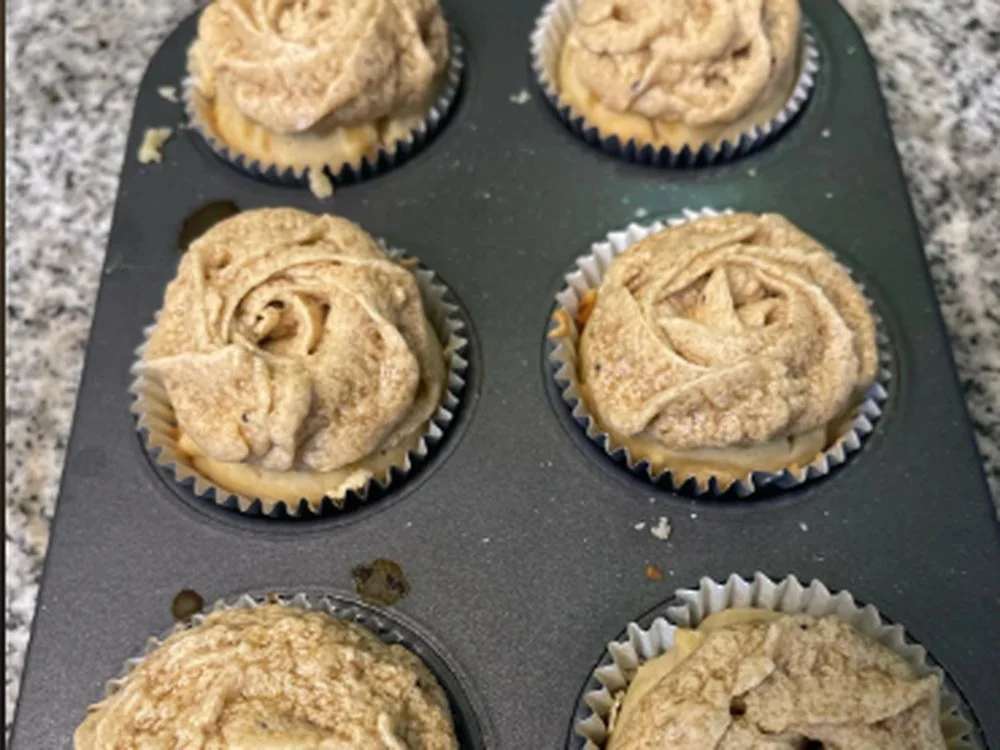
Butter-based frosting depends partly on the state of its fat. Other frostings rely on cream cheese, whipped cream, egg foams or chocolate, so one repair cannot cover all of them.
Do not freeze frosting solid and expect it to rewhip smoothly without coming back to a workable temperature.
05 / ONE GOOD QUESTION
Can I pipe it straight from the fridge?
Only if it is pliable enough. Overly cold frosting can tear the cake or strain the piping bag; overly warm frosting loses definition.
06 / KEEP READING
References & related reading
Continue with these external resources on the relevant technique or safety guidance. They are independent of Rosu.
A note for your next attempt.
Record one change and what happened. Notes stay in this browser; they are not sent to Rosu.
Found something that needs a closer look? Send a correction. Read our editorial approach and food safety essentials.
FOLLOW THE THREAD
A little more useful reading.

Why Whipped Cream Turns to Butter or Grains
At the first grainy look, stop whipping. Mild overwhipping and fully formed butter are different endpoints.
Read the guide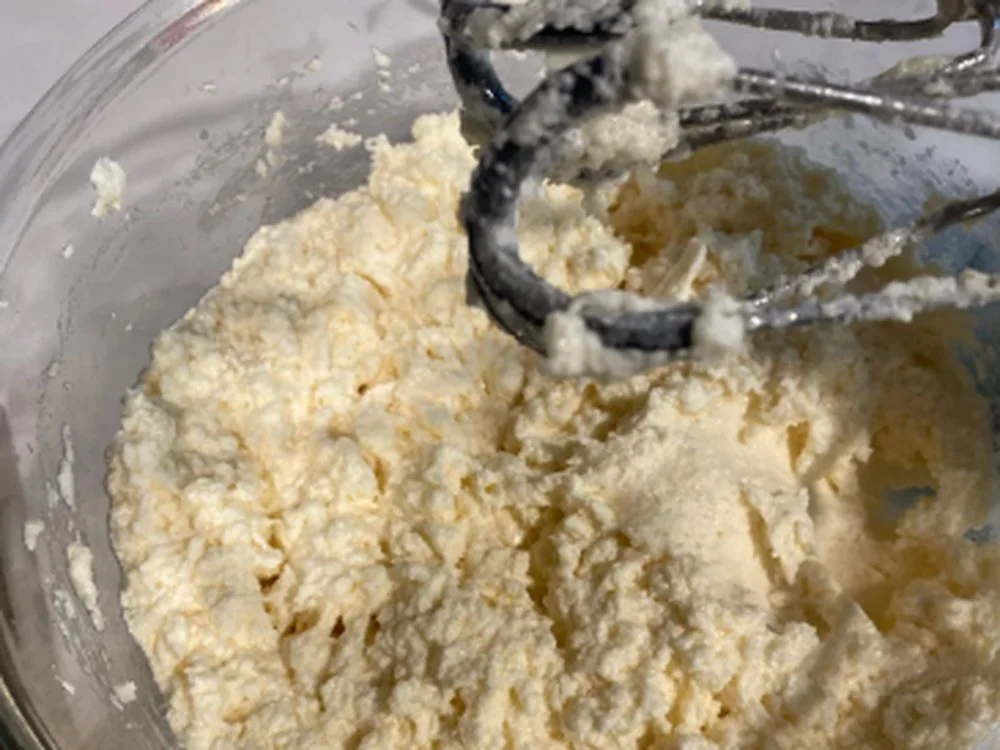
Why Cake Batter Curdles When You Add the Eggs
Pause the mixer and check ingredient temperature. A slightly split batter is not always a ruined cake.
Read the guide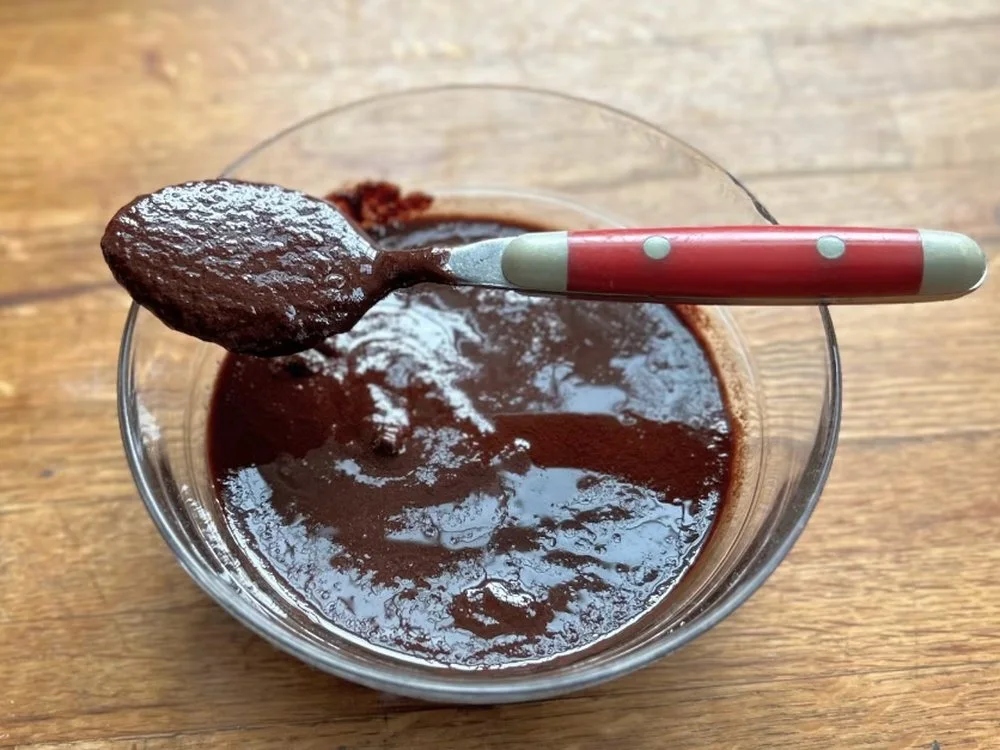
Why Chocolate Ganache Breaks or Separates
An oily ganache may need a small liquid adjustment and gentle mixing, not another handful of chocolate.
Read the guide