Why Custard Curdles Into Scrambled-Egg Bits
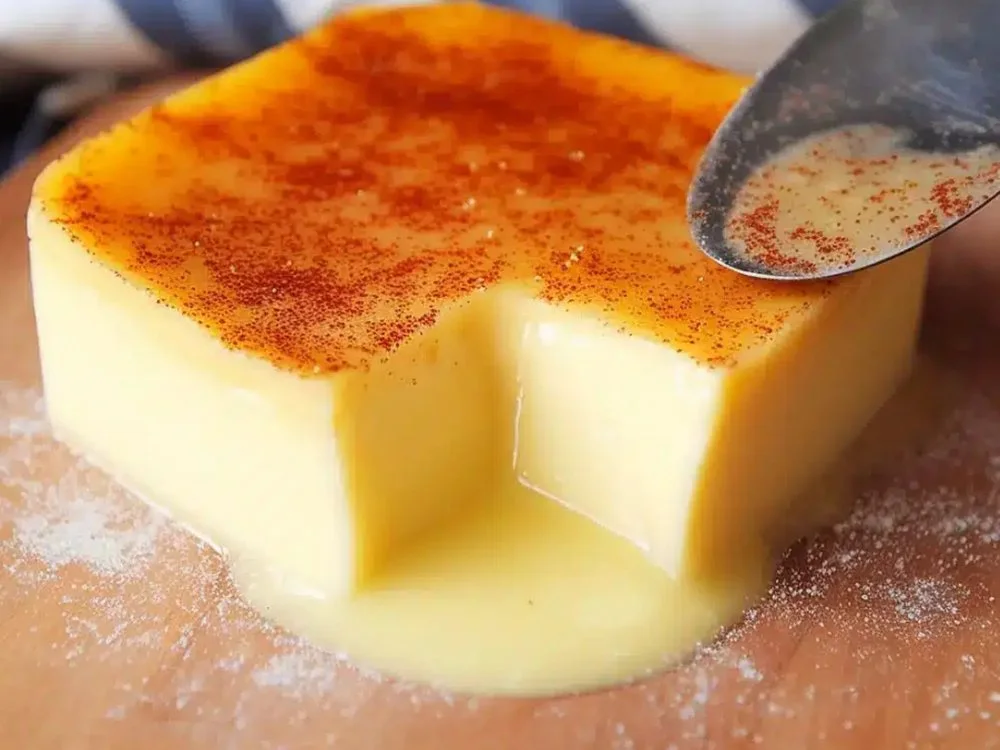
Remove the custard from heat at the first sign of curds. Continued cooking makes recovery less likely.
Read the guideA field guide for
the everyday cook.
THE DESSERTS & CHOCOLATE EDIT · 12 GUIDES
Custards, sugar, cream and chocolate without the guesswork. Choose the question that looks most like yours.
Remove the custard from heat at the first sign of curds. Continued cooking makes recovery less likely.
Read the guideSeparate seizing from scorching. A thickened mass may be reusable; a burned flavor is not repairable.
Read the guideIdentify the setting agent before changing the dessert. Gelatin, pectin and agar do not work interchangeably.
Read the guideA grainy wet caramel may be redissolved, but first let it cool enough to add water safely.
Read the guideA glossy foam and a dry, clumpy foam are different stages. Stop and inspect rather than continuing at full speed.
Read the guideAt the first grainy look, stop whipping. Mild overwhipping and fully formed butter are different endpoints.
Read the guideStart with a cold base and a properly prepared machine. A warm base slows freezing and encourages a coarse texture.
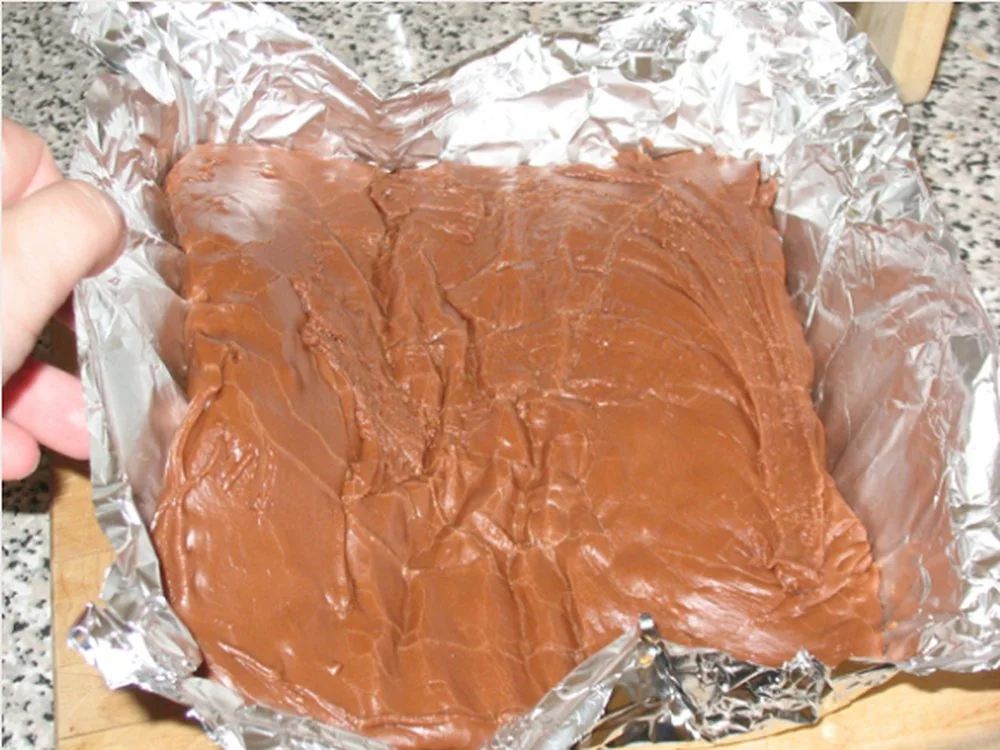
Read the guideTraditional fudge needs controlled crystallization. Coarse crystals can form if the cooling and beating stages are mistimed.
Read the guideChange one variable at a time. Cracked tops and missing feet do not point to one universal cause.
Read the guideA crack is often cosmetic. Check overbaking and cooling before changing the filling formula.
Read the guideIdentify whether the lumps are starch, cooked egg or simply cold pastry cream that needs smoothing.
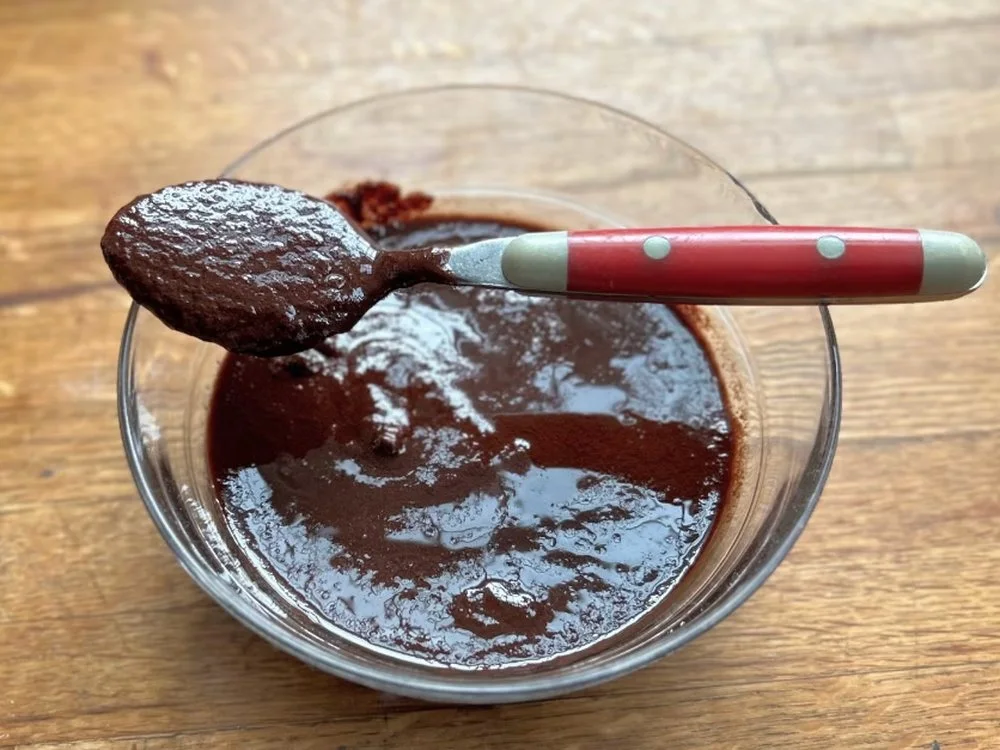
Read the guideAn oily ganache may need a small liquid adjustment and gentle mixing, not another handful of chocolate.
Read the guide