Desserts & chocolate / GUIDE 59
Why Fudge Turns Out Grainy Instead of Smooth
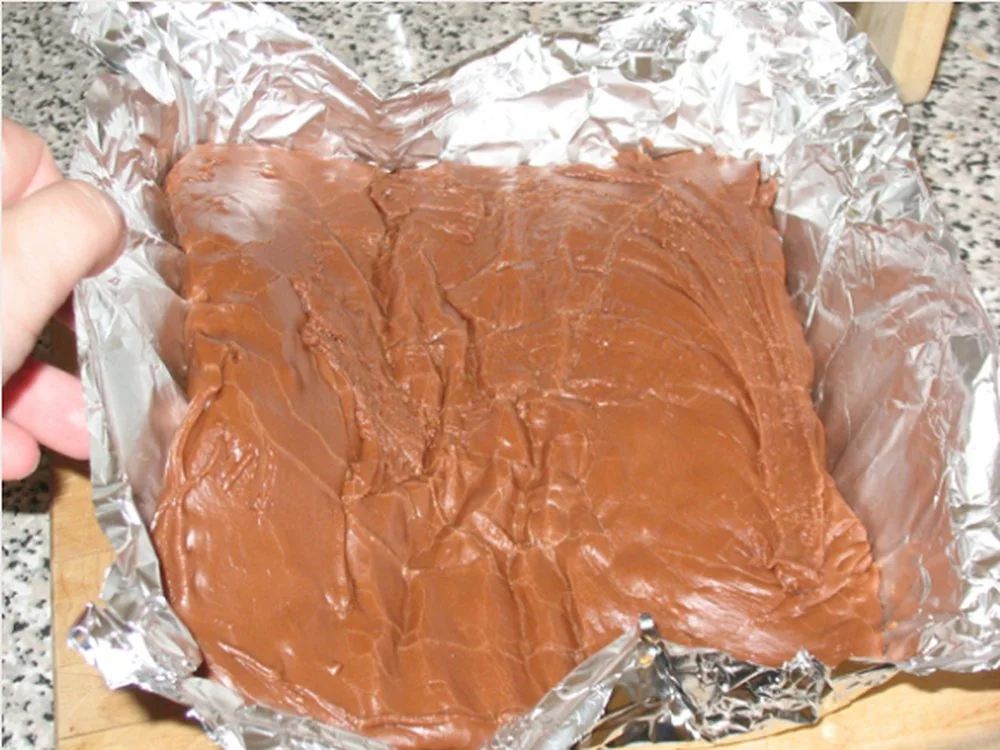
Traditional fudge needs controlled crystallization. Coarse crystals can form if the cooling and beating stages are mistimed.
01 / READ THE SIGNS
Start with what you can observe.
Look for the pattern that matches your result before changing the recipe.
- Grainy during cooling: crystals may have started too early.
- Very soft fudge: final concentration may be low.
- Hard crumbly fudge: it may have cooked too far or been beaten too long.
02 / RIGHT NOW
Can you save this batch?
Some traditional fudge can be remelted with a measured liquid addition and recooked using a tested repair method, but this is not a universal fix. For an otherwise sound batch, use small pieces as a dessert topping. Avoid reheating sugar blindly without a safe plan.
03 / THE NEXT ATTEMPT
Make the change that matters.
- Check the thermometer and follow the recipe's boiling endpoint.
- Let the syrup cool undisturbed to the specified beating stage.
- Beat only until the recipe's texture and appearance cues are reached, then transfer promptly.
04 / A LITTLE UNDERSTANDING
What's happening underneath.
Smooth fudge contains many small sugar crystals rather than a few large ones. Timing matters because agitation and temperature influence when crystals form and how they grow. Quick condensed-milk fudge uses a different method.
Do not apply traditional boiled-fudge rules to every chocolate fudge recipe.
05 / ONE GOOD QUESTION
Is a soft-ball test enough?
It can be useful when performed correctly, but a dependable candy thermometer makes comparison easier. Account for altitude using a reliable candy-making guide.
06 / KEEP READING
References & related reading
Continue with these external resources on the relevant technique or safety guidance. They are independent of Rosu.
A note for your next attempt.
Record one change and what happened. Notes stay in this browser; they are not sent to Rosu.
Found something that needs a closer look? Send a correction. Read our editorial approach and food safety essentials.
FOLLOW THE THREAD
A little more useful reading.
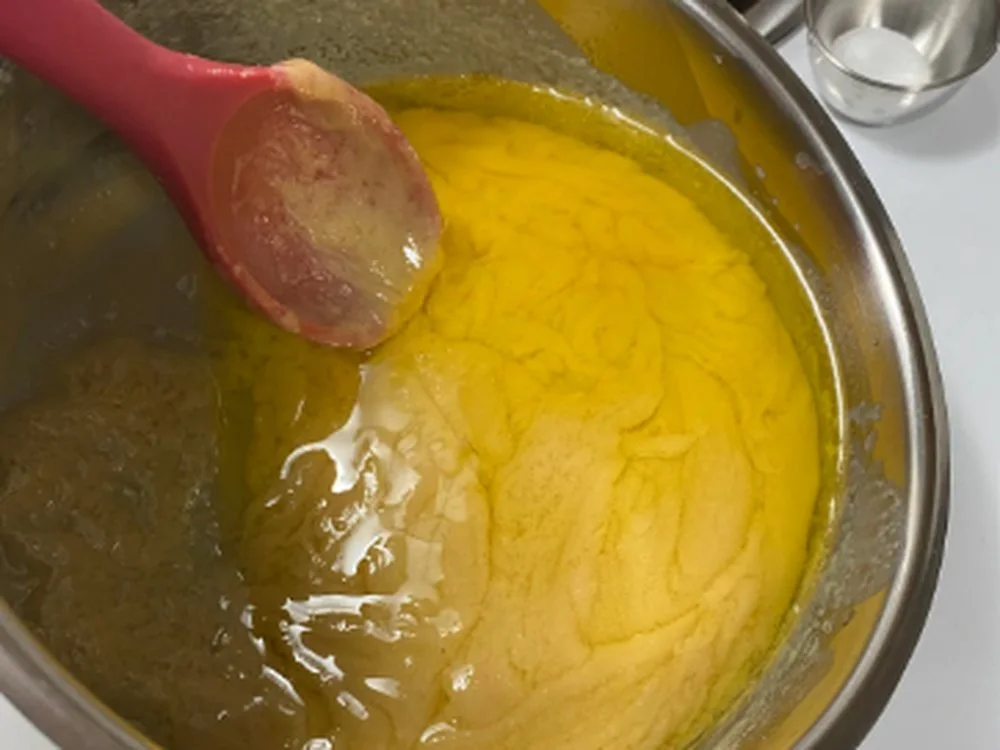
Why Caramel Crystallizes Instead of Staying Glossy
A grainy wet caramel may be redissolved, but first let it cool enough to add water safely.
Read the guide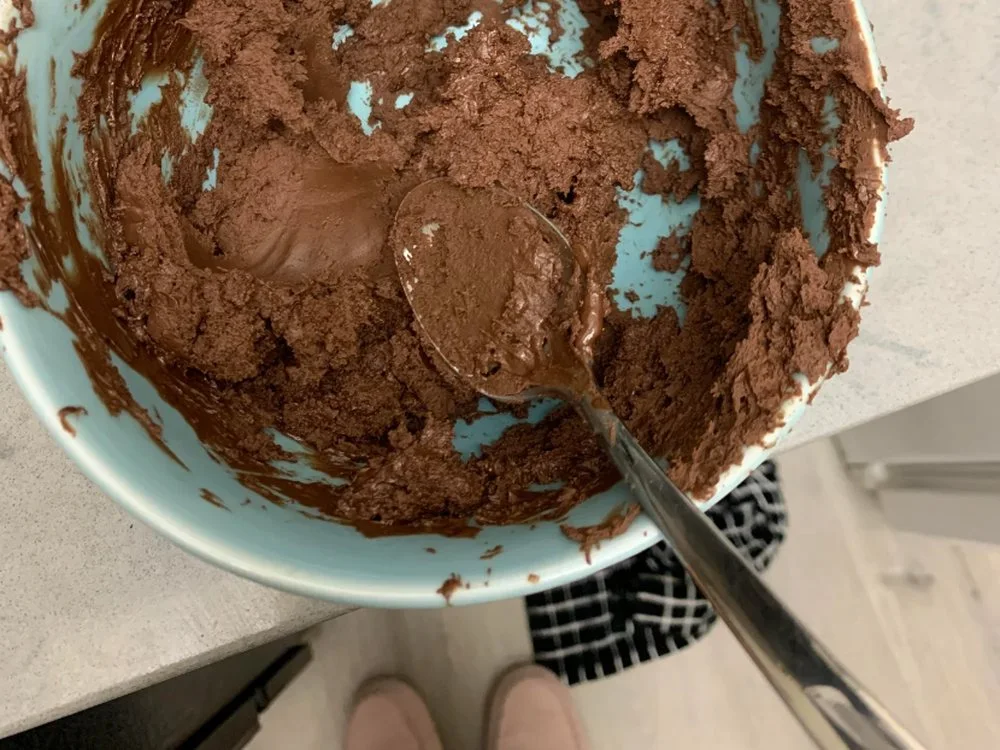
Why Chocolate Seizes or "Burns" While Melting
Separate seizing from scorching. A thickened mass may be reusable; a burned flavor is not repairable.
Read the guide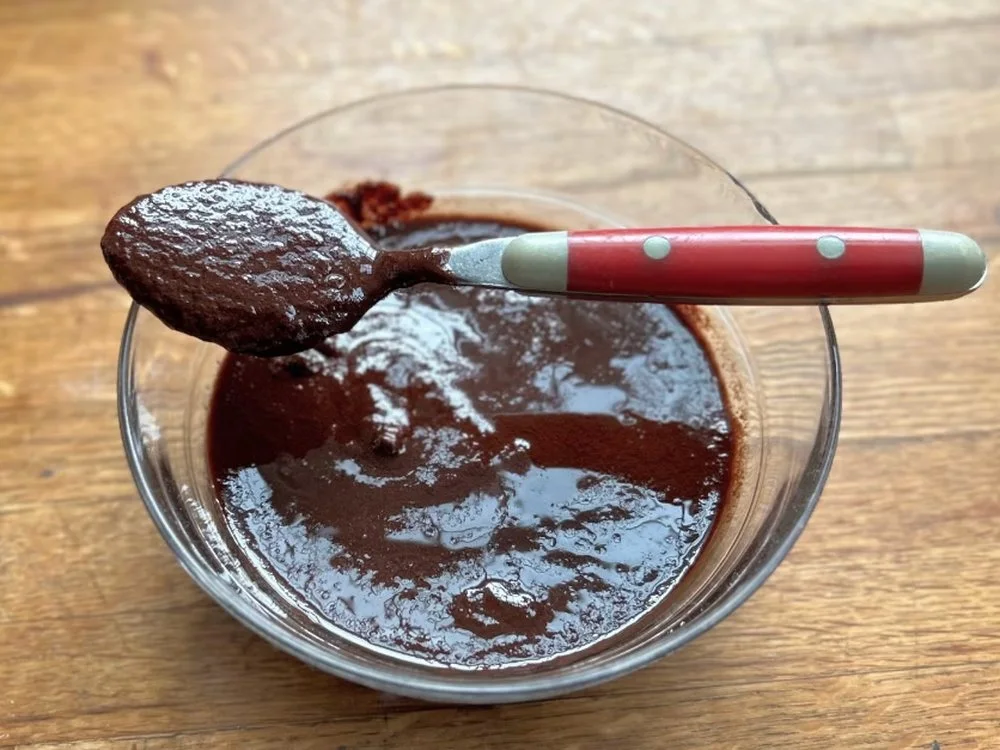
Why Chocolate Ganache Breaks or Separates
An oily ganache may need a small liquid adjustment and gentle mixing, not another handful of chocolate.
Read the guide