Desserts & chocolate / GUIDE 26
Why Caramel Crystallizes Instead of Staying Glossy
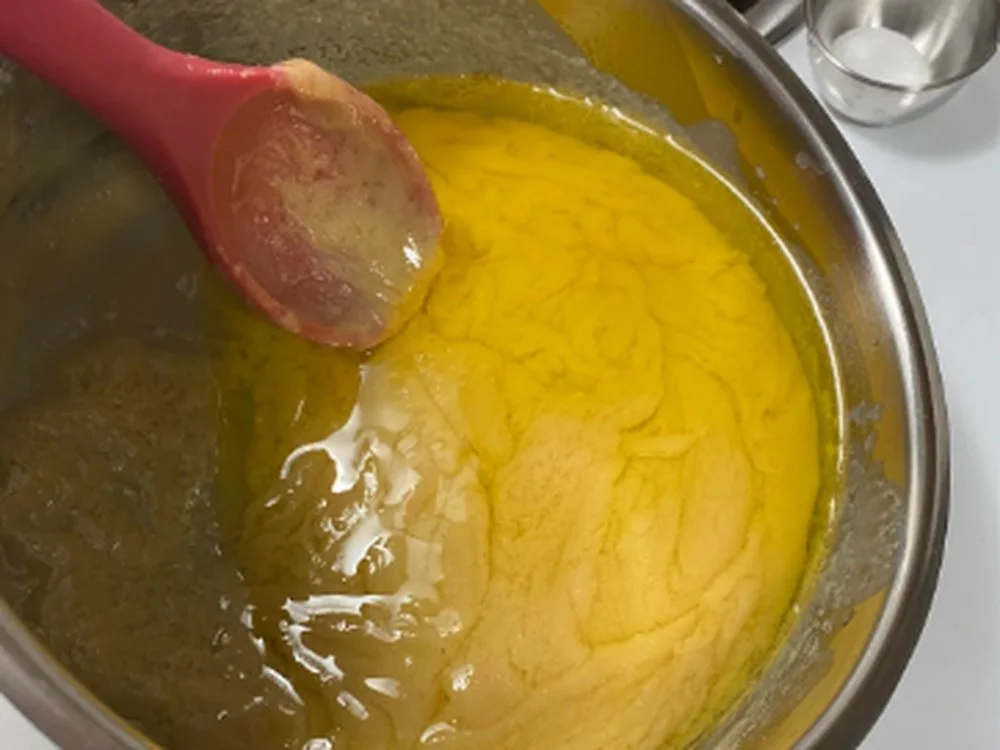
A grainy wet caramel may be redissolved, but first let it cool enough to add water safely.
01 / READ THE SIGNS
Start with what you can observe.
Look for the pattern that matches your result before changing the recipe.
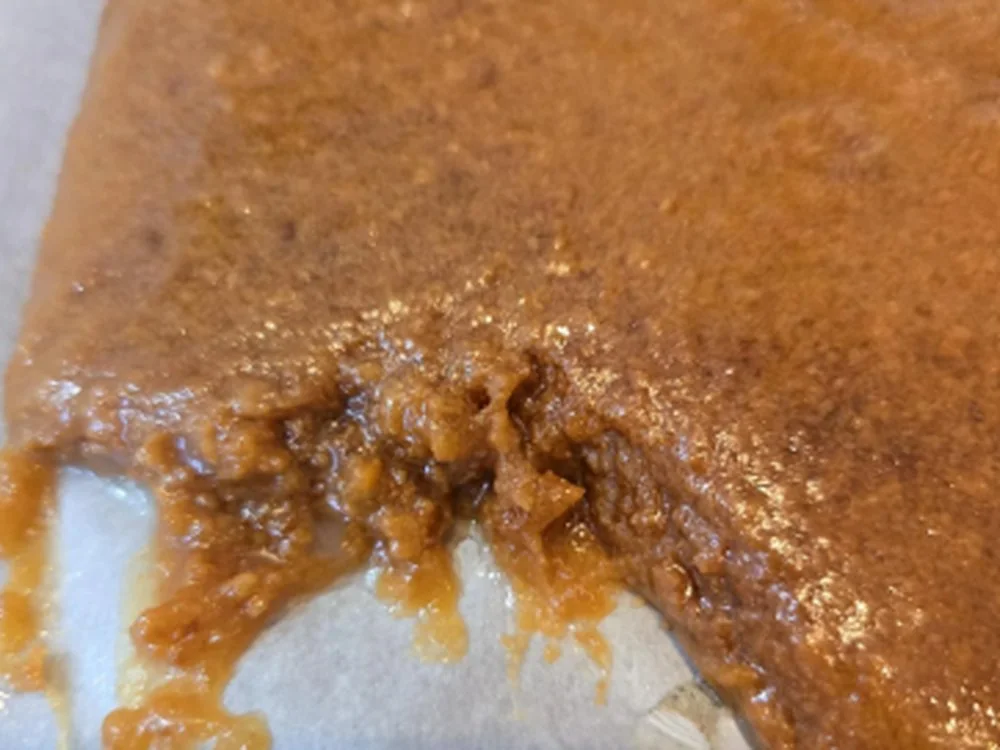
- Opaque sugar crystals appear: crystallization has begun.
- Dark smoke and bitterness: the sugar is burning instead.
- Only sugar on the pan wall: keep it from falling into the syrup.
02 / RIGHT NOW
Can you save this batch?
For a crystallized wet caramel, remove from heat and allow it to cool before cautiously adding water to dissolve the sugar again. Reheat gently using the recipe's method. Never pour water into very hot caramel: violent steam and splattering can cause serious burns.
03 / THE NEXT ATTEMPT
Make the change that matters.
- Start with a clean pan and dissolve the sugar as directed.
- Once boiling, avoid introducing crystals from dirty utensils or the sides.
- Use the recipe's specified acid or glucose, if any, rather than adding arbitrary quantities.
04 / A LITTLE UNDERSTANDING
What's happening underneath.
A concentrated sugar syrup can crystallize when seed crystals provide a starting point. Caramelization and crystallization are different processes: one develops color and flavor through heat; the other creates an ordered sugar structure.
Do not touch or taste hot caramel, even if it looks cool enough.
05 / ONE GOOD QUESTION
Can I stir a dry caramel?
Dry and wet caramel methods differ. Follow the technique for your recipe; a blanket never-stir rule does not fit every caramel method.
06 / KEEP READING
References & related reading
Continue with these external resources on the relevant technique or safety guidance. They are independent of Rosu.
A note for your next attempt.
Record one change and what happened. Notes stay in this browser; they are not sent to Rosu.
Found something that needs a closer look? Send a correction. Read our editorial approach and food safety essentials.
FOLLOW THE THREAD
A little more useful reading.
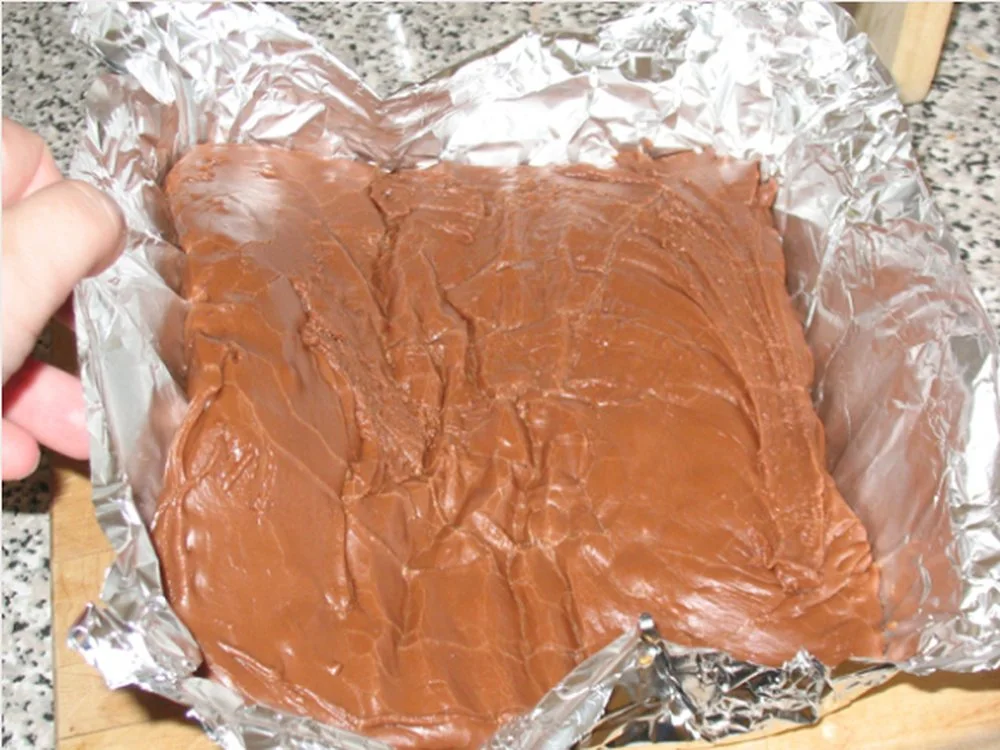
Why Fudge Turns Out Grainy Instead of Smooth
Traditional fudge needs controlled crystallization. Coarse crystals can form if the cooling and beating stages are mistimed.
Read the guide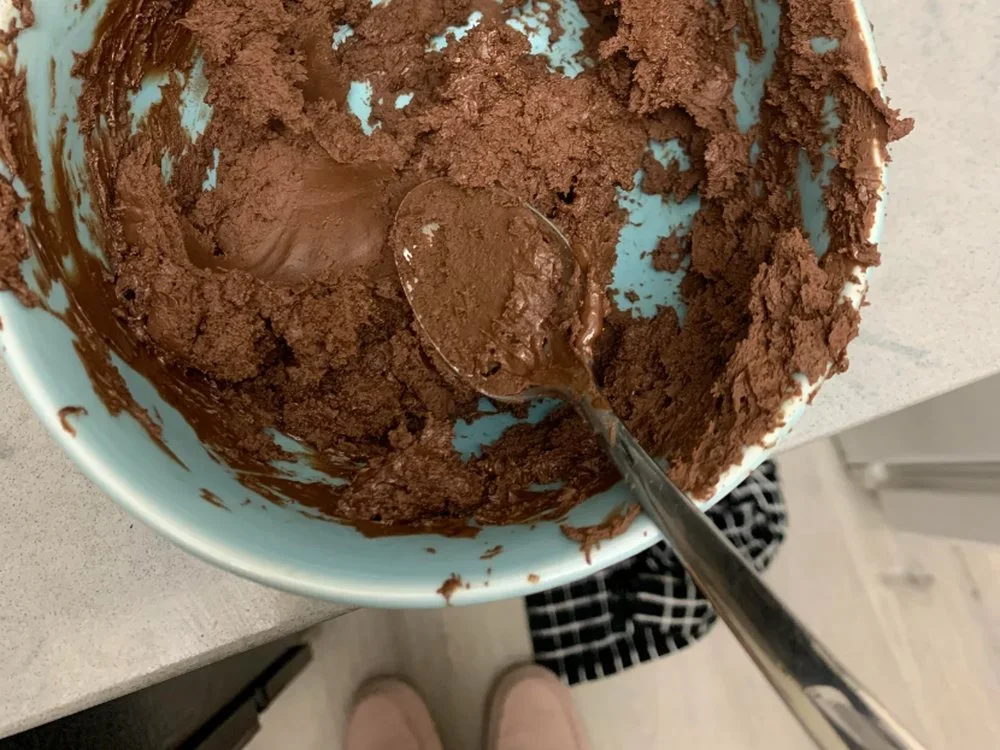
Why Chocolate Seizes or "Burns" While Melting
Separate seizing from scorching. A thickened mass may be reusable; a burned flavor is not repairable.
Read the guide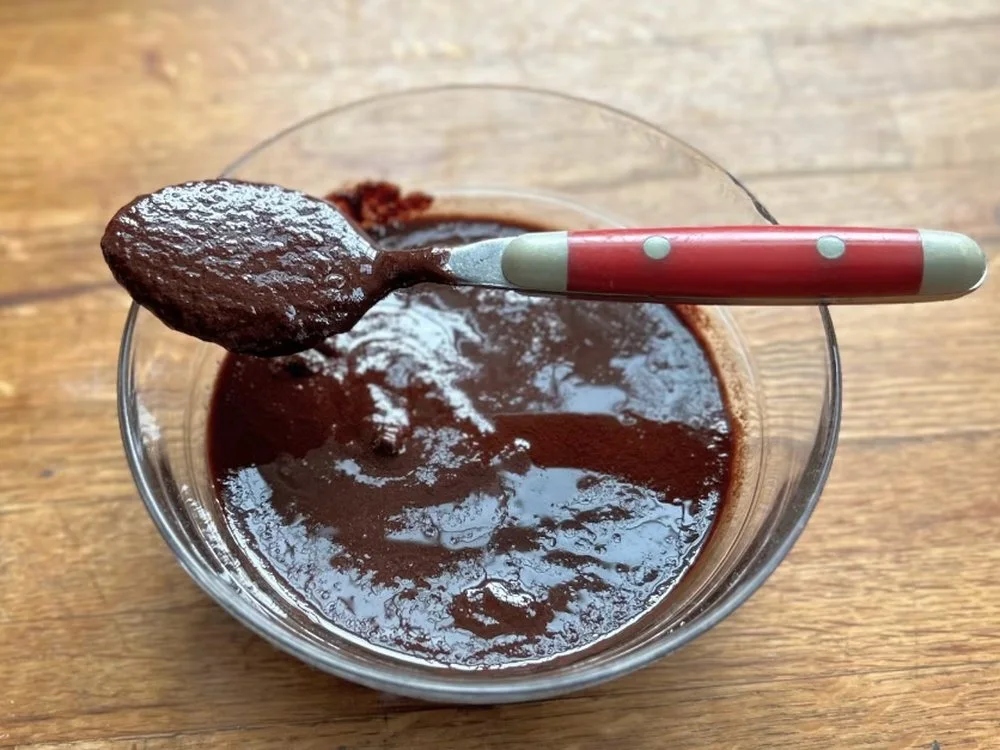
Why Chocolate Ganache Breaks or Separates
An oily ganache may need a small liquid adjustment and gentle mixing, not another handful of chocolate.
Read the guide