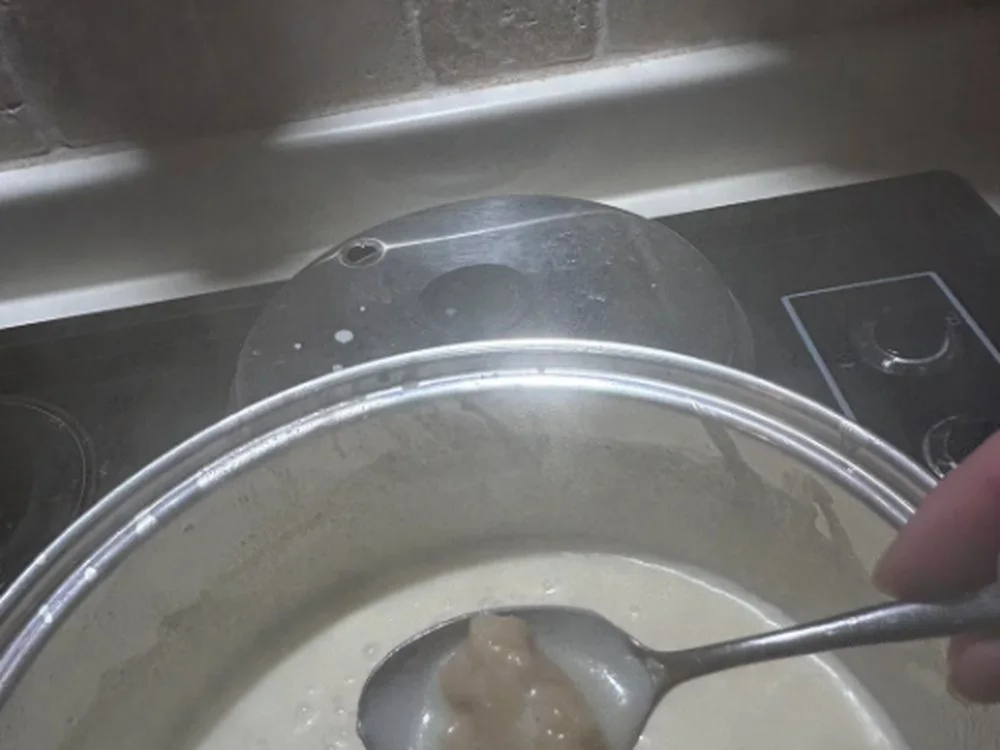
Why Your Béchamel Comes Out Lumpy
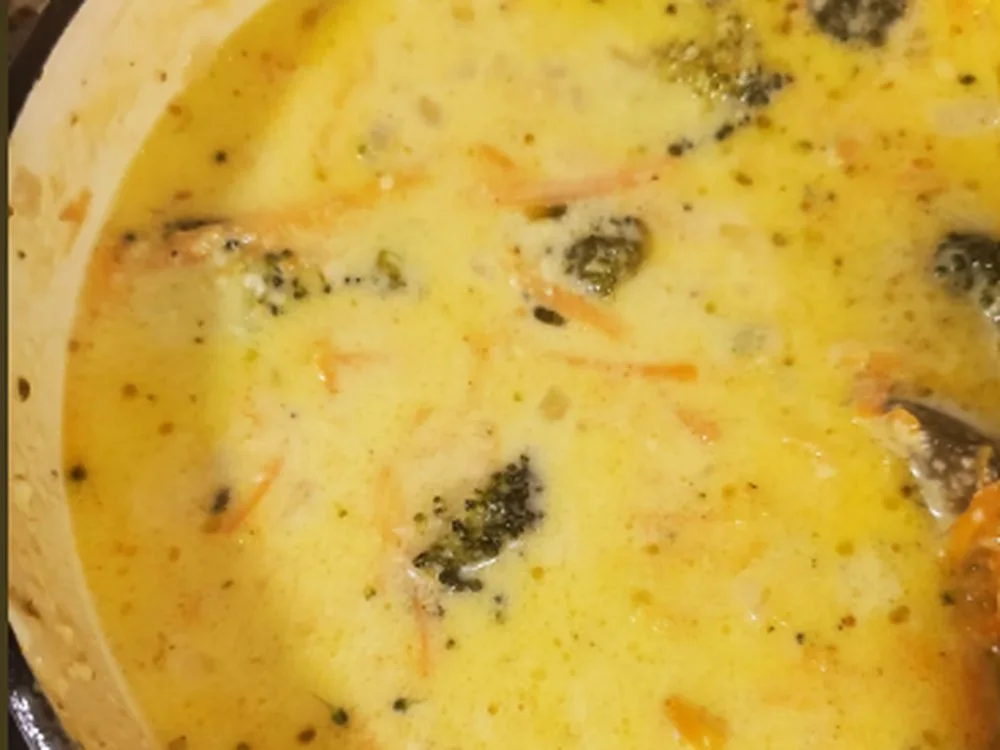
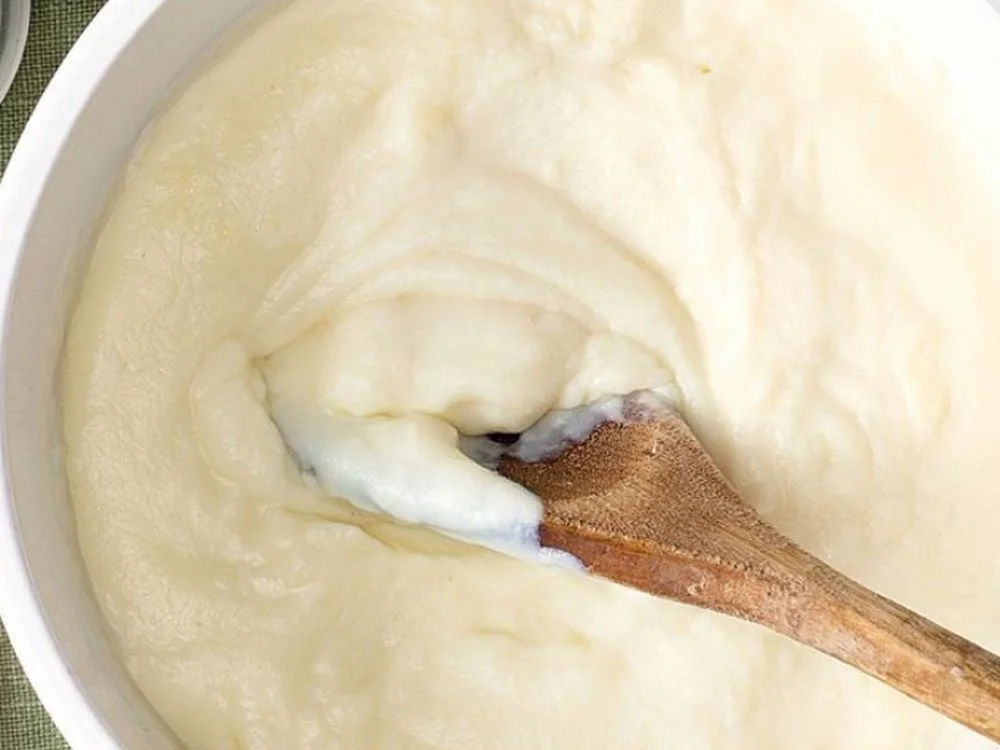
Take the sauce off the heat and break up the lumps before cooking it further.
Read the guideA field guide for
the everyday cook.
THE SAUCES & FLAVOR EDIT · 12 GUIDES
Smooth textures, balanced seasoning and a pan worth scraping. Choose the question that looks most like yours.
Take the sauce off the heat and break up the lumps before cooking it further.
Read the guideStop adding fat. A broken emulsion needs a stable starting point, not more oil.
Read the guideTaste a spoonful before changing the whole pot. Sweetness can balance sharpness without removing acid.
Read the guideChoose between reducing and thickening. Reducing an already salty sauce can make it worse.
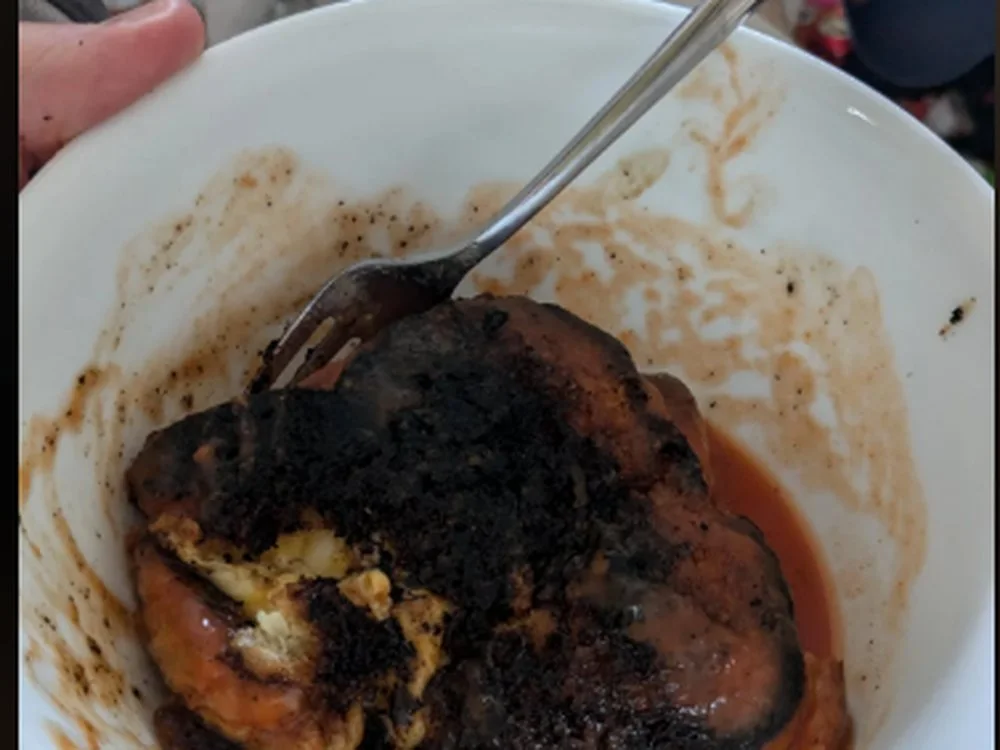
Read the guideStop stirring as soon as you suspect scorching. Transfer the unburned sauce without scraping the bottom.
Read the guideAdd enough liquid to cover the browned deposits and let it simmer. Black burned residue should not become sauce.
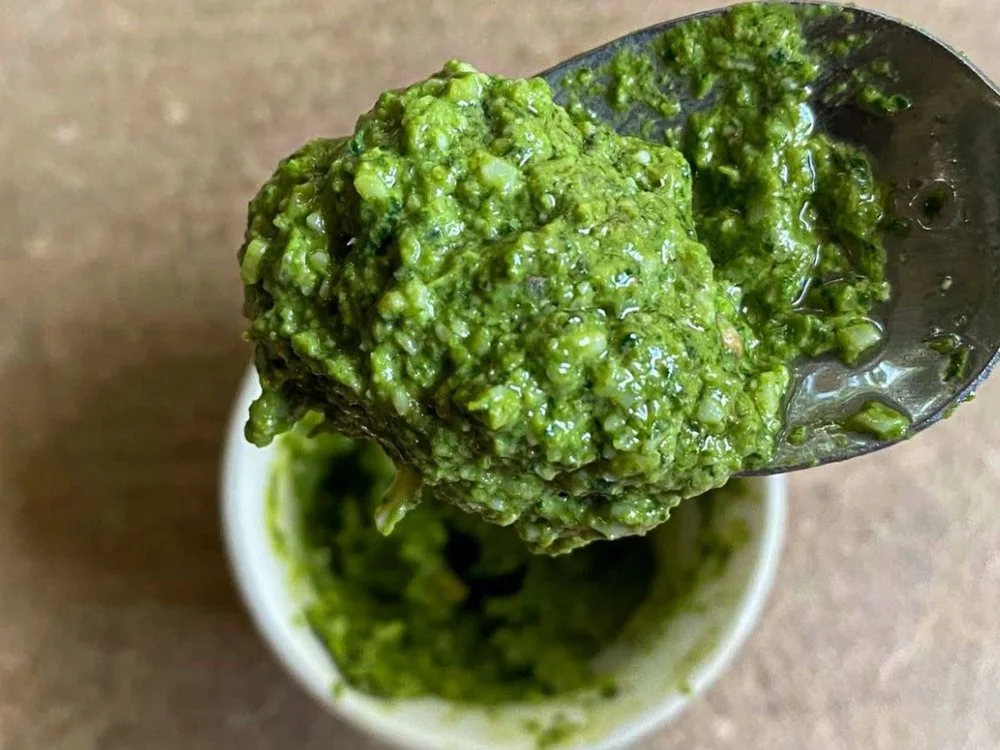
Read the guideReduce air exposure and avoid excessive processing heat. Brown color alone does not tell you whether pesto is safe.
Read the guideA gravy can be thick before its flavor is ready. Keep the heat controlled and give the flour time to cook.
Read the guideSeparation is normal in a simple oil-and-vinegar dressing. Shake again unless you need a longer-lasting emulsion.
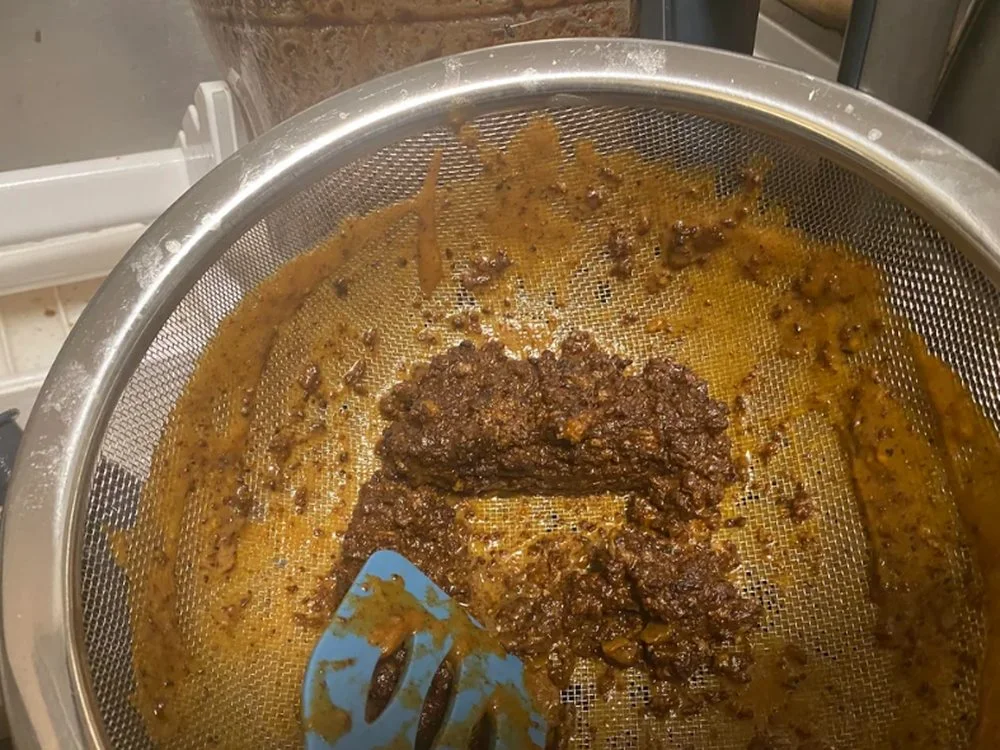
Read the guideOil on top is not always a fault. Some curry methods deliberately separate fat to develop flavor.
Read the guideTake the pan off direct heat before adding more cheese. More heat often worsens graininess.
Read the guideStop adding salt and compare small samples. The missing element may be aroma, acidity or concentration.
Read the guide