Sauces & flavor / GUIDE 13
Why Your Béchamel Comes Out Lumpy
Take the sauce off the heat and break up the lumps before cooking it further.
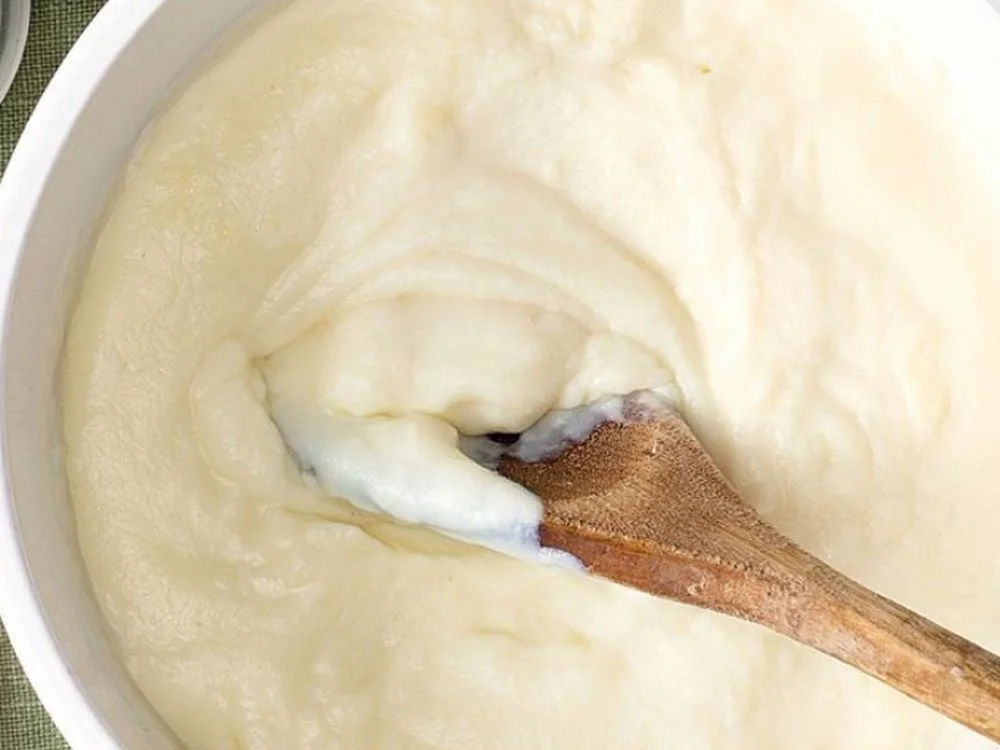
01 / READ THE SIGNS
Start with what you can observe.
Look for the pattern that matches your result before changing the recipe.
- Soft lumps that smear: poorly dispersed flour is likely.
- A smooth sauce turned grainy after cheese: use the cheese-sauce guide.
- Dark specks with a burned smell: the bottom may have scorched.
02 / RIGHT NOW
Can you save this batch?
Whisk firmly off the heat. For stubborn flour lumps, pass the sauce through a fine sieve, then return it to gentle heat to finish cooking. An immersion blender can help in a deep enough container, but guard against hot splashes. Straining changes consistency if much flour is removed.
03 / THE NEXT ATTEMPT
Make the change that matters.
- Mix flour thoroughly into the melted fat before adding liquid.
- Add an initial portion of milk and whisk until completely smooth before adding more.
- Stir across the bottom and corners as the sauce thickens, reducing heat as needed.

04 / A LITTLE UNDERSTANDING
What's happening underneath.
Starch must be dispersed before it swells in hot liquid. If dry flour remains inside a clump, its outside can thicken first and trap the powder. Both warm- and cold-milk methods can work; gradual incorporation and effective whisking matter more than a supposed temperature-shock rule.
Do not sprinkle dry flour straight into the finished hot sauce.
05 / ONE GOOD QUESTION
Can I strain out the lumps and serve immediately?
Finish cooking the sauce as the recipe directs after straining. Removing lumps does not establish that the flour has cooked sufficiently.
06 / KEEP READING
References & related reading
Continue with these external resources on the relevant technique or safety guidance. They are independent of Rosu.
A note for your next attempt.
Record one change and what happened. Notes stay in this browser; they are not sent to Rosu.
Found something that needs a closer look? Send a correction. Read our editorial approach and food safety essentials.
FOLLOW THE THREAD
A little more useful reading.

Why Your Sauce Stays Thin No Matter How Long You Cook It
Choose between reducing and thickening. Reducing an already salty sauce can make it worse.
Read the guide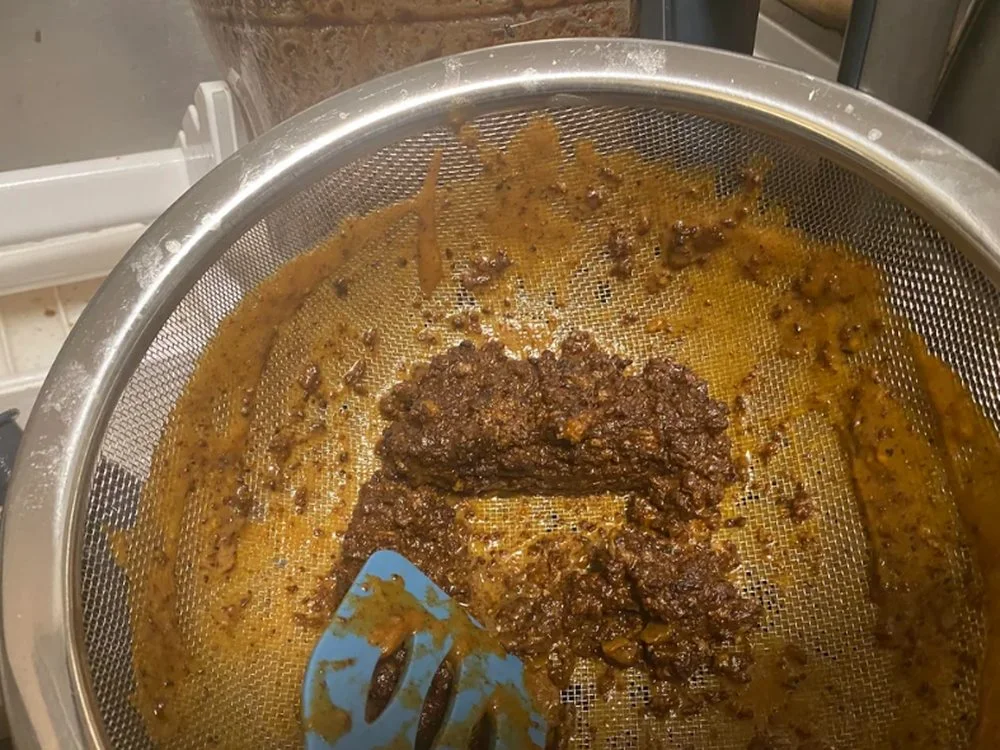
Why Gravy Tastes Like Raw Flour
A gravy can be thick before its flavor is ready. Keep the heat controlled and give the flour time to cook.
Read the guide
Why Cheese Sauce Turns Grainy or Stringy
Take the pan off direct heat before adding more cheese. More heat often worsens graininess.
Read the guide