Sauces & flavor / GUIDE 45
Why Gravy Tastes Like Raw Flour
A gravy can be thick before its flavor is ready. Keep the heat controlled and give the flour time to cook.
01 / READ THE SIGNS
Start with what you can observe.
Look for the pattern that matches your result before changing the recipe.
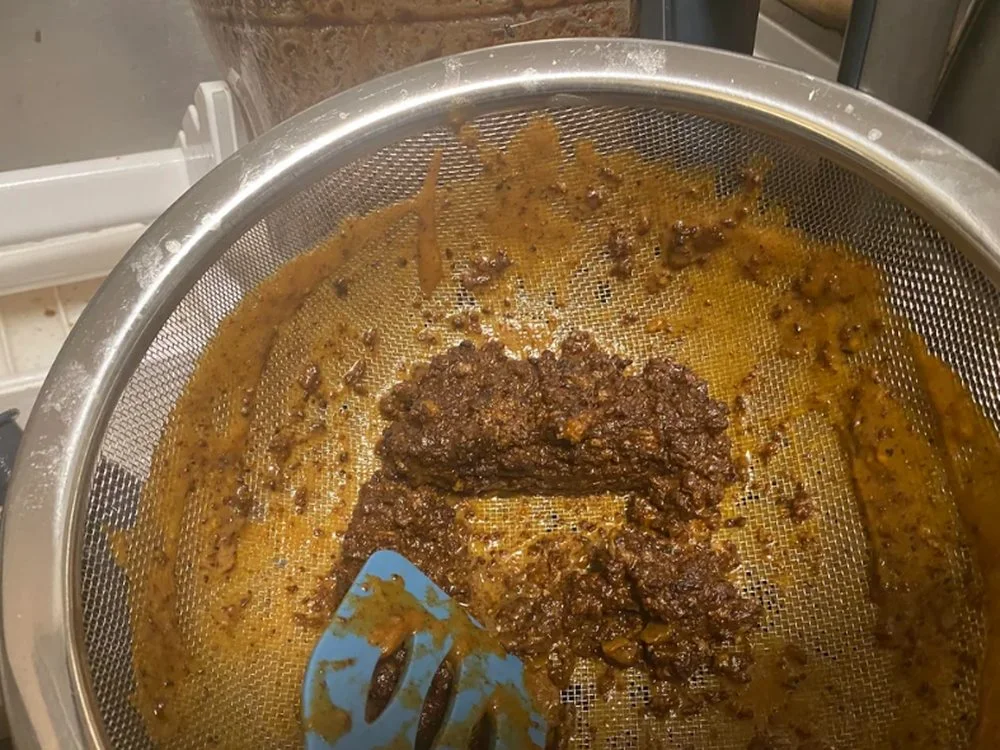
- Pasty taste with excessive thickness: too much flour may be involved.
- Floury pockets: dispersion was incomplete.
- Bitter dark flavor: scorching is a separate problem.
02 / RIGHT NOW
Can you save this batch?
For a smooth but floury gravy, simmer gently, stirring the base, and loosen with compatible stock if it becomes too thick. Taste a cooled spoonful after a few minutes. If there are flour lumps, strain or blend carefully before finishing the cooking.
03 / THE NEXT ATTEMPT
Make the change that matters.
- Disperse flour in fat to make the roux as directed.
- Whisk liquid in smoothly before adding the rest.
- Allow the finished gravy its cooking time, then adjust consistency and seasoning.
04 / A LITTLE UNDERSTANDING
What's happening underneath.
Starch thickening and the development of a cooked flour flavor are related but not identical checkpoints. Thickening alone is not a reason to stop. A darker roux also behaves differently from a pale one and has different flavor and thickening power.
Do not dust extra dry flour into the hot gravy when it appears thin.
05 / ONE GOOD QUESTION
Can I replace flour with cornstarch?
Yes only with an adjusted method and amount. Cornstarch gives a different texture and is normally dispersed in cold liquid before addition, not treated exactly like a flour roux.
06 / KEEP READING
References & related reading
Continue with these external resources on the relevant technique or safety guidance. They are independent of Rosu.
A note for your next attempt.
Record one change and what happened. Notes stay in this browser; they are not sent to Rosu.
Found something that needs a closer look? Send a correction. Read our editorial approach and food safety essentials.
FOLLOW THE THREAD
A little more useful reading.
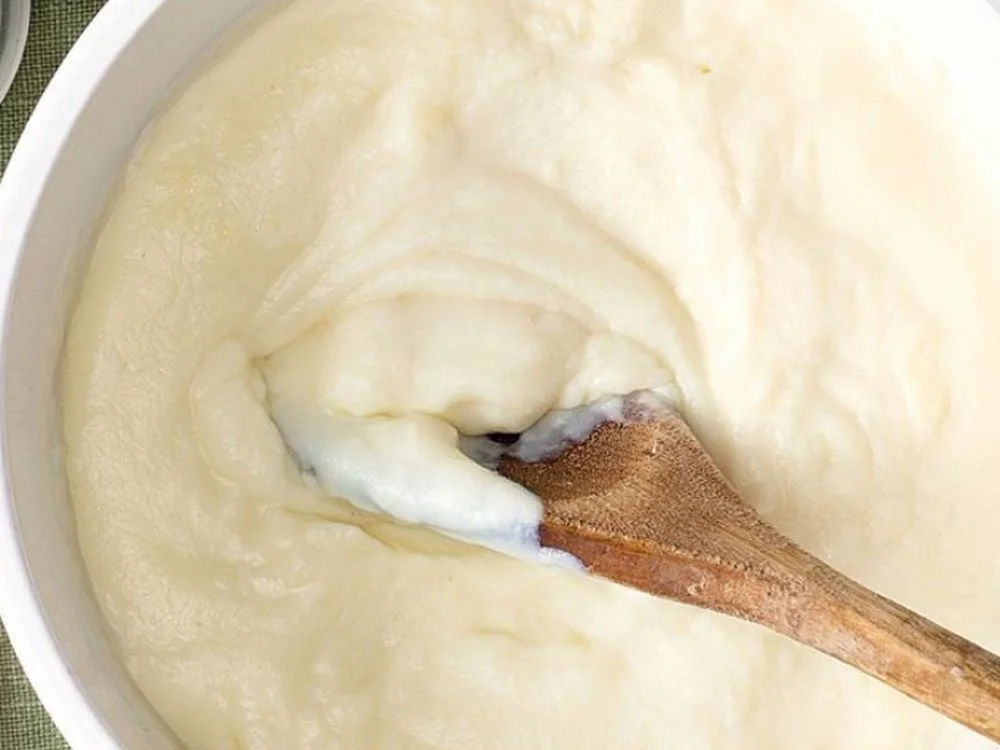
Why Your Béchamel Comes Out Lumpy
Take the sauce off the heat and break up the lumps before cooking it further.
Read the guide
Why Your Sauce Stays Thin No Matter How Long You Cook It
Choose between reducing and thickening. Reducing an already salty sauce can make it worse.
Read the guide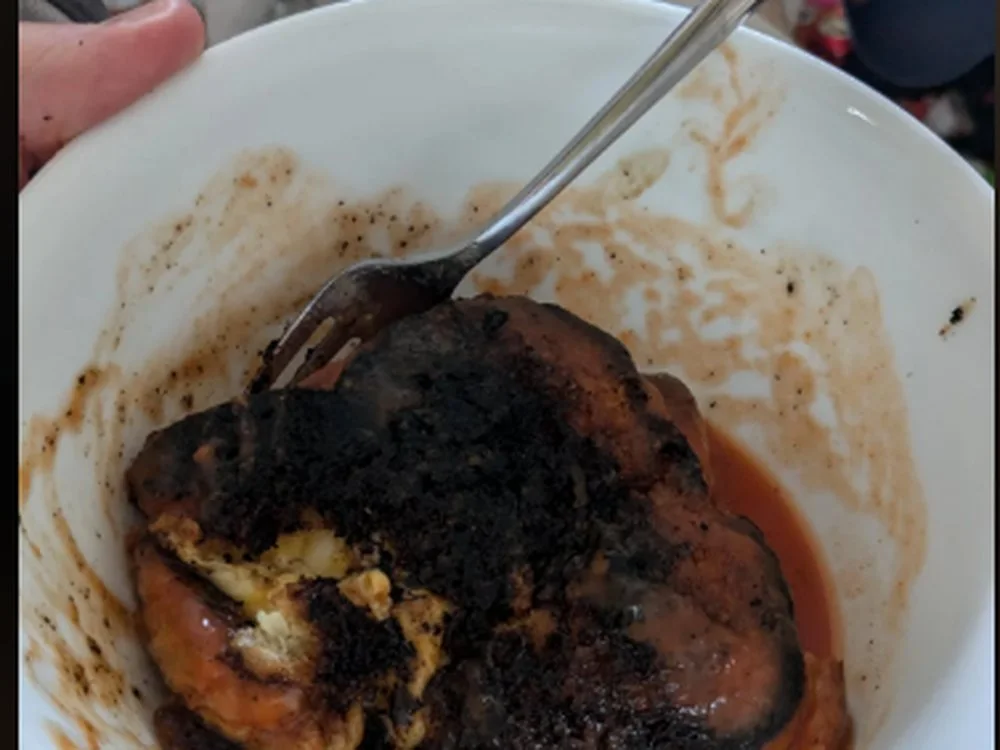
Why Sauce Burns on the Bottom Even With Constant Stirring
Stop stirring as soon as you suspect scorching. Transfer the unburned sauce without scraping the bottom.
Read the guide