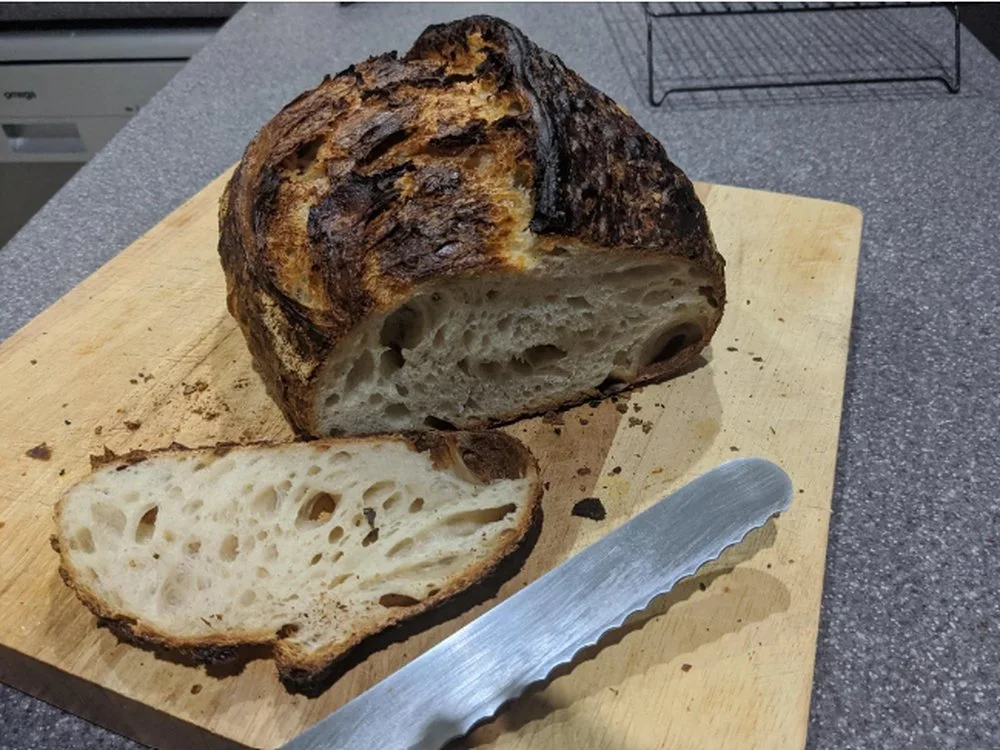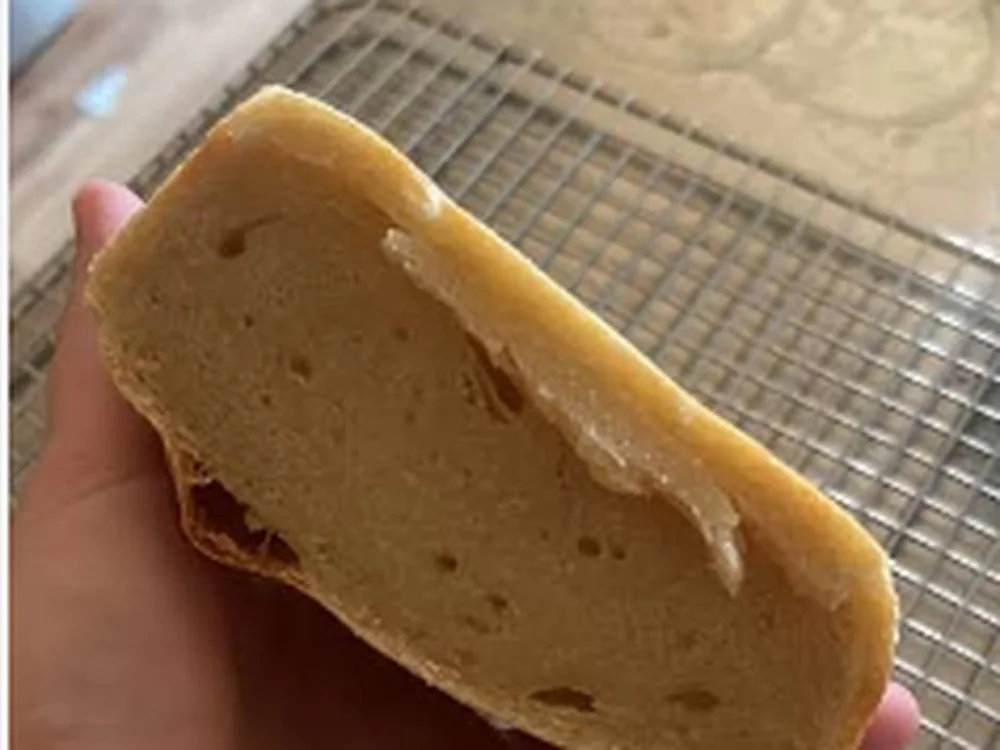
Why Your Bread Comes Out Dense Instead of Airy
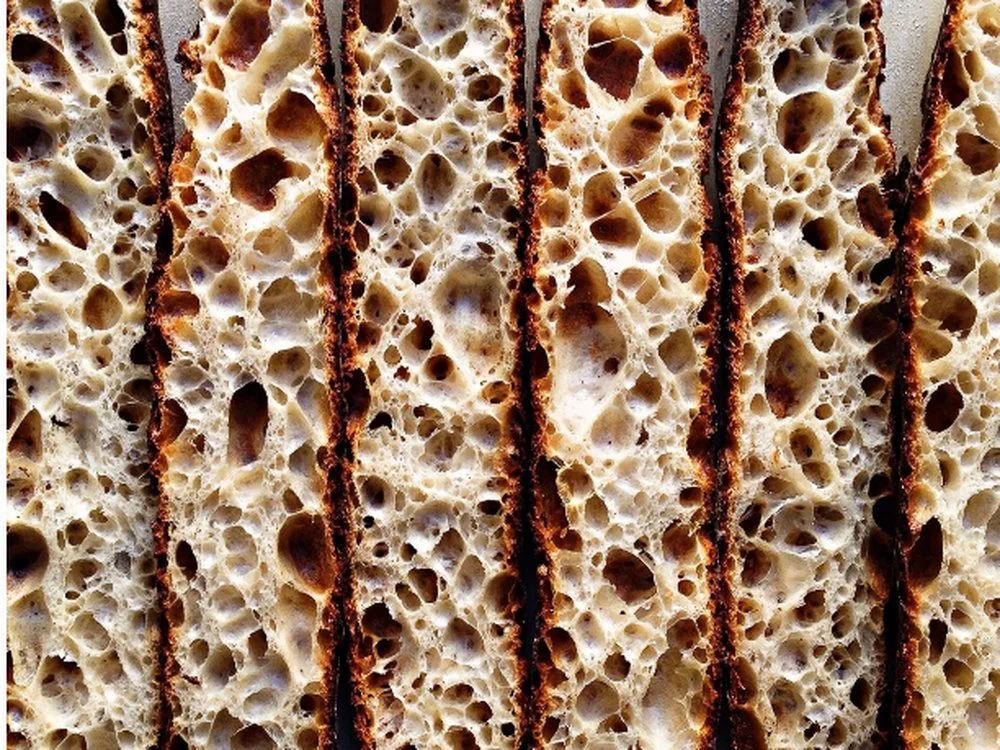
A tight crumb starts before the oven. Check fermentation and dough strength before adding more yeast.
Read the guideA field guide for
the everyday cook.
THE BREAD & DOUGH EDIT · 12 GUIDES
Fermentation, shaping, crumb and crust. Choose the question that looks most like yours.
A tight crumb starts before the oven. Check fermentation and dough strength before adding more yeast.
Read the guideBefore replacing the yeast, find out whether the dough is inactive or simply cold.
Read the guideProtect a darkening crust and give the center time to finish; increasing the heat makes the mismatch worse.
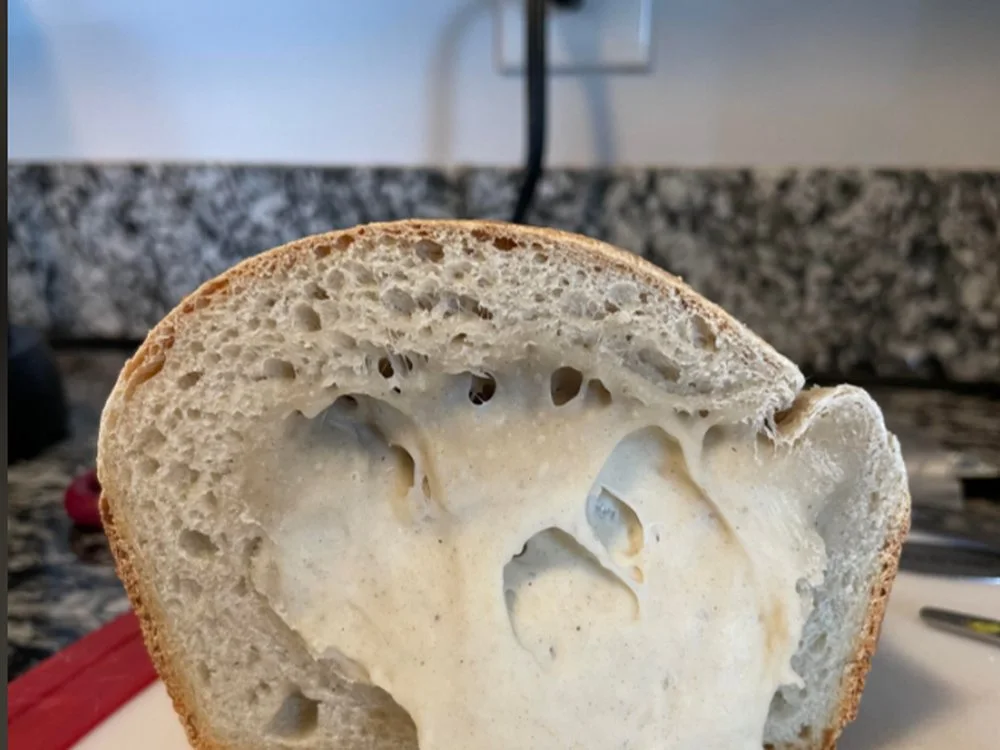
Read the guideA few large holes may be normal. A tunnel under the crust or dense dough around a cavity tells a different story.
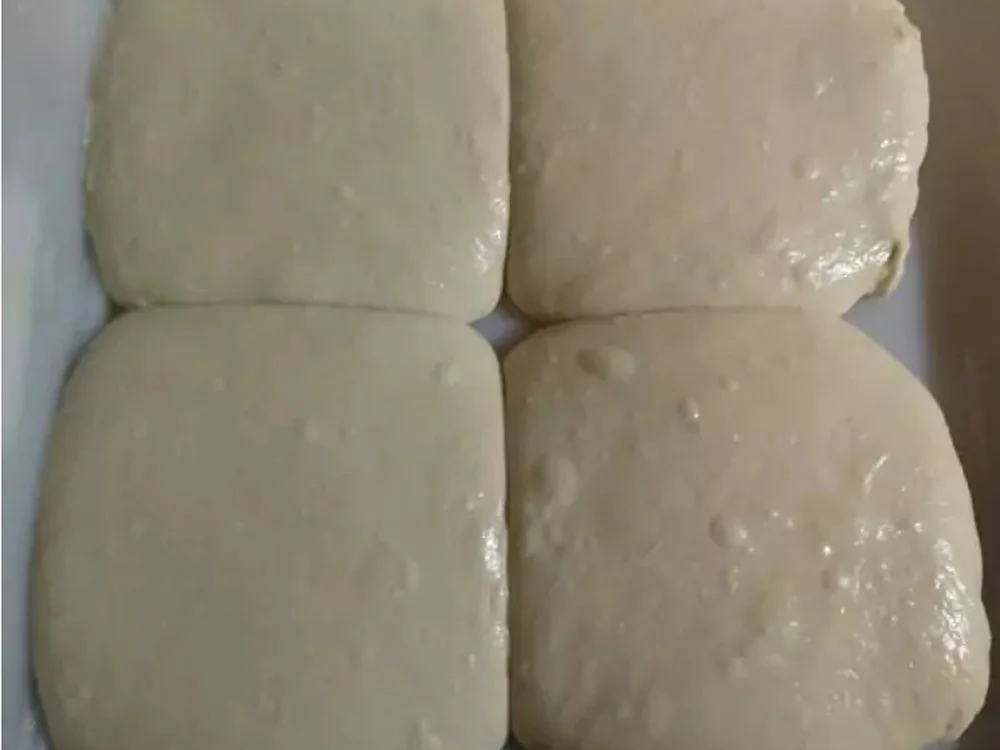
Read the guideSticky is not the same as unworkable. Rest the dough and use a scraper before burying it in flour.
Read the guideCollapse usually means the loaf's structure could not support itself. Check proofing and baking separately.
Read the guideCheck salt measurement before extending fermentation. A beautiful loaf can still be underseasoned.
Read the guideWork out whether the base never baked properly or became damp during cooling.
Read the guideIf dough springs back, rest it. If it tears without resistance, investigate strength and fermentation.
Read the guideBread can stale without simply drying out. Freeze portions you will not use soon.
Read the guideA chewy bagel needs the right dough as well as a water bath. Boiling alone cannot turn a soft roll formula into a bagel.
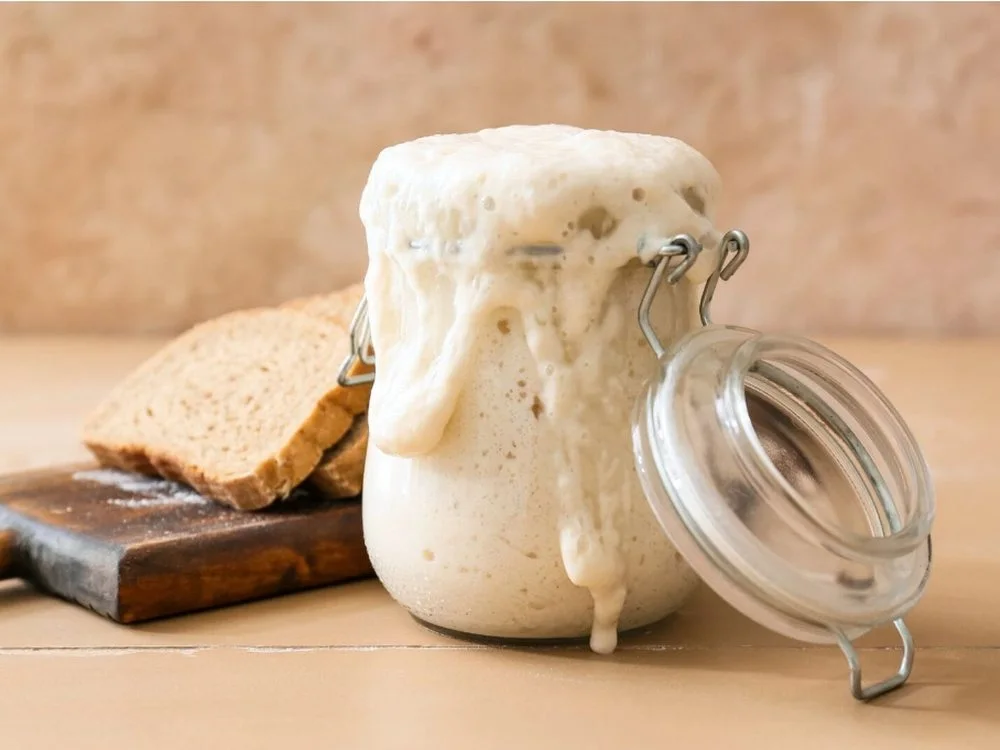
Read the guideA new starter often has a quiet phase. Judge it by repeated rise after feeding, not one burst of bubbles.
Read the guide