Bread & dough / GUIDE 02
Why Your Dough Never Rises at All
Before replacing the yeast, find out whether the dough is inactive or simply cold.

01 / READ THE SIGNS
Start with what you can observe.
Look for the pattern that matches your result before changing the recipe.
- Cold dough with a few bubbles: fermentation may be slow rather than absent.
- No activity after adequate time: check yeast storage, expiry and the mixing liquid temperature.
- A very sweet or rich dough: sugar and fat can make the rise take longer.
02 / RIGHT NOW
Can you save this batch?
Cover the dough and move it to a comfortably warm, measured location. Recheck its volume rather than repeatedly kneading it. If the yeast is dead, the original rise cannot resume without reformulating the dough; use a reliable restart method or begin a fresh batch.
03 / THE NEXT ATTEMPT
Make the change that matters.
- Use the liquid temperature specified on the yeast packet or in the recipe.
- Keep dough covered so a dry skin does not restrict expansion.
- Use a marked container and allow extra time in a cool kitchen; avoid an unmeasured oven with its light on, which can become too hot.
04 / A LITTLE UNDERSTANDING
What's happening underneath.
Fermentation rate changes with dough temperature, yeast quantity and the recipe. Salt slows yeast at normal recipe levels but brief contact in a flour mixture does not automatically kill it. That common explanation can distract from cold dough or damaged yeast.
Do not put the bowl on a hot radiator or turn the oven on around it.
05 / ONE GOOD QUESTION
Does instant yeast need proofing in water?
Usually not; many instant yeasts are mixed straight into flour. Follow the manufacturer's directions rather than adding an unnecessary activation step.
06 / KEEP READING
References & related reading
Continue with these external resources on the relevant technique or safety guidance. They are independent of Rosu.
A note for your next attempt.
Record one change and what happened. Notes stay in this browser; they are not sent to Rosu.
Found something that needs a closer look? Send a correction. Read our editorial approach and food safety essentials.
FOLLOW THE THREAD
A little more useful reading.
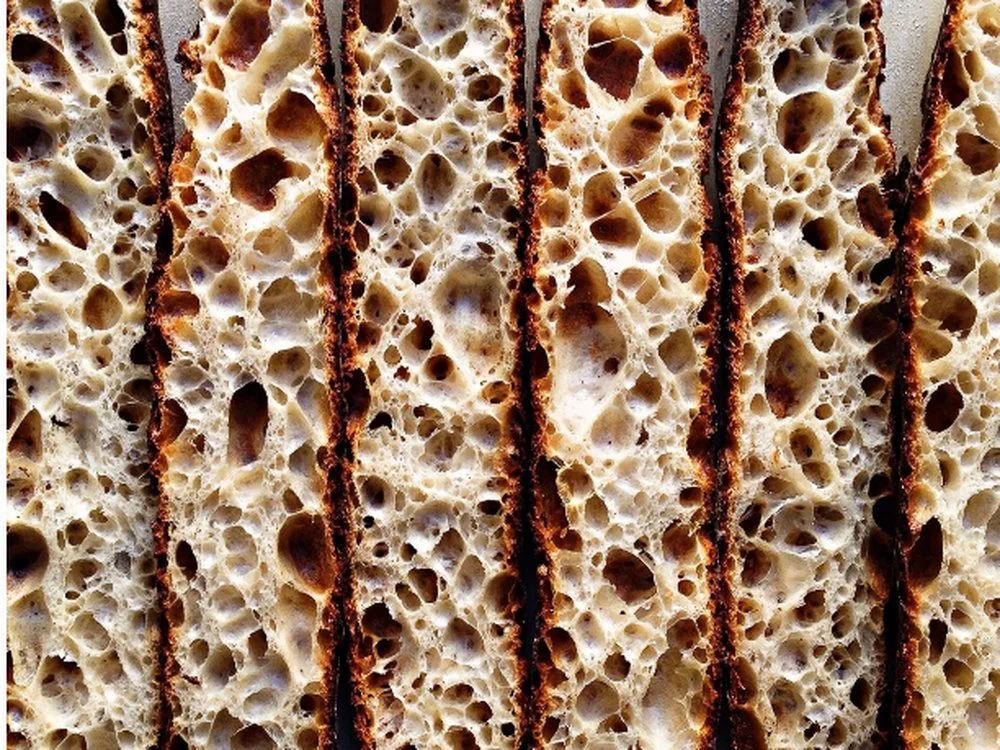
Why Your Bread Comes Out Dense Instead of Airy
A tight crumb starts before the oven. Check fermentation and dough strength before adding more yeast.
Read the guide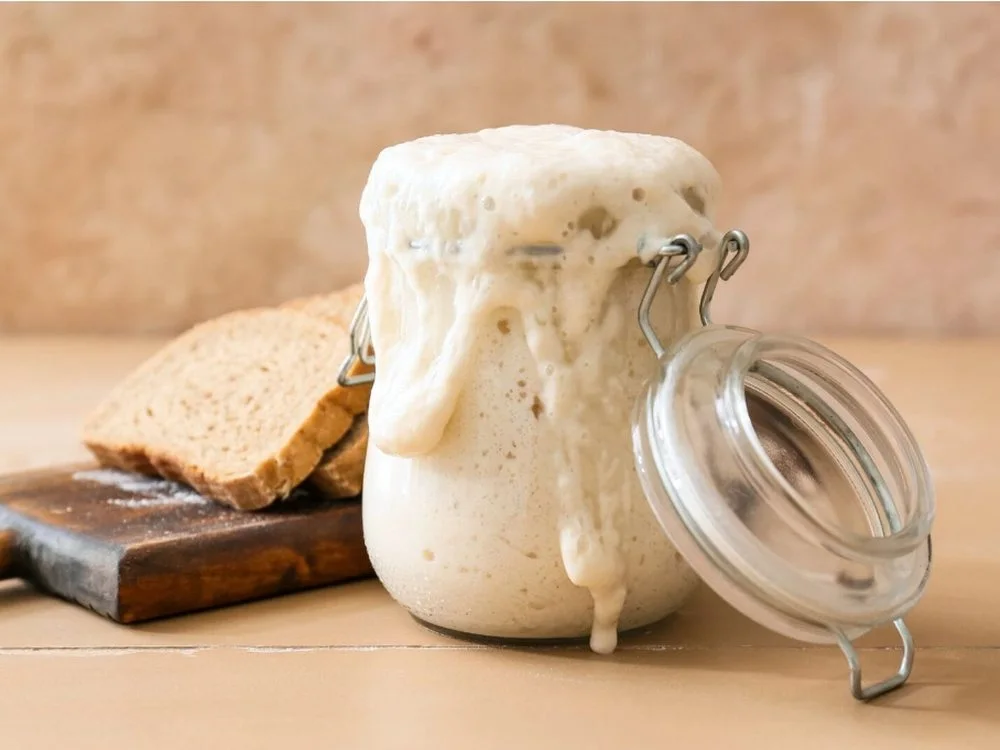
Why Your Sourdough Starter Won't Get Bubbly
A new starter often has a quiet phase. Judge it by repeated rise after feeding, not one burst of bubbles.
Read the guide
Why Bread Tastes Bland Even Though You Followed the Recipe
Check salt measurement before extending fermentation. A beautiful loaf can still be underseasoned.
Read the guide