Bread & dough / GUIDE 01
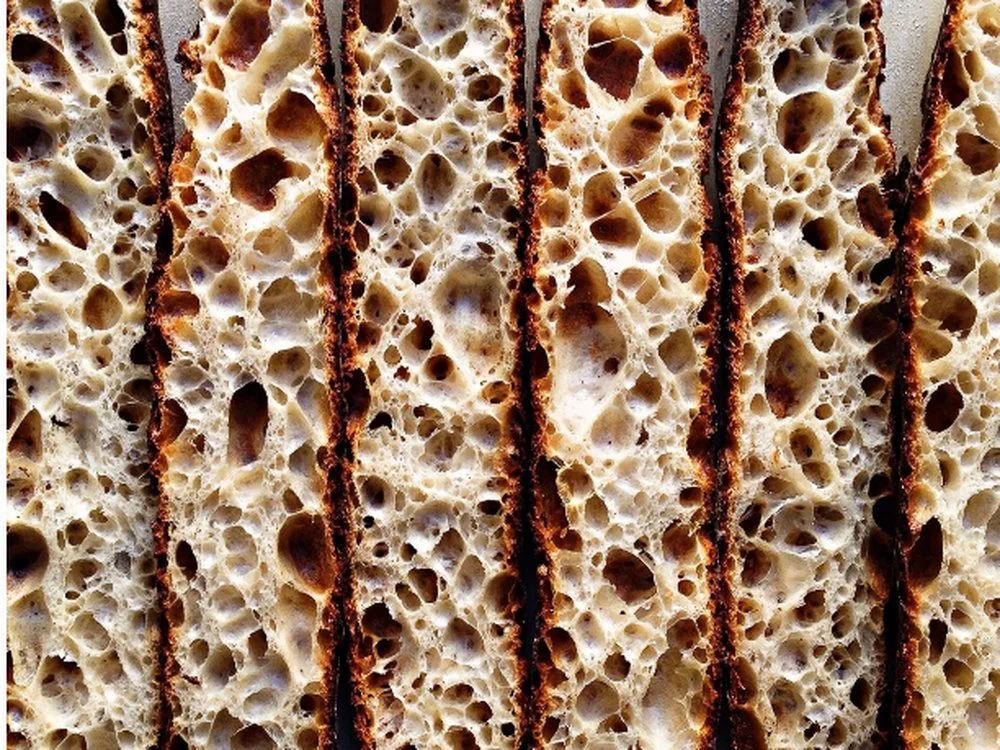
Why Your Bread Comes Out Dense Instead of Airy
A tight crumb starts before the oven. Check fermentation and dough strength before adding more yeast.
01 / READ THE SIGNS
Start with what you can observe.
Look for the pattern that matches your result before changing the recipe.
- Little growth before shaping: look at yeast activity and dough temperature.
- Good growth, but dough tears easily: it may need more gluten development.
- A dry, stiff dough: extra bench flour may have changed the recipe's water balance.
02 / RIGHT NOW
Can you save this batch?
A baked loaf cannot be made airy again. If it is fully baked and simply dense, slice it thinly for toast, croutons or breadcrumbs. A gummy center needs a different diagnosis: let the loaf cool completely before deciding it was underbaked.
03 / THE NEXT ATTEMPT
Make the change that matters.
- Weigh the flour and water; keep bench flour to a light dusting.
- Develop the dough until it becomes cohesive and stretchy, using kneading or folds appropriate to the recipe.
- Mark the starting dough level in a straight-sided container and follow the recipe's rise cues, not just its timer.
04 / A LITTLE UNDERSTANDING
What's happening underneath.
Yeast produces gas, but gas alone does not make a light loaf. The dough must retain it and the oven must set that structure. Underfermentation, weak dough and an overly dry mix can all produce density, but each calls for a different correction.
Do not compare sandwich bread with a very open sourdough crumb; the intended textures are different.
05 / ONE GOOD QUESTION
Will more yeast fix dense bread?
Not necessarily. More yeast speeds fermentation but cannot repair insufficient water or a weak dough structure. Diagnose the rise first.
06 / KEEP READING
References & related reading
Continue with these external resources on the relevant technique or safety guidance. They are independent of Rosu.
A note for your next attempt.
Record one change and what happened. Notes stay in this browser; they are not sent to Rosu.
Found something that needs a closer look? Send a correction. Read our editorial approach and food safety essentials.
FOLLOW THE THREAD
A little more useful reading.

Why Your Dough Never Rises at All
Before replacing the yeast, find out whether the dough is inactive or simply cold.
Read the guide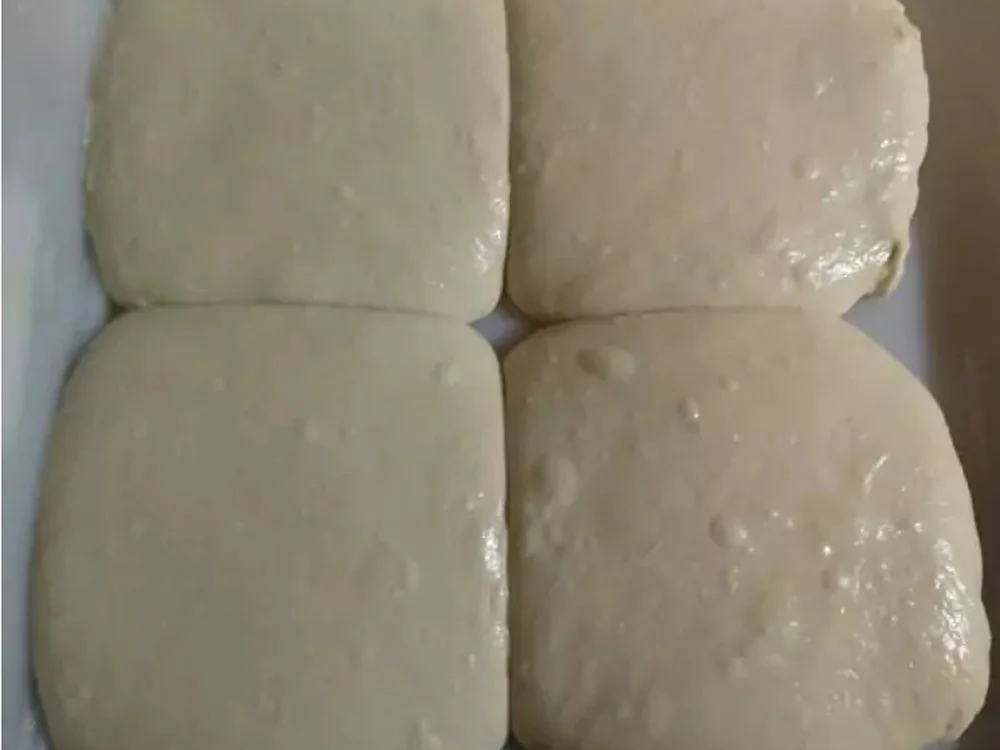
Why Your Dough Is Too Sticky to Handle
Sticky is not the same as unworkable. Rest the dough and use a scraper before burying it in flour.
Read the guide
Why Bread Deflates the Moment It Leaves the Oven
Collapse usually means the loaf's structure could not support itself. Check proofing and baking separately.
Read the guide