Bread & dough / GUIDE 05
Why Your Dough Is Too Sticky to Handle
Sticky is not the same as unworkable. Rest the dough and use a scraper before burying it in flour.
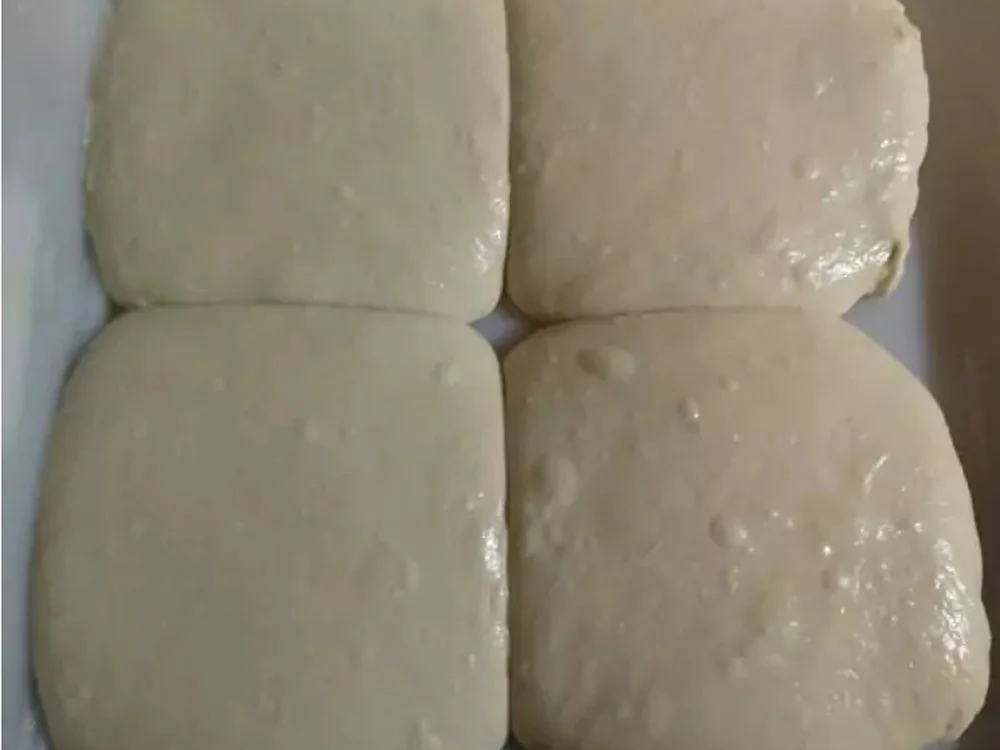
01 / READ THE SIGNS
Start with what you can observe.
Look for the pattern that matches your result before changing the recipe.
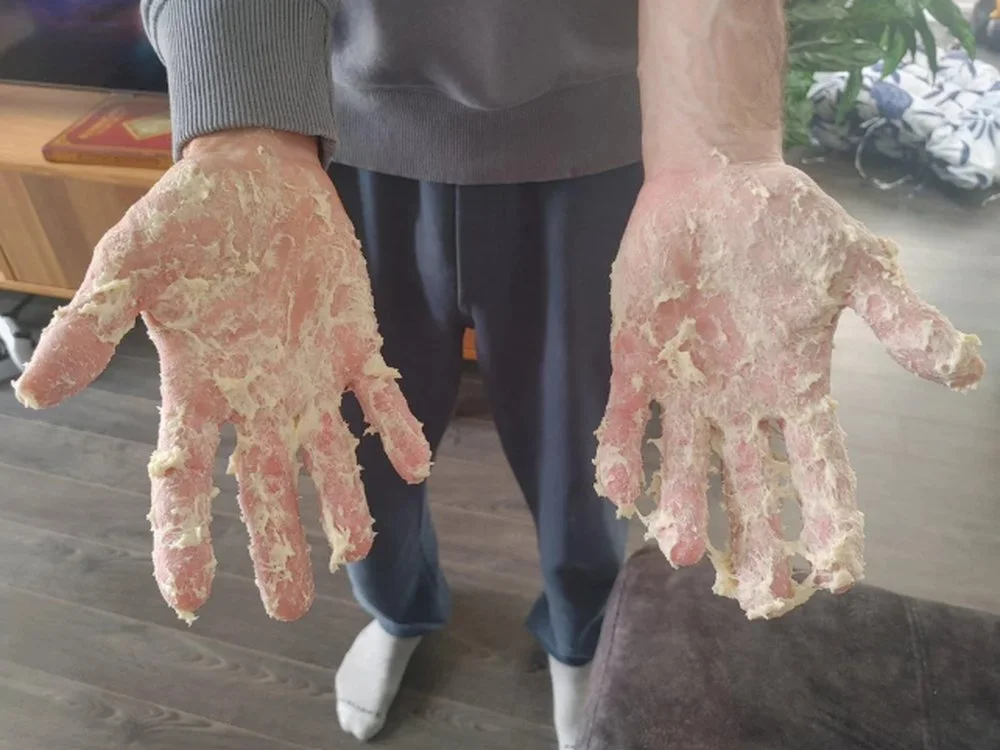
- Newly mixed and shaggy: flour may still be hydrating.
- Stretchy but tacky: a wet dough may be behaving normally.
- Previously strong, now slack and tearing: prolonged fermentation or excessive mixing may be involved.
02 / RIGHT NOW
Can you save this batch?
Cover and rest a newly mixed dough briefly, then handle with lightly damp hands and a bench scraper. If a weighing mistake made it excessively wet, correct the formula deliberately. Adding flour by repeated handfuls can turn a manageable dough into a dry loaf.
03 / THE NEXT ATTEMPT
Make the change that matters.
- Weigh water and flour, including any flour in a starter.
- Use folds for a dough designed to be wet; allow rests between sets.
- Keep the work surface lightly floured only where needed, and use the scraper to lift rather than pull.
04 / A LITTLE UNDERSTANDING
What's happening underneath.
Hydration, flour type and gluten development all affect handling. Rye and whole-grain doughs do not behave like strong white wheat dough. More kneading is therefore not a universal cure for stickiness.
Avoid adding oil or flour until the dough feels like a different recipe.
05 / ONE GOOD QUESTION
How do I calculate hydration?
Divide water weight by flour weight and multiply by 100. A mix with 350 g water and 500 g flour is 70% hydration, before accounting for other ingredients.
06 / KEEP READING
References & related reading
Continue with these external resources on the relevant technique or safety guidance. They are independent of Rosu.
A note for your next attempt.
Record one change and what happened. Notes stay in this browser; they are not sent to Rosu.
Found something that needs a closer look? Send a correction. Read our editorial approach and food safety essentials.
FOLLOW THE THREAD
A little more useful reading.
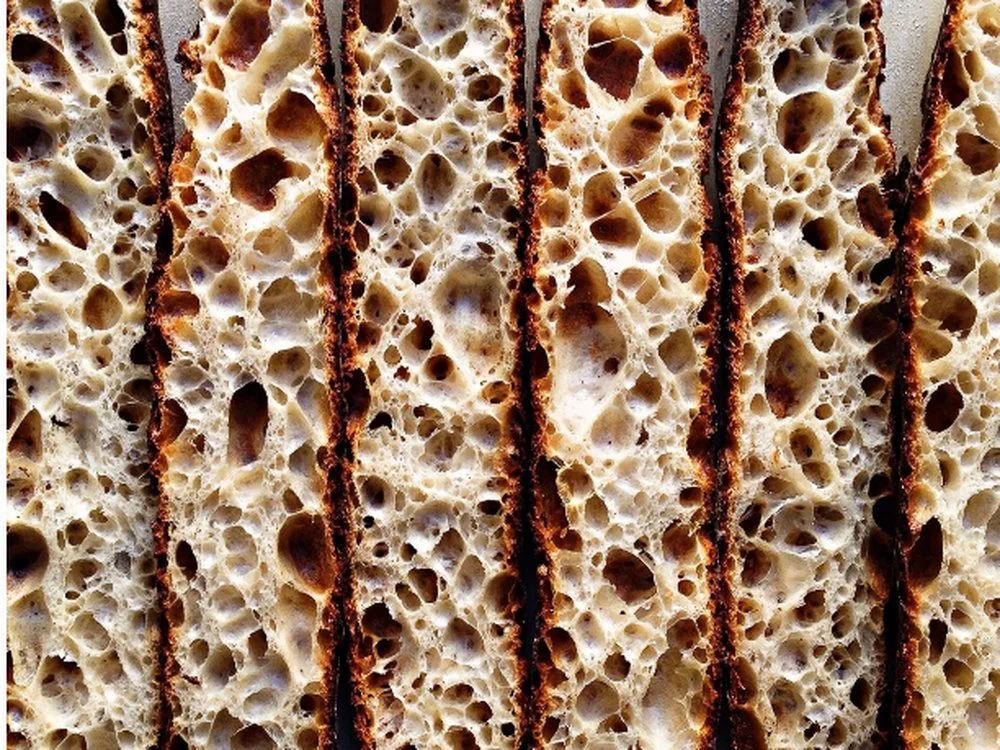
Why Your Bread Comes Out Dense Instead of Airy
A tight crumb starts before the oven. Check fermentation and dough strength before adding more yeast.
Read the guide
Why Pizza Dough Tears Instead of Stretching
If dough springs back, rest it. If it tears without resistance, investigate strength and fermentation.
Read the guide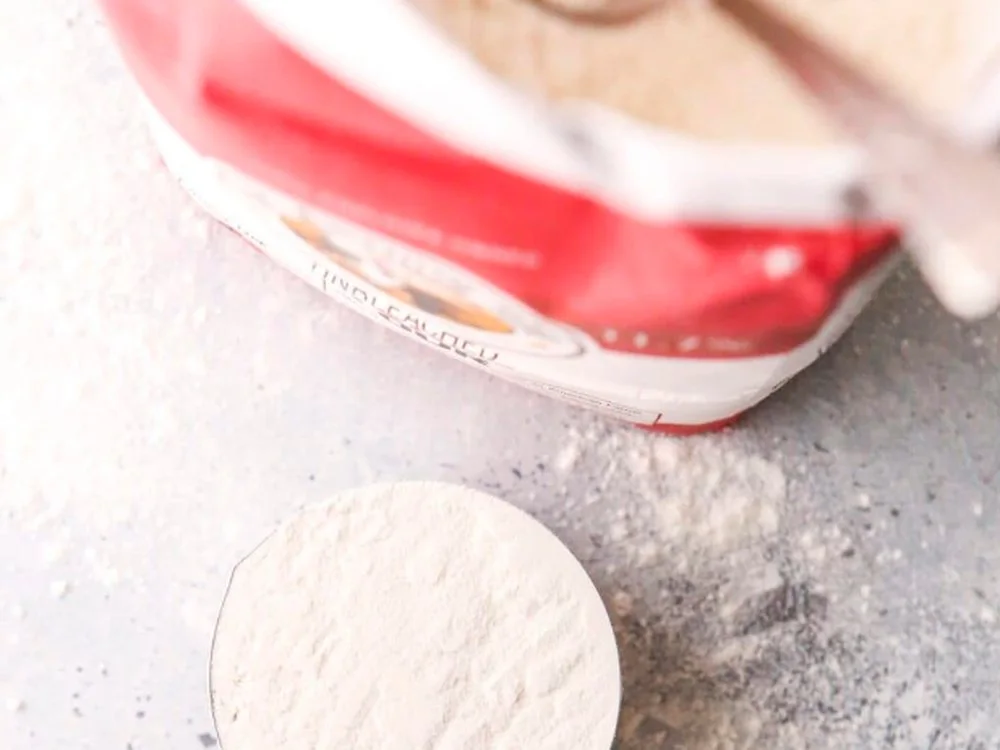
The Five Most Common Measuring Mistakes in Home Cooking
Reliable measurements begin with the unit and the ingredient, not the shape of the cup.
Read the guide