Kitchen fundamentals / GUIDE 28
The Five Most Common Measuring Mistakes in Home Cooking
Reliable measurements begin with the unit and the ingredient, not the shape of the cup.
01 / READ THE SIGNS
Start with what you can observe.
Look for the pattern that matches your result before changing the recipe.
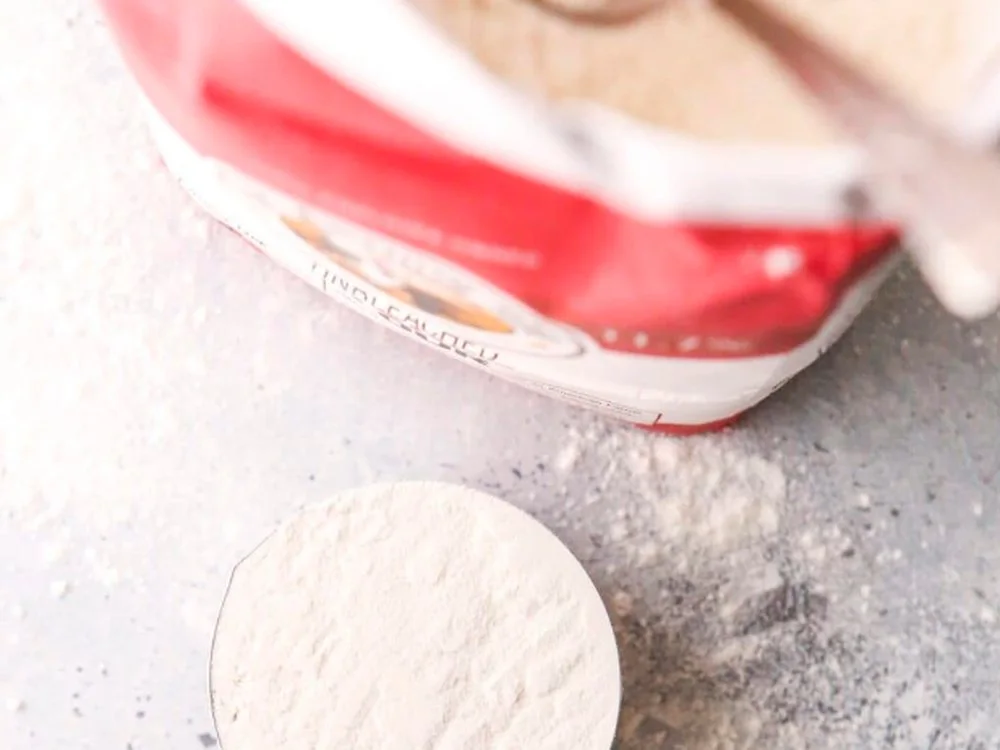
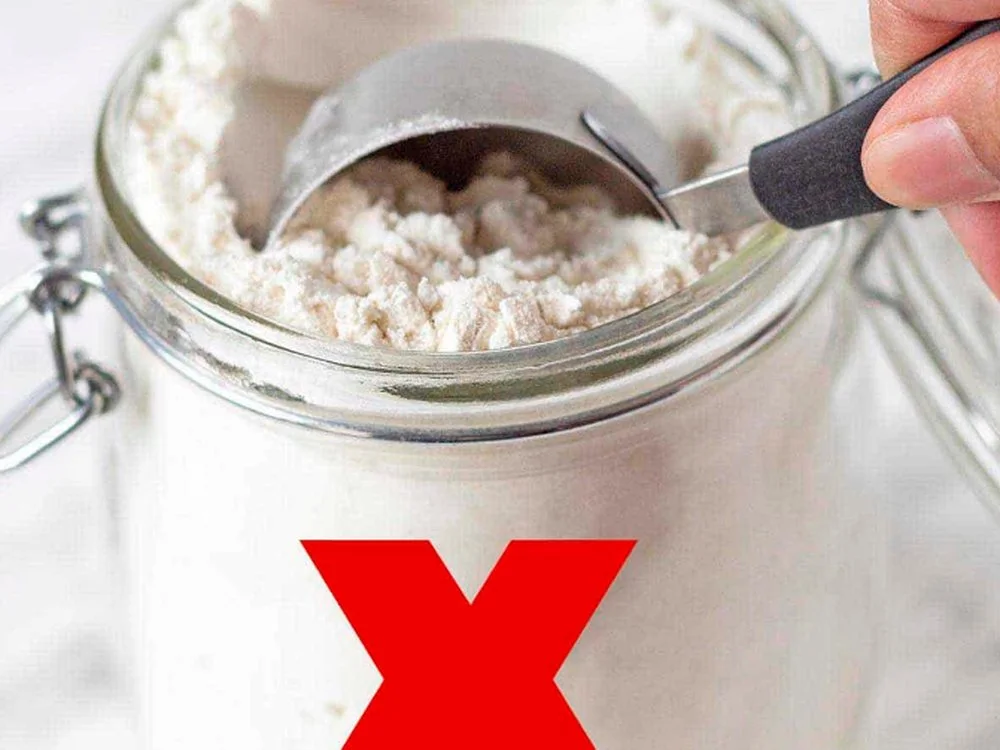
- Scooping flour compresses it: spoon and level if no weight is given.
- A teaspoon became a tablespoon: reread abbreviations before mixing.
- Volume was converted to grams using water's density: that does not work for flour or sugar.
02 / RIGHT NOW
Can you save this batch?
If ingredients are still separate, reweigh before combining. Once mixed, correct a known error mathematically rather than adding ingredients until the texture looks plausible. If you cannot reconstruct the quantities, record what happened and avoid compounding the uncertainty.
03 / THE NEXT ATTEMPT
Make the change that matters.
- Tare the scale with the bowl on it and use the recipe's gram weights.
- Read liquid levels at eye height in a suitable measuring vessel.
- Check five common traps: packed flour, unlevel spoons, wrong units, untared scales and ingredient-specific volume conversions.
04 / A LITTLE UNDERSTANDING
What's happening underneath.
A cup measures volume and a gram measures mass. The same volume of flour can contain different amounts depending on packing. Small leavener quantities also need a scale with sufficient precision or properly sized measuring spoons.
Do not replace a recipe's stated flour weight with an unrelated conversion chart.
05 / ONE GOOD QUESTION
Does one cup always mean 240 ml?
No. Cup conventions vary by country and recipe. Use the author's stated system and avoid mixing volume standards within one batch.
06 / KEEP READING
References & related reading
Continue with these external resources on the relevant technique or safety guidance. They are independent of Rosu.
A note for your next attempt.
Record one change and what happened. Notes stay in this browser; they are not sent to Rosu.
Found something that needs a closer look? Send a correction. Read our editorial approach and food safety essentials.
FOLLOW THE THREAD
A little more useful reading.
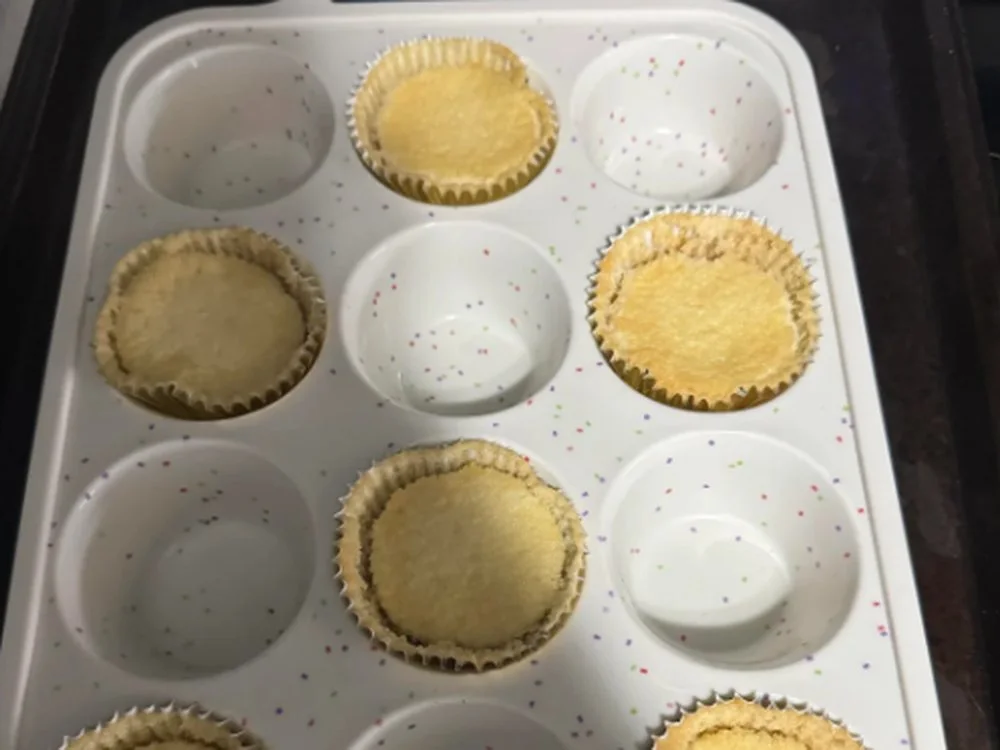
Why the Same Recipe Gives Different Results in Your Kitchen vs. Online
Compare the conditions, not just the ingredient list. Pan depth and flour type can change a recipe substantially.
Read the guide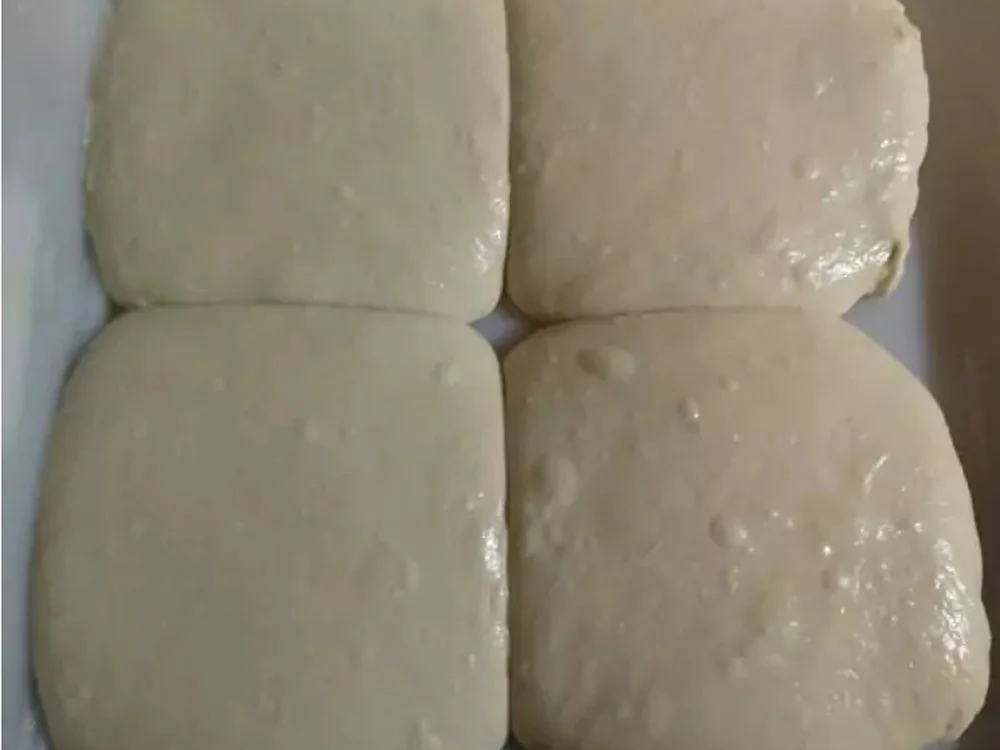
Why Your Dough Is Too Sticky to Handle
Sticky is not the same as unworkable. Rest the dough and use a scraper before burying it in flour.
Read the guide
Why Salt Doesn't Seem to Do Much in Some Dishes
Check the salt by weight and taste the whole bite. More salt cannot supply a missing flavor.
Read the guide