Kitchen fundamentals / GUIDE 67
Why Salt Doesn't Seem to Do Much in Some Dishes
Check the salt by weight and taste the whole bite. More salt cannot supply a missing flavor.
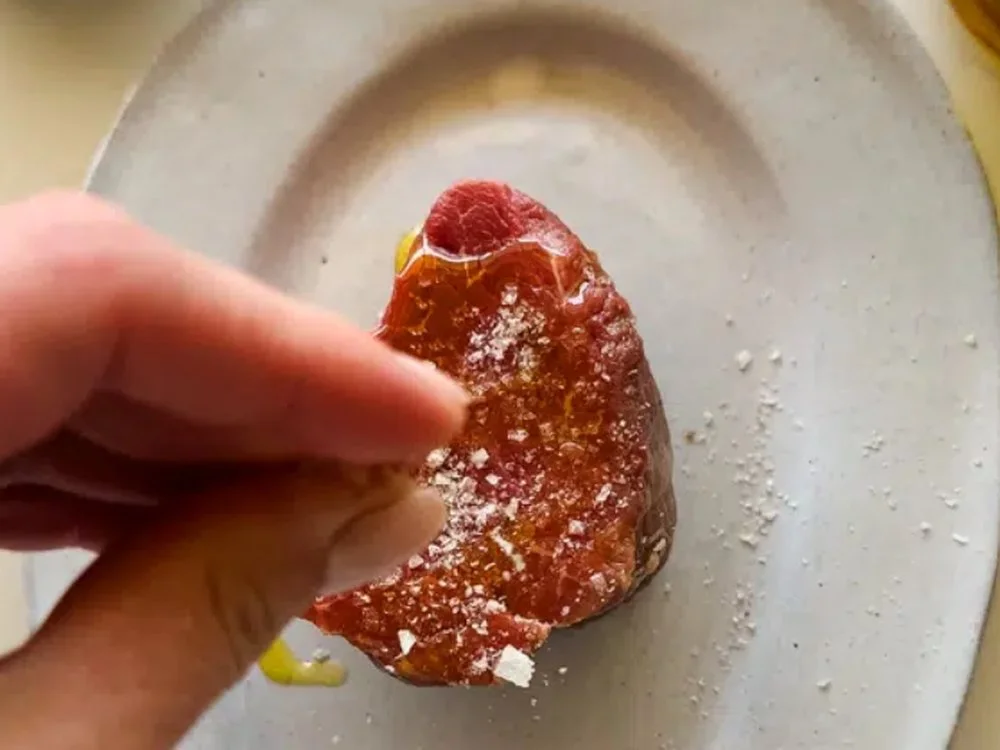
01 / READ THE SIGNS
Start with what you can observe.
Look for the pattern that matches your result before changing the recipe.
- A new coarse salt replaced fine salt by volume: the actual amount may differ.
- Large pieces taste plain inside: seasoning distribution matters.
- Food is already salty but dull: investigate acidity, aroma or dilution.
02 / RIGHT NOW
Can you save this batch?
Dissolve a small measured addition where possible, mix thoroughly and taste again after it disperses. For a finished dish, compare a sample with acid or fresh herbs before salting the entire pan further. Respect dietary sodium needs and use a suitable recipe.
03 / THE NEXT ATTEMPT
Make the change that matters.
- Record salt type when measuring by volume.
- Season at stages that suit the ingredient and recipe.
- Make the final adjustment after reduction and near serving temperature.
04 / A LITTLE UNDERSTANDING
What's happening underneath.
Salt crystal shapes occupy different volumes, so a spoonful of one salt may weigh more than another. Once dissolved, the amount of salt matters more than its original crystal size. Large solid foods also require time for seasoning to move inward.
Do not treat every bland dish as a sodium shortage.
05 / ONE GOOD QUESTION
Are specialty salts always less salty?
Not by a simple universal rule. Crystal size affects spoon measurements and surface perception; compare weights and read the product rather than relying on marketing language.
06 / KEEP READING
References & related reading
Continue with these external resources on the relevant technique or safety guidance. They are independent of Rosu.
A note for your next attempt.
Record one change and what happened. Notes stay in this browser; they are not sent to Rosu.
Found something that needs a closer look? Send a correction. Read our editorial approach and food safety essentials.
FOLLOW THE THREAD
A little more useful reading.
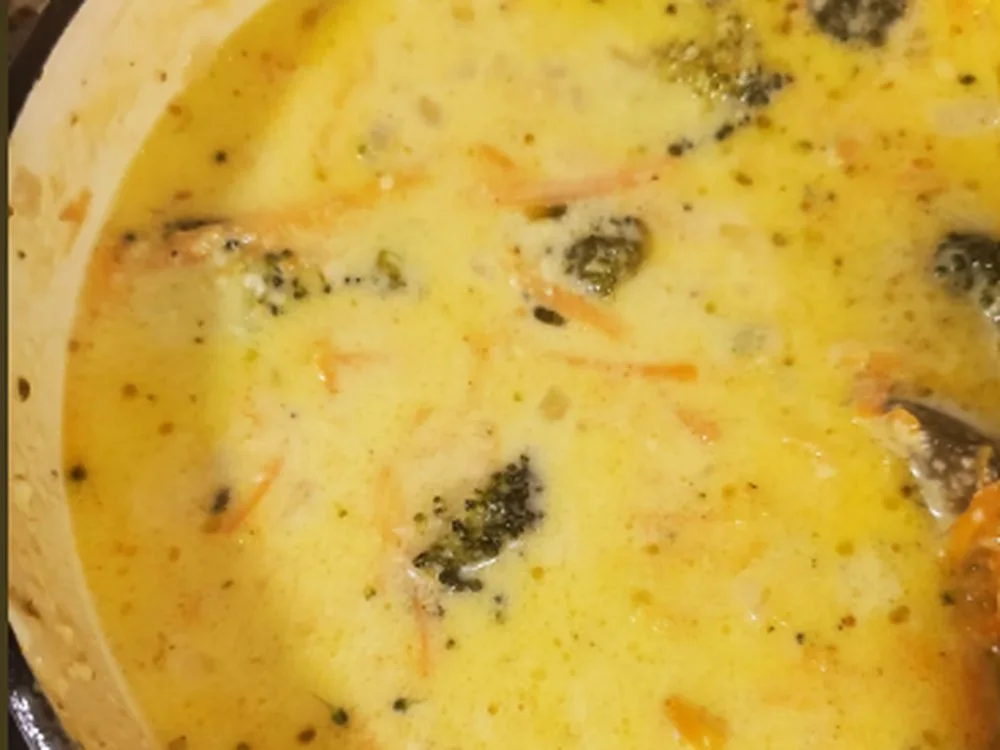
Why Soup Tastes Flat Despite Adding Salt
Stop adding salt and compare small samples. The missing element may be aroma, acidity or concentration.
Read the guide
Why Tomato Sauce Stays Acidic No Matter How Long It Simmers
Taste a spoonful before changing the whole pot. Sweetness can balance sharpness without removing acid.
Read the guide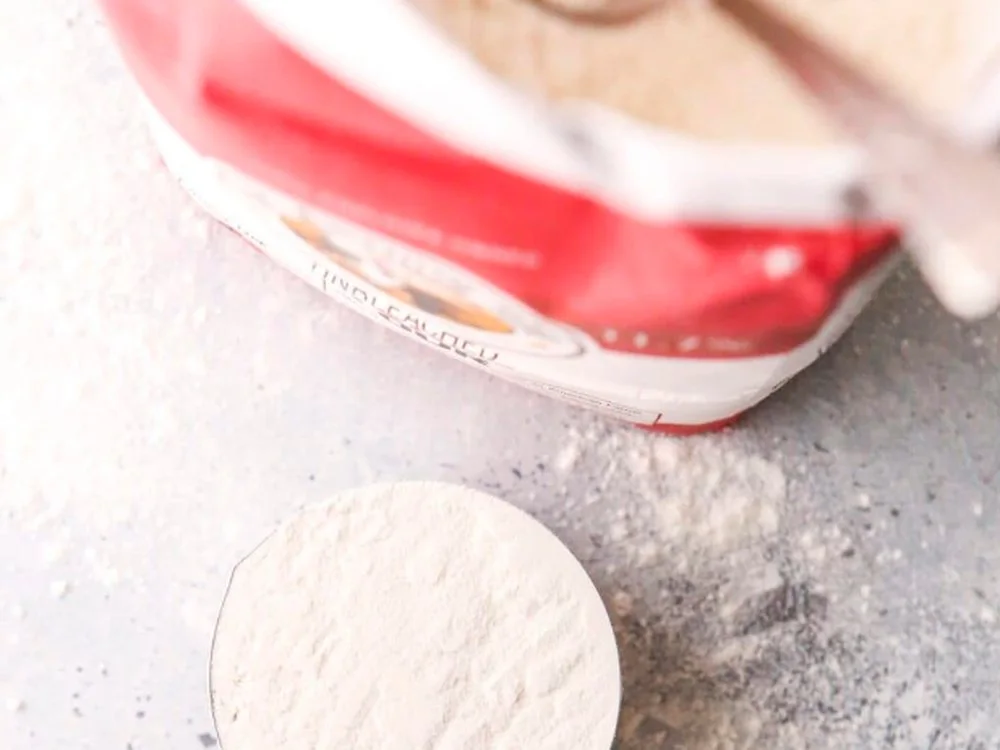
The Five Most Common Measuring Mistakes in Home Cooking
Reliable measurements begin with the unit and the ingredient, not the shape of the cup.
Read the guide