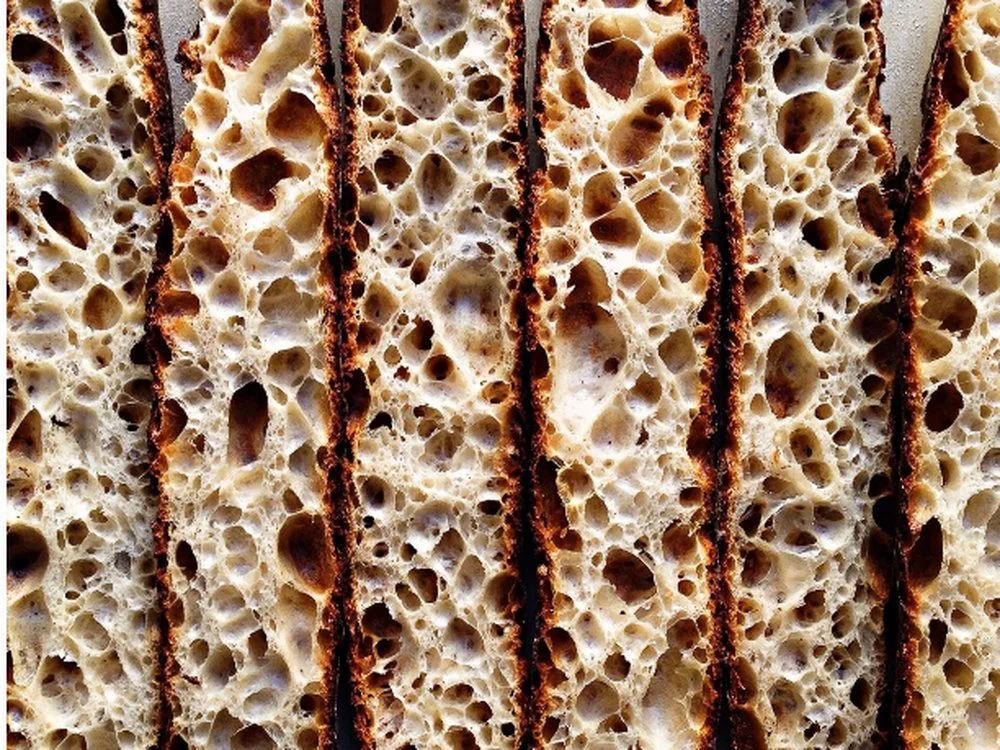
Why Your Bread Comes Out Dense Instead of Airy
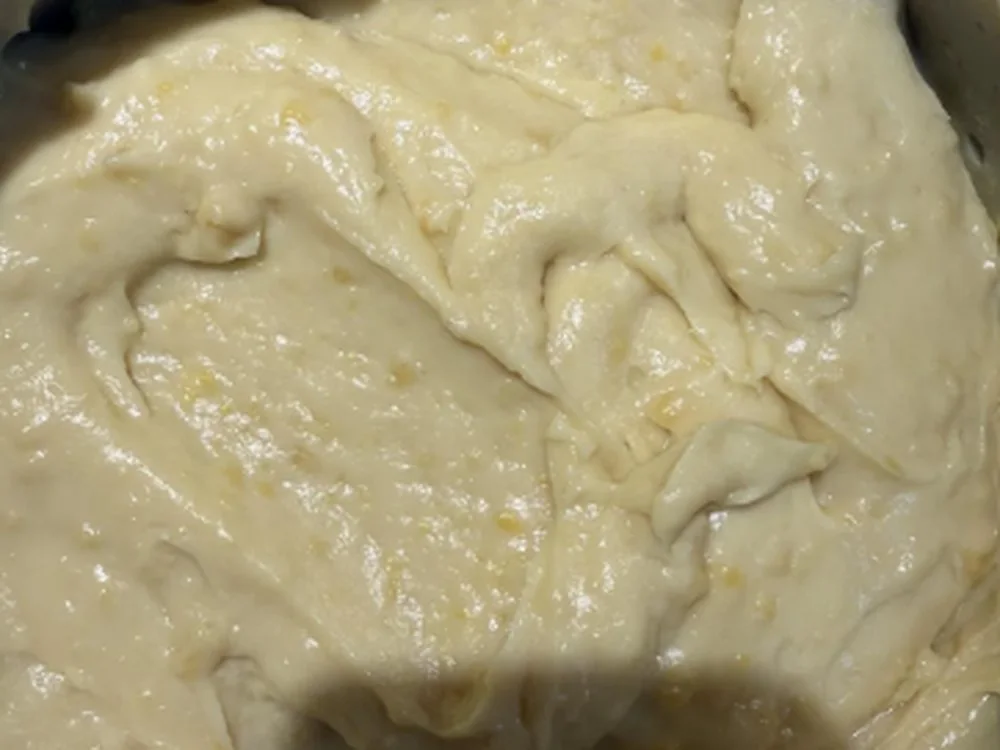
A tight crumb starts before the oven. Check fermentation and dough strength before adding more yeast.
Read the guideA field guide for
the everyday cook.
GOOD QUESTIONS MAKE BETTER COOKS
The bread that won't rise. The sauce that won't behave. Understand what happened, what you can save, and what to do differently next time.
START HERE
A tight crumb starts before the oven. Check fermentation and dough strength before adding more yeast.
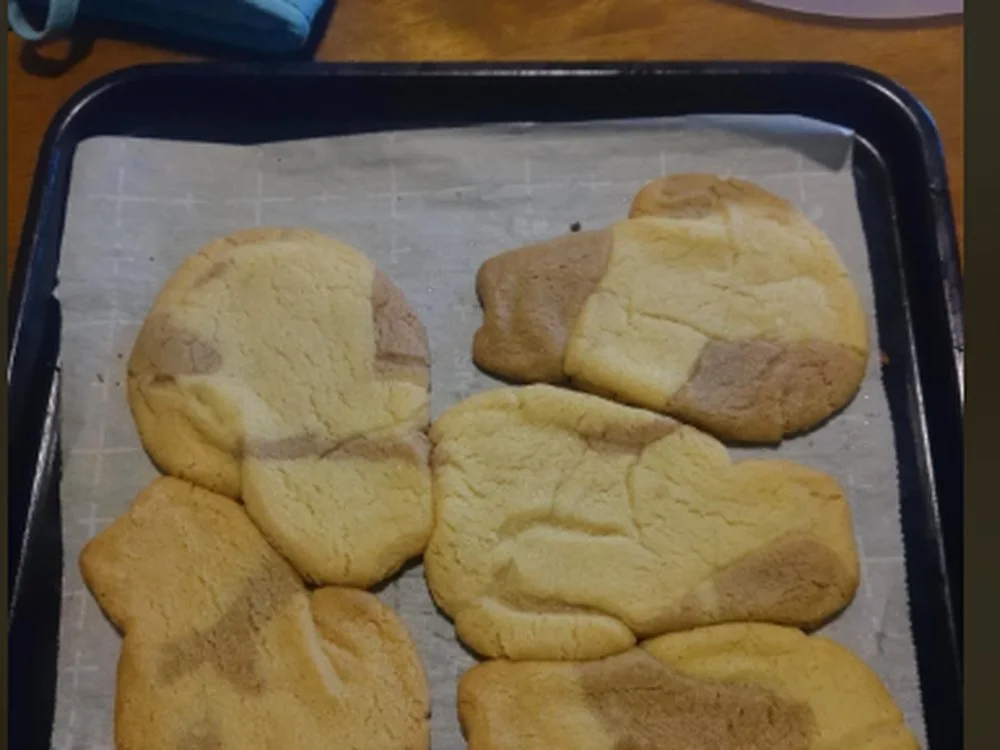
Read the guideTest two cookies before baking the whole tray. Warm dough and a warm baking sheet are easy problems to isolate.
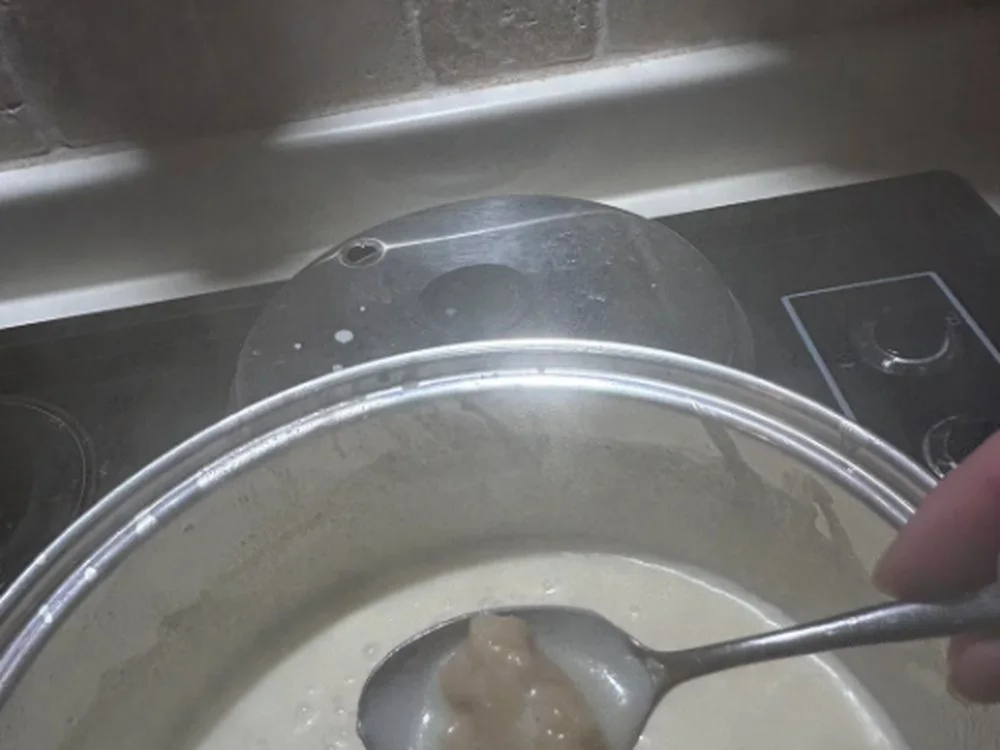
Read the guideStop adding fat. A broken emulsion needs a stable starting point, not more oil.
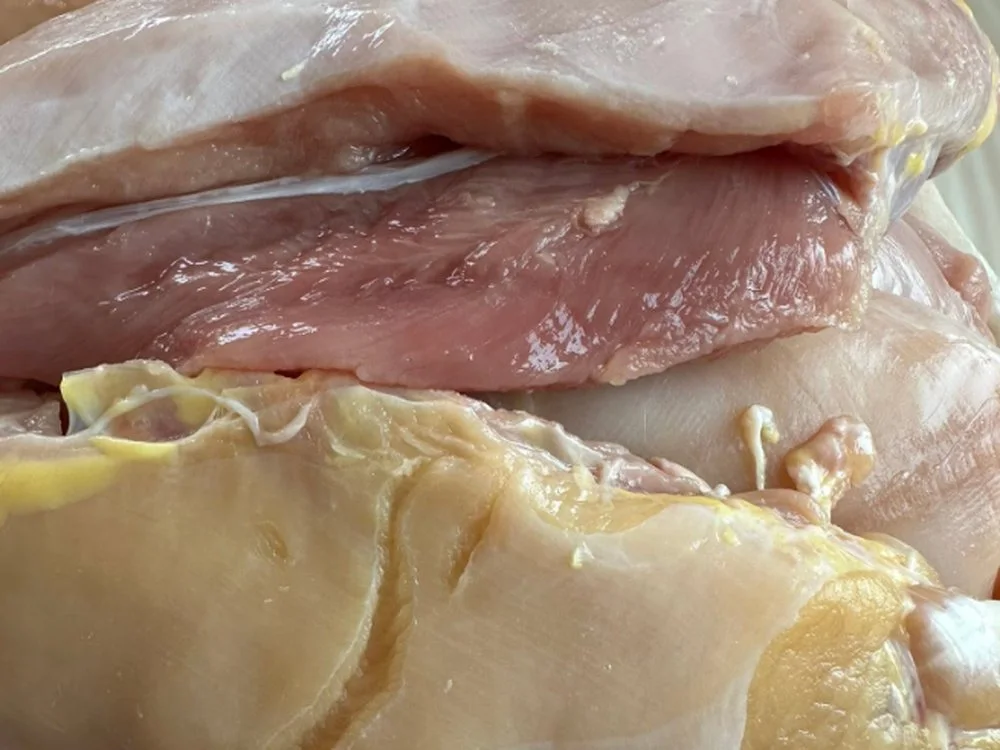
Read the guideColor cannot establish whether chicken is safe. Measure the thickest part with a food thermometer.
Read the guideTHE RECIPE DOCTOR
Start with what you can see. We'll point you toward the guide that fits.
FOLLOW YOUR CURIOSITY
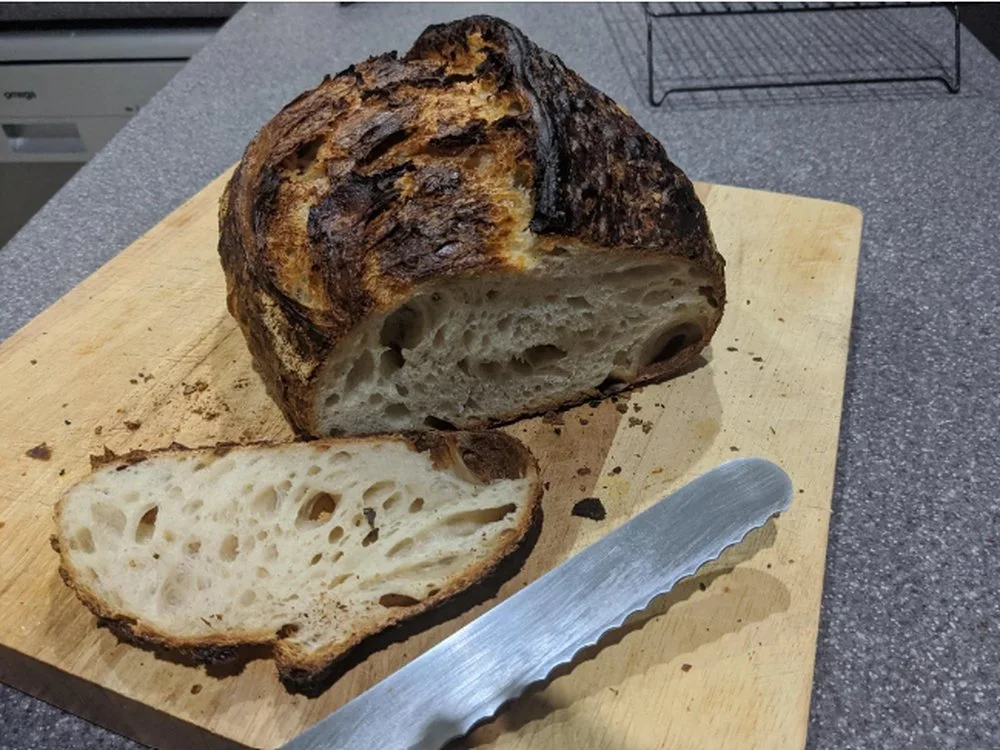
Fermentation, shaping, crumb and crust.
Tender cakes, better cookies and pastry that holds its shape.
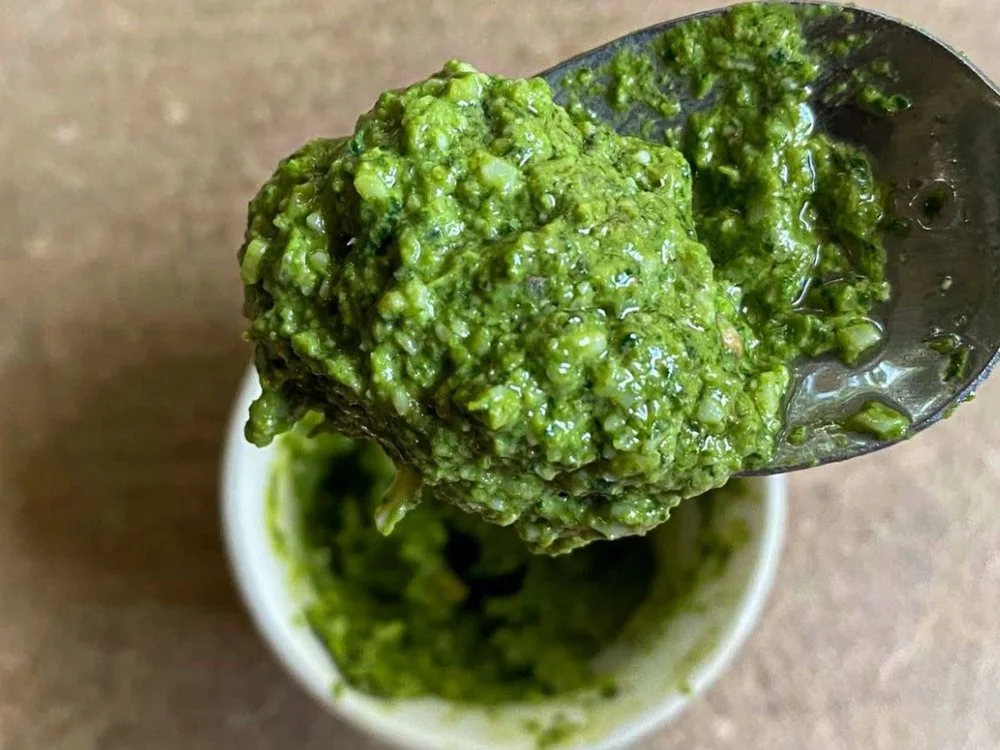
Smooth textures, balanced seasoning and a pan worth scraping.
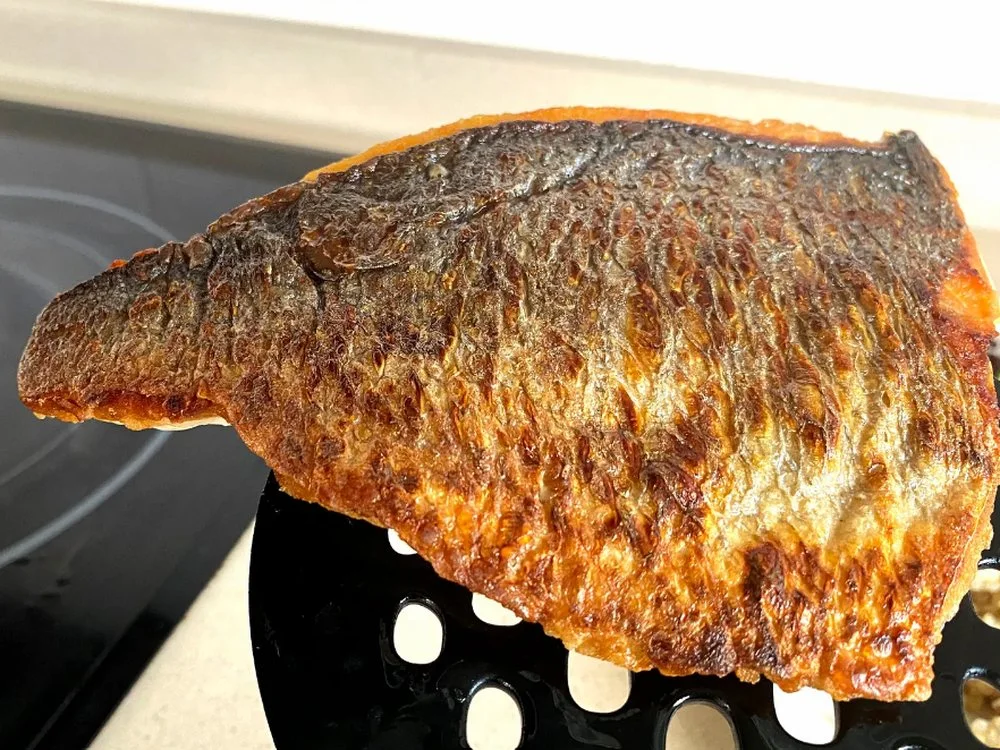
Searing, tenderness and safe internal temperatures.
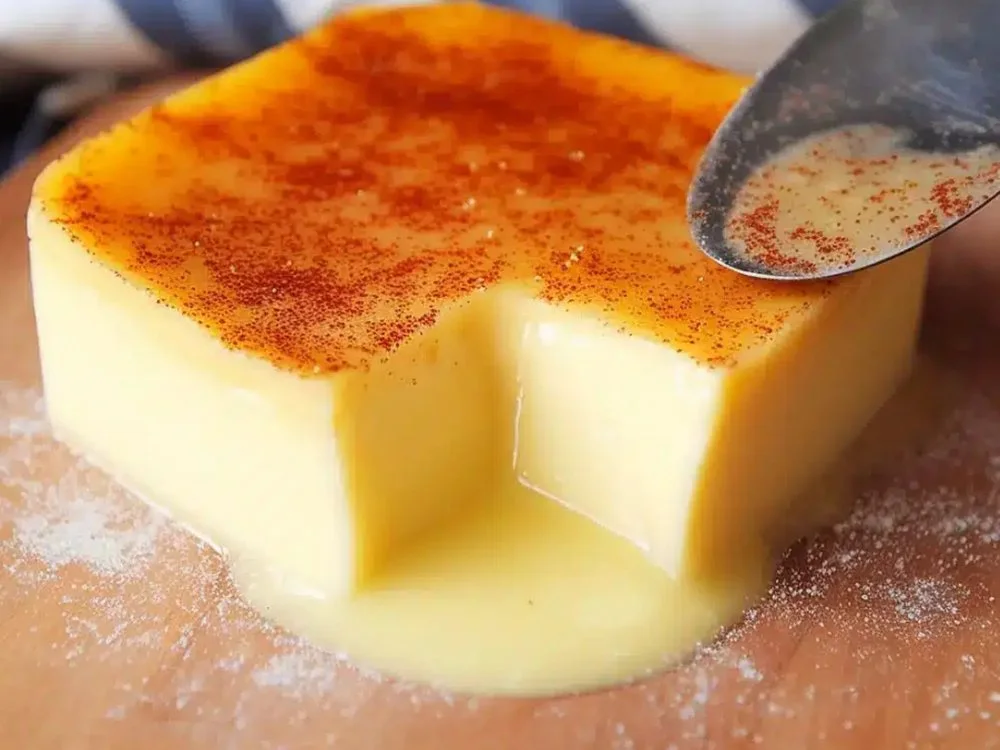
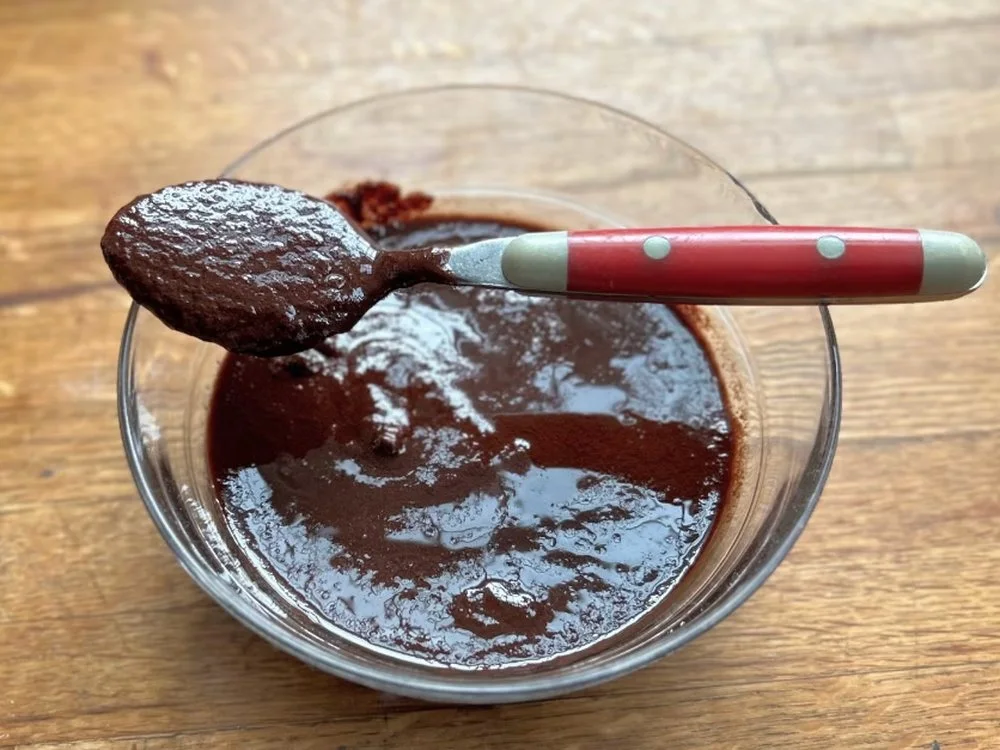
Custards, sugar, cream and chocolate without the guesswork.
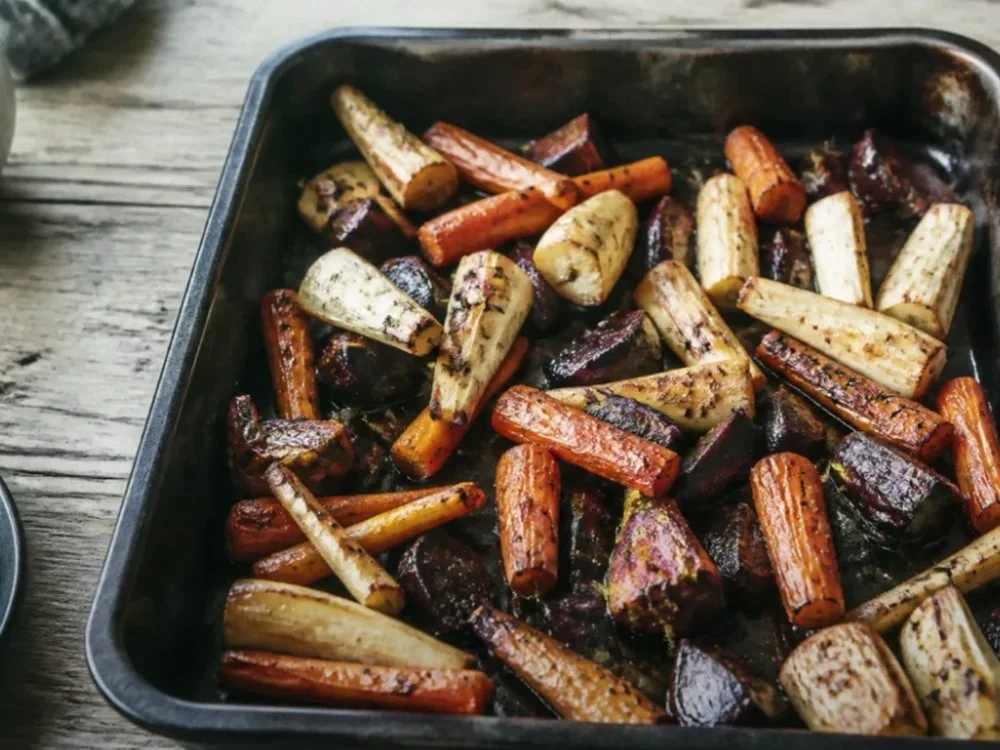
Roasting, prep and keeping good ingredients in good condition.
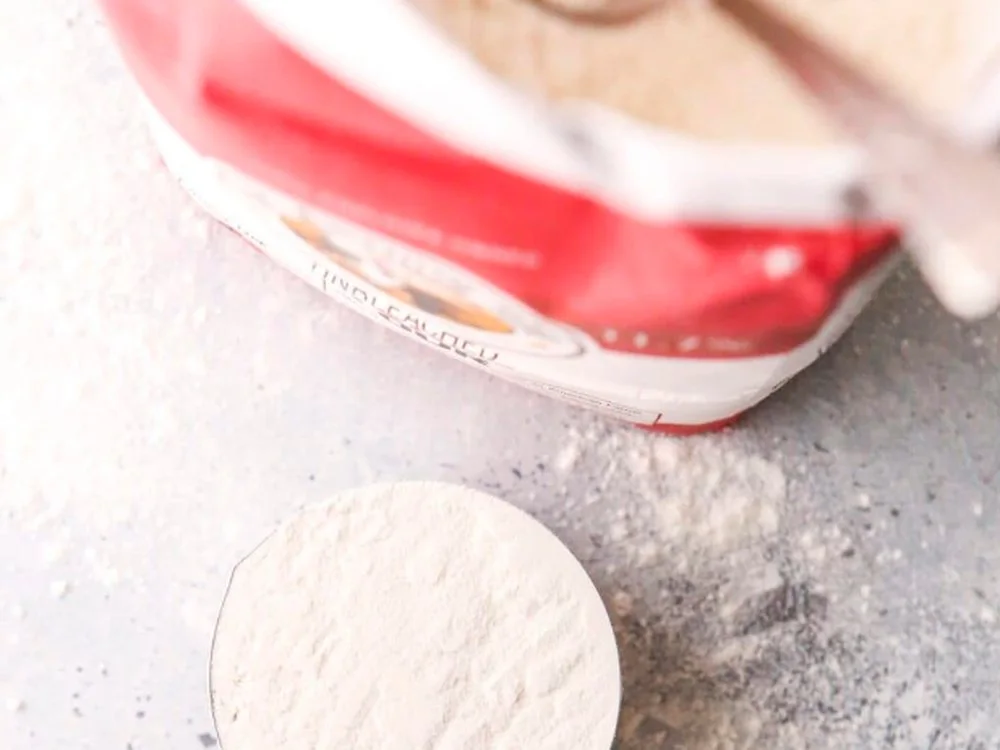
Measuring, cookware, seasoning and understanding your oven.
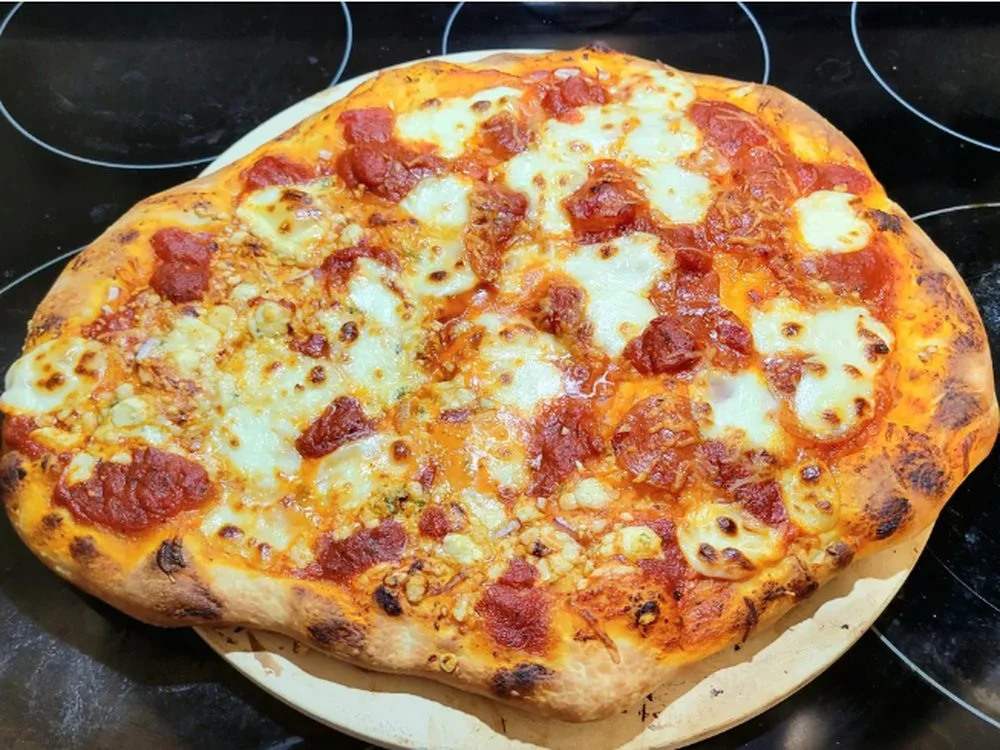
THE DOUGH EDIT
Sticky doesn't always mean wrong. A quiet starter isn't always dead. Learn to read the dough before you reach for more flour.
Sticky dough: rest it before you change it Pizza that stretches without tearing Get to know your sourdough starter Explore bread & dough ↗THE SWEETER SIDE
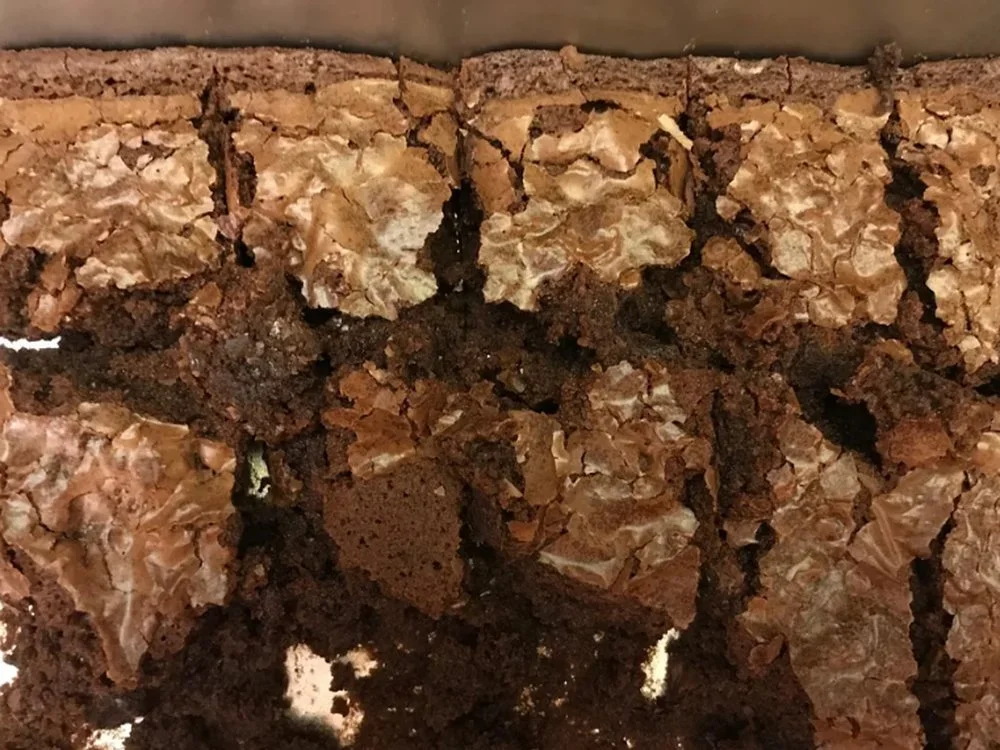
Choose a fudgy formula and bake it to that formula's endpoint. Underbaking a cakey recipe is not the same thing.
Read the guideIdentify whether the lumps are starch, cooked egg or simply cold pastry cream that needs smoothing.
Read the guideAn oily ganache may need a small liquid adjustment and gentle mixing, not another handful of chocolate.
Read the guideOUR APPROACH
Rosu lives in that gap. We separate symptoms from causes, explain the useful science, and tell you when a fix has limits. No perfect-kitchen performance required.
Get to know Rosu ↗THE EVERYDAY TOOLKIT
Convert the oven setting without leaving your recipe behind.
Open converter ↗flour + waterCalculate hydration from weights, not guesswork.
Check hydration ↗165°FKeep essential internal temperatures and storage guidance close.
Read the essentials ↗BETTER HABITS, EVERY DAY
A measured spoon. An uncrowded pan. Five minutes to take a note. Better cooking is often built from small decisions.
Build your fundamentals ↗Reliable measurements begin with the unit and the ingredient, not the shape of the cup.
Use controlled preheating, enough fat and patience. Stainless steel is not a nonstick surface.
Check the salt by weight and taste the whole bite. More salt cannot supply a missing flavor.
Keep a short oven log. A single thermometer glance cannot describe a cycling oven.
ONE MORE THING
It is a collection of cooking guides. Start with your own recipe, then use Rosu to understand a problem or a technique.
No. Each guide distinguishes a possible rescue from a change for next time. Food-safety problems cannot be solved by disguising flavor or texture.
Use the Recipe Doctor for a symptom, browse a topic, or search all 72 guides.