Vegetables & storage / GUIDE 54
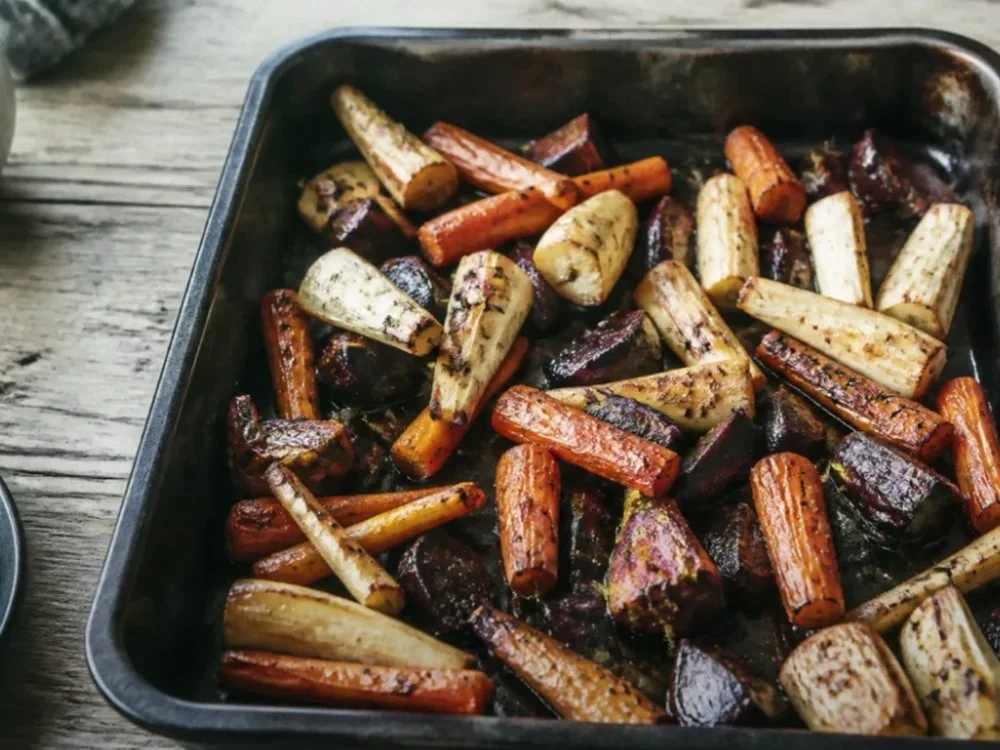
Why Roasted Vegetables Come Out Steamed Instead of Caramelized
Use a roomy tray and dry vegetables. Browning needs moisture to escape.
01 / READ THE SIGNS
Start with what you can observe.
Look for the pattern that matches your result before changing the recipe.
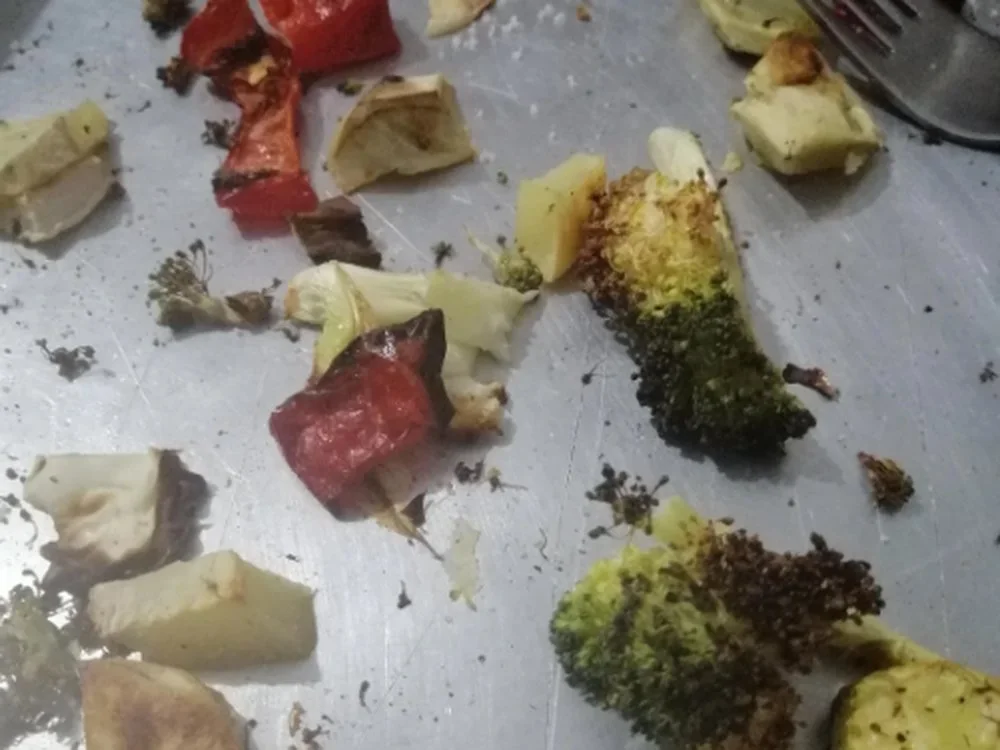
- Liquid pools on the sheet: overcrowding or wet vegetables may be involved.
- Tender but pale pieces: heat or contact may be insufficient.
- Small pieces burn before large ones soften: cut size is inconsistent.
02 / RIGHT NOW
Can you save this batch?
If the vegetables are not overcooked, spread them onto an additional tray and continue roasting, checking frequently. If already very soft, use them in a mash, soup or warm salad rather than cooking them until dry in pursuit of a crust.
03 / THE NEXT ATTEMPT
Make the change that matters.
- Dry washed vegetables and cut to comparable thickness.
- Coat lightly and evenly with oil, leaving space between pieces.
- Use the recipe's oven setting and turn only when the first side has had time to color.
04 / A LITTLE UNDERSTANDING
What's happening underneath.
Water must evaporate before a surface can become hot enough for strong browning. A crowded tray retains moisture nearby. Different vegetables have different sugar and water contents, so one temperature and timing cannot suit every mixed tray.
Do not force delicate vegetables through a high-heat root-vegetable schedule.
05 / ONE GOOD QUESTION
Can I roast frozen vegetables?
Yes, with a method designed for them. Expect more moisture and avoid overcrowding; thawing first is not always required or helpful.
06 / KEEP READING
References & related reading
Continue with these external resources on the relevant technique or safety guidance. They are independent of Rosu.
A note for your next attempt.
Record one change and what happened. Notes stay in this browser; they are not sent to Rosu.
Found something that needs a closer look? Send a correction. Read our editorial approach and food safety essentials.
FOLLOW THE THREAD
A little more useful reading.
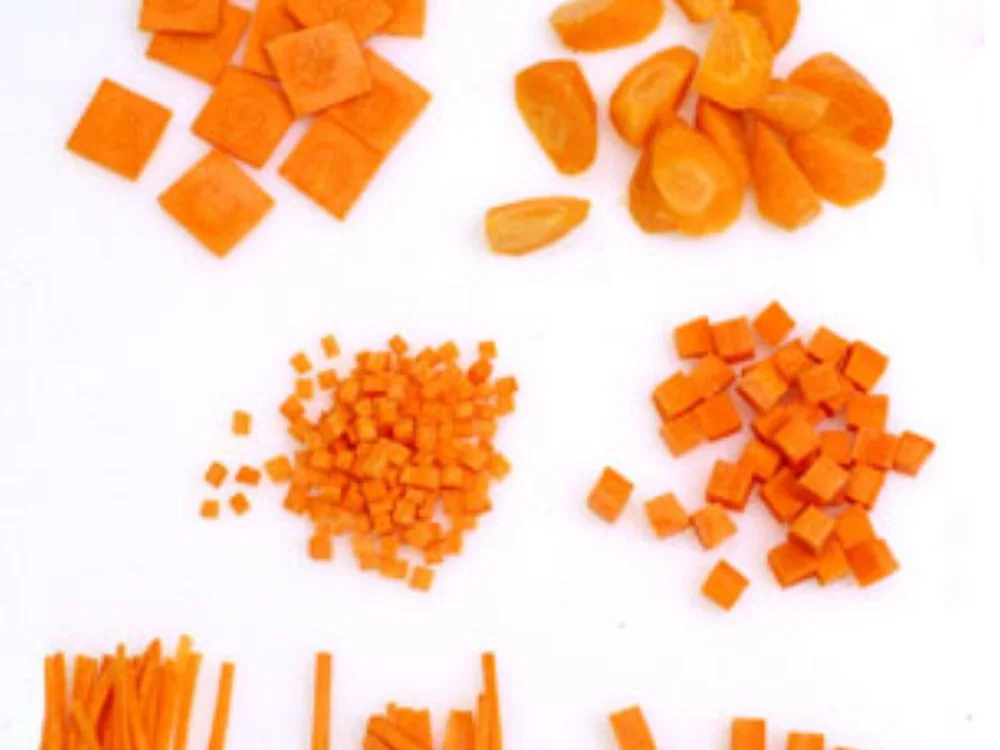
Why Unevenly Cut Vegetables Cook Inconsistently
Match thickness, not just length. A thick chunk and a thin slice will not finish together.
Read the guide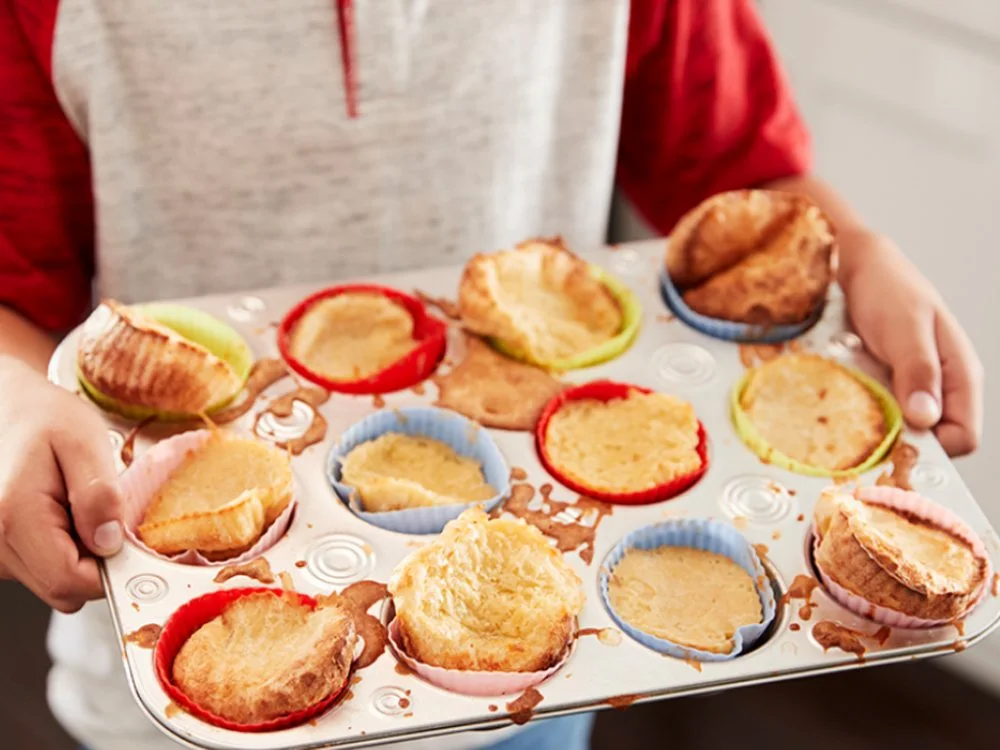
Why Recipes Never Seem to Cook as Fast as They Claim
Separate preparation, heating and cooking time. A recipe's clock may begin after your pan is already hot.
Read the guide
Why the Same Oven Setting Bakes Differently on Different Days
Keep a short oven log. A single thermometer glance cannot describe a cycling oven.
Read the guide