Kitchen fundamentals / GUIDE 64
Why Recipes Never Seem to Cook as Fast as They Claim
Separate preparation, heating and cooking time. A recipe's clock may begin after your pan is already hot.
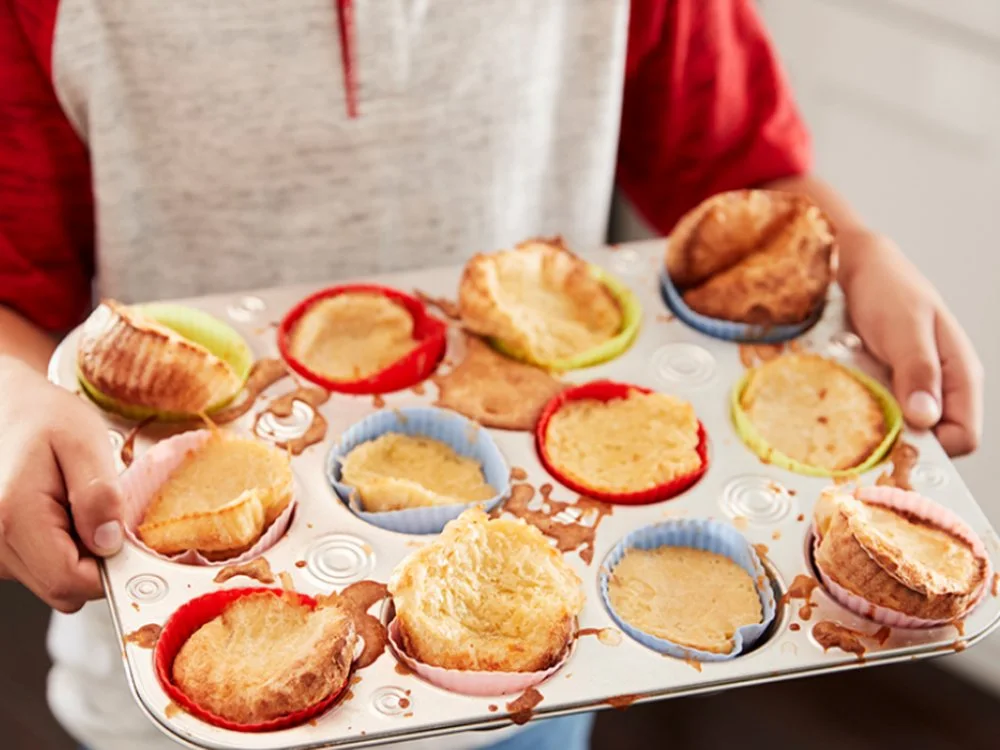
01 / READ THE SIGNS
Start with what you can observe.
Look for the pattern that matches your result before changing the recipe.
- The oven was still preheating: that adds time outside the stated bake.
- A deeper batch or smaller pan: the center may take longer.
- Cold ingredients or frozen portions: starting conditions differ.
02 / RIGHT NOW
Can you save this batch?
Continue toward the recipe's actual doneness cues while keeping food safe. Do not simply raise the heat to meet the promised deadline. If serving is delayed, keep finished components under appropriate hot or cold holding conditions.
03 / THE NEXT ATTEMPT
Make the change that matters.
- Read the entire recipe before starting and identify resting or chilling stages.
- Match batch size and equipment.
- Record your active time separately from total elapsed time so future planning becomes realistic.
04 / A LITTLE UNDERSTANDING
What's happening underneath.
Heat needs time to move into food and moisture needs time to leave it. Pan area, depth and heat output affect these processes. A time estimate is useful for planning but does not override a safe internal temperature.
Do not leave raw meat on the counter for hours to make it cook faster.
05 / ONE GOOD QUESTION
Should I double the cooking time for a double batch?
Not automatically. Two shallow pans differ from one deep pan. Use a method designed for the batch size and check doneness appropriately.
06 / KEEP READING
References & related reading
Continue with these external resources on the relevant technique or safety guidance. They are independent of Rosu.
A note for your next attempt.
Record one change and what happened. Notes stay in this browser; they are not sent to Rosu.
Found something that needs a closer look? Send a correction. Read our editorial approach and food safety essentials.
FOLLOW THE THREAD
A little more useful reading.
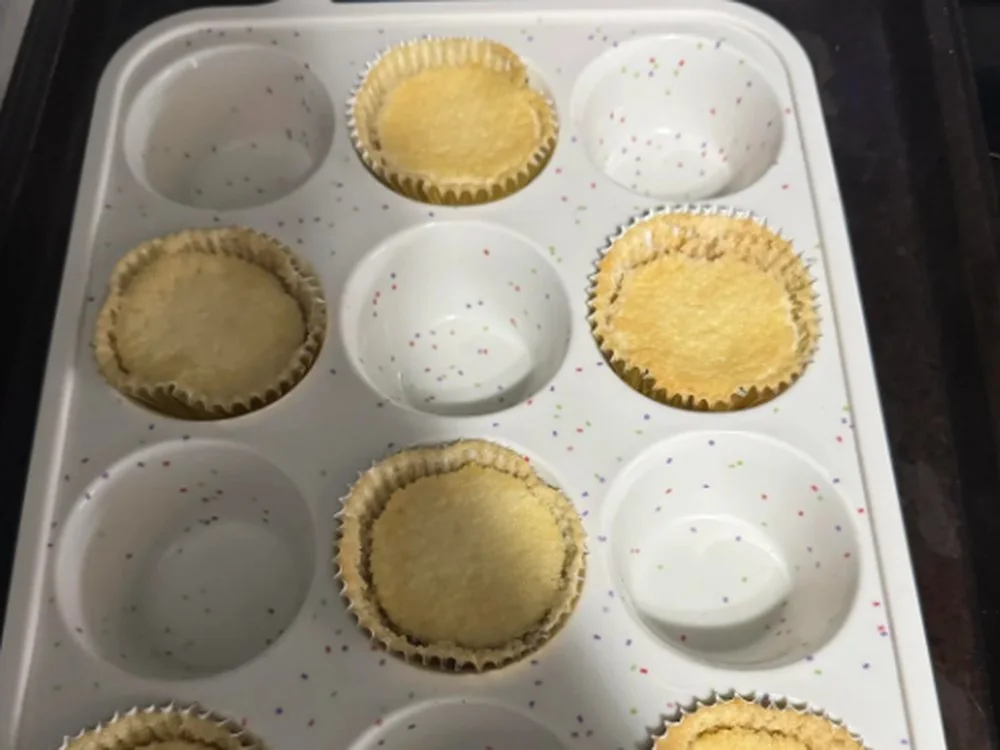
Why the Same Recipe Gives Different Results in Your Kitchen vs. Online
Compare the conditions, not just the ingredient list. Pan depth and flour type can change a recipe substantially.
Read the guide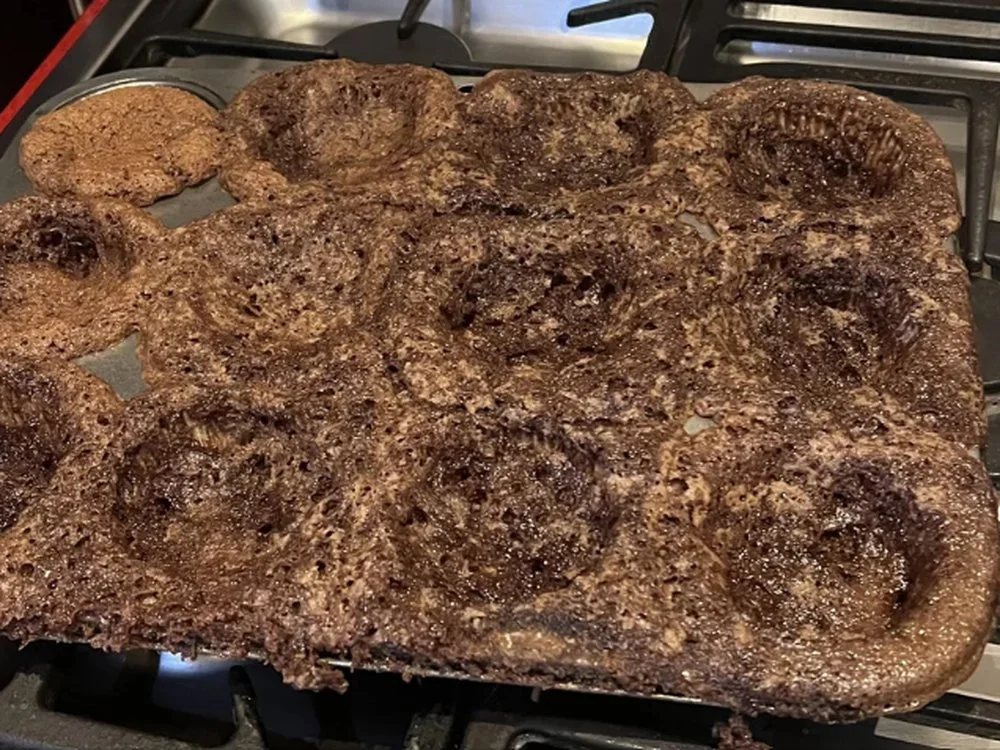
Why the Same Oven Setting Bakes Differently on Different Days
Keep a short oven log. A single thermometer glance cannot describe a cycling oven.
Read the guide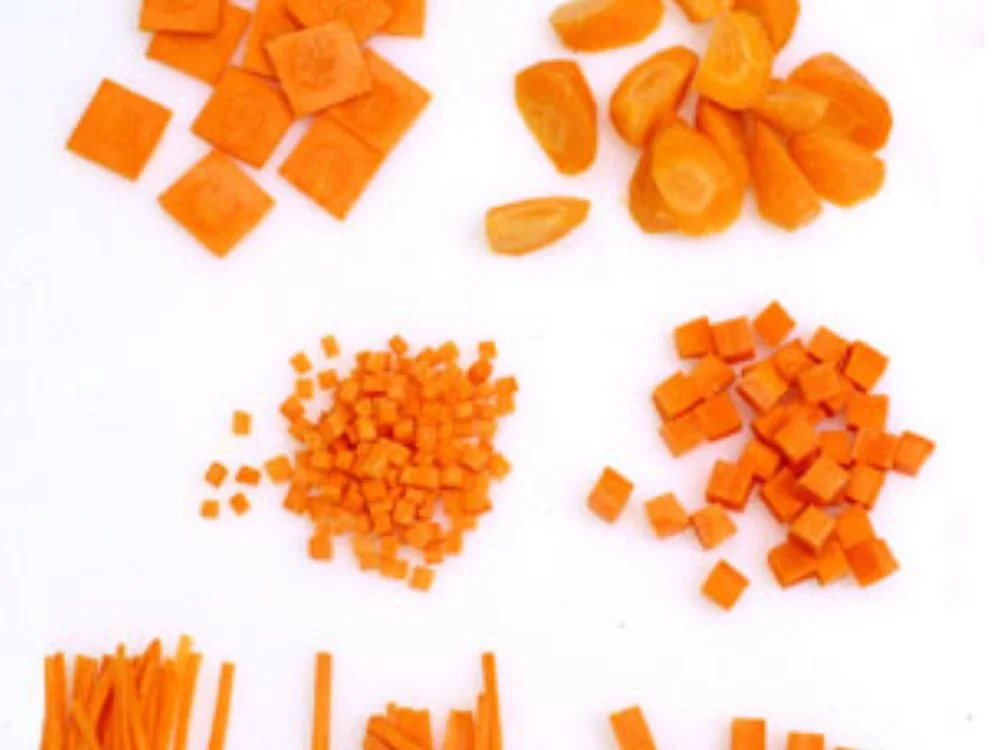
Why Unevenly Cut Vegetables Cook Inconsistently
Match thickness, not just length. A thick chunk and a thin slice will not finish together.
Read the guide