Vegetables & storage / GUIDE 68
Why Unevenly Cut Vegetables Cook Inconsistently
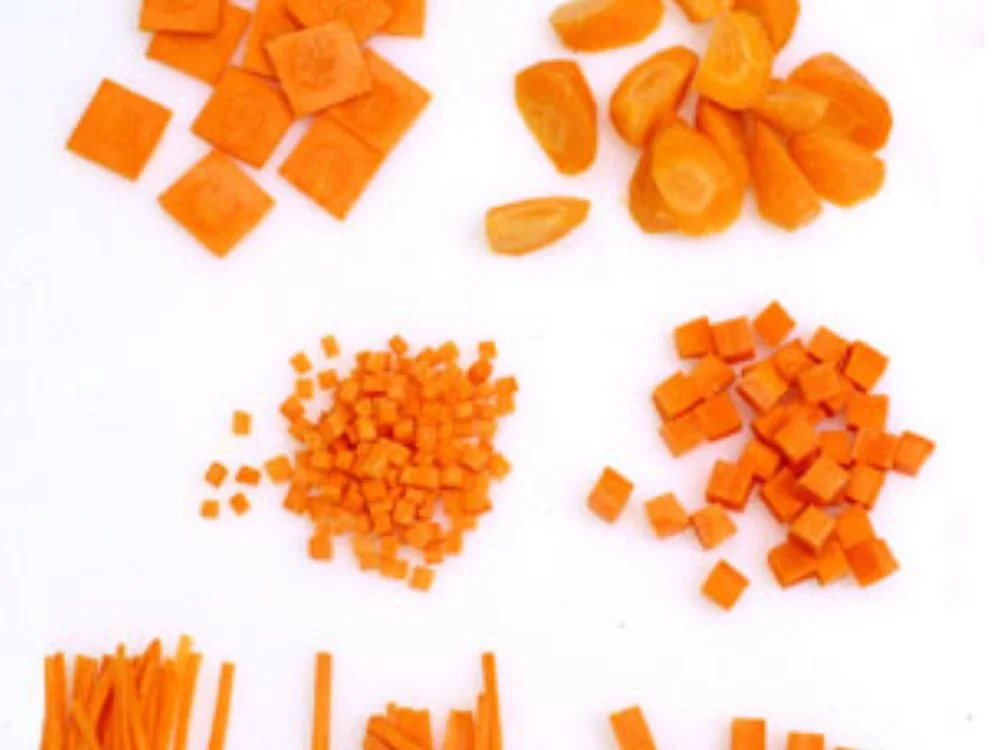
Match thickness, not just length. A thick chunk and a thin slice will not finish together.
01 / READ THE SIGNS
Start with what you can observe.
Look for the pattern that matches your result before changing the recipe.
- Small pieces are mushy: remove them before cooking the rest further.
- Mixed vegetable types: density and water content also differ.
- Pieces are even but one side burns: pan heat or placement may be the cause.
02 / RIGHT NOW
Can you save this batch?
Remove finished pieces and continue cooking the larger ones. In a soup or stew, add quick-cooking vegetables later when possible. If everything is already soft, choose a blended or mashed presentation instead of trying to make the pieces firm again.
03 / THE NEXT ATTEMPT
Make the change that matters.
- Create a flat stable side before cutting round vegetables.
- Cut to a consistent thickness suited to the dish.
- Group vegetables by cooking behavior and stagger additions when needed.
04 / A LITTLE UNDERSTANDING
What's happening underneath.
Heat travels farther to reach the center of a thick piece. Cut size therefore changes cooking time, but vegetable type and pan conditions also matter. A sharp knife improves control; dullness alone is not a scientific explanation for every unevenly cooked batch.
Do not rush unstable cuts on a slippery board.
05 / ONE GOOD QUESTION
Must every piece be identical?
No. Aim for a similar thickness and cooking behavior. Slight natural variation is fine, especially in dishes where pieces can be removed individually.
06 / KEEP READING
References & related reading
Continue with these external resources on the relevant technique or safety guidance. They are independent of Rosu.
A note for your next attempt.
Record one change and what happened. Notes stay in this browser; they are not sent to Rosu.
Found something that needs a closer look? Send a correction. Read our editorial approach and food safety essentials.
FOLLOW THE THREAD
A little more useful reading.
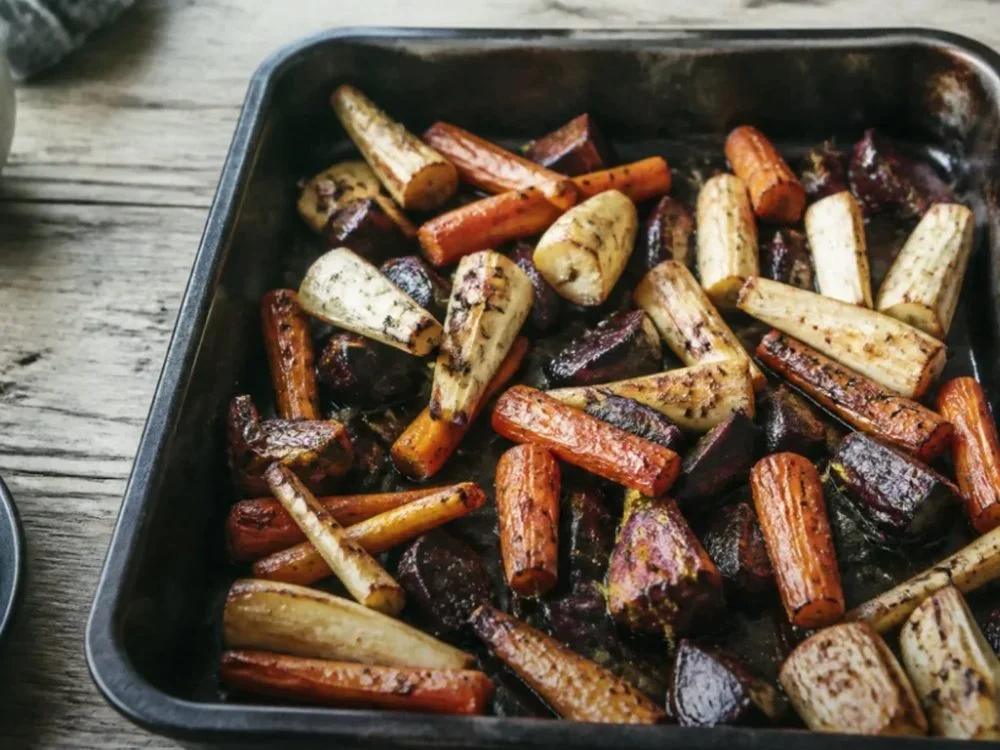
Why Roasted Vegetables Come Out Steamed Instead of Caramelized
Use a roomy tray and dry vegetables. Browning needs moisture to escape.
Read the guide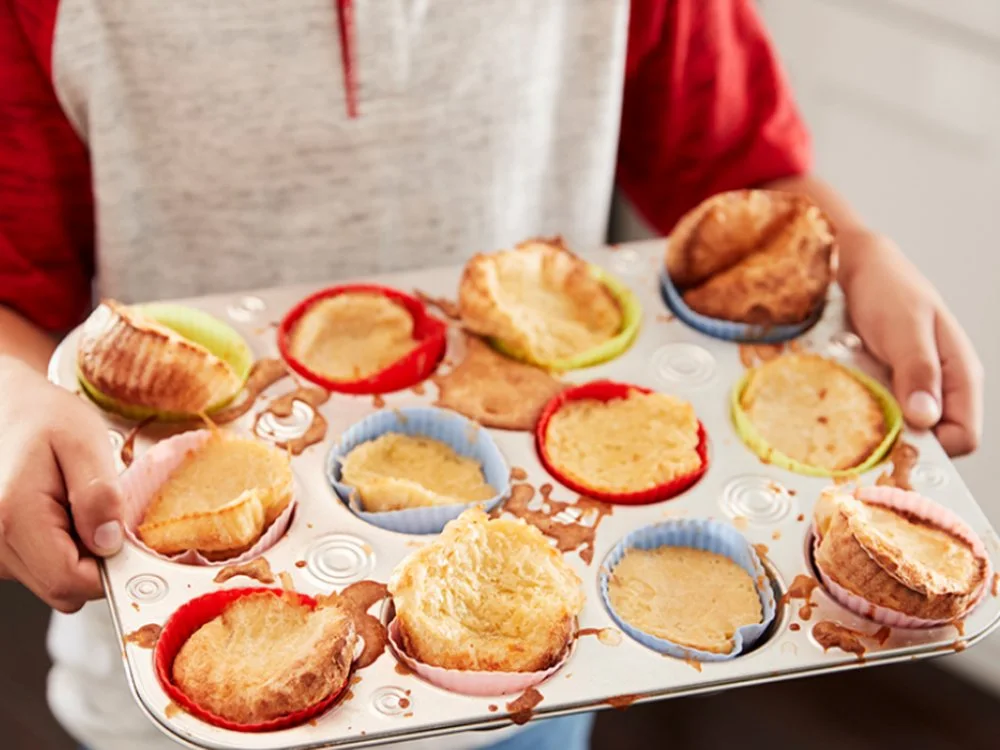
Why Recipes Never Seem to Cook as Fast as They Claim
Separate preparation, heating and cooking time. A recipe's clock may begin after your pan is already hot.
Read the guide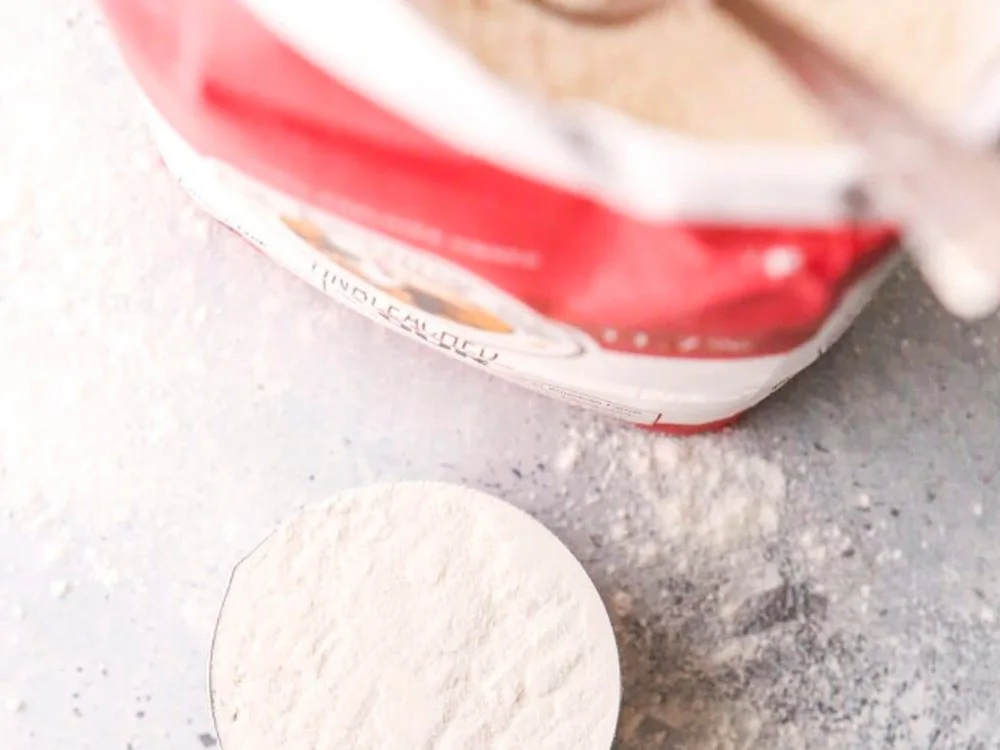
The Five Most Common Measuring Mistakes in Home Cooking
Reliable measurements begin with the unit and the ingredient, not the shape of the cup.
Read the guide