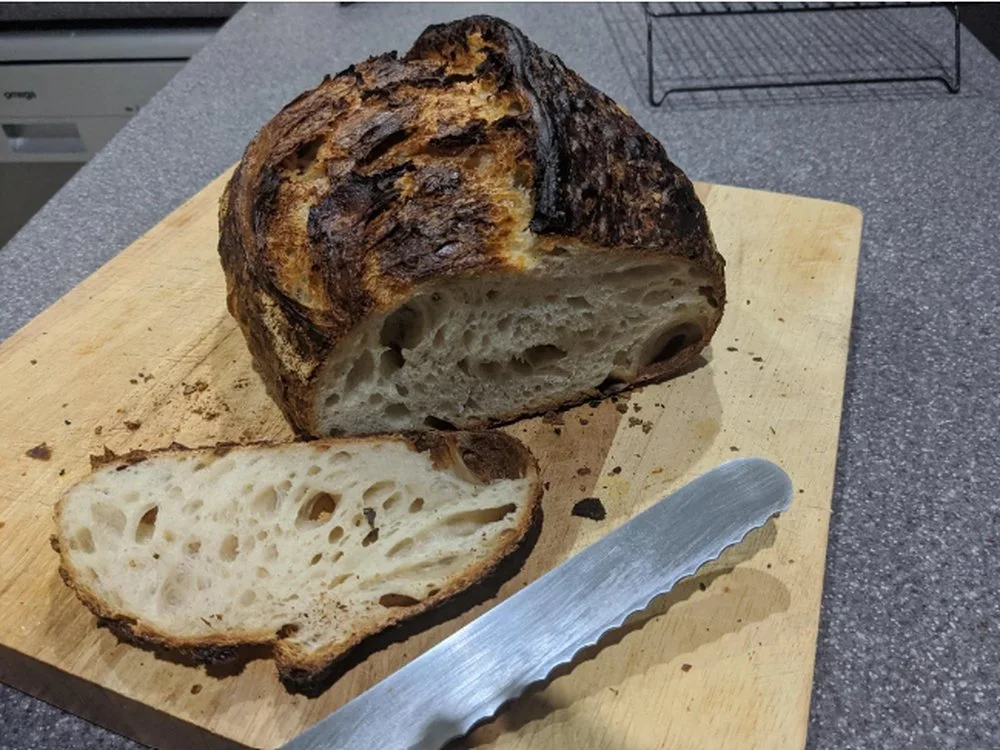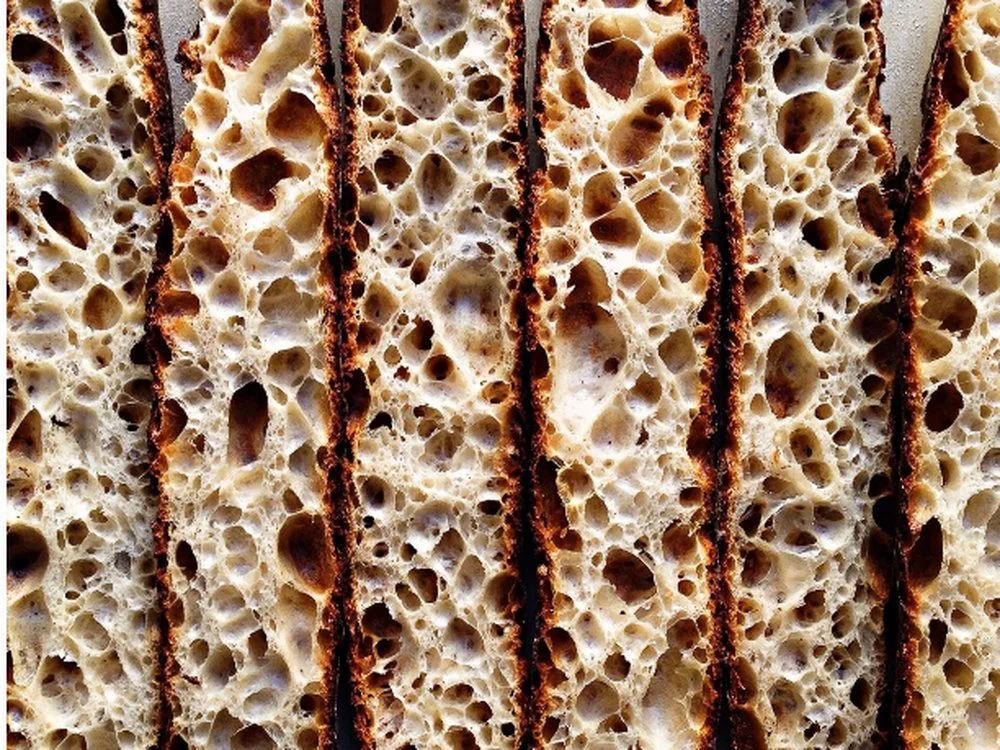
Why Your Bread Comes Out Dense Instead of Airy
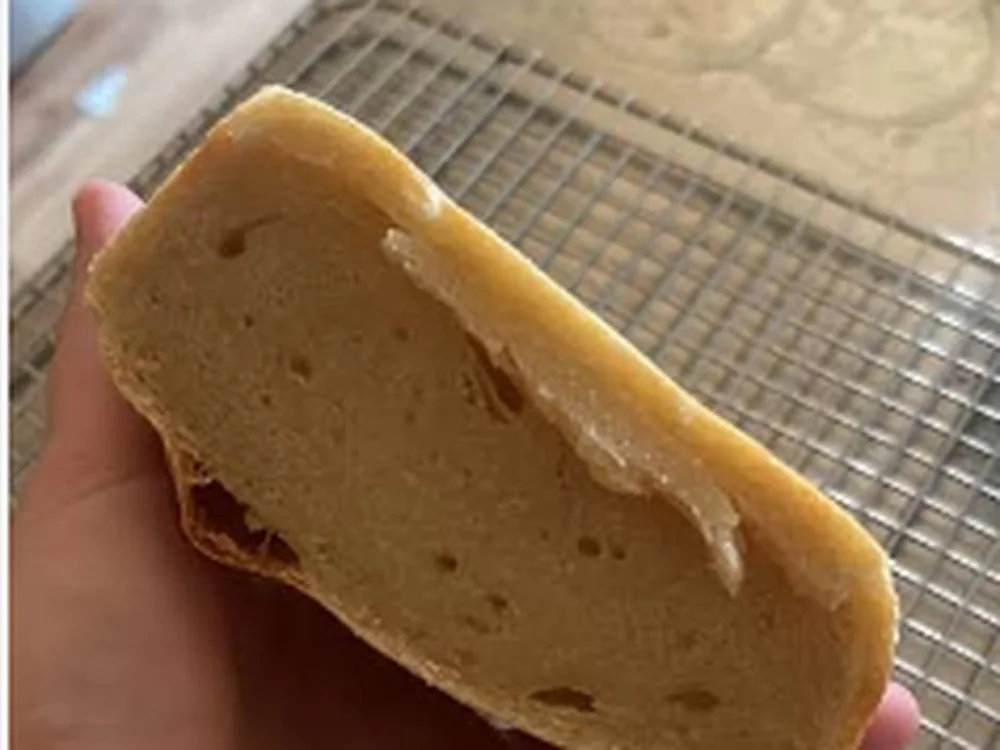
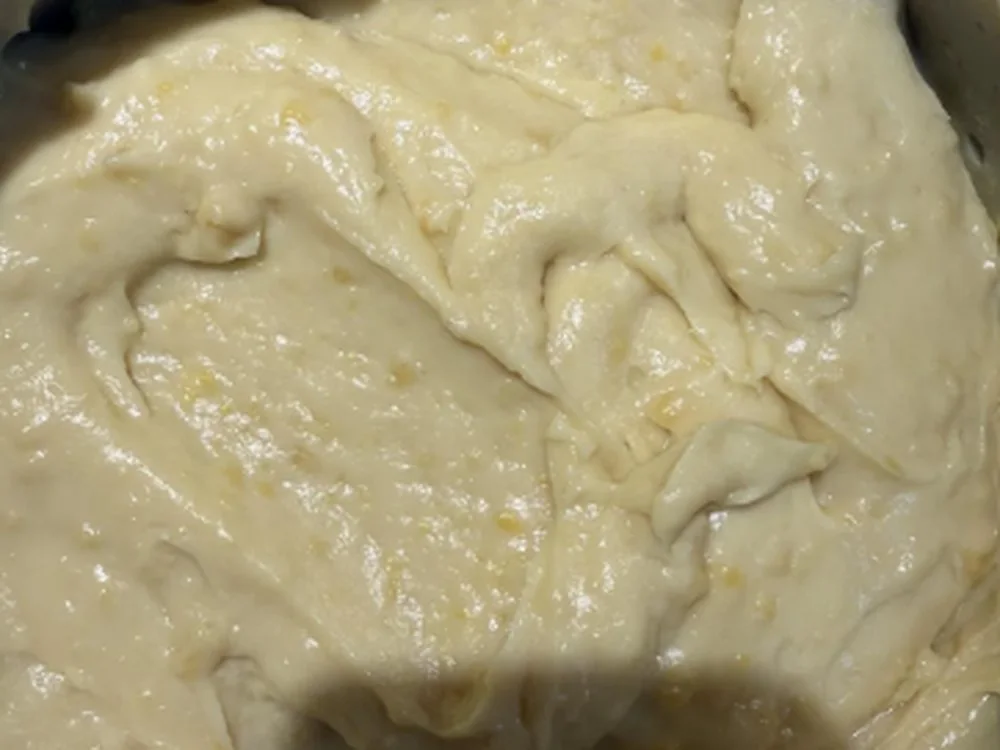
A tight crumb starts before the oven. Check fermentation and dough strength before adding more yeast.
Read the guideA field guide for
the everyday cook.
THE COMPLETE FIELD GUIDE
All 72 guides, organized around the things that happen in a real kitchen.
72 guides to explore
A tight crumb starts before the oven. Check fermentation and dough strength before adding more yeast.
Read the guideBefore replacing the yeast, find out whether the dough is inactive or simply cold.
Read the guideProtect a darkening crust and give the center time to finish; increasing the heat makes the mismatch worse.
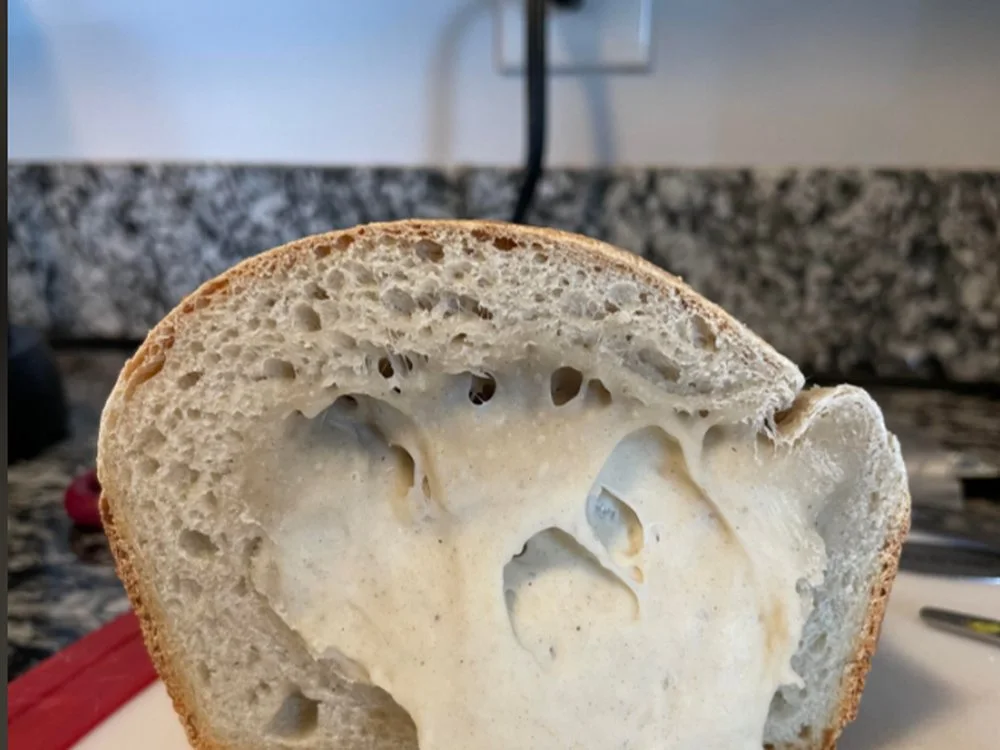
Read the guideA few large holes may be normal. A tunnel under the crust or dense dough around a cavity tells a different story.
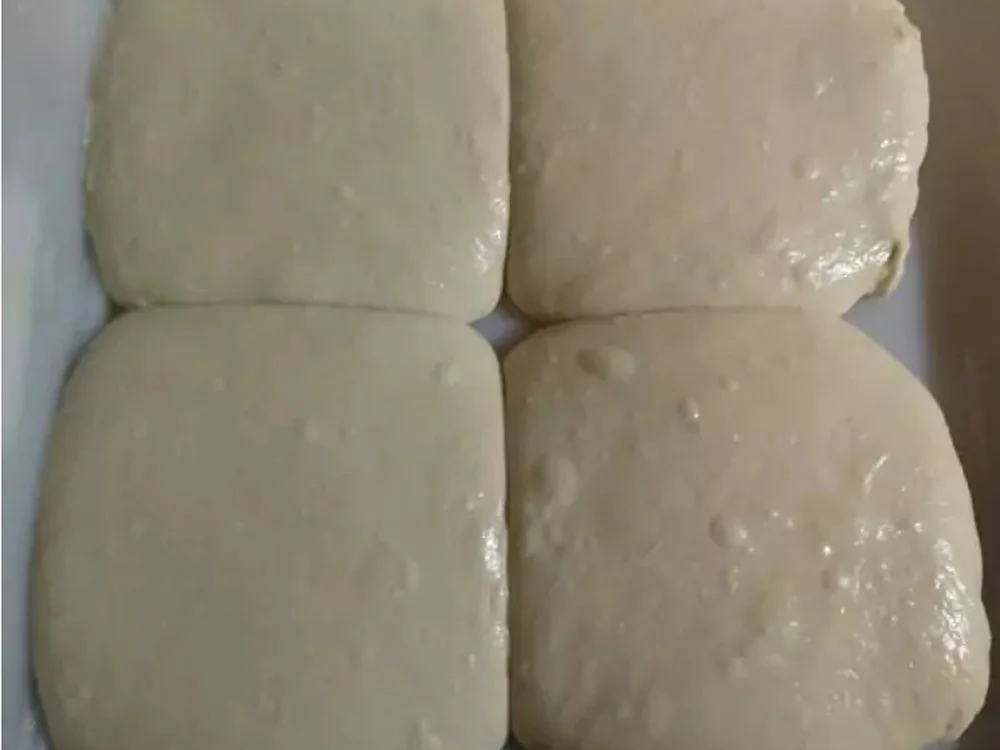
Read the guideSticky is not the same as unworkable. Rest the dough and use a scraper before burying it in flour.
Read the guideCollapse usually means the loaf's structure could not support itself. Check proofing and baking separately.
Read the guideA sunken middle is a structural clue. Check whether the center finished baking before blaming the oven door.
Read the guideTiming is a checkpoint, not a guarantee. Check flour weight, pan size and actual doneness.
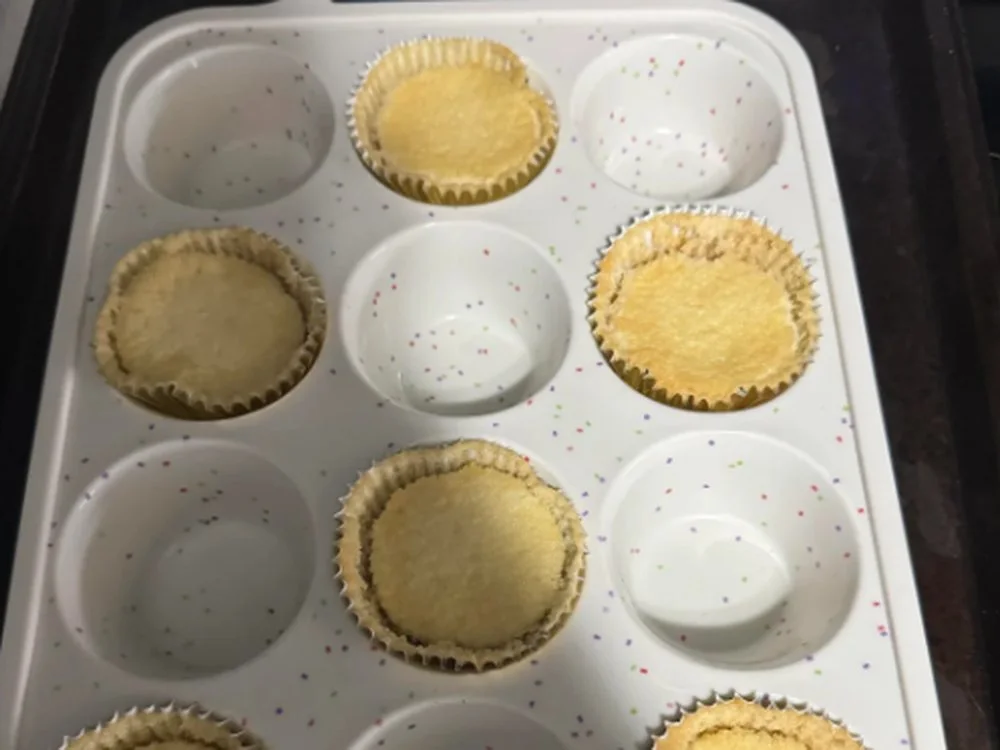
Read the guideFlat cupcakes can be exactly right for frosting. Distinguish a level top from a collapsed center.
Read the guideTest two cookies before baking the whole tray. Warm dough and a warm baking sheet are easy problems to isolate.
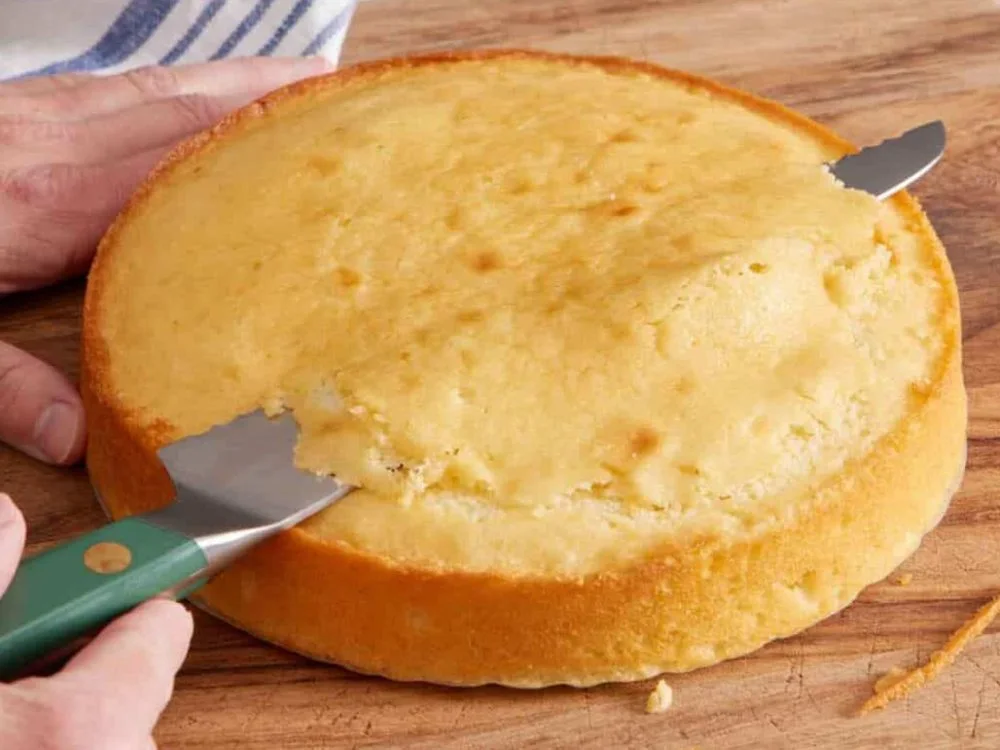
Read the guidePrepare the base and allow the crumb to firm before turning out a cake layer.
Read the guideIdentify the frosting before thickening it. Warm buttercream and loose cream-cheese frosting need different handling.
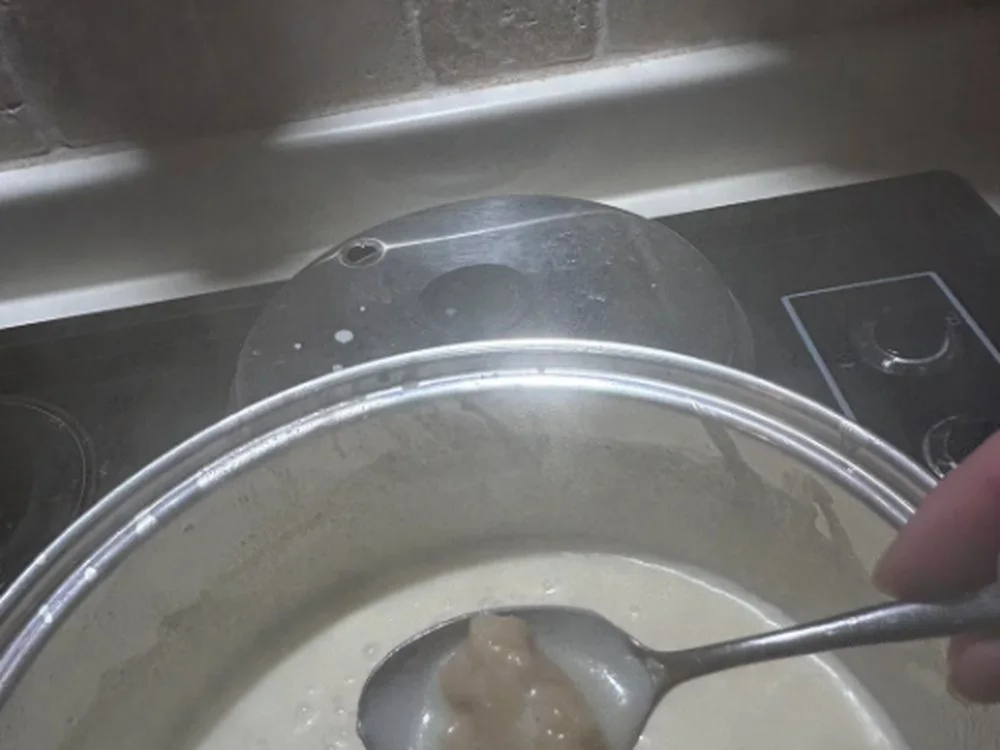
Read the guideTake the sauce off the heat and break up the lumps before cooking it further.
Read the guideStop adding fat. A broken emulsion needs a stable starting point, not more oil.
Read the guideTaste a spoonful before changing the whole pot. Sweetness can balance sharpness without removing acid.
Read the guideChoose between reducing and thickening. Reducing an already salty sauce can make it worse.
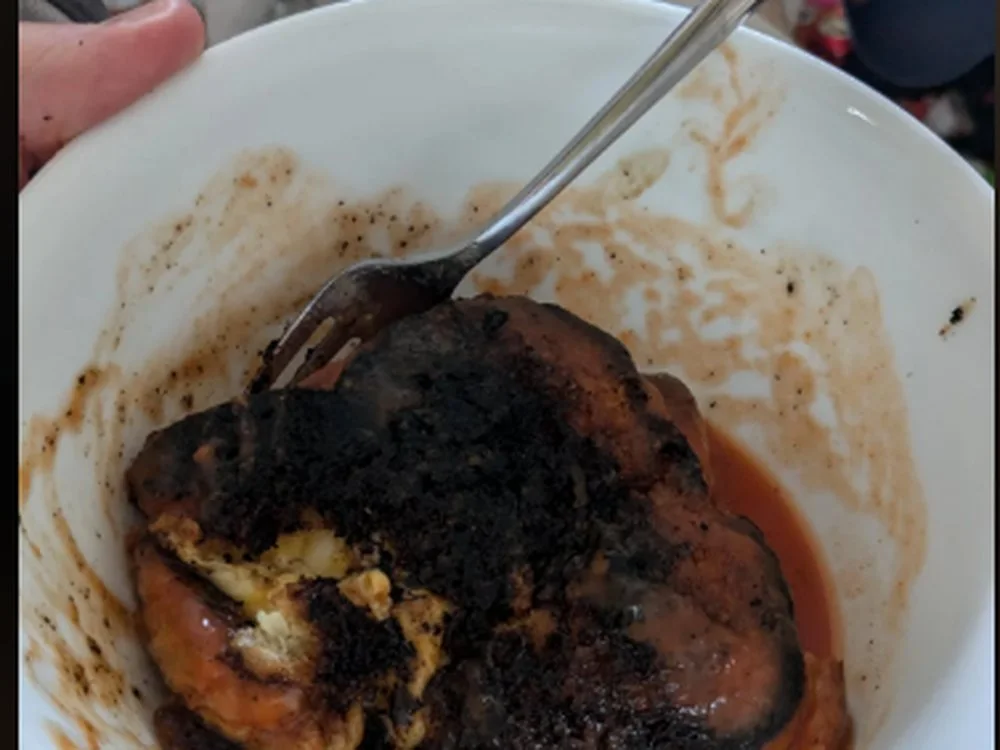
Read the guideStop stirring as soon as you suspect scorching. Transfer the unburned sauce without scraping the bottom.
Read the guideIdentify the cut first. A tough braising cut may need time; a dry lean cut will not improve with hours more cooking.
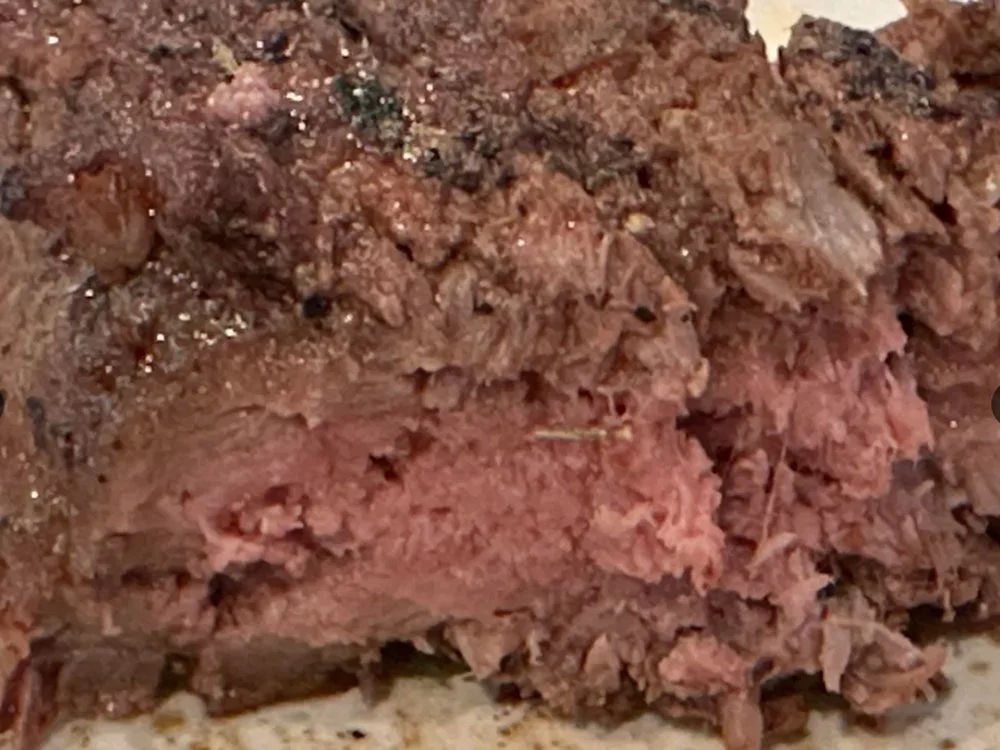
Read the guideUse a thermometer to reach a safe endpoint without continuing far beyond it.
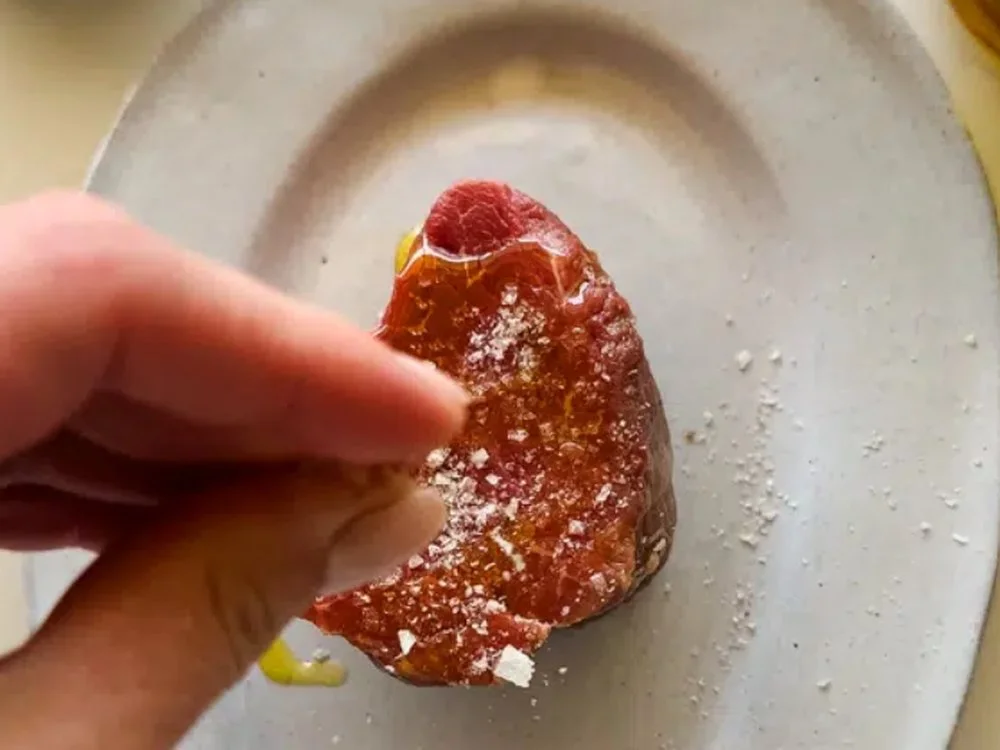
Read the guideA marinade mostly flavors the surface. Salt can move inward; herbs and garlic do not travel deep just because you wait.
Read the guideDry the surface and give the pan space. A pool of liquid prevents an effective sear.
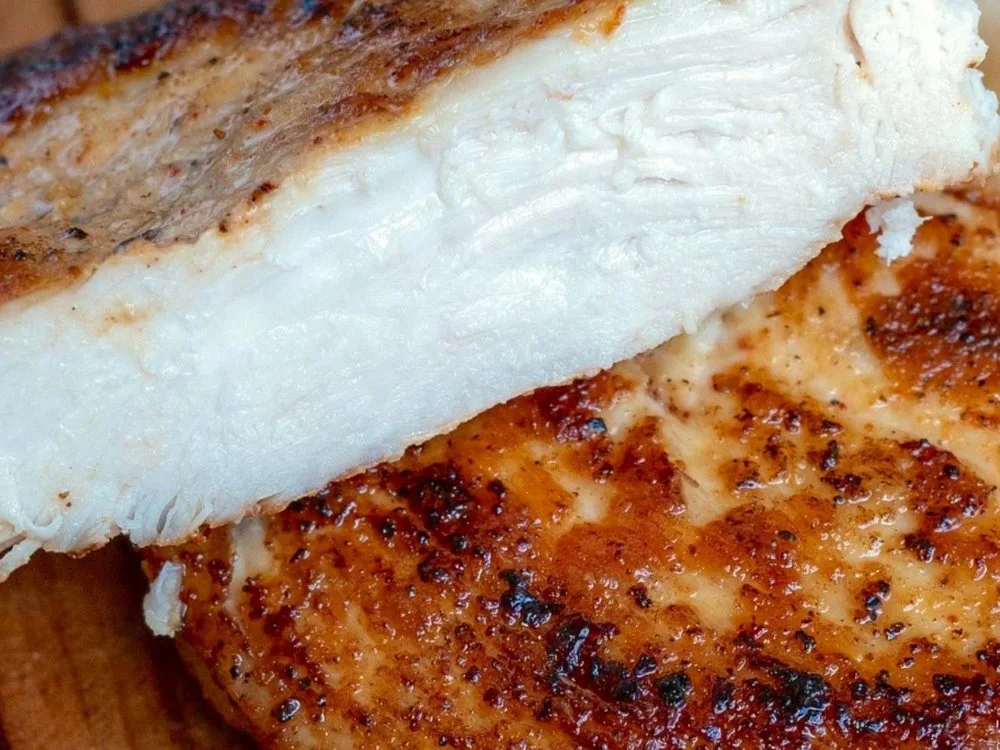
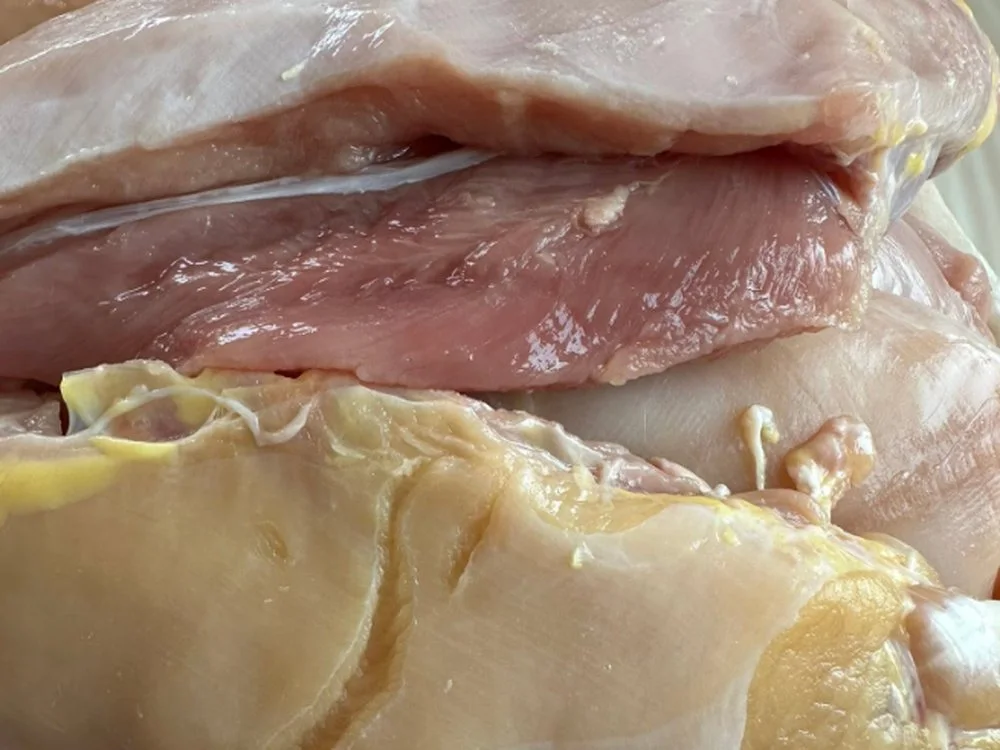
Read the guideColor cannot establish whether chicken is safe. Measure the thickest part with a food thermometer.
Read the guideRemove the custard from heat at the first sign of curds. Continued cooking makes recovery less likely.
Read the guideSeparate seizing from scorching. A thickened mass may be reusable; a burned flavor is not repairable.
Read the guideIdentify the setting agent before changing the dessert. Gelatin, pectin and agar do not work interchangeably.
Read the guideA grainy wet caramel may be redissolved, but first let it cool enough to add water safely.
Read the guideA glossy foam and a dry, clumpy foam are different stages. Stop and inspect rather than continuing at full speed.
Read the guideReliable measurements begin with the unit and the ingredient, not the shape of the cup.
Read the guideCompare the conditions, not just the ingredient list. Pan depth and flour type can change a recipe substantially.
Read the guideResting serves different purposes in meat, bread and cake. Use the timing appropriate to the food.
Read the guideCheck salt measurement before extending fermentation. A beautiful loaf can still be underseasoned.
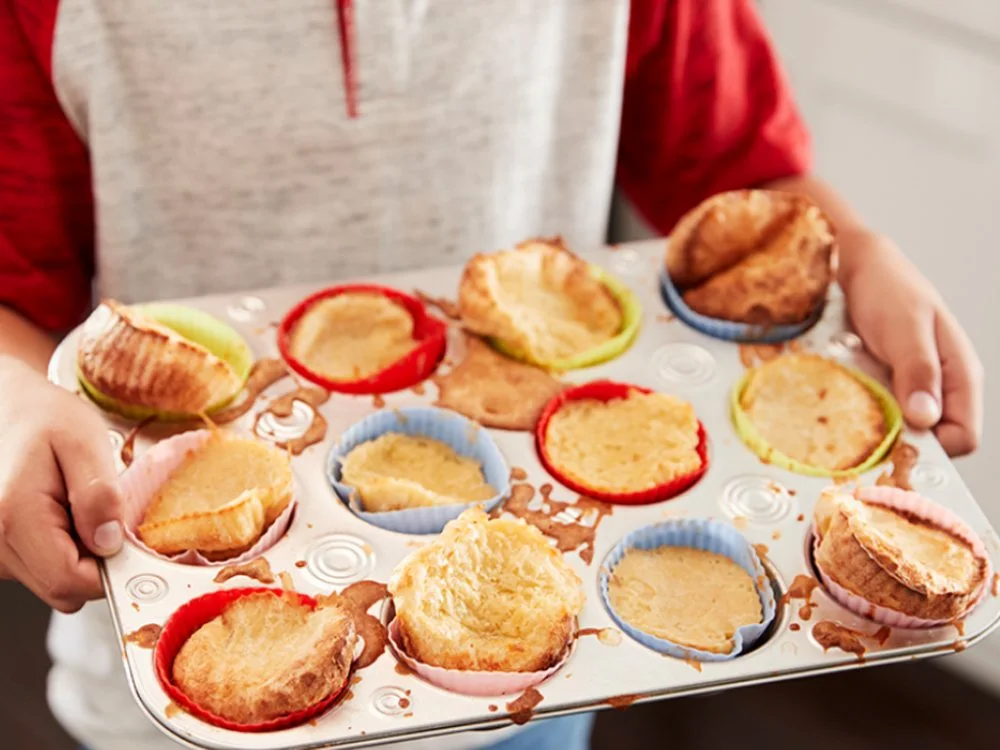
Read the guideWork out whether the base never baked properly or became damp during cooling.
Read the guideIf dough springs back, rest it. If it tears without resistance, investigate strength and fermentation.
Read the guideBread can stale without simply drying out. Freeze portions you will not use soon.
Read the guideA chewy bagel needs the right dough as well as a water bath. Boiling alone cannot turn a soft roll formula into a bagel.
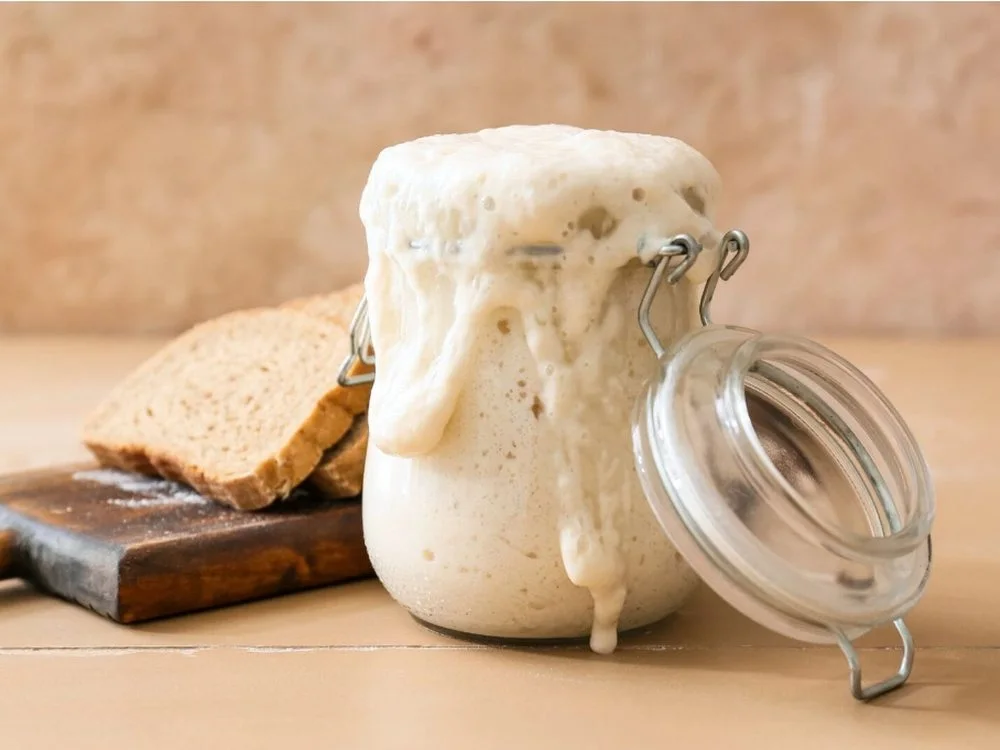
Read the guideA new starter often has a quiet phase. Judge it by repeated rise after feeding, not one burst of bubbles.
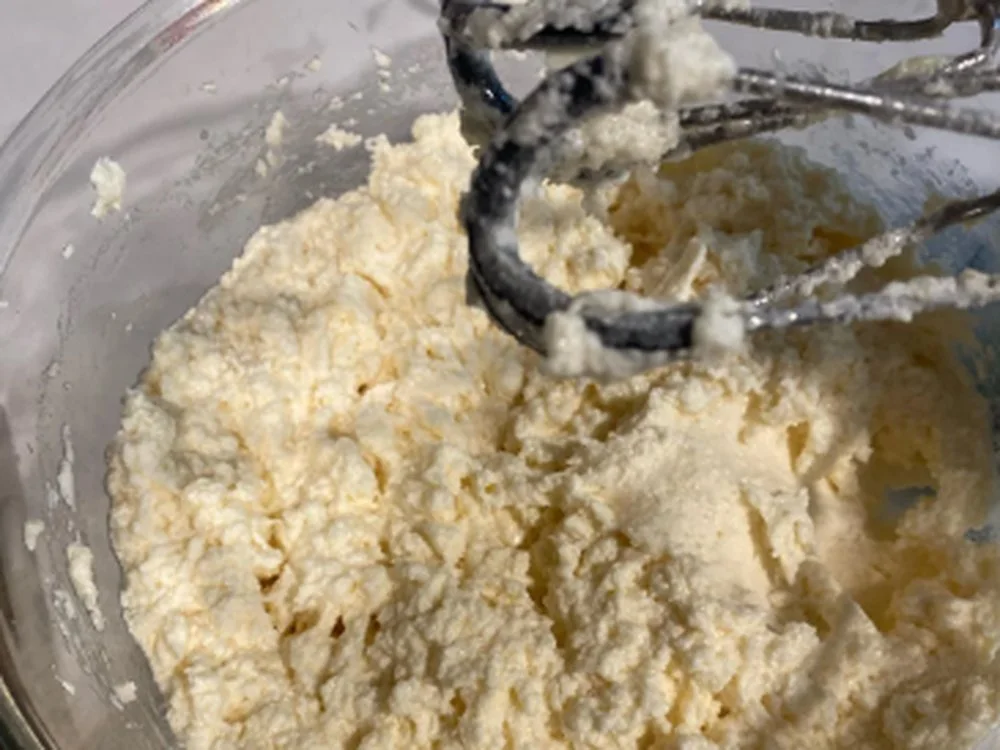
Read the guidePause the mixer and check ingredient temperature. A slightly split batter is not always a ruined cake.
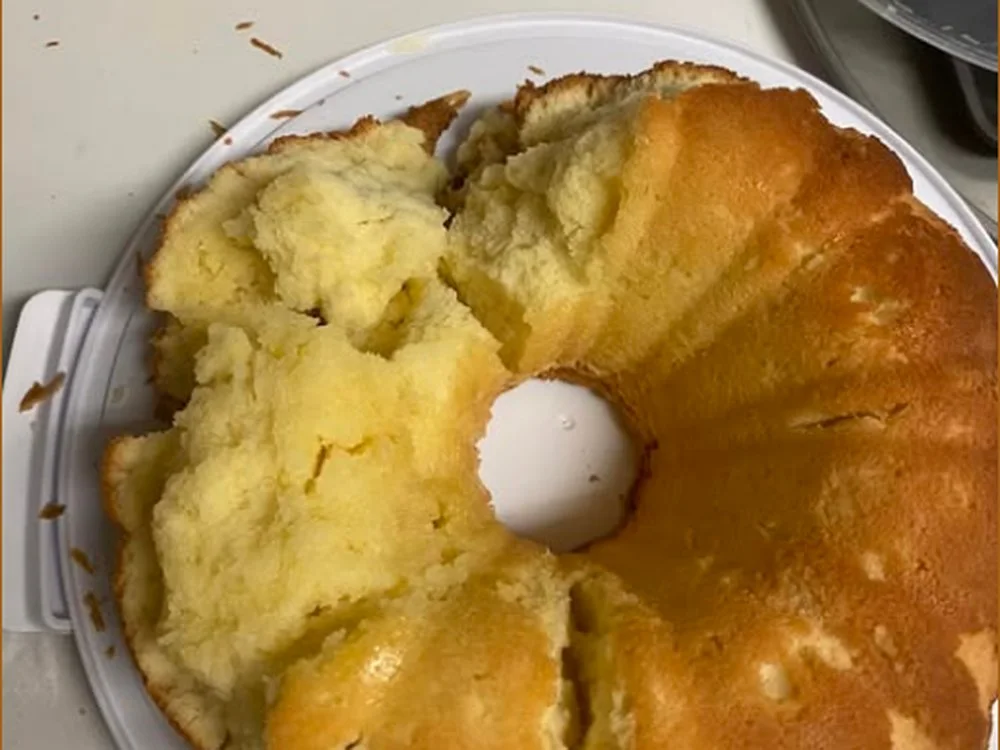
Read the guideThe grooves need complete coverage. A general spray across the top can miss the places where a Bundt grips.
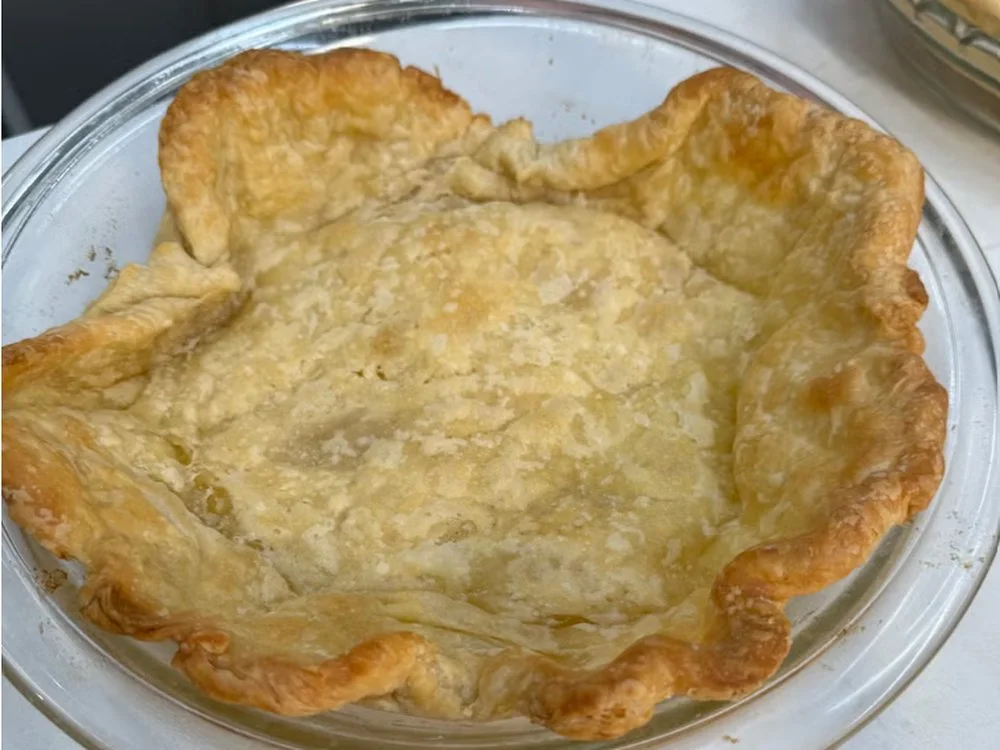
Read the guideEase pastry into the pan. Stretching it to reach the edge stores tension that can pull it back during baking.
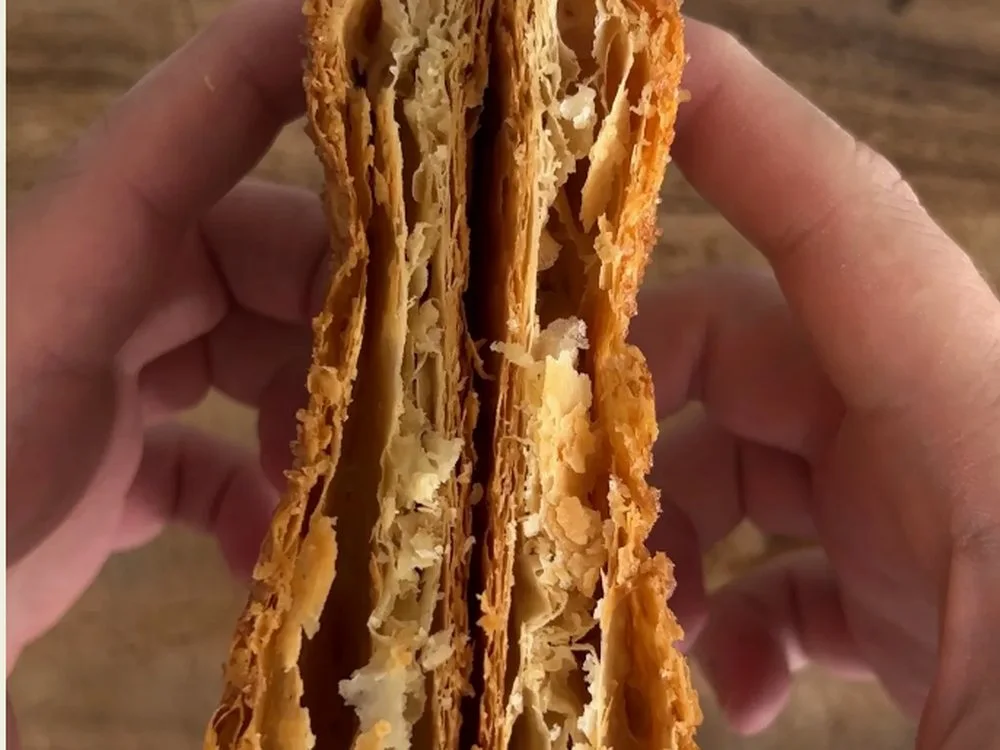
Read the guideKeep the layers distinct and the cut edges open. Warm, compressed pastry has less room to rise.
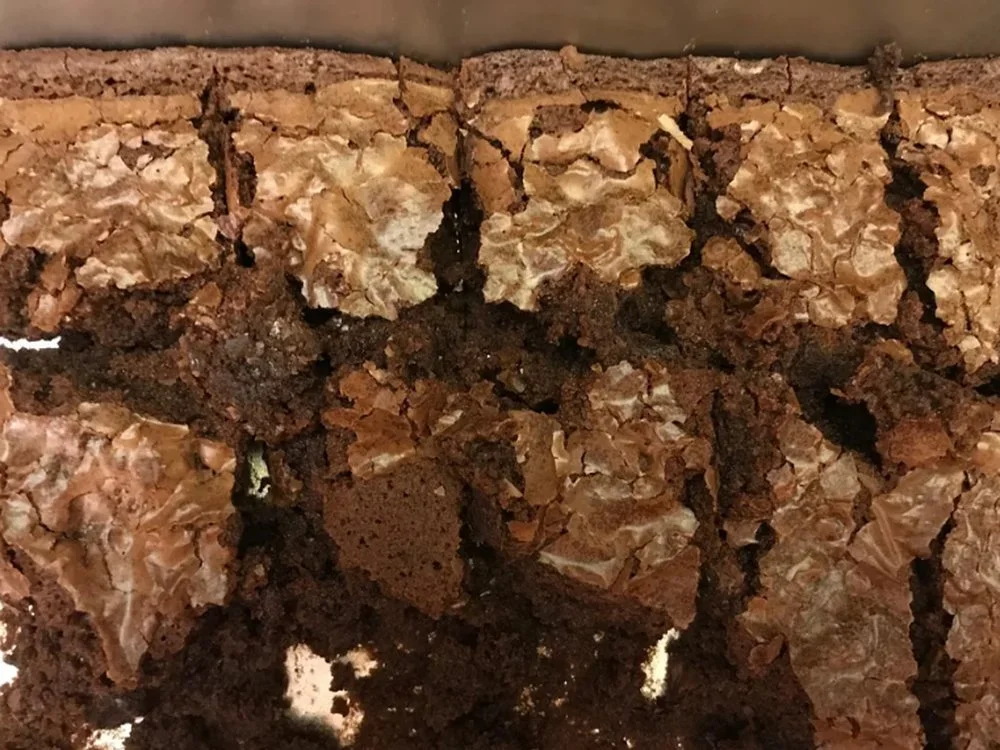
Read the guideChoose a fudgy formula and bake it to that formula's endpoint. Underbaking a cakey recipe is not the same thing.
Read the guideA centered dome and a lopsided cake are different problems. Check the pan's level before changing the recipe.
Read the guideAdd enough liquid to cover the browned deposits and let it simmer. Black burned residue should not become sauce.
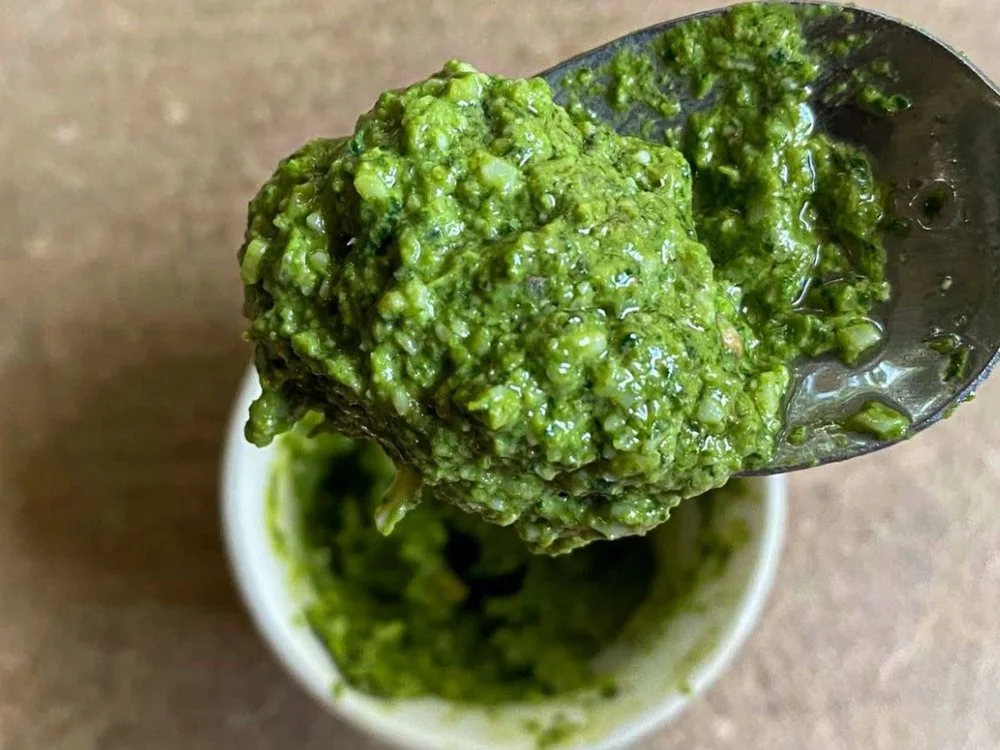
Read the guideReduce air exposure and avoid excessive processing heat. Brown color alone does not tell you whether pesto is safe.
Read the guideA gravy can be thick before its flavor is ready. Keep the heat controlled and give the flour time to cook.
Read the guideSeparation is normal in a simple oil-and-vinegar dressing. Shake again unless you need a longer-lasting emulsion.
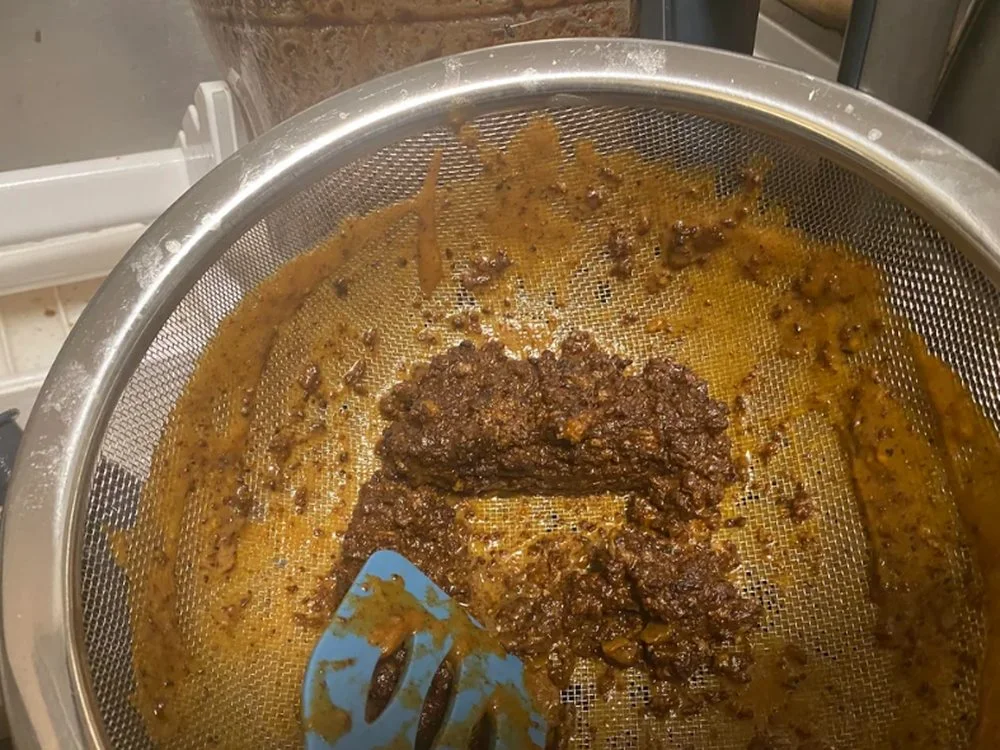
Read the guideOil on top is not always a fault. Some curry methods deliberately separate fat to develop flavor.
Read the guideTake the pan off direct heat before adding more cheese. More heat often worsens graininess.
Read the guideStop adding salt and compare small samples. The missing element may be aroma, acidity or concentration.
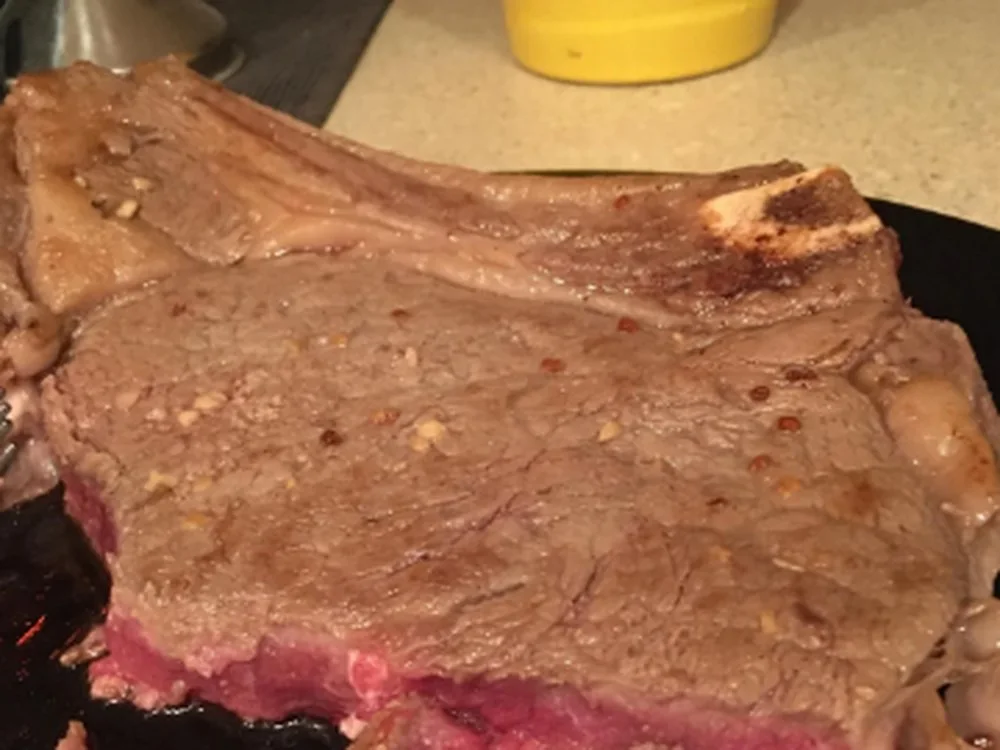
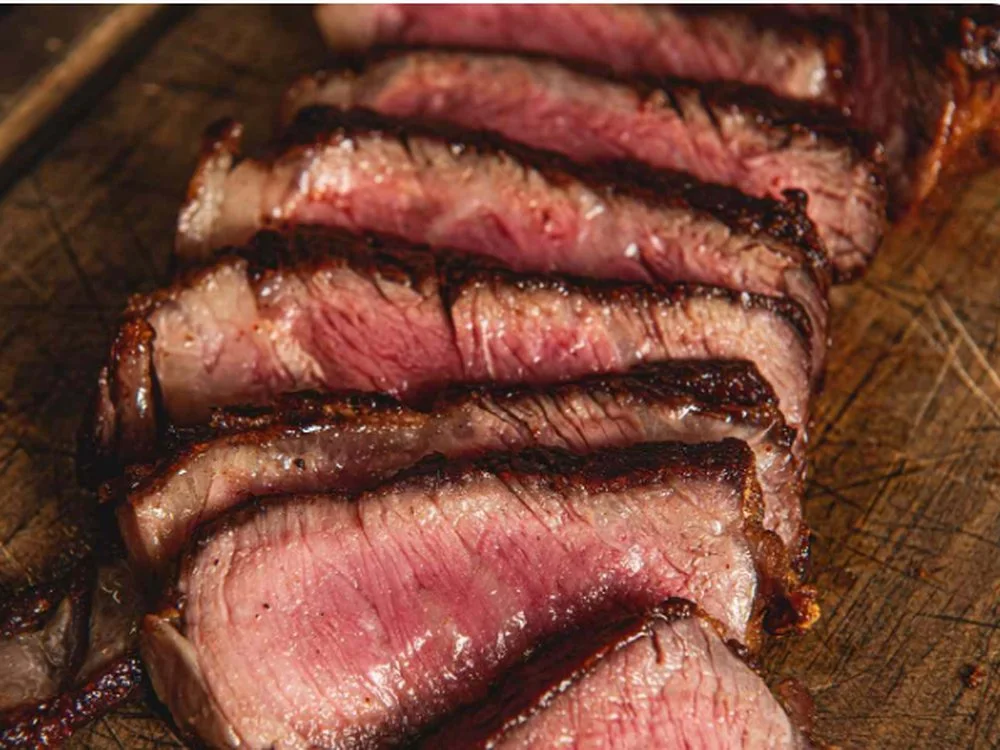
Read the guideFind the grain before slicing. Resting cannot shorten long muscle fibers or undo overcooking.
Read the guideModerate heat gives fat time to render before the strip tightens into a curl.
Read the guideHandle gently and salt the outside near cooking time. A heavily mixed patty can develop a sausage-like bite.
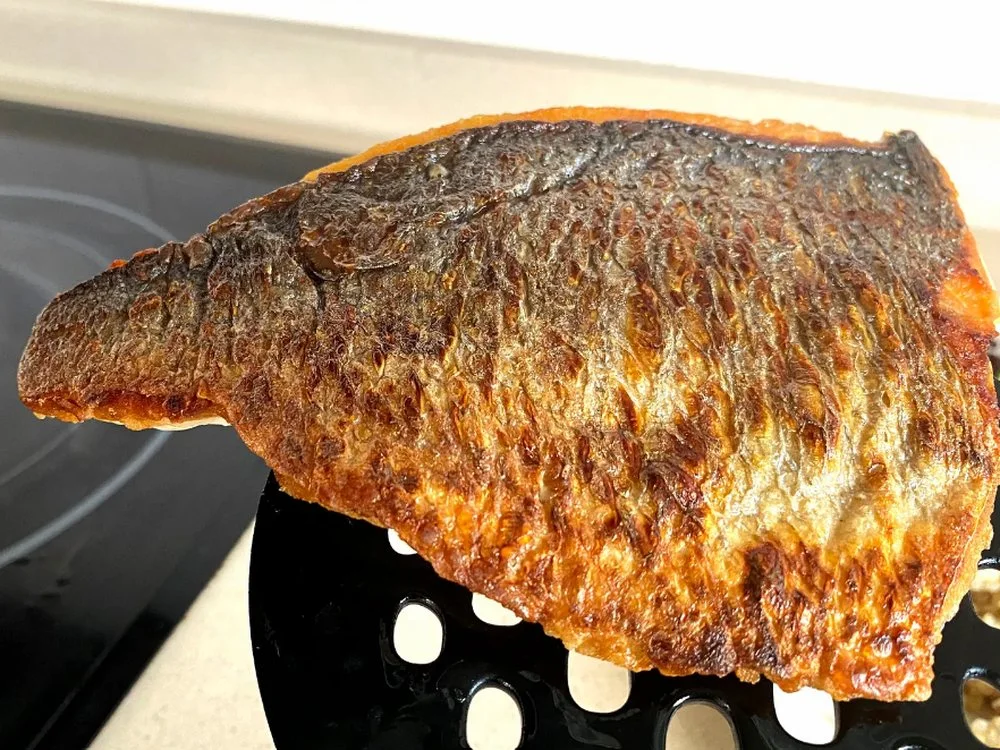
Read the guideTest release gently. Forcing the first flip can tear a delicate fillet before its surface has set.
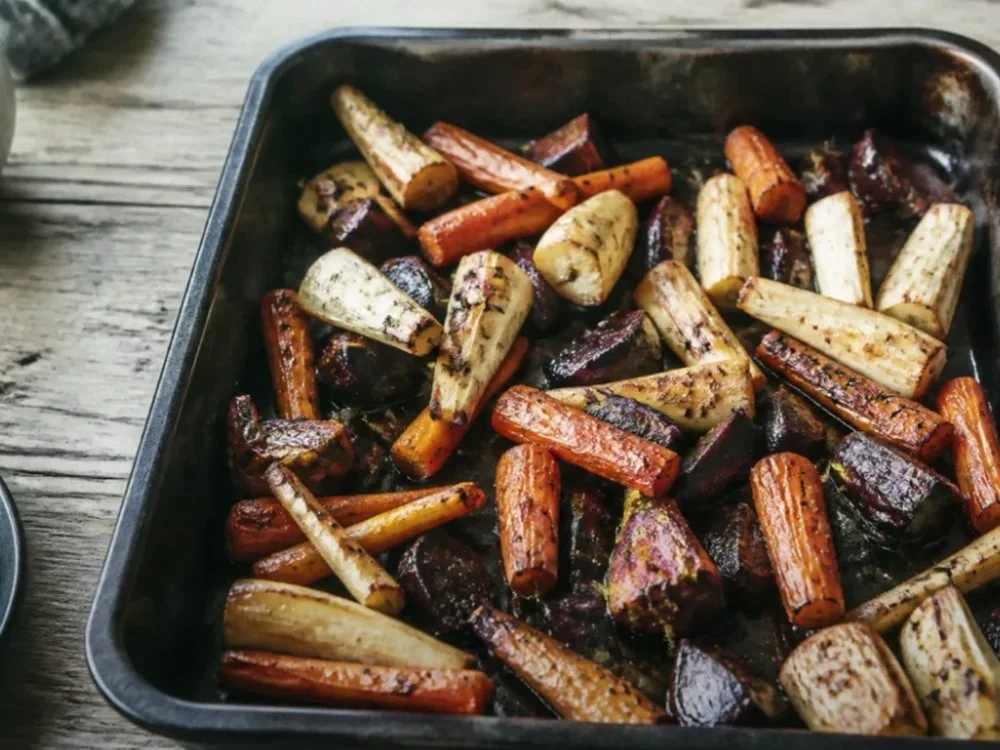
Read the guideUse a roomy tray and dry vegetables. Browning needs moisture to escape.
Read the guideMeasure the breast and thigh separately. A whole turkey contains parts with different cooking behavior.
Read the guideKeep crisp skin facing air, not sauce. Plating can undo the pan's work within minutes.
Read the guideAt the first grainy look, stop whipping. Mild overwhipping and fully formed butter are different endpoints.
Read the guideStart with a cold base and a properly prepared machine. A warm base slows freezing and encourages a coarse texture.
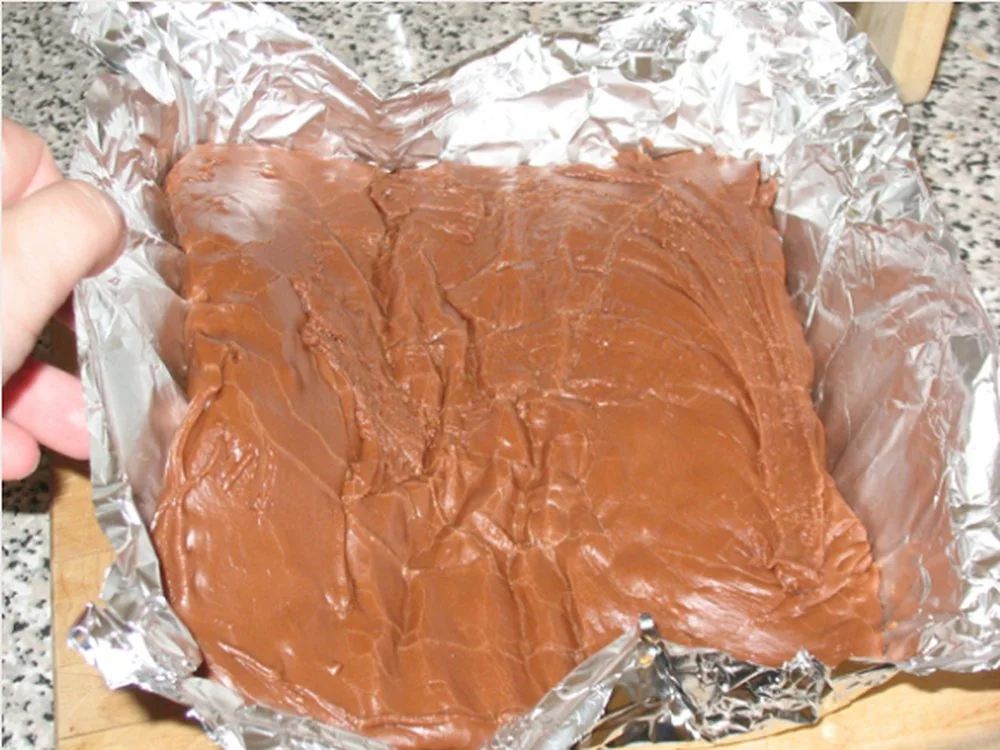
Read the guideTraditional fudge needs controlled crystallization. Coarse crystals can form if the cooling and beating stages are mistimed.
Read the guideChange one variable at a time. Cracked tops and missing feet do not point to one universal cause.
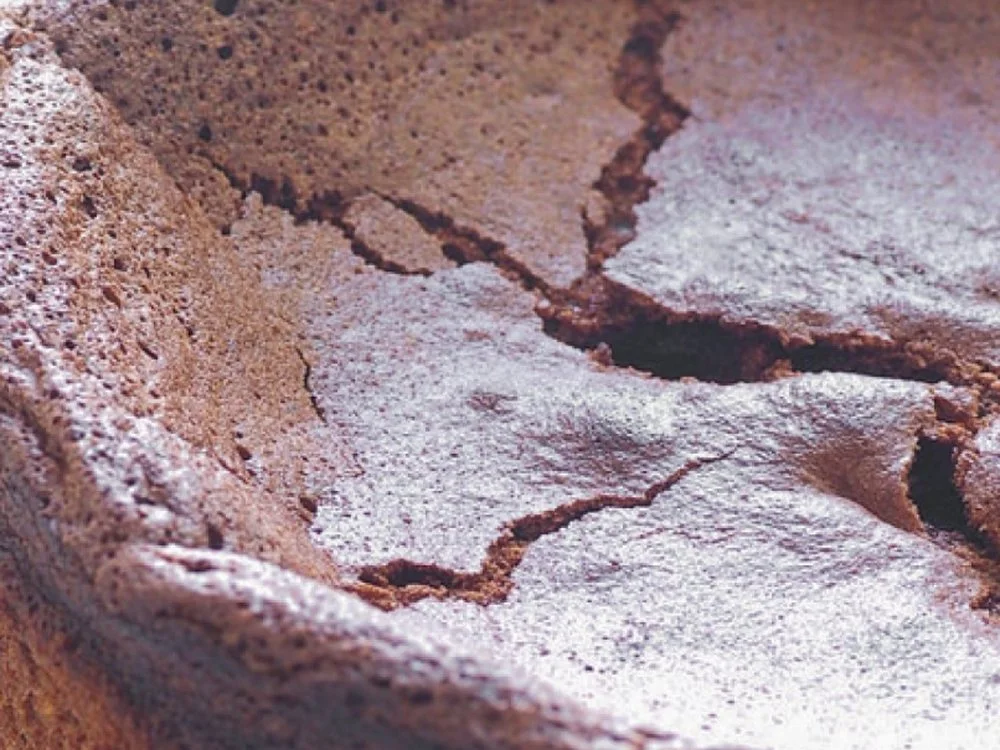
Read the guideA crack is often cosmetic. Check overbaking and cooling before changing the filling formula.
Read the guideIdentify whether the lumps are starch, cooked egg or simply cold pastry cream that needs smoothing.
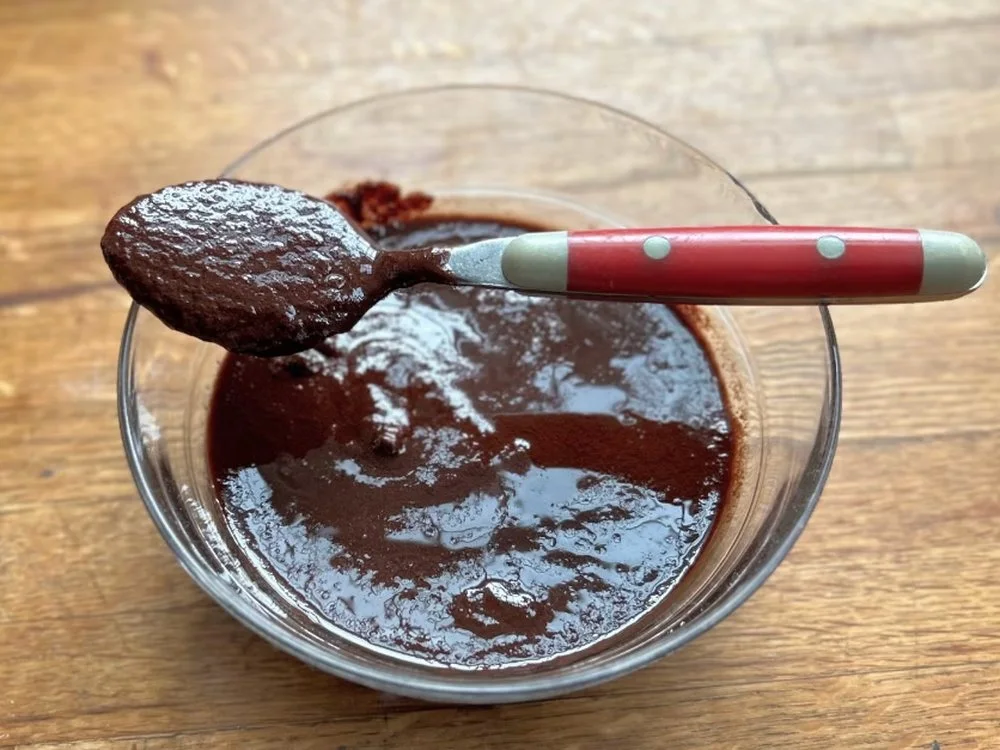
Read the guideAn oily ganache may need a small liquid adjustment and gentle mixing, not another handful of chocolate.
Read the guideSeparate preparation, heating and cooking time. A recipe's clock may begin after your pan is already hot.
Read the guideUse controlled preheating, enough fat and patience. Stainless steel is not a nonstick surface.
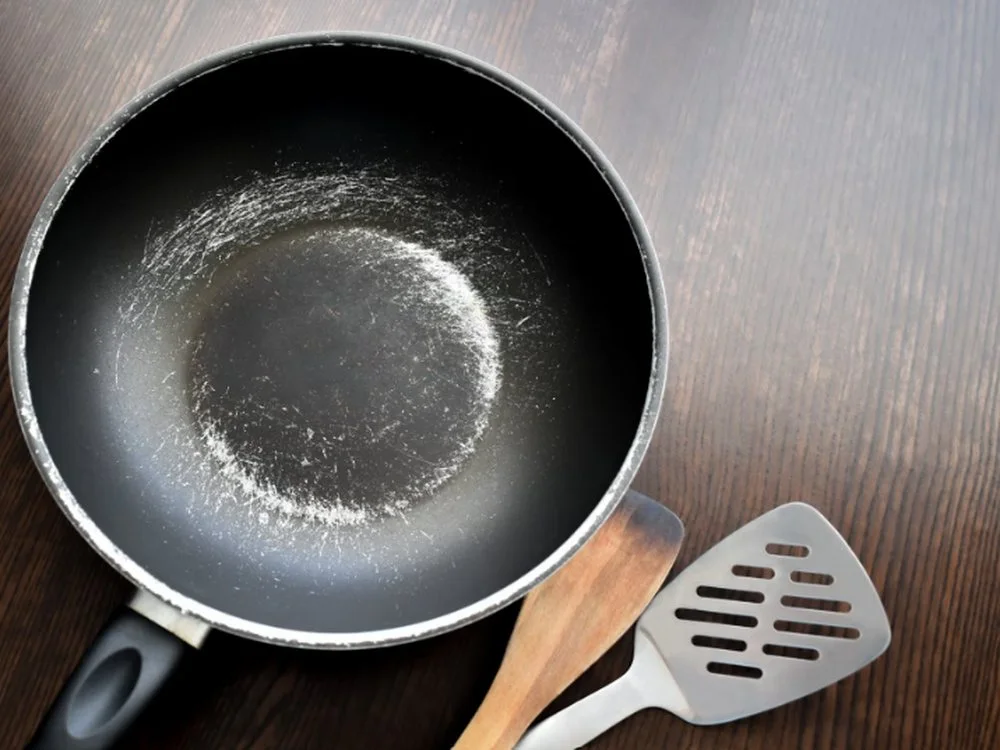
Read the guideCheck for residue and coating damage. Cleaning can remove buildup; it cannot restore a worn coating.
Read the guideCheck the salt by weight and taste the whole bite. More salt cannot supply a missing flavor.
Read the guideMatch thickness, not just length. A thick chunk and a thin slice will not finish together.
Read the guideDistinguish wilting from spoilage. Limp leaves may recover; slimy or moldy herbs should be discarded.
Read the guideSort produce by its condition and storage needs instead of putting every item in the same drawer.
Read the guideChoose a reheating method for the texture, but establish safe storage first.
Read the guideKeep a short oven log. A single thermometer glance cannot describe a cycling oven.
Read the guideTry a shorter ingredient or a broader symptom, such as “bread” or “dry”.