Meat & fish / GUIDE 20
Why Marinated Meat Doesn't Absorb Much Flavor
A marinade mostly flavors the surface. Salt can move inward; herbs and garlic do not travel deep just because you wait.

01 / READ THE SIGNS
Start with what you can observe.
Look for the pattern that matches your result before changing the recipe.
- Well-flavored surface, plain center: that can be normal in a thick cut.
- Mushy surface after a long acidic soak: more time is counterproductive.
- Salty outside: check marinade concentration and any pre-seasoning.
02 / RIGHT NOW
Can you save this batch?
For cooked meat, slice across the grain and serve with a fresh, separately prepared sauce or reserved uncontaminated marinade. Do not pour used raw-meat marinade onto cooked food. If reusing it as a sauce, follow food-safety guidance and bring it to a boil first.
03 / THE NEXT ATTEMPT
Make the change that matters.
- Choose a marinade recipe suited to the cut and its thickness.
- Marinate covered in the refrigerator, not on the counter.
- Reserve a clean portion before raw meat touches it if you want a finishing sauce.
04 / A LITTLE UNDERSTANDING
What's happening underneath.
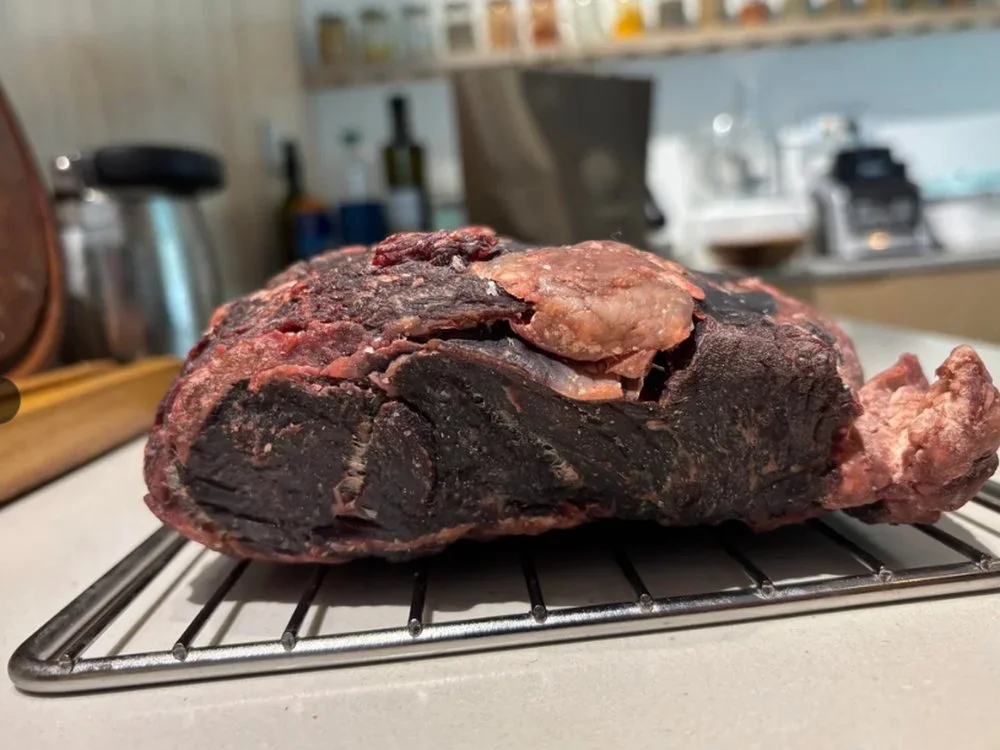
Salt diffuses into meat over time, while many aromatic compounds remain near the surface. Acid changes surface proteins; it is not a vehicle that carries all seasoning to the middle. Piercing or scoring also changes handling and cooking considerations.
Do not promise that an overnight soak will season a thick roast uniformly.
05 / ONE GOOD QUESTION
Should every marinade contain acid?
No. Acid is a flavor and texture choice, not an essential requirement for salt to season meat. Too much acid or time can damage the outer texture.
06 / KEEP READING
References & related reading
Continue with these external resources on the relevant technique or safety guidance. They are independent of Rosu.
A note for your next attempt.
Record one change and what happened. Notes stay in this browser; they are not sent to Rosu.
Found something that needs a closer look? Send a correction. Read our editorial approach and food safety essentials.
FOLLOW THE THREAD
A little more useful reading.
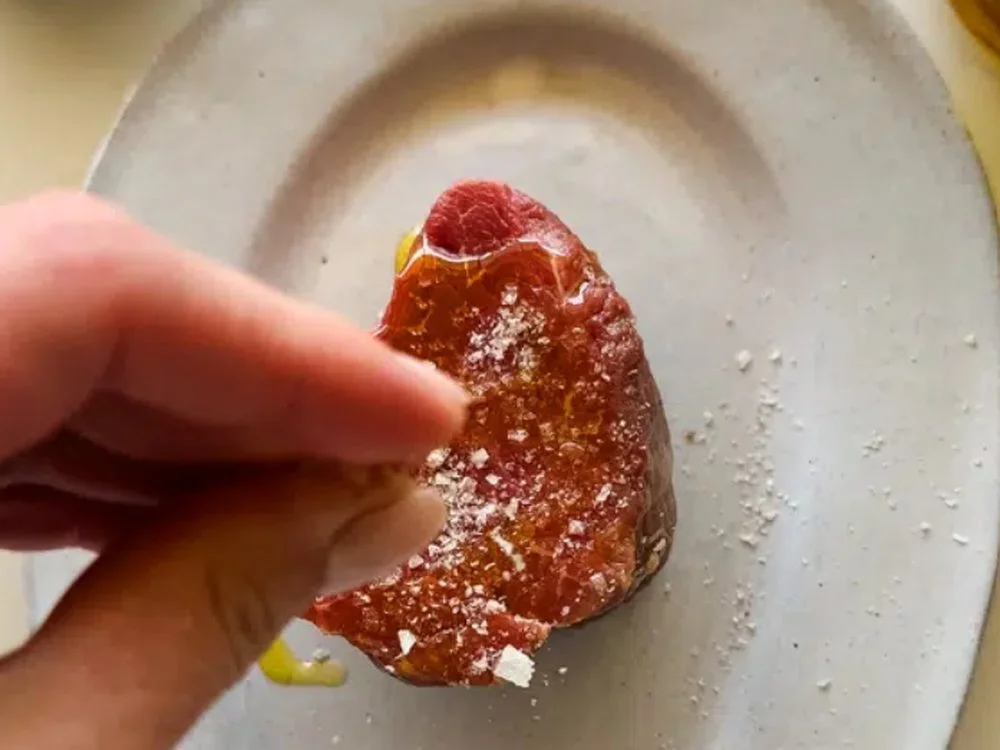
Why Salt Doesn't Seem to Do Much in Some Dishes
Check the salt by weight and taste the whole bite. More salt cannot supply a missing flavor.
Read the guide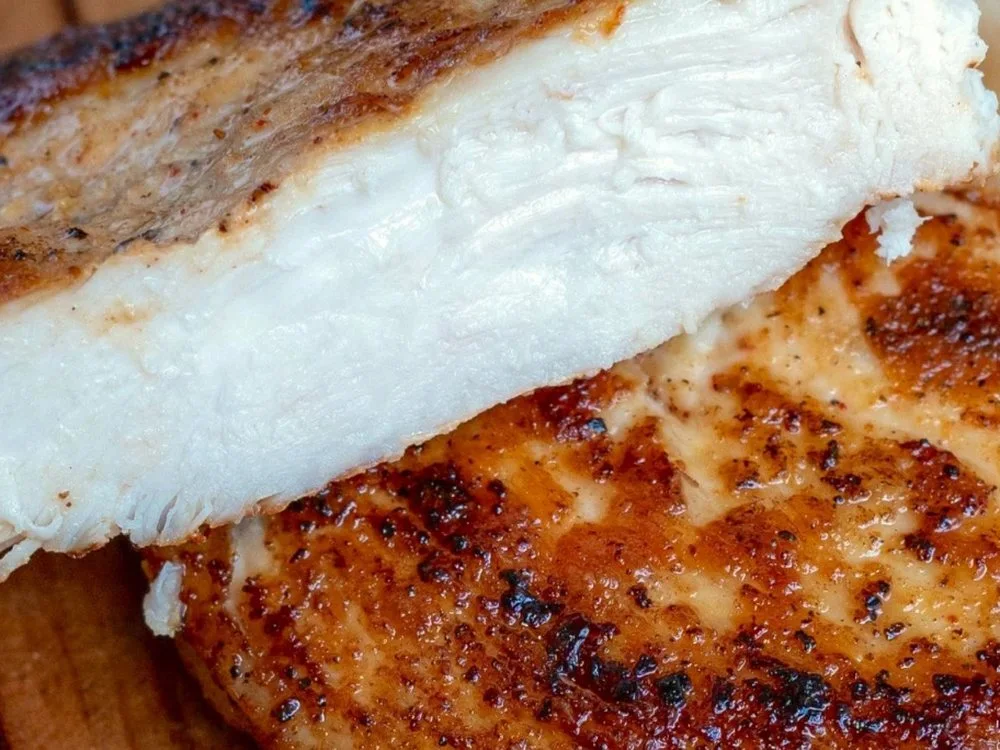
Why Grilled Chicken Comes Out Dry Inside
Use a thermometer to reach a safe endpoint without continuing far beyond it.
Read the guide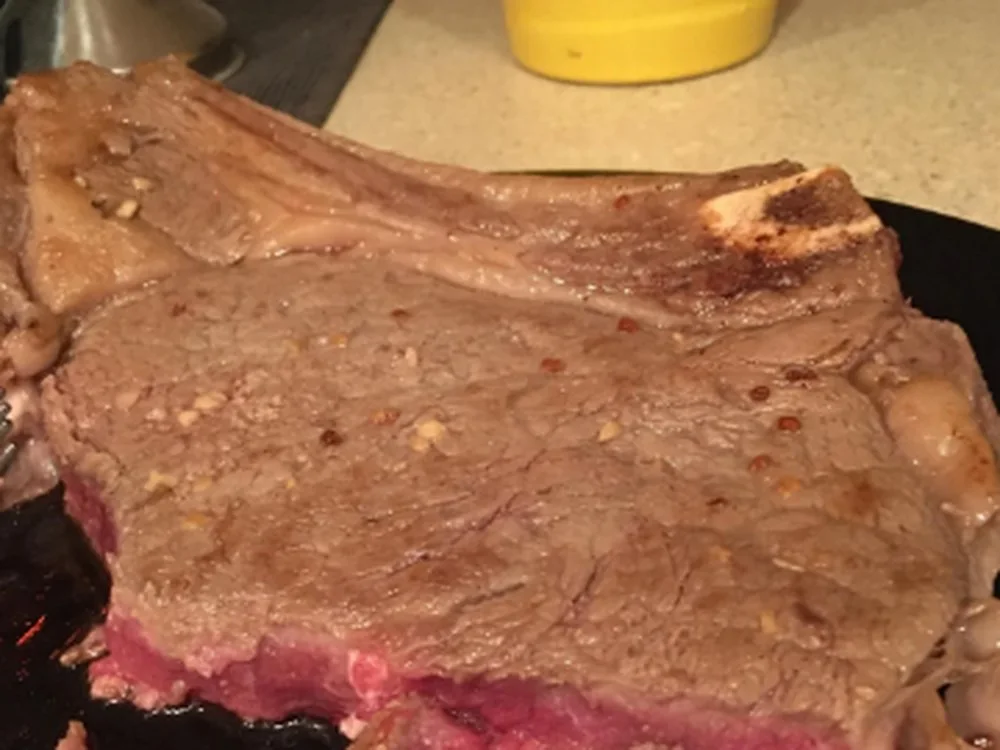
Why Seared Meat Turns Gray Instead of Crisp and Brown
Dry the surface and give the pan space. A pool of liquid prevents an effective sear.
Read the guide