Meat & fish / GUIDE 21
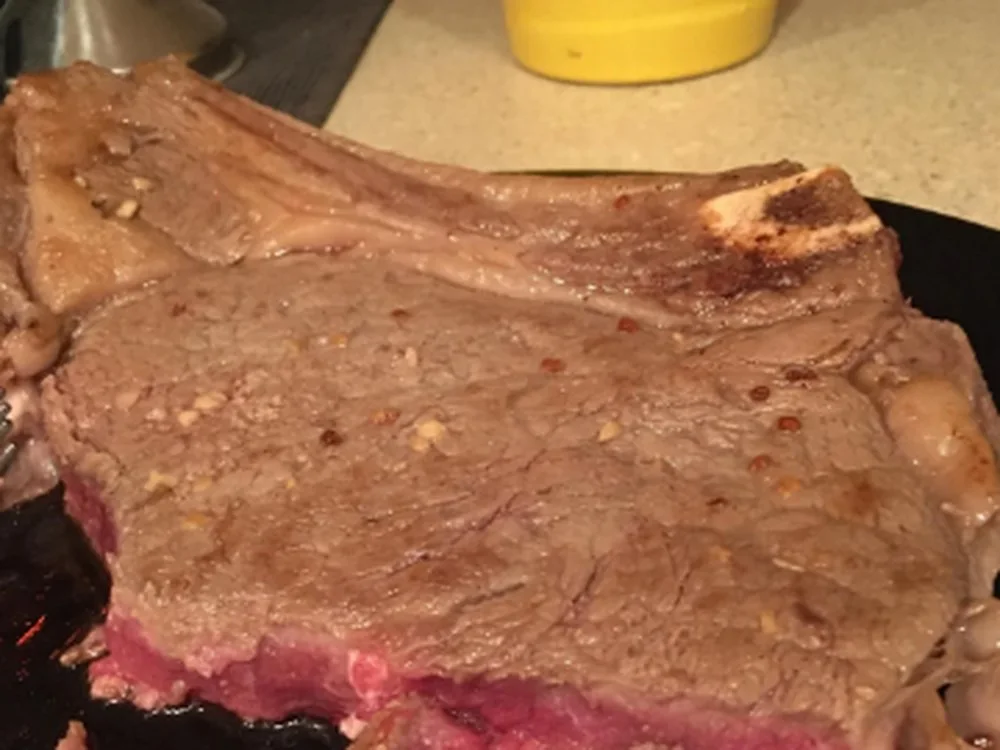
Why Seared Meat Turns Gray Instead of Crisp and Brown
Dry the surface and give the pan space. A pool of liquid prevents an effective sear.
01 / READ THE SIGNS
Start with what you can observe.
Look for the pattern that matches your result before changing the recipe.
- Liquid accumulates around the meat: the pan may be crowded.
- Meat went in wet: surface moisture must evaporate first.
- Oil smokes fiercely before loading: the pan may be unnecessarily hot.
02 / RIGHT NOW
Can you save this batch?
If the meat is not yet cooked through, work in smaller batches and let excess surface moisture evaporate before pursuing more color. If it is already at its safe endpoint, prolonged searing can dry it out; serve with a flavorful sauce rather than sacrificing the interior.
03 / THE NEXT ATTEMPT
Make the change that matters.
- Pat the surface dry and use a suitable pan.
- Preheat appropriately and leave visible space between pieces.
- Let the first side brown before moving it repeatedly, adjusting heat if drippings start to burn.
04 / A LITTLE UNDERSTANDING
What's happening underneath.
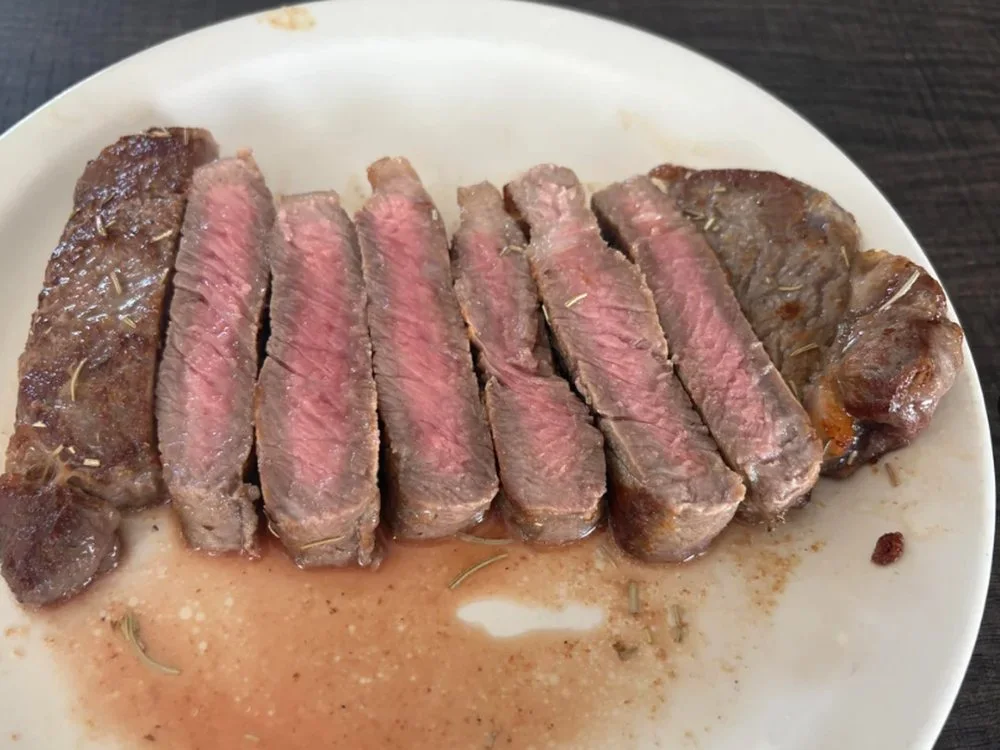
Browning reactions accelerate on a hot, relatively dry surface. Evaporating water consumes energy and keeps a wet surface cooler. That is why dry meat and sensible batch size often matter more than the highest burner setting.
Do not use a dark crust as evidence that the center has reached a safe temperature.
05 / ONE GOOD QUESTION
Can I sear in a nonstick pan?
Follow its manufacturer's temperature limits. Stainless steel or cast iron may suit high-temperature searing better; never overheat a coating to chase color.
06 / KEEP READING
References & related reading
Continue with these external resources on the relevant technique or safety guidance. They are independent of Rosu.
A note for your next attempt.
Record one change and what happened. Notes stay in this browser; they are not sent to Rosu.
Found something that needs a closer look? Send a correction. Read our editorial approach and food safety essentials.
FOLLOW THE THREAD
A little more useful reading.

Why Food Sticks to Stainless Steel Pans
Use controlled preheating, enough fat and patience. Stainless steel is not a nonstick surface.
Read the guide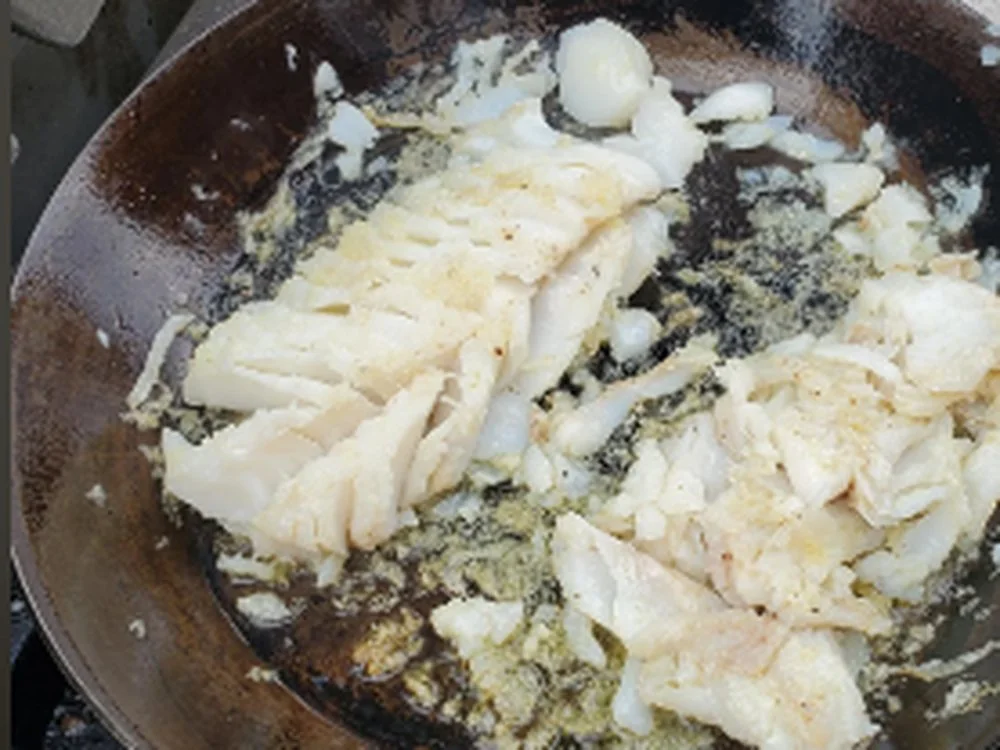
Why Fish Sticks to the Pan and Falls Apart
Test release gently. Forcing the first flip can tear a delicate fillet before its surface has set.
Read the guide
Why Pan Sauce Won't Deglaze Properly
Add enough liquid to cover the browned deposits and let it simmer. Black burned residue should not become sauce.
Read the guide