Why Your Meat Stays Tough Even After Hours of Cooking
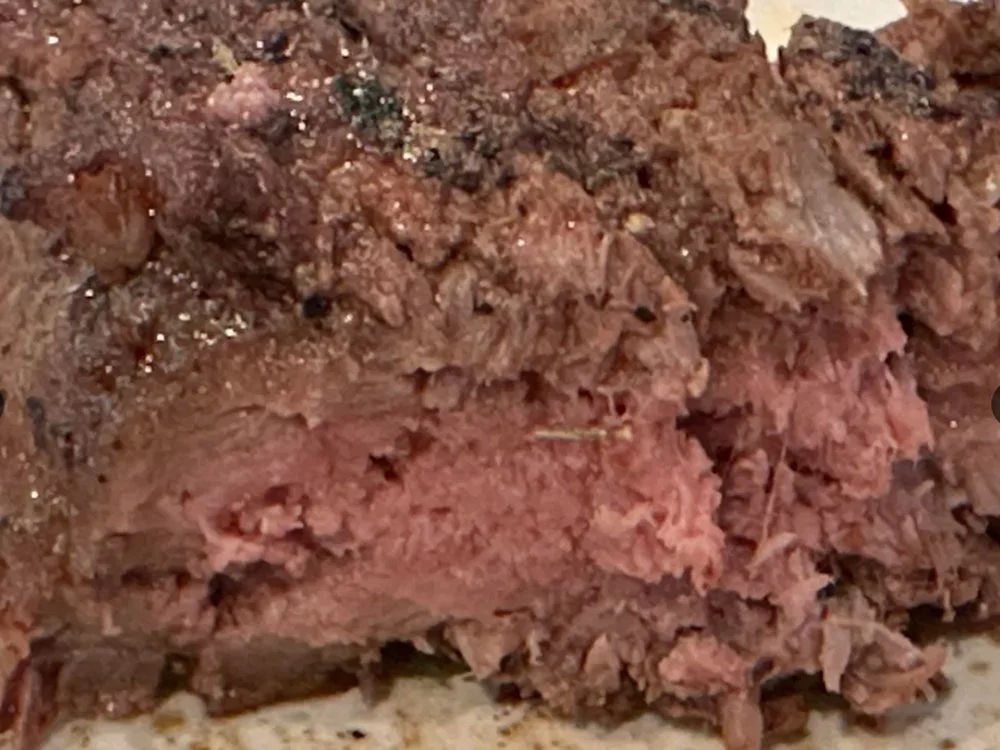
Identify the cut first. A tough braising cut may need time; a dry lean cut will not improve with hours more cooking.
Read the guideA field guide for
the everyday cook.
THE MEAT & FISH EDIT · 11 GUIDES
Searing, tenderness and safe internal temperatures. Choose the question that looks most like yours.
Identify the cut first. A tough braising cut may need time; a dry lean cut will not improve with hours more cooking.
Read the guideUse a thermometer to reach a safe endpoint without continuing far beyond it.
Read the guideA marinade mostly flavors the surface. Salt can move inward; herbs and garlic do not travel deep just because you wait.
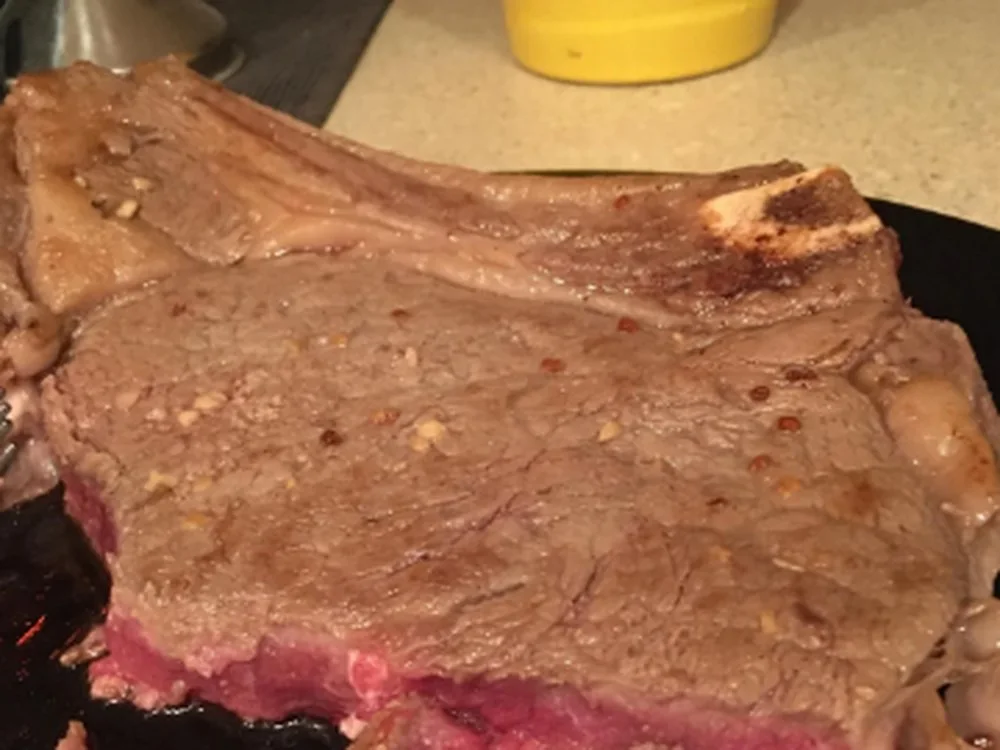
Read the guideDry the surface and give the pan space. A pool of liquid prevents an effective sear.
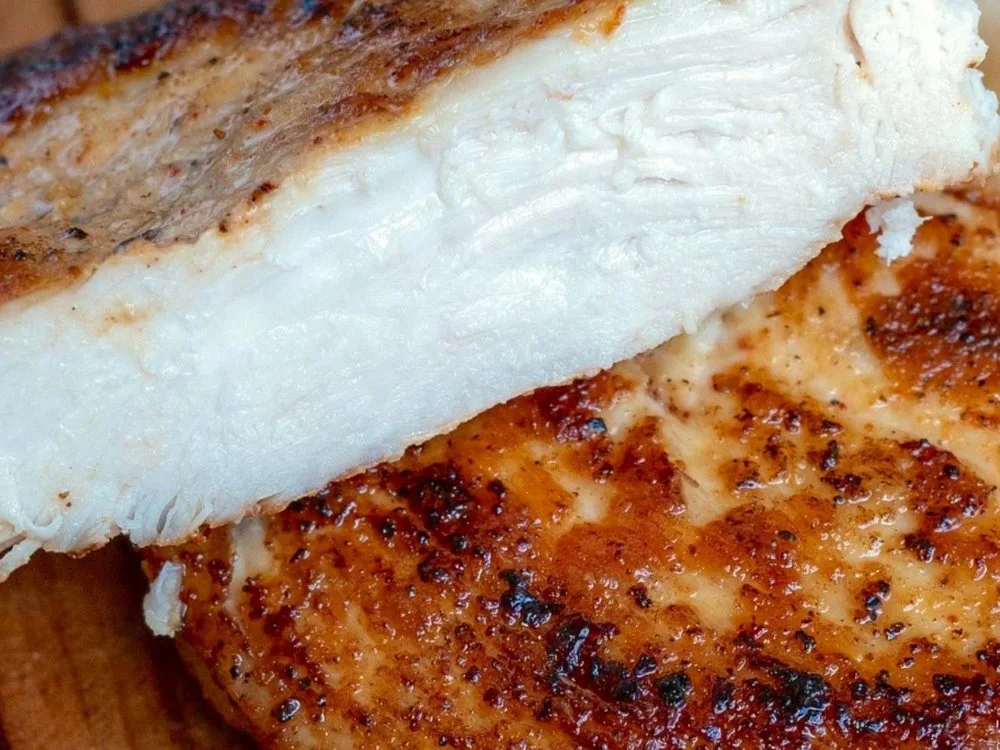
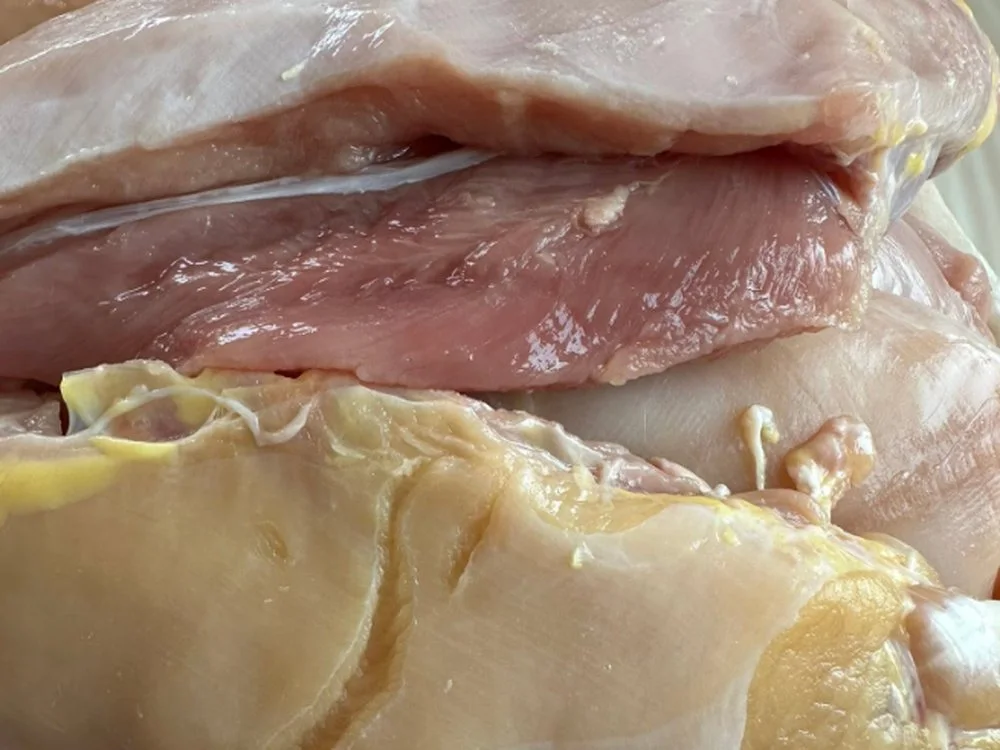
Read the guideColor cannot establish whether chicken is safe. Measure the thickest part with a food thermometer.
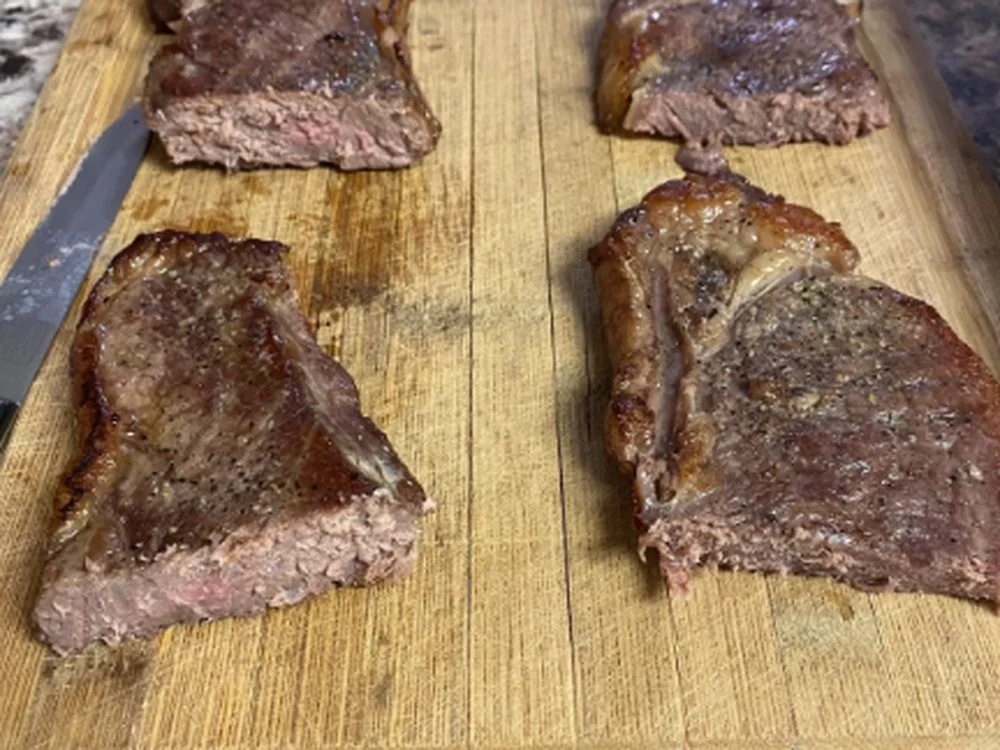
Read the guideFind the grain before slicing. Resting cannot shorten long muscle fibers or undo overcooking.
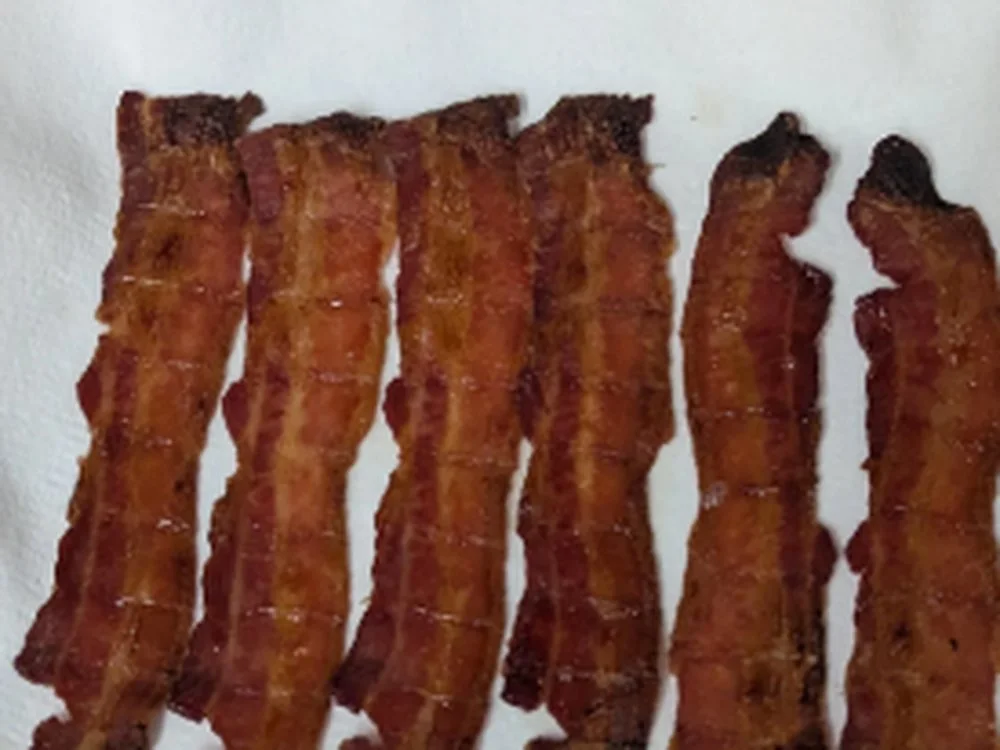
Read the guideModerate heat gives fat time to render before the strip tightens into a curl.
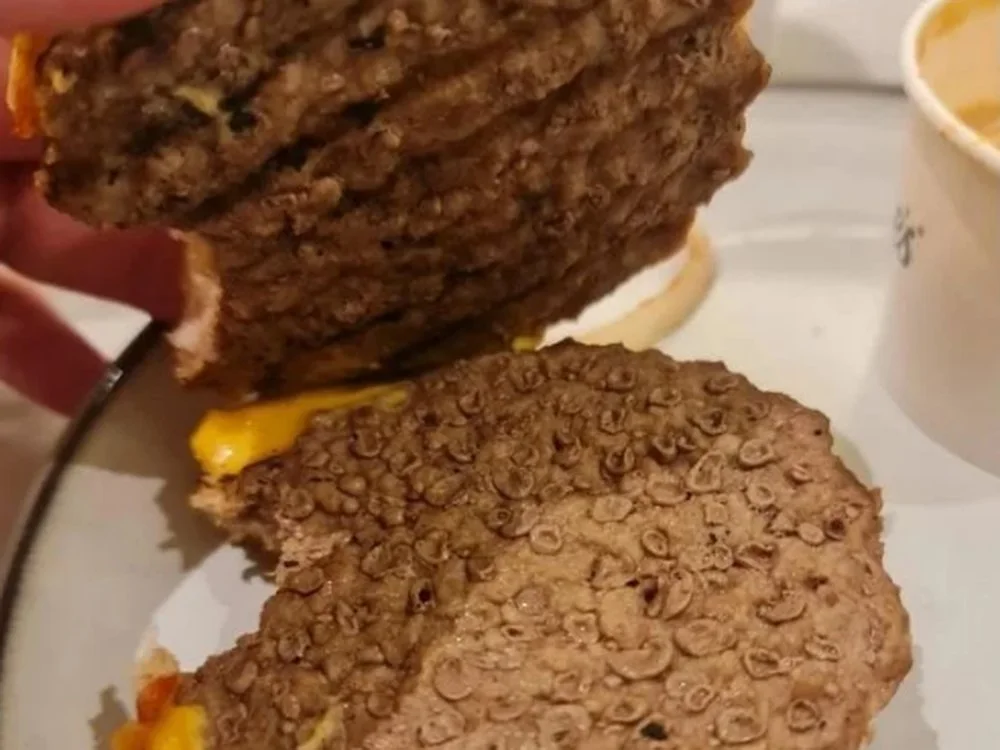
Read the guideHandle gently and salt the outside near cooking time. A heavily mixed patty can develop a sausage-like bite.
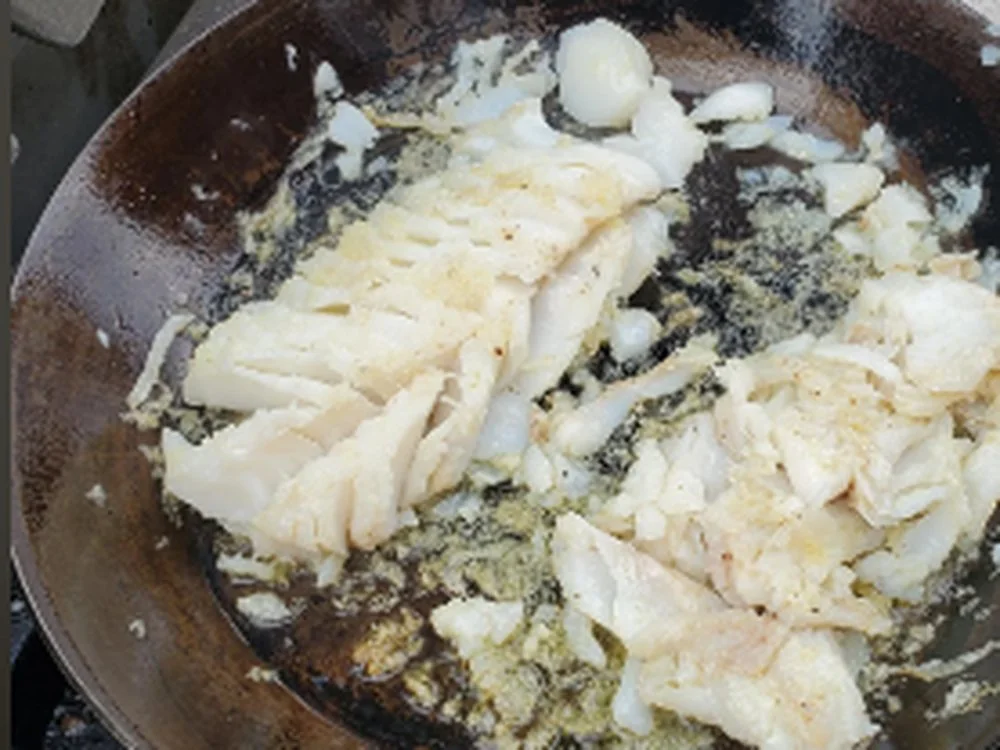
Read the guideTest release gently. Forcing the first flip can tear a delicate fillet before its surface has set.
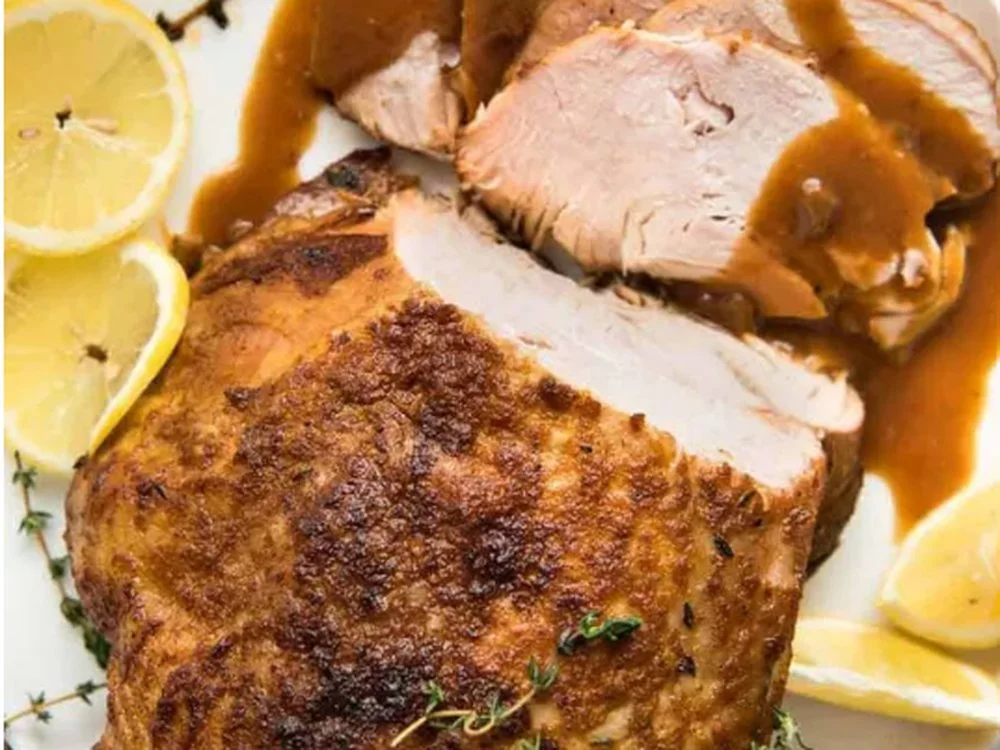
Read the guideMeasure the breast and thigh separately. A whole turkey contains parts with different cooking behavior.
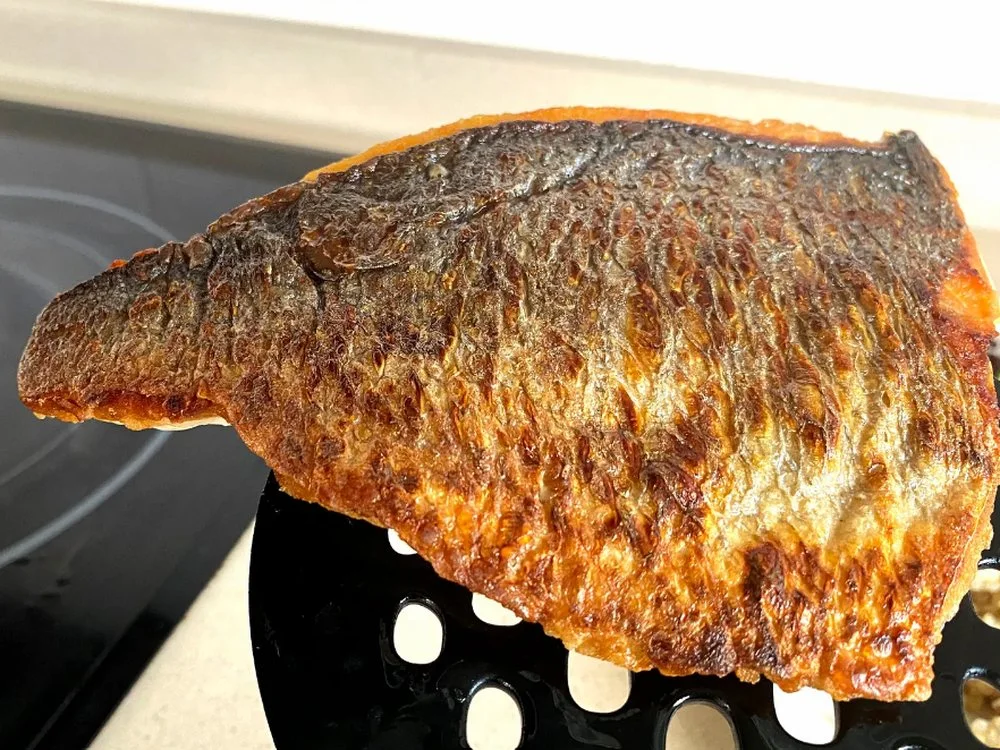
Read the guideKeep crisp skin facing air, not sauce. Plating can undo the pan's work within minutes.
Read the guide