Meat & fish / GUIDE 22
Why Chicken Stays Raw Inside Despite a Golden Outside
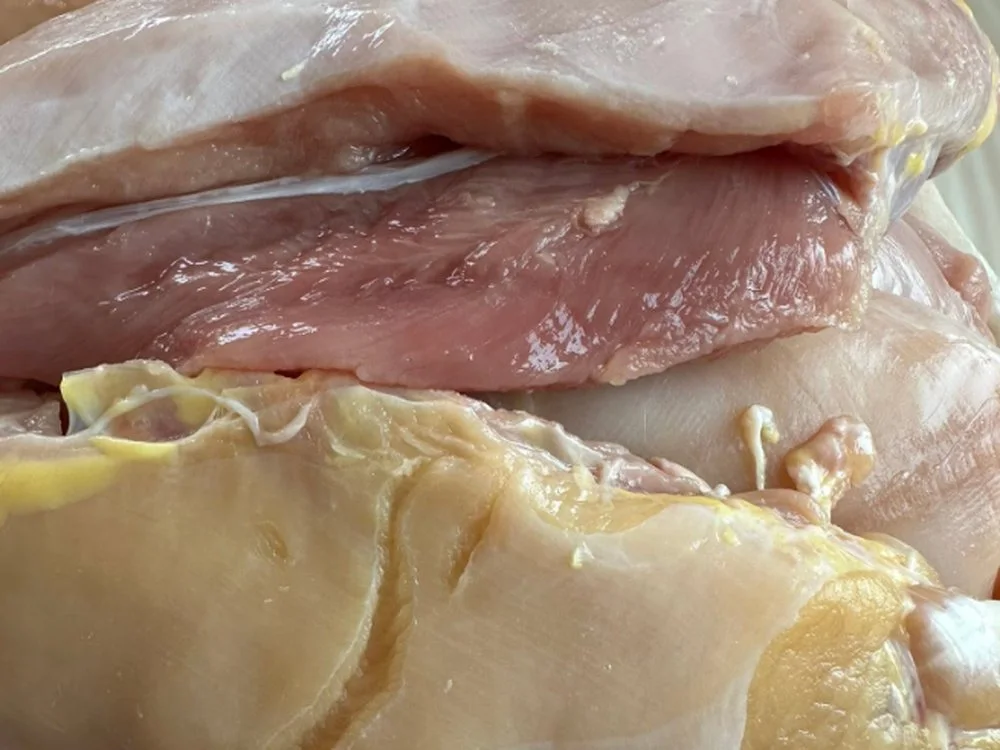
Color cannot establish whether chicken is safe. Measure the thickest part with a food thermometer.
01 / READ THE SIGNS
Start with what you can observe.
Look for the pattern that matches your result before changing the recipe.
- Golden outside, low internal reading: the surface has cooked faster.
- Uneven pieces: check each large piece, not only the smallest.
- Pink meat with a safe reading: color alone may be misleading.
02 / RIGHT NOW
Can you save this batch?
If you discover undercooking during the cooking session, return the chicken promptly to the heat. Use gentler indirect heat or an appropriate oven finish to avoid burning the surface. Confirm 165°F / 74°C in the thickest areas. Do not partially cook chicken for storage and finish it much later.
03 / THE NEXT ATTEMPT
Make the change that matters.
- Use evenly sized pieces or flatten thick breast portions before cooking.
- Insert the probe into the thickest part without touching bone; check multiple areas.
- Clean utensils and plates that touched raw chicken before using them for cooked food.
04 / A LITTLE UNDERSTANDING
What's happening underneath.
The outside receives heat first. Browning can happen while the center remains cooler, and safely cooked poultry can sometimes retain pink coloration. Internal temperature, rather than the color of meat or juices, is the useful safety check.
Do not taste chicken to test whether it is cooked.
05 / ONE GOOD QUESTION
Does resting replace the temperature check?
No. This guide uses the straightforward USDA endpoint of 165°F / 74°C. Do not assume a fixed rest will compensate for an unverified center.
06 / KEEP READING
References & related reading
Continue with these external resources on the relevant technique or safety guidance. They are independent of Rosu.
A note for your next attempt.
Record one change and what happened. Notes stay in this browser; they are not sent to Rosu.
Found something that needs a closer look? Send a correction. Read our editorial approach and food safety essentials.
FOLLOW THE THREAD
A little more useful reading.
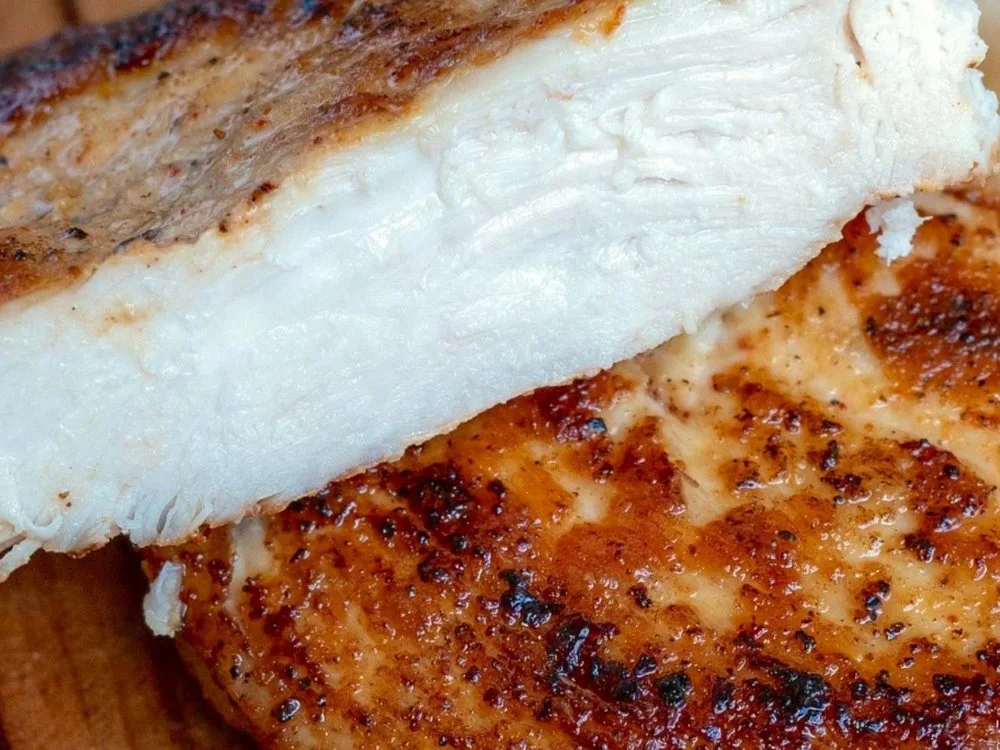
Why Grilled Chicken Comes Out Dry Inside
Use a thermometer to reach a safe endpoint without continuing far beyond it.
Read the guide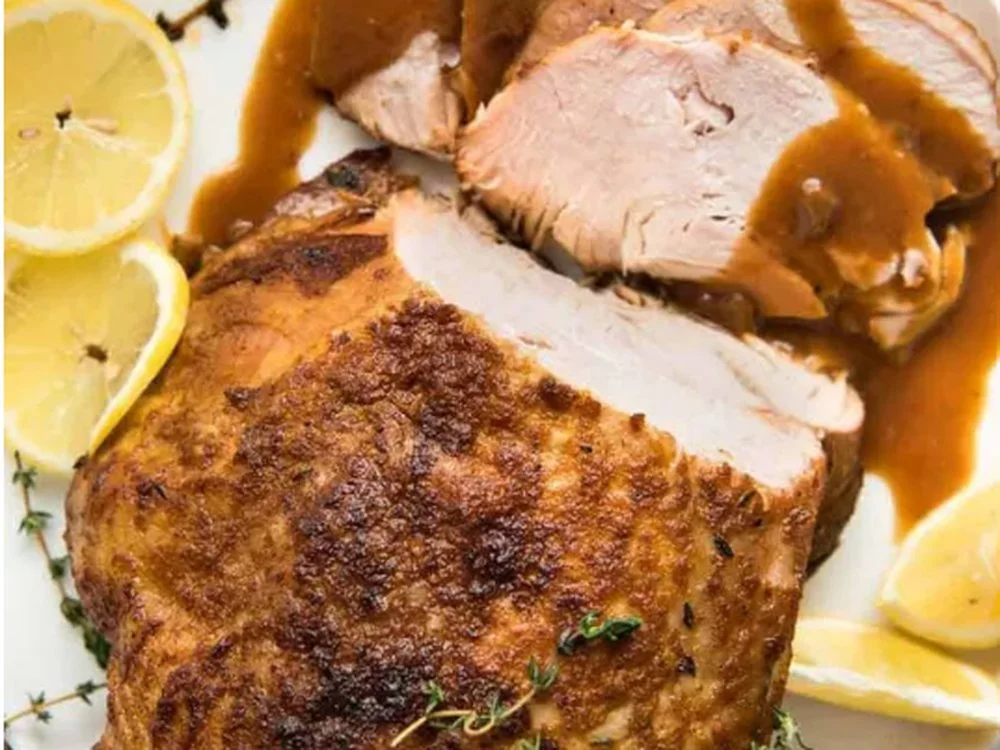
Why Turkey Breast Dries Out Before the Legs Finish Cooking
Measure the breast and thigh separately. A whole turkey contains parts with different cooking behavior.
Read the guide
Why Reheated Leftovers Taste Worse Than Fresh
Choose a reheating method for the texture, but establish safe storage first.
Read the guide