Kitchen fundamentals / GUIDE 71
Why Reheated Leftovers Taste Worse Than Fresh
Choose a reheating method for the texture, but establish safe storage first.
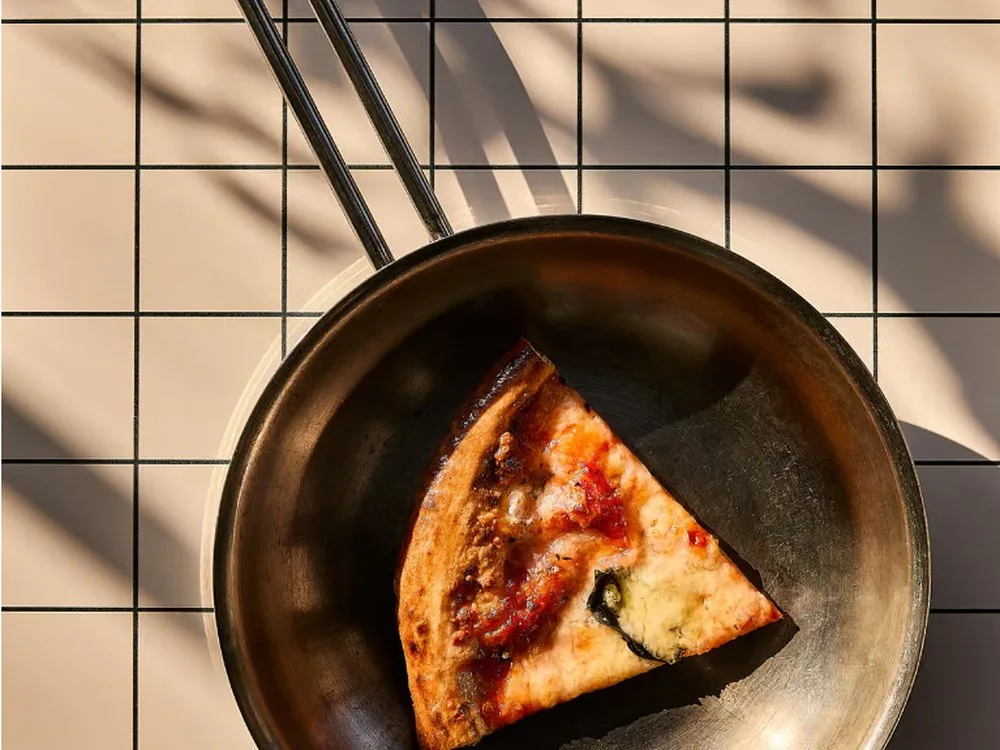
01 / READ THE SIGNS
Start with what you can observe.
Look for the pattern that matches your result before changing the recipe.
- Dry edges: heating may have been uneven or excessive.
- Soft formerly crisp surfaces: steam may be involved.
- Unknown storage time or prolonged room-temperature exposure: do not attempt a flavor rescue.
02 / RIGHT NOW
Can you save this batch?
For safely stored food, add a little compatible liquid to moist dishes and reheat evenly. Stir or rotate microwave portions, allow the recommended standing time and check temperature in several spots. Use dry oven heat for suitable crisp foods. Reheat leftovers to 165°F / 74°C.
03 / THE NEXT ATTEMPT
Make the change that matters.
- Refrigerate perishables within two hours, or one hour above 90°F / 32°C.
- Store in shallow covered portions and use refrigerated leftovers within three to four days or freeze.
- Reheat the portion you need and refresh suitable herbs or acid after heating.
04 / A LITTLE UNDERSTANDING
What's happening underneath.
Reheating changes moisture and texture while storage changes aromas and starch structure. Adding liquid can improve mouthfeel, but reheating does not reliably eliminate every hazard from improper storage.
Do not taste questionable leftovers to test their safety.
05 / ONE GOOD QUESTION
Should I let a large pot cool completely on the counter?
No. Divide it into shallow containers for prompt refrigeration. A long room-temperature cool-down can create a food-safety problem.
06 / KEEP READING
References & related reading
Continue with these external resources on the relevant technique or safety guidance. They are independent of Rosu.
A note for your next attempt.
Record one change and what happened. Notes stay in this browser; they are not sent to Rosu.
Found something that needs a closer look? Send a correction. Read our editorial approach and food safety essentials.
FOLLOW THE THREAD
A little more useful reading.
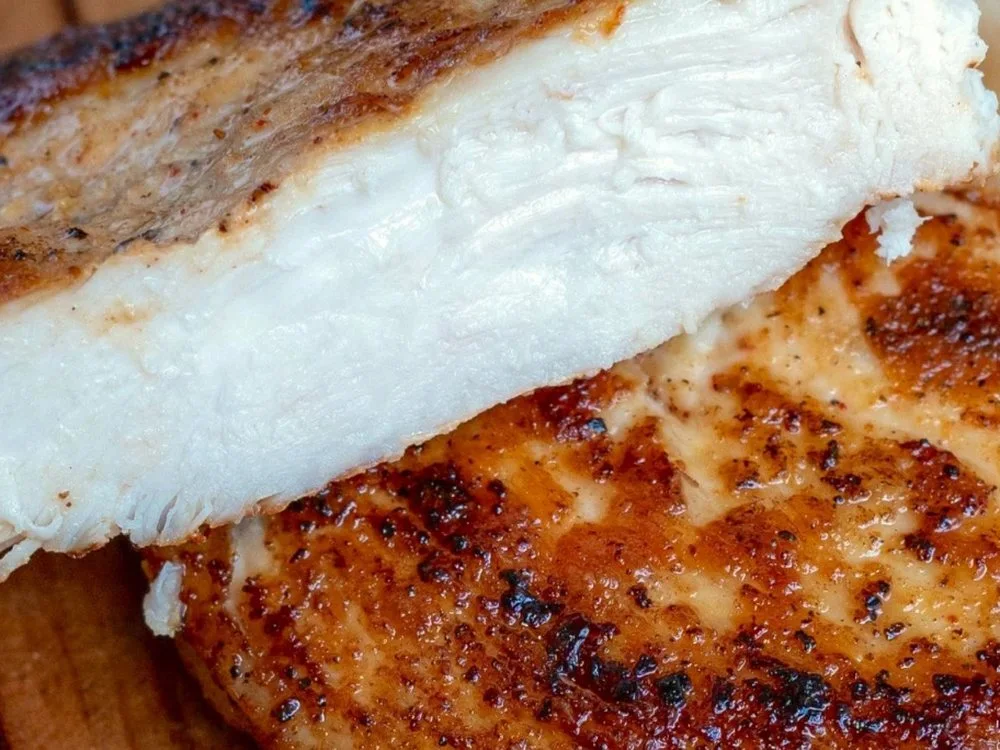
Why Grilled Chicken Comes Out Dry Inside
Use a thermometer to reach a safe endpoint without continuing far beyond it.
Read the guide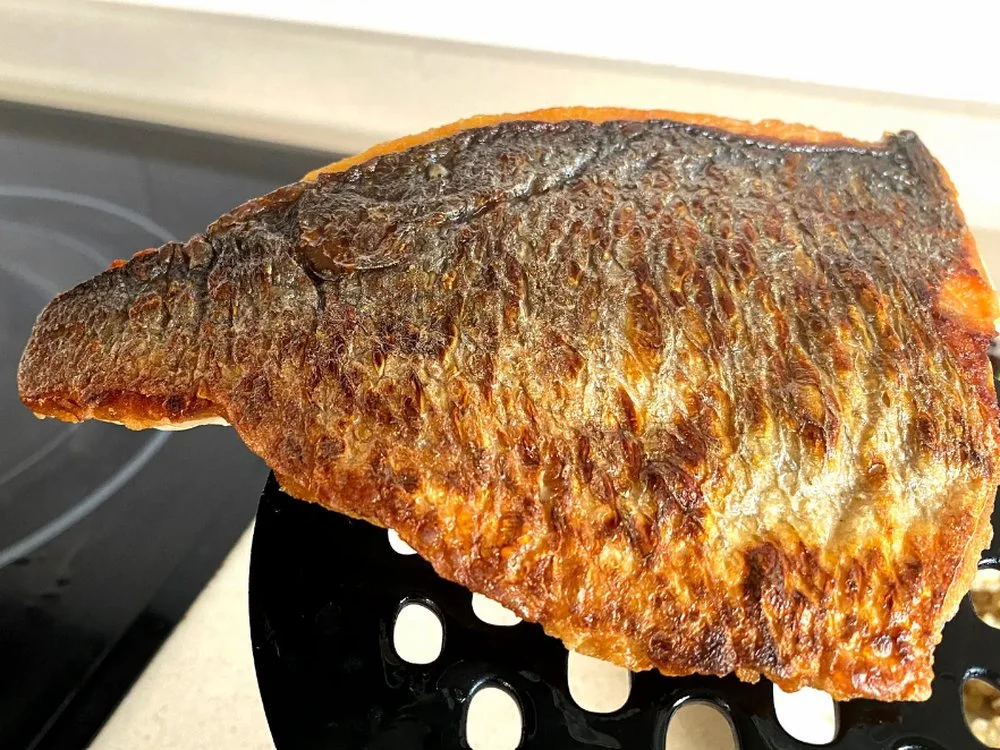
Why Pan-Fried Fish Loses Its Crispy Skin
Keep crisp skin facing air, not sauce. Plating can undo the pan's work within minutes.
Read the guide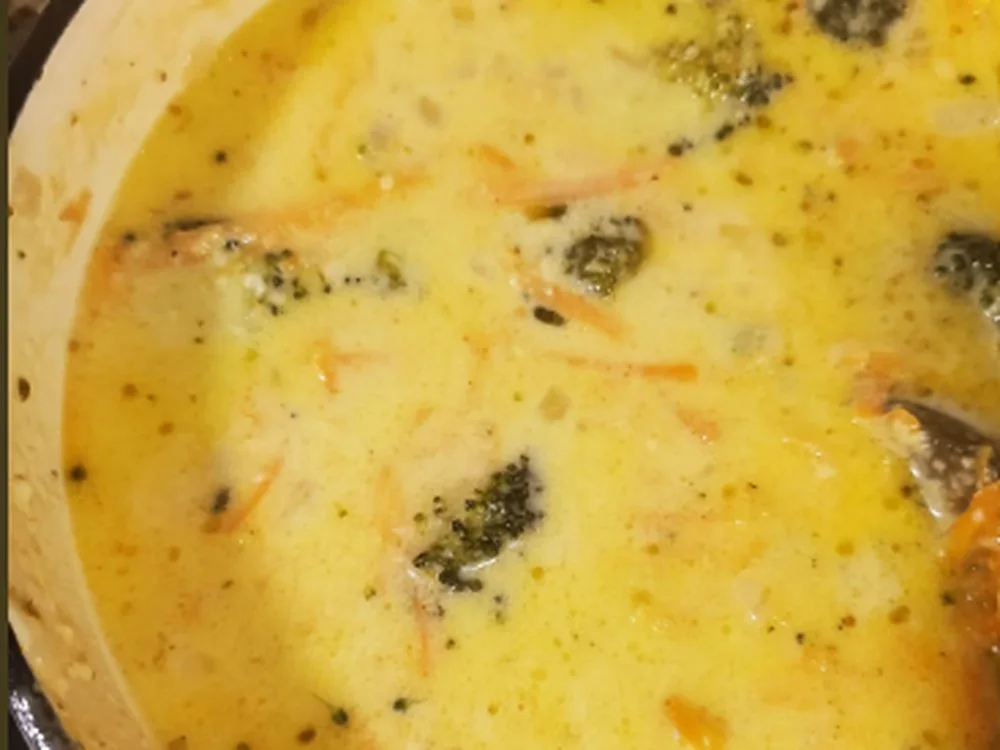
Why Soup Tastes Flat Despite Adding Salt
Stop adding salt and compare small samples. The missing element may be aroma, acidity or concentration.
Read the guide