Meat & fish / GUIDE 19
Why Grilled Chicken Comes Out Dry Inside
Use a thermometer to reach a safe endpoint without continuing far beyond it.
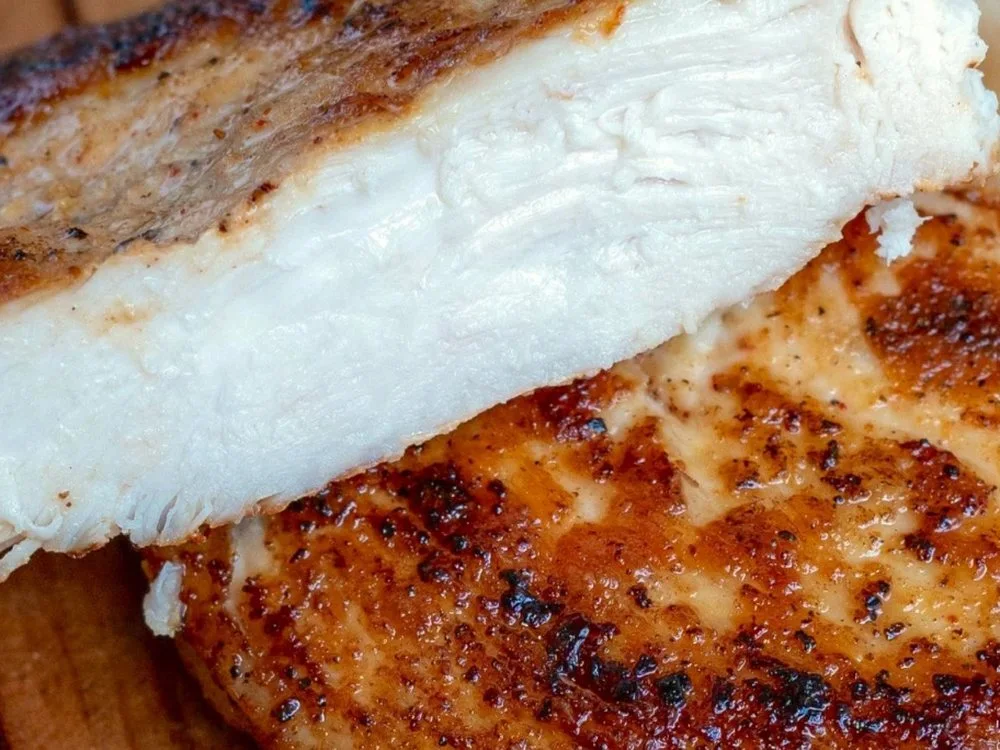
01 / READ THE SIGNS
Start with what you can observe.
Look for the pattern that matches your result before changing the recipe.
- The thin end is dry while the thick end finishes: thickness is uneven.
- The whole breast is chalky: overcooking is likely.
- The surface burns early: move away from the strongest direct heat.
02 / RIGHT NOW
Can you save this batch?
Already dry chicken cannot reabsorb its original juices. Slice or shred fully cooked chicken and combine with a sauce, soup or salad dressing. Keep it safely refrigerated if not serving immediately; sauce is a texture aid, not a substitute for safe handling.
03 / THE NEXT ATTEMPT
Make the change that matters.
- Make breast thickness more even before cooking.
- Use direct and gentler heat zones so color and internal cooking can be managed separately.
- Check the thickest part with a thermometer and reach 165°F / 74°C; check more than one spot when thickness varies.
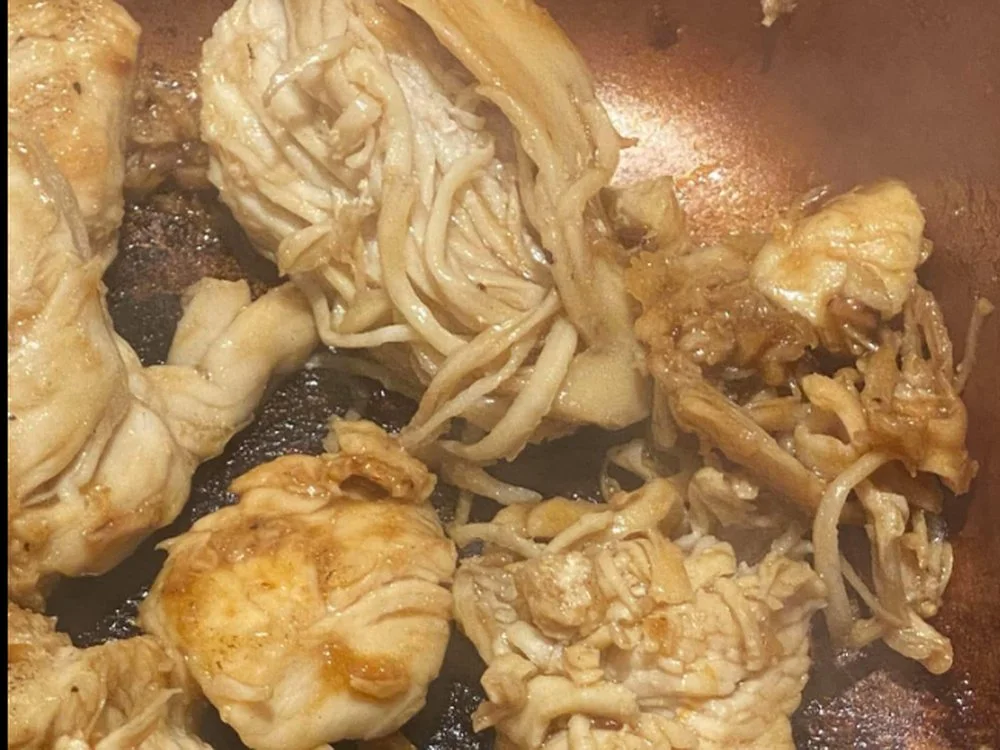
04 / A LITTLE UNDERSTANDING
What's happening underneath.
Heating changes muscle proteins and reduces their ability to retain water. Lean breast meat offers less margin for overcooking than fattier cuts. Browning tells you about the surface, while a thermometer gives information about the interior.
Do not rely on clear juices or white meat alone as proof of safety.
05 / ONE GOOD QUESTION
Will a brine guarantee juicy chicken?
No. A suitable brine may improve seasoning and moisture retention, but overcooking can still dry the meat. Refrigerate while brining and account for pre-salted products.
06 / KEEP READING
References & related reading
Continue with these external resources on the relevant technique or safety guidance. They are independent of Rosu.
A note for your next attempt.
Record one change and what happened. Notes stay in this browser; they are not sent to Rosu.
Found something that needs a closer look? Send a correction. Read our editorial approach and food safety essentials.
FOLLOW THE THREAD
A little more useful reading.
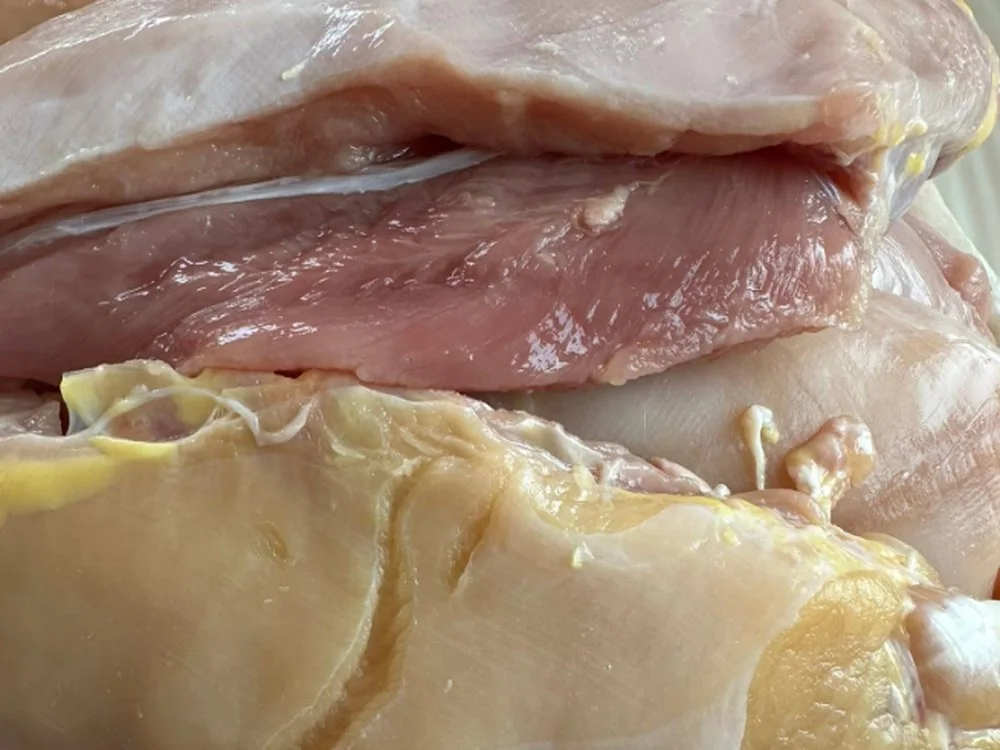
Why Chicken Stays Raw Inside Despite a Golden Outside
Color cannot establish whether chicken is safe. Measure the thickest part with a food thermometer.
Read the guide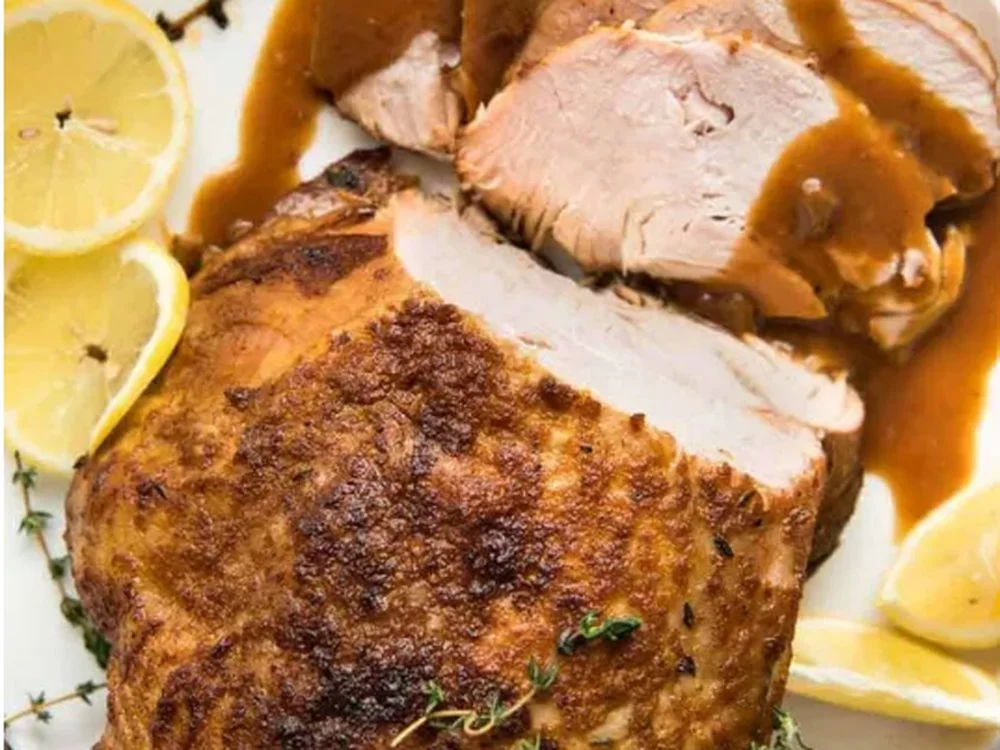
Why Turkey Breast Dries Out Before the Legs Finish Cooking
Measure the breast and thigh separately. A whole turkey contains parts with different cooking behavior.
Read the guide
Why Resting Time Matters Before Slicing or Serving
Resting serves different purposes in meat, bread and cake. Use the timing appropriate to the food.
Read the guide