Kitchen fundamentals / GUIDE 30
Why Resting Time Matters Before Slicing or Serving
Resting serves different purposes in meat, bread and cake. Use the timing appropriate to the food.
01 / READ THE SIGNS
Start with what you can observe.
Look for the pattern that matches your result before changing the recipe.
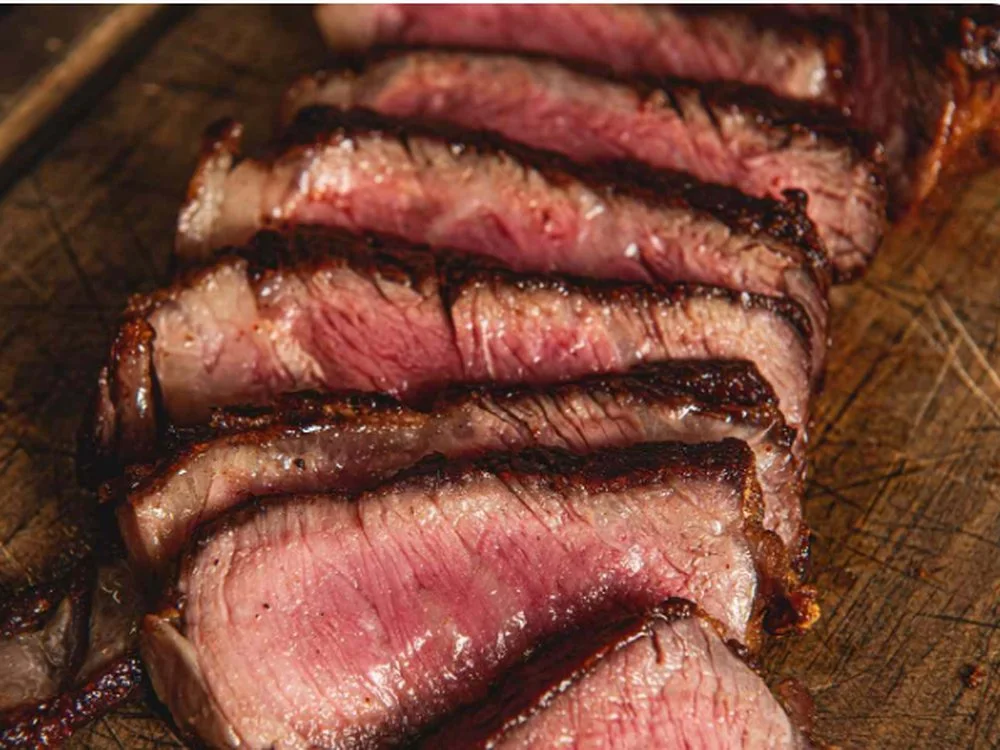
- Meat releases a large puddle when sliced: immediate cutting may contribute.
- Bread smears under the knife: it may still be cooling internally.
- Cake tears during decorating: its crumb or frosting surface may be too warm.
02 / RIGHT NOW
Can you save this batch?
Stop slicing and allow the remaining food its appropriate rest. For already sliced meat, serve with the collected juices if safely handled. A torn cake can be assembled after cooling. Rest cannot make an undercooked product safe without reaching the required cooking endpoint.
03 / THE NEXT ATTEMPT
Make the change that matters.
- Plan resting or cooling time as part of the meal.
- Keep crisp surfaces uncovered when trapped steam would soften them.
- For perishable food, manage the rest within safe time limits and refrigerate leftovers promptly.
04 / A LITTLE UNDERSTANDING
What's happening underneath.
Heat continues moving through food after it leaves the source. Structure and moisture behavior also change as it cools. This matters differently for a roast, a starch-rich loaf and a fragile cake, so a universal five-minute rest is not useful.
Do not leave perishable food out indefinitely in pursuit of perfect texture.
05 / ONE GOOD QUESTION
Should I tent everything with foil?
No. Loose foil can reduce heat loss from meat, but it also traps moisture. Bread and crispy fish generally need airflow to preserve their surfaces.
06 / KEEP READING
References & related reading
Continue with these external resources on the relevant technique or safety guidance. They are independent of Rosu.
A note for your next attempt.
Record one change and what happened. Notes stay in this browser; they are not sent to Rosu.
Found something that needs a closer look? Send a correction. Read our editorial approach and food safety essentials.
FOLLOW THE THREAD
A little more useful reading.
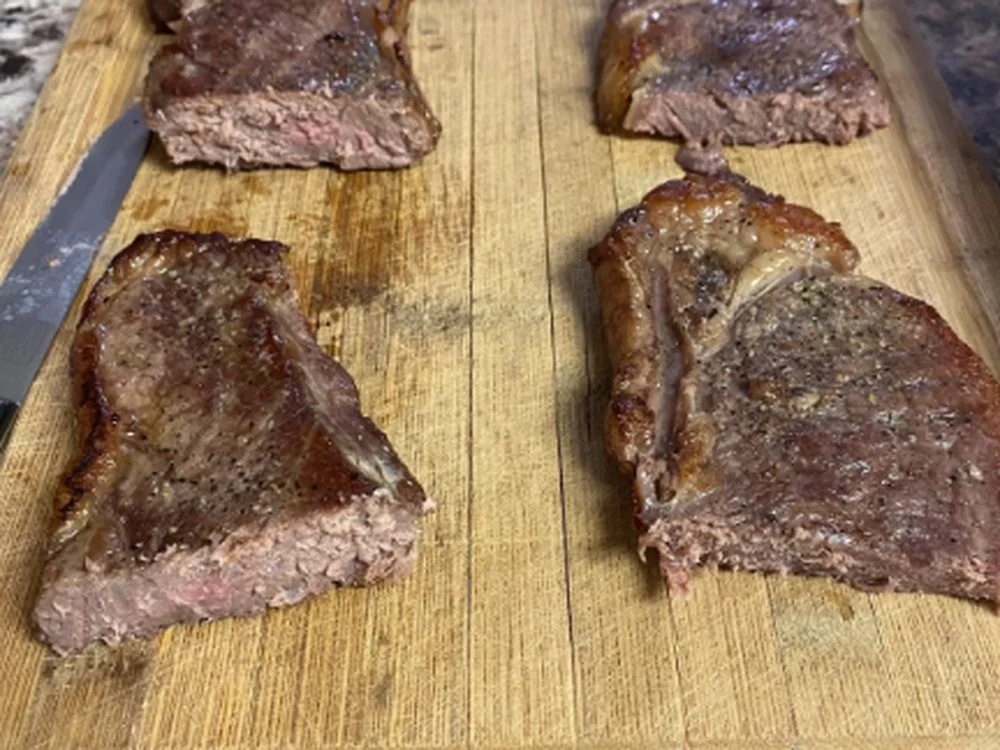
Why Steak Is Chewy Even Though You Rested It
Find the grain before slicing. Resting cannot shorten long muscle fibers or undo overcooking.
Read the guide
Why Bread Goes Stale Within a Day
Bread can stale without simply drying out. Freeze portions you will not use soon.
Read the guide
Why Cake Layers Stick to the Pan and Fall Apart
Prepare the base and allow the crumb to firm before turning out a cake layer.
Read the guide