Cakes & pastry / GUIDE 11
Why Cake Layers Stick to the Pan and Fall Apart
Prepare the base and allow the crumb to firm before turning out a cake layer.

01 / READ THE SIGNS
Start with what you can observe.
Look for the pattern that matches your result before changing the recipe.
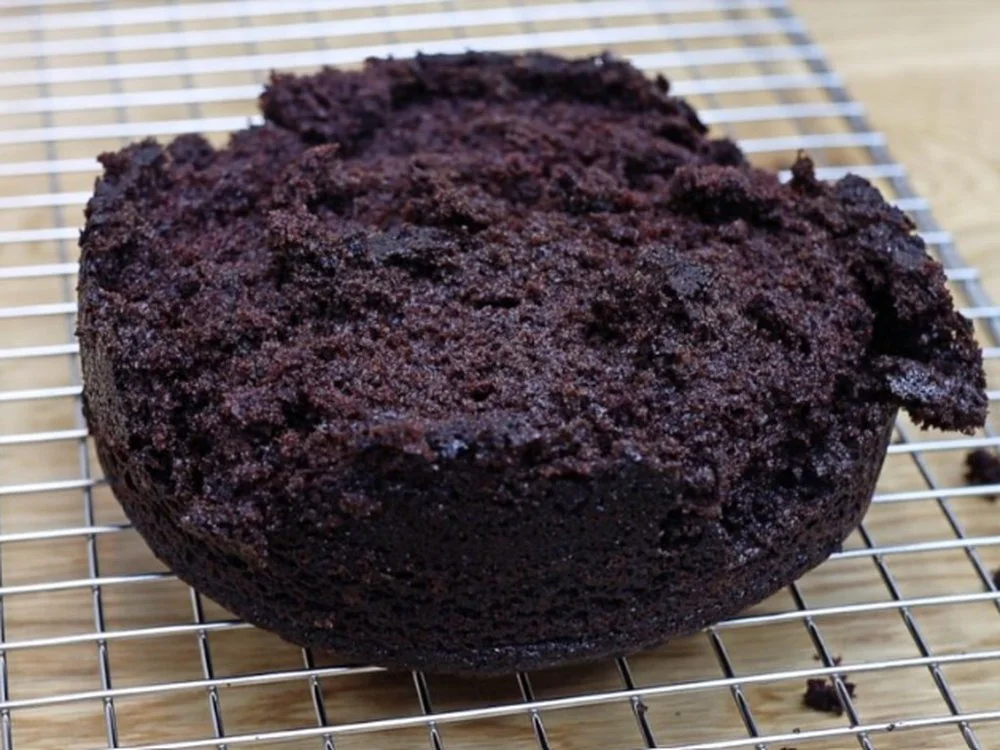
- A disk stays on the bottom: the base needed a release barrier.
- Edges tear: they may still be attached to the pan.
- The whole layer bends and breaks: it may be too hot or underbaked.
02 / RIGHT NOW
Can you save this batch?
Let a freshly baked layer settle for the recipe's cooling interval, then loosen the edge with a suitable tool. If pieces break off, cool them before assembling with frosting. Small fragments can be used in a trifle; raw sections cannot be disguised by assembly.
03 / THE NEXT ATTEMPT
Make the change that matters.
- For standard cake layers, grease as directed and line the base with a fitted parchment circle.
- Check the center for doneness before removing from the oven.
- Support the entire layer with a rack or board when inverting.
04 / A LITTLE UNDERSTANDING
What's happening underneath.
Hot cake is fragile. A release layer reduces adhesion while a short rest lets the crumb withstand handling. Some foam cakes need ungreased pans to climb, so their instructions are an important exception.
Do not scrape a nonstick pan with a sharp metal knife.
05 / ONE GOOD QUESTION
Is parchment enough on its own?
It protects the base, not the sides. Follow the recipe's instructions for greasing the walls, especially when sugar-rich batter can adhere there.
06 / KEEP READING
References & related reading
Continue with these external resources on the relevant technique or safety guidance. They are independent of Rosu.
A note for your next attempt.
Record one change and what happened. Notes stay in this browser; they are not sent to Rosu.
Found something that needs a closer look? Send a correction. Read our editorial approach and food safety essentials.
FOLLOW THE THREAD
A little more useful reading.
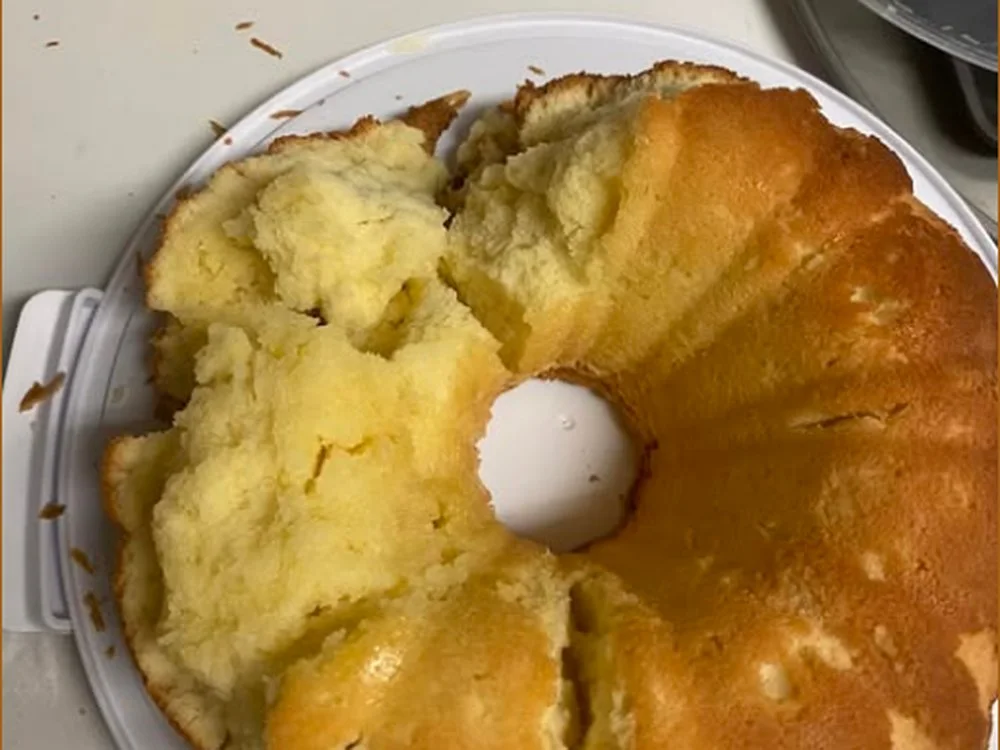
Why a Bundt Cake Sticks and Breaks Apart When Unmolding
The grooves need complete coverage. A general spray across the top can miss the places where a Bundt grips.
Read the guide
Why Your Cake Sinks in the Middle
A sunken middle is a structural clue. Check whether the center finished baking before blaming the oven door.
Read the guide
Why Resting Time Matters Before Slicing or Serving
Resting serves different purposes in meat, bread and cake. Use the timing appropriate to the food.
Read the guide