Meat & fish / GUIDE 55
Why Turkey Breast Dries Out Before the Legs Finish Cooking
Measure the breast and thigh separately. A whole turkey contains parts with different cooking behavior.
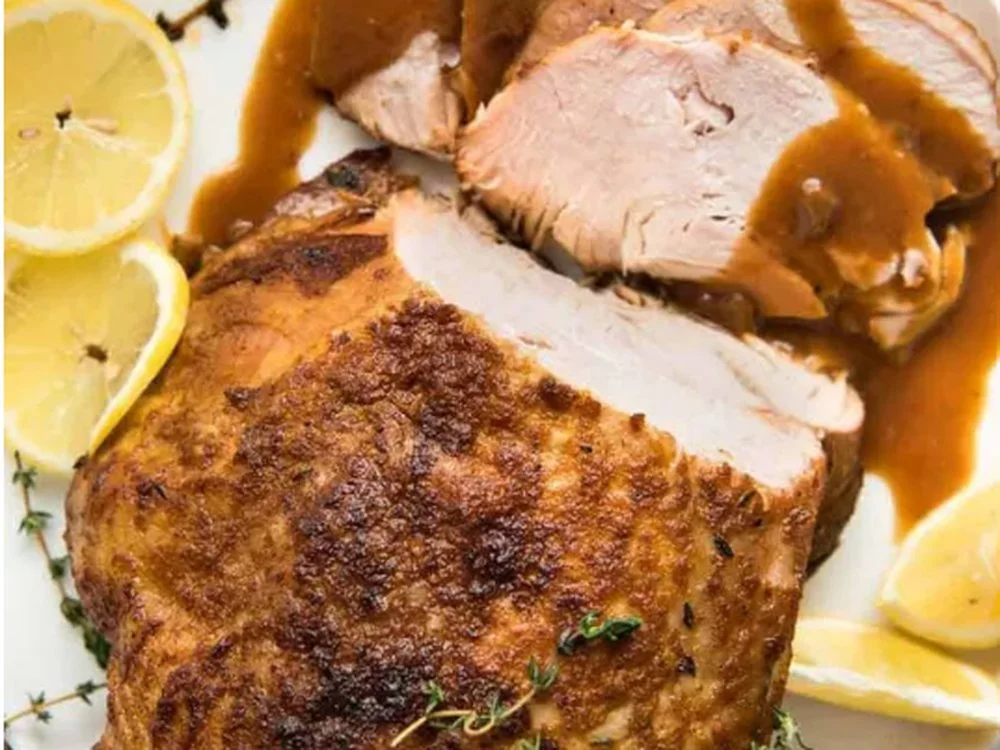
01 / READ THE SIGNS
Start with what you can observe.
Look for the pattern that matches your result before changing the recipe.
- Breast finishes first: uneven exposure and anatomy contribute.
- One side cooks faster: rotate if the oven and recipe allow.
- Stuffing is inside: it needs its own safe temperature check.
02 / RIGHT NOW
Can you save this batch?
If the breast is browning too quickly, shield it loosely with foil while the rest finishes. If it is already dry, carve and serve with gravy. Do not remove an unsafe bird merely to protect the breast texture: verify all required locations.
03 / THE NEXT ATTEMPT
Make the change that matters.
- Follow a roasting method suited to the bird's size and preparation.
- Check the thickest breast and inner thigh and wing areas without touching bone.
- Reach 165°F / 74°C in the required locations, including stuffing if present; refrigerate carved leftovers promptly.
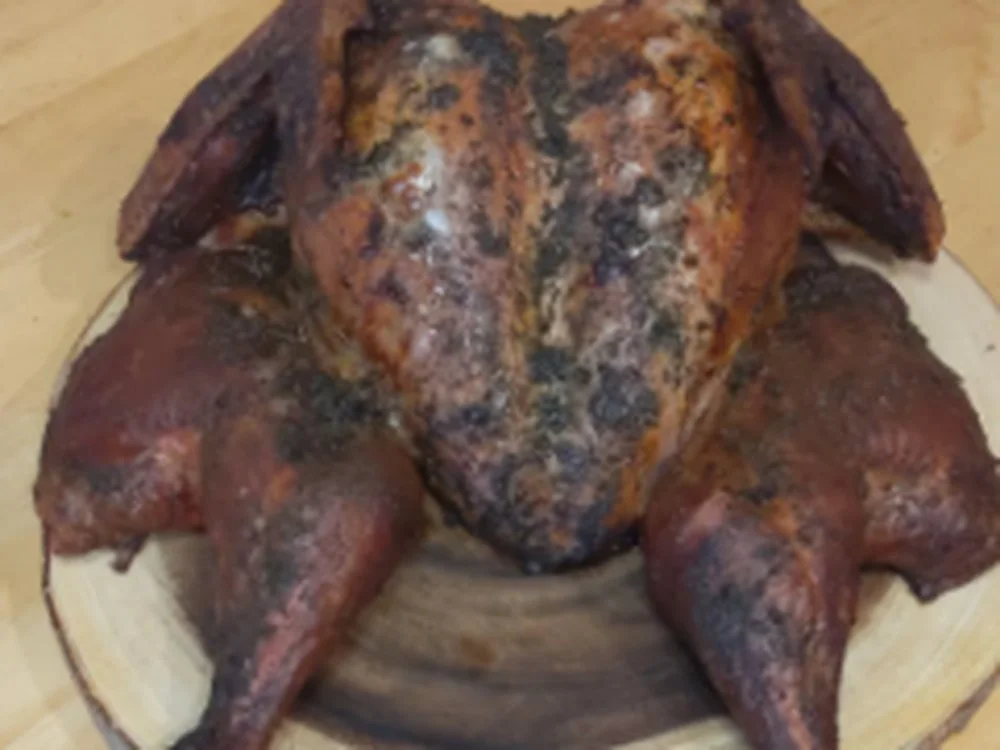
04 / A LITTLE UNDERSTANDING
What's happening underneath.
A whole bird is not a uniform block. White and dark meat, bone and shape affect heat movement and preferred texture. Foil changes surface exposure, while cooking parts separately can offer more control when planned in advance.
Do not rely on a single reading or the color of the juices.
05 / ONE GOOD QUESTION
Should I brine a pre-seasoned turkey?
Read the label first. An injected, enhanced or already salted bird may become excessively salty with an additional standard brine.
06 / KEEP READING
References & related reading
Continue with these external resources on the relevant technique or safety guidance. They are independent of Rosu.
A note for your next attempt.
Record one change and what happened. Notes stay in this browser; they are not sent to Rosu.
Found something that needs a closer look? Send a correction. Read our editorial approach and food safety essentials.
FOLLOW THE THREAD
A little more useful reading.
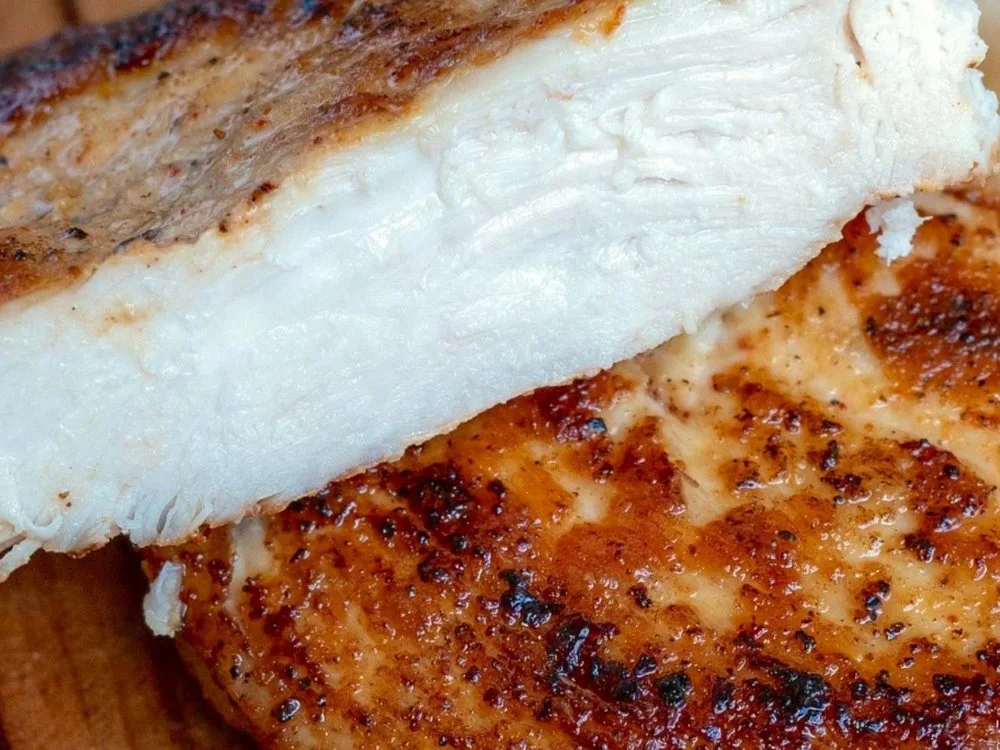
Why Grilled Chicken Comes Out Dry Inside
Use a thermometer to reach a safe endpoint without continuing far beyond it.
Read the guide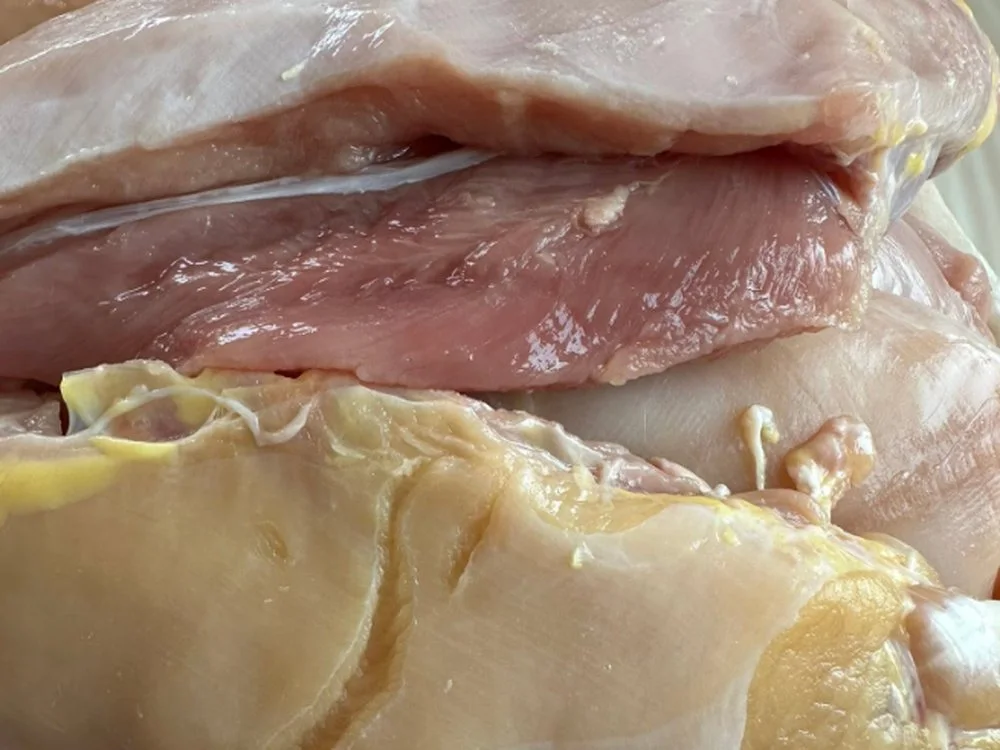
Why Chicken Stays Raw Inside Despite a Golden Outside
Color cannot establish whether chicken is safe. Measure the thickest part with a food thermometer.
Read the guide
Why Resting Time Matters Before Slicing or Serving
Resting serves different purposes in meat, bread and cake. Use the timing appropriate to the food.
Read the guide