Meat & fish / GUIDE 52
Why Burgers Turn Out Rubbery Instead of Juicy
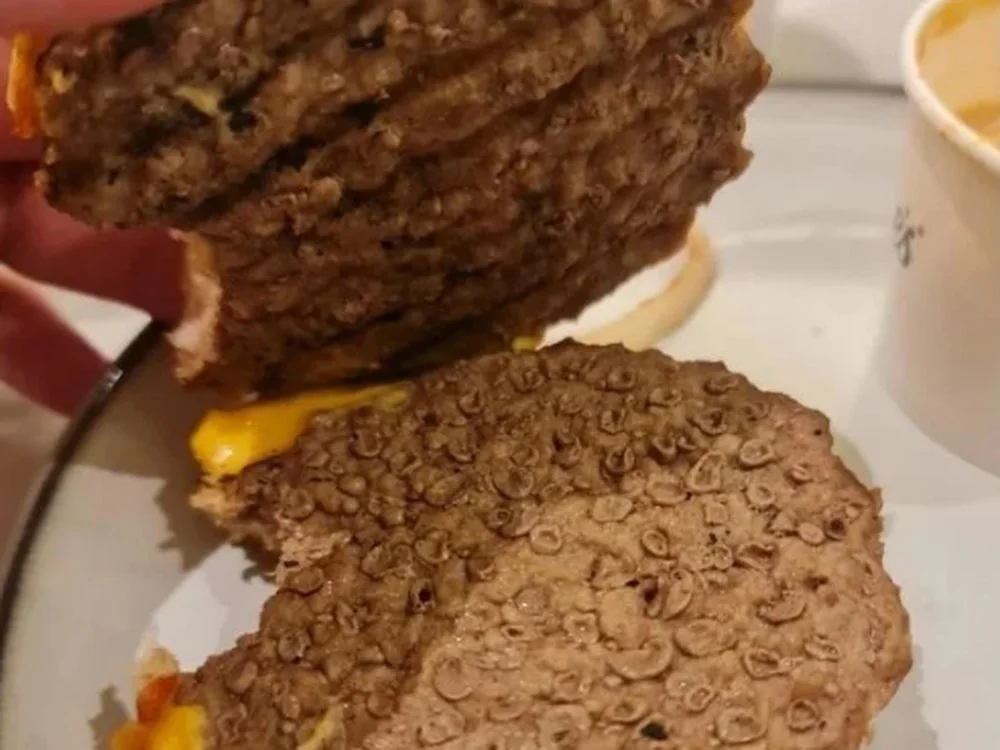
Handle gently and salt the outside near cooking time. A heavily mixed patty can develop a sausage-like bite.
01 / READ THE SIGNS
Start with what you can observe.
Look for the pattern that matches your result before changing the recipe.
- Dense, springy texture: extensive mixing or salt mixed deeply into the meat may contribute.
- Dry texture: leanness or overcooking may be involved.
- Juice pours out under pressure: repeated pressing is unnecessary for a standard patty.
02 / RIGHT NOW
Can you save this batch?
A cooked rubbery patty cannot be loosened internally. Chop it into a sauced dish if it has been handled safely. With the remaining raw mixture, handle less and avoid additional mixing; keep it refrigerated until cooking.
03 / THE NEXT ATTEMPT
Make the change that matters.
- Form patties with enough pressure to hold together, not repeated kneading.
- Choose a fat level suited to the style and season as the recipe directs.
- Cook ground beef to 160°F / 71°C, or ground poultry to 165°F / 74°C, checking with a thermometer.
04 / A LITTLE UNDERSTANDING
What's happening underneath.
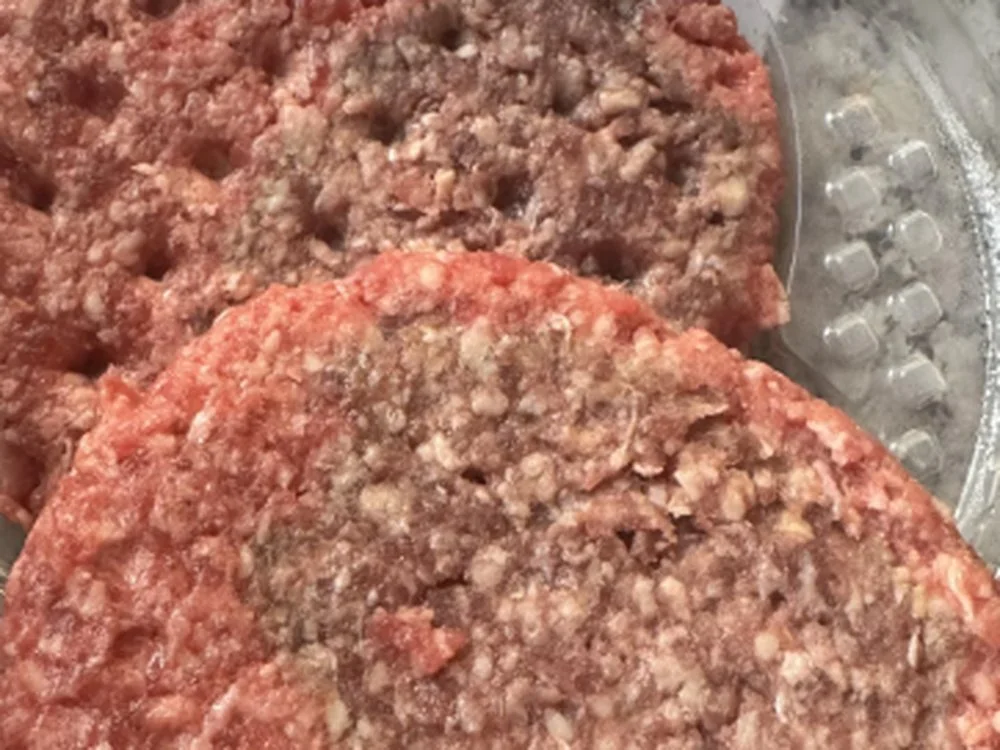
Salt and mechanical mixing can encourage extracted meat proteins to bind into a cohesive network. That is desirable in some sausages but not usually in a loose-textured burger. Fat level and cooking endpoint affect juiciness separately.
Do not use pinkness or a brown surface as the safety test for ground meat.
05 / ONE GOOD QUESTION
What about smash burgers?
An initial deliberate smash is part of that specific technique. Repeatedly pressing a conventional patty later in cooking is a different action.
06 / KEEP READING
References & related reading
Continue with these external resources on the relevant technique or safety guidance. They are independent of Rosu.
A note for your next attempt.
Record one change and what happened. Notes stay in this browser; they are not sent to Rosu.
Found something that needs a closer look? Send a correction. Read our editorial approach and food safety essentials.
FOLLOW THE THREAD
A little more useful reading.
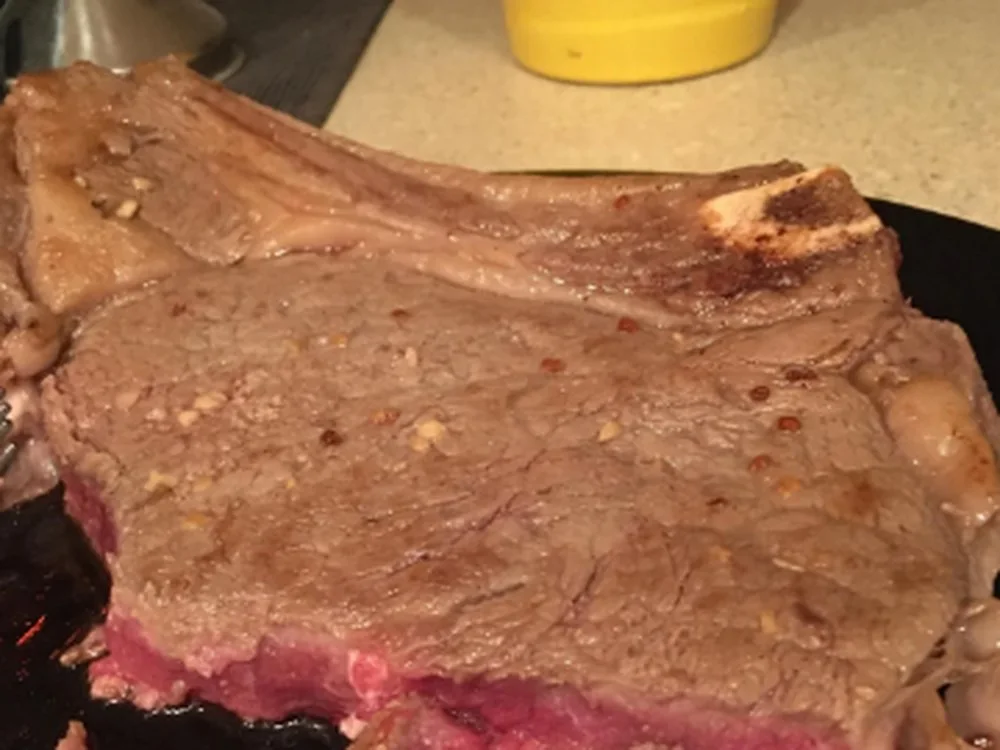
Why Seared Meat Turns Gray Instead of Crisp and Brown
Dry the surface and give the pan space. A pool of liquid prevents an effective sear.
Read the guide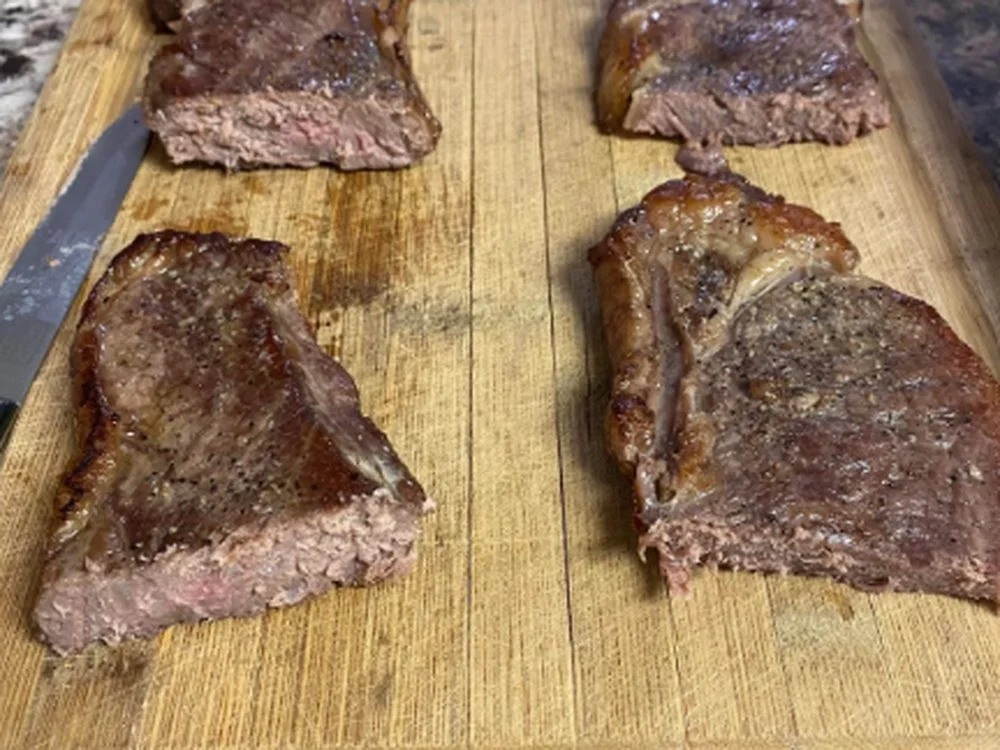
Why Steak Is Chewy Even Though You Rested It
Find the grain before slicing. Resting cannot shorten long muscle fibers or undo overcooking.
Read the guide
Why Salt Doesn't Seem to Do Much in Some Dishes
Check the salt by weight and taste the whole bite. More salt cannot supply a missing flavor.
Read the guide