Meat & fish / GUIDE 53
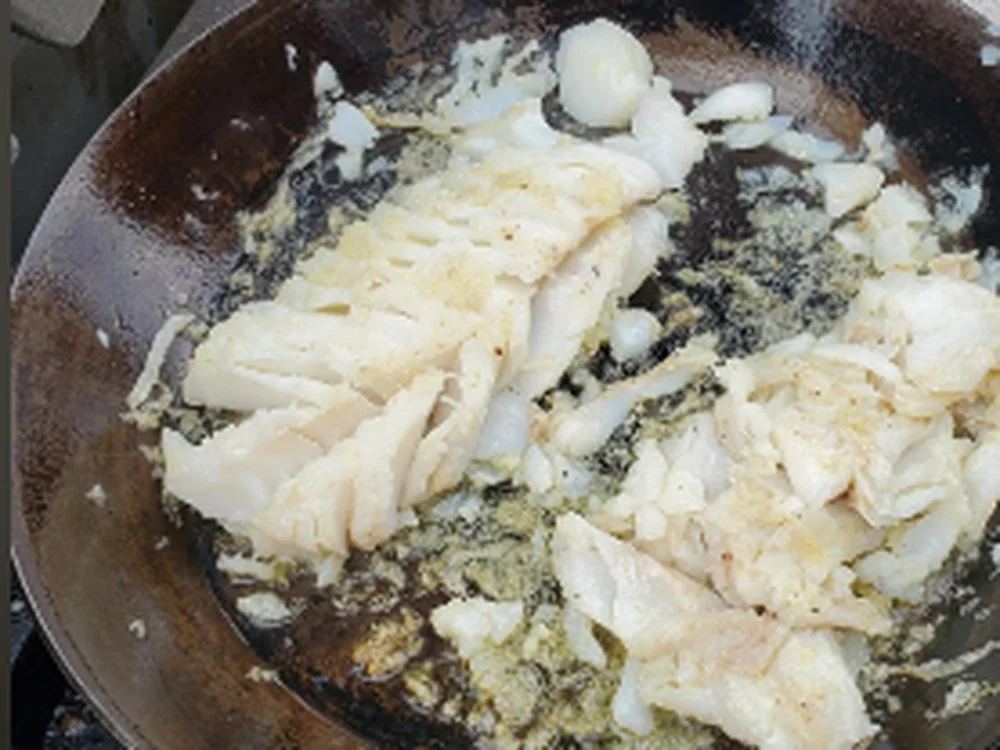
Why Fish Sticks to the Pan and Falls Apart
Test release gently. Forcing the first flip can tear a delicate fillet before its surface has set.
01 / READ THE SIGNS
Start with what you can observe.
Look for the pattern that matches your result before changing the recipe.
- Fish went in wet: moisture may have disrupted searing.
- A corner lifts but the center grips: give it a little more time and reassess.
- Fish is already cooked through: waiting indefinitely will dry it out.
02 / RIGHT NOW
Can you save this batch?
Use a thin fish spatula to work gently under the fillet. Lower excessive heat and avoid repeated scraping. If it breaks, serve the pieces with a sauce or in a bowl; appearance is recoverable even when the intact fillet is not.
03 / THE NEXT ATTEMPT
Make the change that matters.
- Dry the fish and use a pan suited to delicate cooking.
- Preheat appropriately with enough oil to coat the cooking surface.
- Check readiness to turn with a gentle nudge, then support the whole fillet during the flip.
04 / A LITTLE UNDERSTANDING
What's happening underneath.
Fish is fragile and its proteins can adhere to a pan. Surface preparation, heat and the pan's condition all affect release. Waiting helps only within the cooking window; natural release is not a promise for every damaged or poorly prepared pan.
Do not overheat a nonstick coating to reproduce a stainless-steel sear.
05 / ONE GOOD QUESTION
How do I check fish safety?
USDA guidance gives 145°F / 63°C for fish. Use a suitable thermometer where possible and avoid treating easy release as a safety measurement.
06 / KEEP READING
References & related reading
Continue with these external resources on the relevant technique or safety guidance. They are independent of Rosu.
A note for your next attempt.
Record one change and what happened. Notes stay in this browser; they are not sent to Rosu.
Found something that needs a closer look? Send a correction. Read our editorial approach and food safety essentials.
FOLLOW THE THREAD
A little more useful reading.
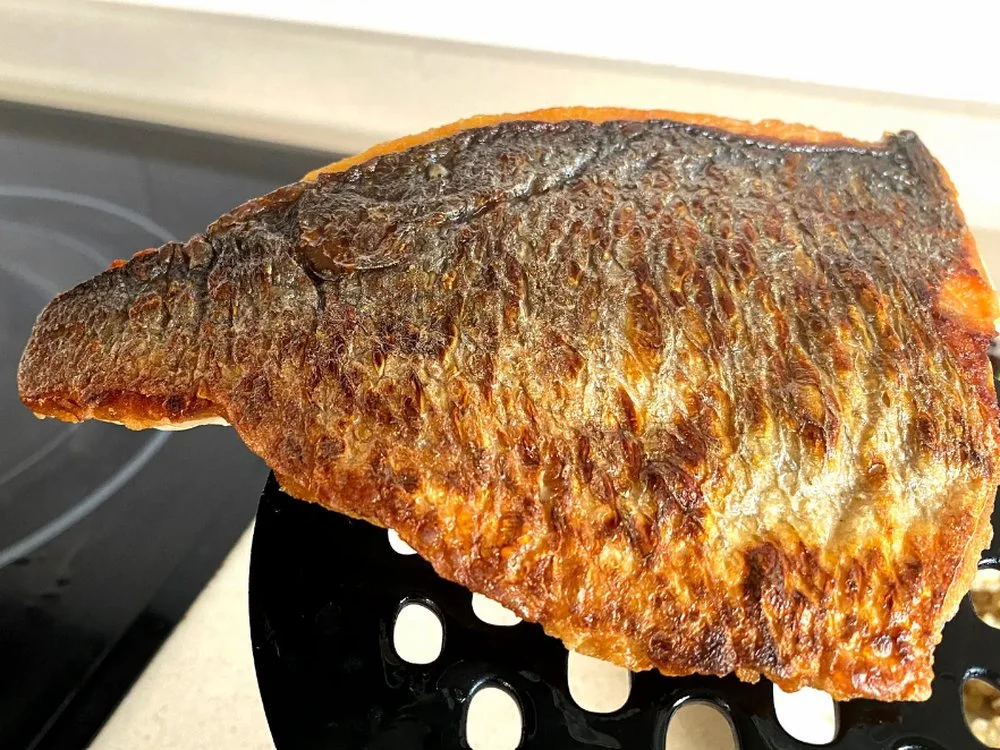
Why Pan-Fried Fish Loses Its Crispy Skin
Keep crisp skin facing air, not sauce. Plating can undo the pan's work within minutes.
Read the guide
Why Food Sticks to Stainless Steel Pans
Use controlled preheating, enough fat and patience. Stainless steel is not a nonstick surface.
Read the guide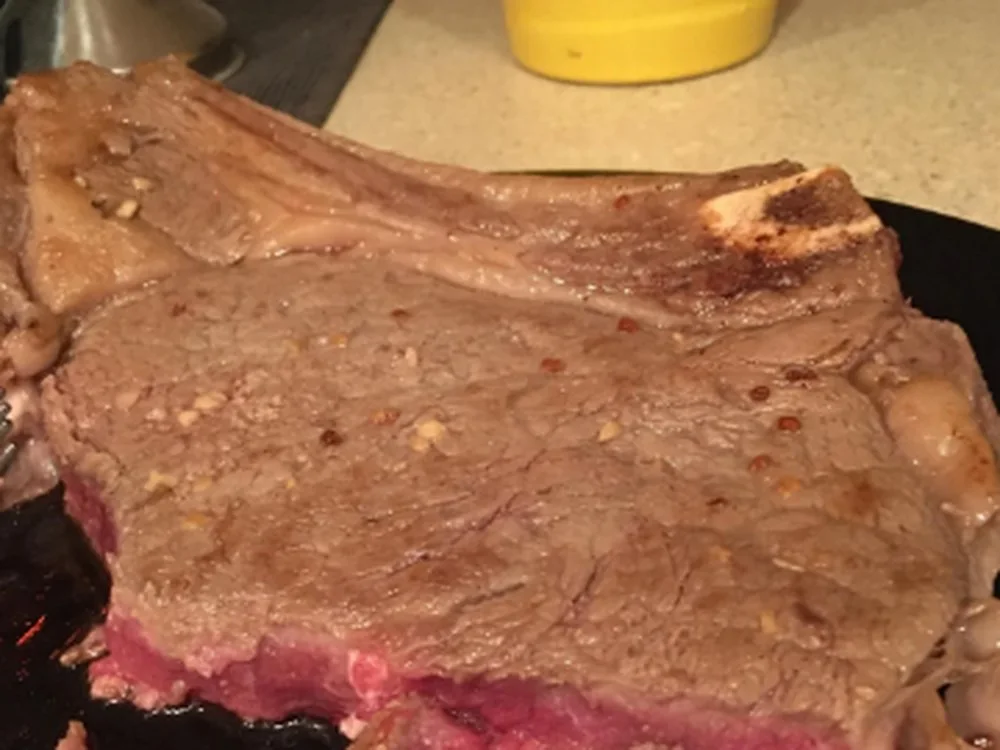
Why Seared Meat Turns Gray Instead of Crisp and Brown
Dry the surface and give the pan space. A pool of liquid prevents an effective sear.
Read the guide