Kitchen fundamentals / GUIDE 65
Why Food Sticks to Stainless Steel Pans
Use controlled preheating, enough fat and patience. Stainless steel is not a nonstick surface.

01 / READ THE SIGNS
Start with what you can observe.
Look for the pattern that matches your result before changing the recipe.
- Food was wet: surface moisture may interfere with browning.
- It tears on an early flip: the surface may not have set.
- Residue burns rapidly: the pan may be too hot or dirty.
02 / RIGHT NOW
Can you save this batch?
Lower excessive heat and let the food cook briefly before testing release with a thin spatula. If it is already done, work it free carefully rather than waiting until dry. Deglaze useful brown deposits for sauce after removing the food.
03 / THE NEXT ATTEMPT
Make the change that matters.
- Start with a clean pan and preheat moderately for the food.
- Add a suitable amount of oil and dry the food's surface.
- Let a crust form when that suits the dish; delicate eggs may need a different heat approach from steak.
04 / A LITTLE UNDERSTANDING
What's happening underneath.
Food proteins can adhere to metal. Oil, heat and a formed surface help manage contact, but the result varies with the ingredient and pan. The idea that tiny pores simply open and close is not a useful complete explanation.
Do not heat until oil smokes heavily or use a water-drop test as an excuse to overheat the pan.
05 / ONE GOOD QUESTION
How do I clean stuck residue?
Let the pan cool enough to handle safely, then soak or simmer water according to its care instructions. Avoid sudden cold-water shock to a very hot pan.
06 / KEEP READING
References & related reading
Continue with these external resources on the relevant technique or safety guidance. They are independent of Rosu.
A note for your next attempt.
Record one change and what happened. Notes stay in this browser; they are not sent to Rosu.
Found something that needs a closer look? Send a correction. Read our editorial approach and food safety essentials.
FOLLOW THE THREAD
A little more useful reading.
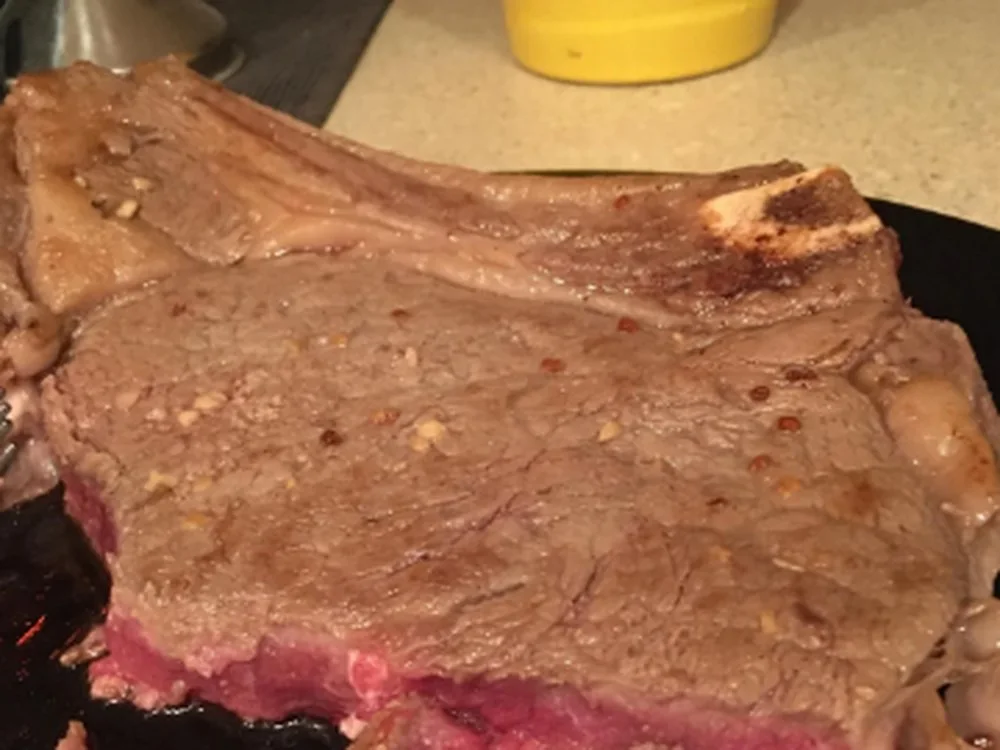
Why Seared Meat Turns Gray Instead of Crisp and Brown
Dry the surface and give the pan space. A pool of liquid prevents an effective sear.
Read the guide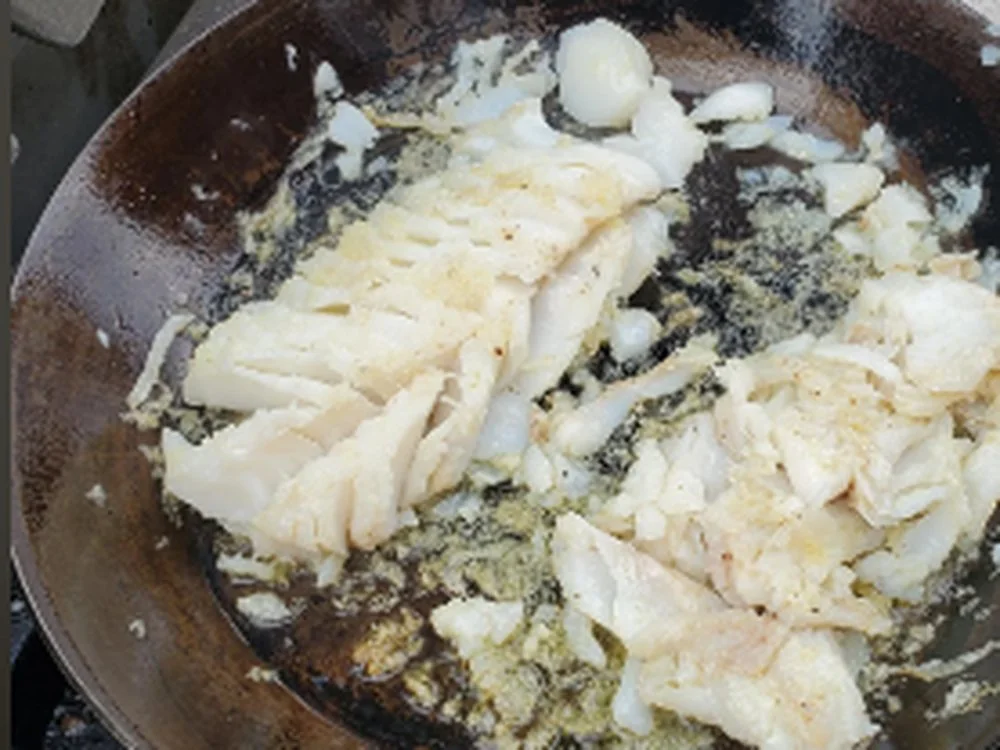
Why Fish Sticks to the Pan and Falls Apart
Test release gently. Forcing the first flip can tear a delicate fillet before its surface has set.
Read the guide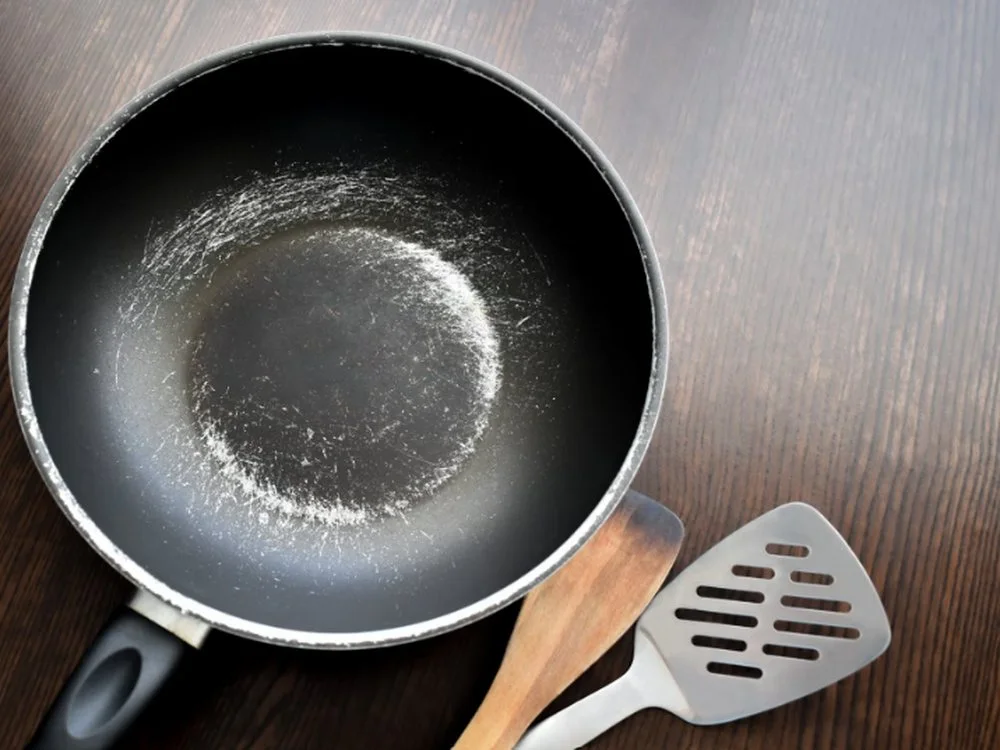
Why Non-Stick Pans Stop Working After a Few Months
Check for residue and coating damage. Cleaning can remove buildup; it cannot restore a worn coating.
Read the guide