Kitchen fundamentals / GUIDE 66
Why Non-Stick Pans Stop Working After a Few Months
Check for residue and coating damage. Cleaning can remove buildup; it cannot restore a worn coating.
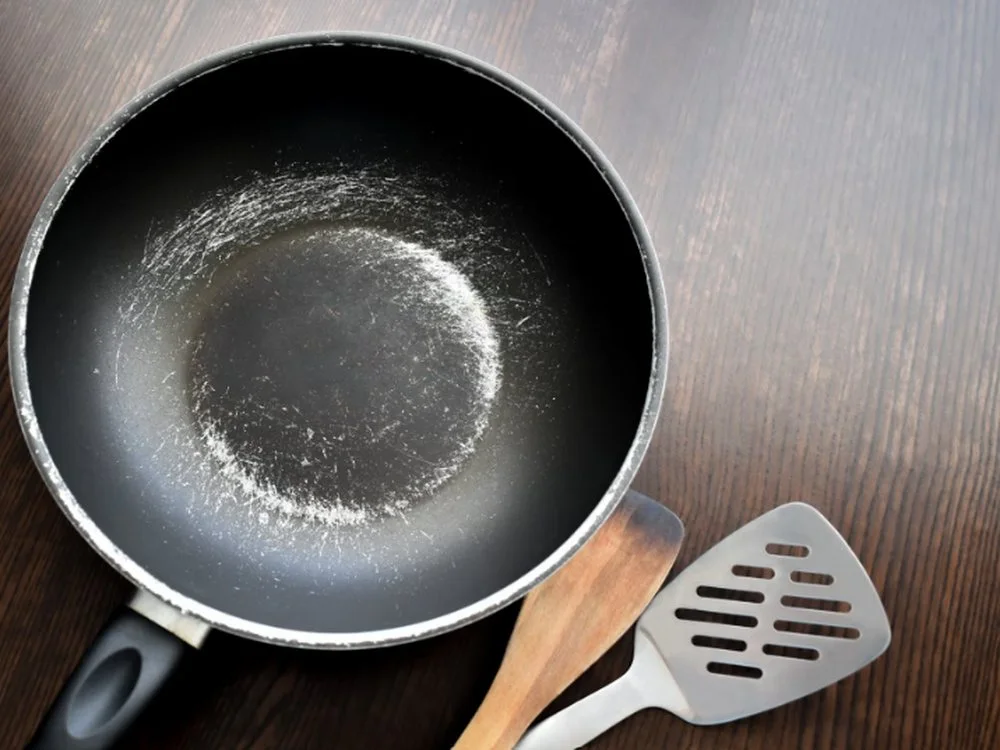
01 / READ THE SIGNS
Start with what you can observe.
Look for the pattern that matches your result before changing the recipe.
- Sticky brown film: oil or spray residue may be present.
- Visible peeling or flaking: consult replacement guidance.
- A warped base: uneven contact may affect cooking.
02 / RIGHT NOW
Can you save this batch?
Clean gently using the manufacturer's recommended method and reassess. Do not sand, scrape or try to recoat the pan with household products. If the coating is damaged or performance remains poor, replacement may be the practical choice.
03 / THE NEXT ATTEMPT
Make the change that matters.
- Follow the specific pan's heat limits and avoid empty high-heat preheating.
- Use utensils approved for its coating.
- Cool before washing and protect the surface when stacking pans.
04 / A LITTLE UNDERSTANDING
What's happening underneath.
Nonstick performance depends on a thin manufactured surface. Abrasion, overheating and residue can each change how food releases. A pan's useful life varies with material and care; a universal number of months is not reliable.
Do not assume a homemade seasoning treatment repairs a damaged nonstick coating.
05 / ONE GOOD QUESTION
Can it go in the dishwasher?
Only if its care instructions allow it. Even then, gentle handwashing may help preserve appearance and performance; use the manufacturer's guidance for that model.
06 / KEEP READING
References & related reading
Continue with these external resources on the relevant technique or safety guidance. They are independent of Rosu.
A note for your next attempt.
Record one change and what happened. Notes stay in this browser; they are not sent to Rosu.
Found something that needs a closer look? Send a correction. Read our editorial approach and food safety essentials.
FOLLOW THE THREAD
A little more useful reading.

Why Food Sticks to Stainless Steel Pans
Use controlled preheating, enough fat and patience. Stainless steel is not a nonstick surface.
Read the guide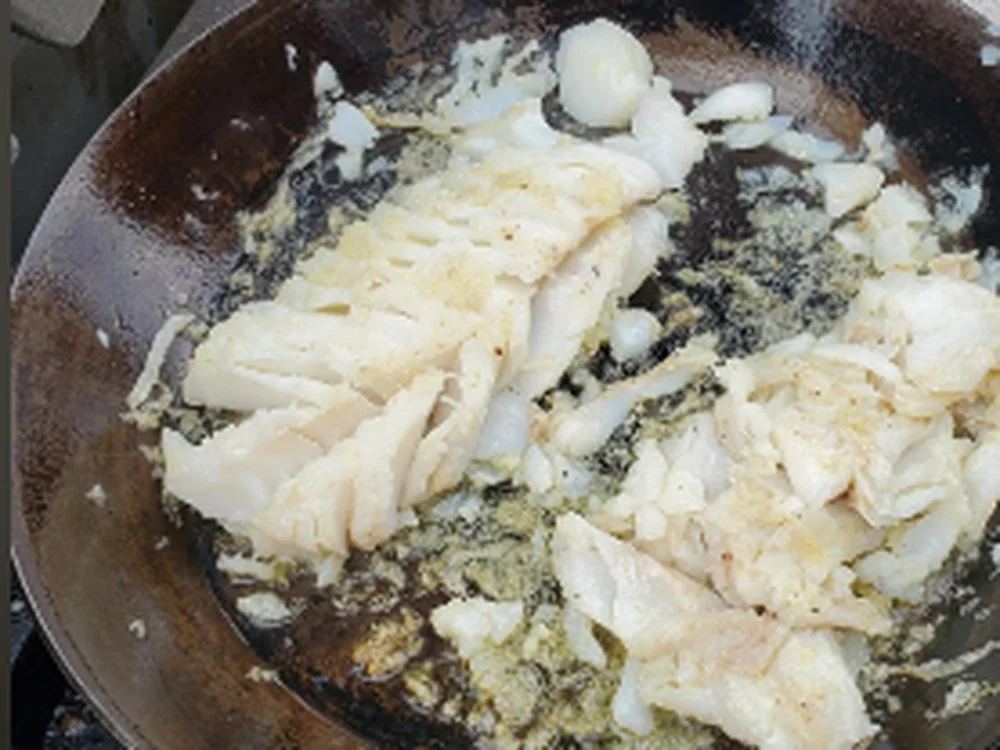
Why Fish Sticks to the Pan and Falls Apart
Test release gently. Forcing the first flip can tear a delicate fillet before its surface has set.
Read the guide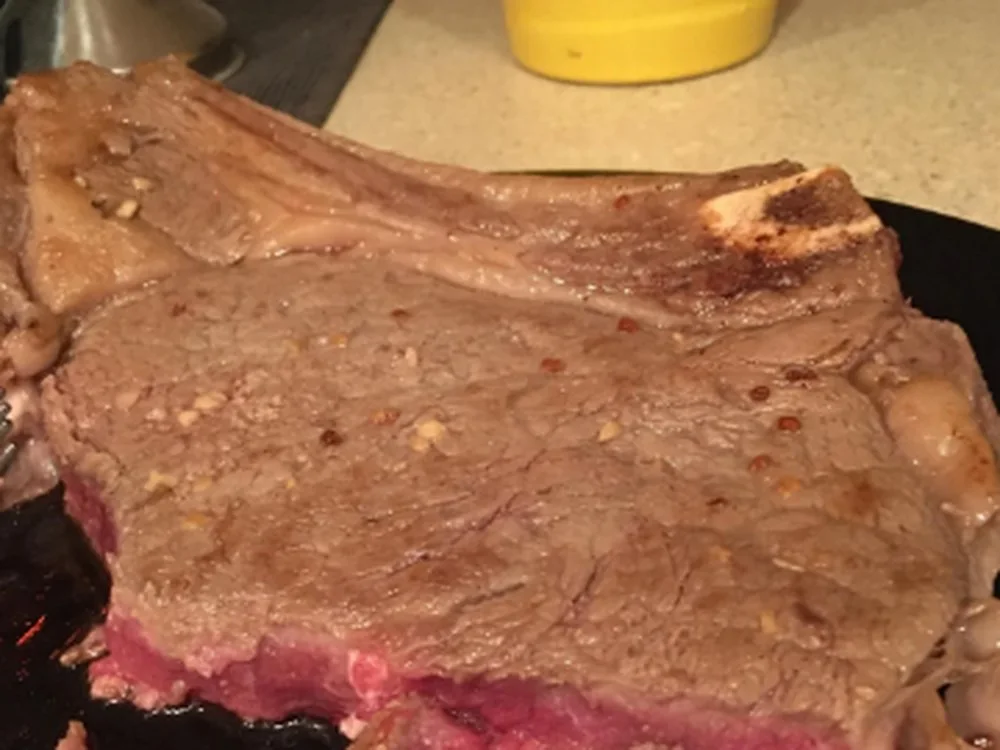
Why Seared Meat Turns Gray Instead of Crisp and Brown
Dry the surface and give the pan space. A pool of liquid prevents an effective sear.
Read the guide