Meat & fish / GUIDE 18
Why Your Meat Stays Tough Even After Hours of Cooking
Identify the cut first. A tough braising cut may need time; a dry lean cut will not improve with hours more cooking.
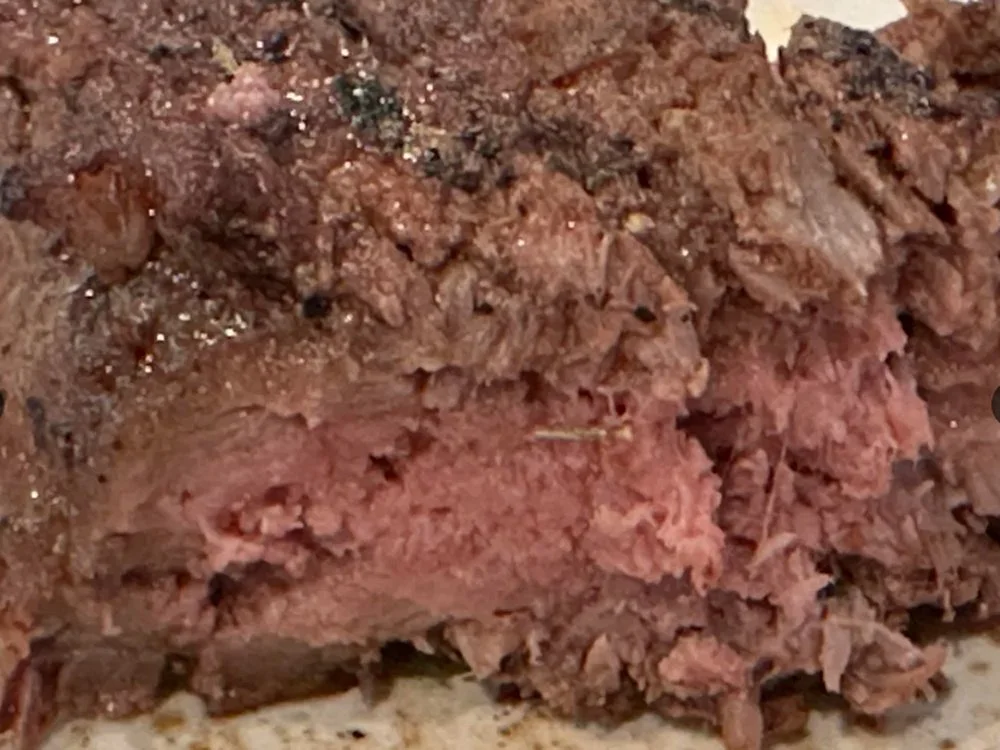
01 / READ THE SIGNS
Start with what you can observe.
Look for the pattern that matches your result before changing the recipe.
- Shoulder or shank resists a fork but remains moist: connective tissue may need longer.
- Lean slices are dry and fibrous: overcooking may be the issue.
- The pot boiled hard or dried out: cooking conditions need correction.
02 / RIGHT NOW
Can you save this batch?
For a suitable braising cut, restore an appropriate amount of hot liquid, cover and continue at a gentle simmer until tender. Check periodically rather than promising an exact deadline. For dry lean meat, slice finely and serve with sauce; further prolonged cooking usually removes more moisture.
03 / THE NEXT ATTEMPT
Make the change that matters.
- Choose a cut intended for your cooking method.
- Keep a braise at a gentle simmer and monitor liquid level.
- Test tenderness as well as safe temperature: those answer different questions.
04 / A LITTLE UNDERSTANDING
What's happening underneath.
Collagen-rich cuts become tender as connective tissue changes during prolonged moist cooking. Lean tender cuts have less of that structure to soften and can simply lose moisture. A safe internal temperature is not a universal tenderness target.
Do not assume every tough cut needs exactly two or three hours.
05 / ONE GOOD QUESTION
Does more liquid automatically tenderize meat?
No. Liquid supports the cooking environment, but cut, temperature and time determine the outcome. Submerging a dry lean steak will not restore it.
06 / KEEP READING
References & related reading
Continue with these external resources on the relevant technique or safety guidance. They are independent of Rosu.
A note for your next attempt.
Record one change and what happened. Notes stay in this browser; they are not sent to Rosu.
Found something that needs a closer look? Send a correction. Read our editorial approach and food safety essentials.
FOLLOW THE THREAD
A little more useful reading.
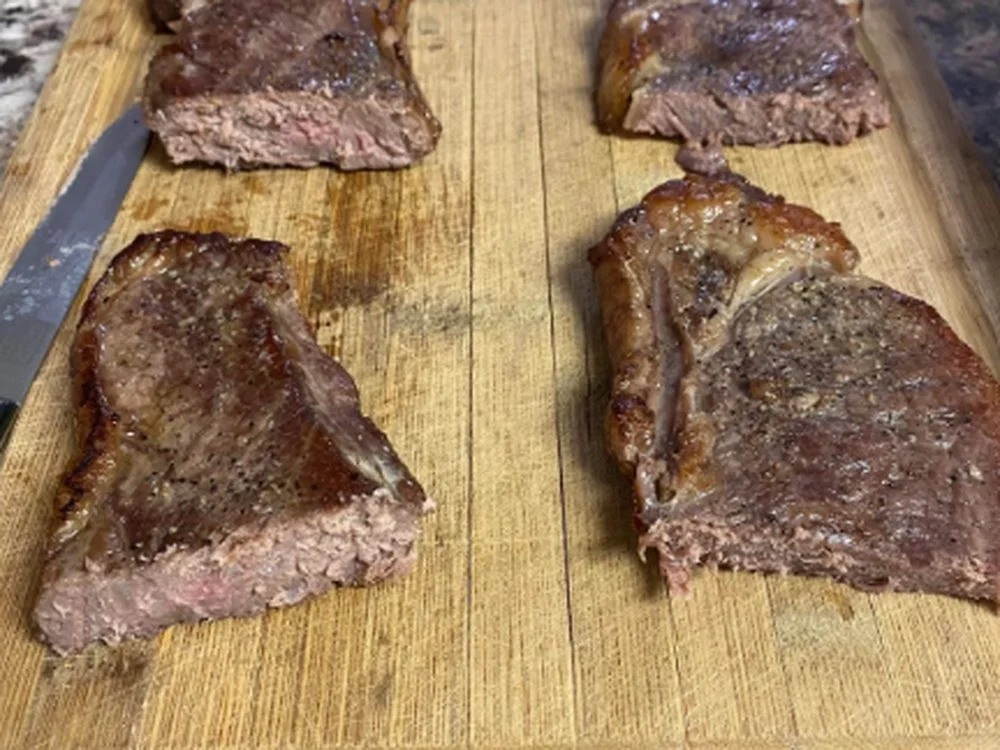
Why Steak Is Chewy Even Though You Rested It
Find the grain before slicing. Resting cannot shorten long muscle fibers or undo overcooking.
Read the guide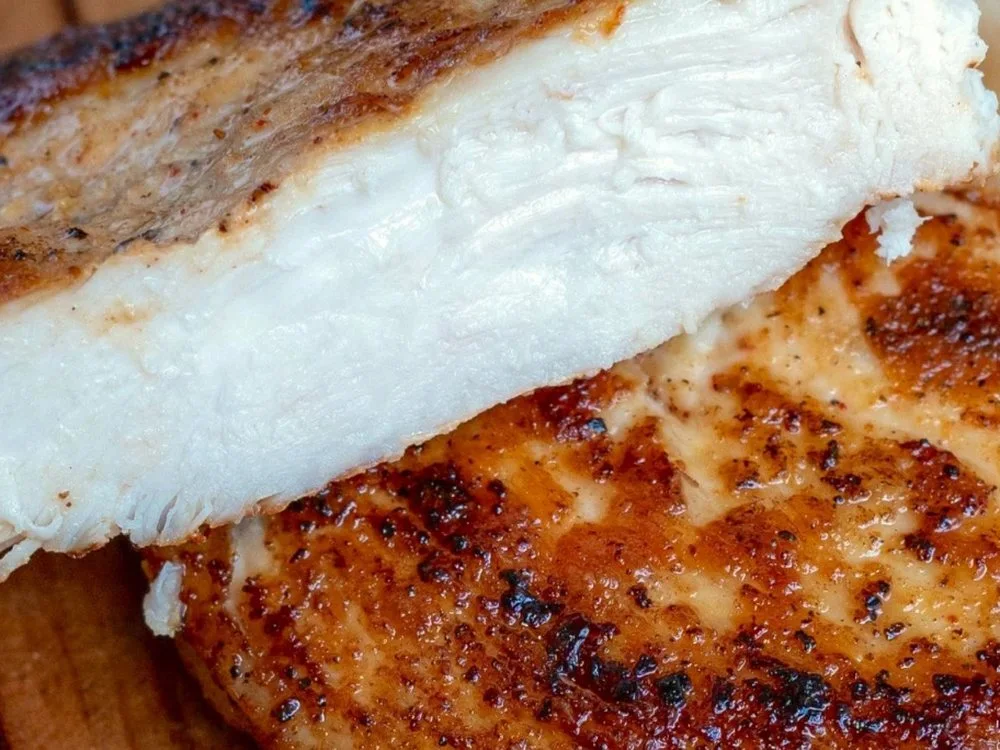
Why Grilled Chicken Comes Out Dry Inside
Use a thermometer to reach a safe endpoint without continuing far beyond it.
Read the guide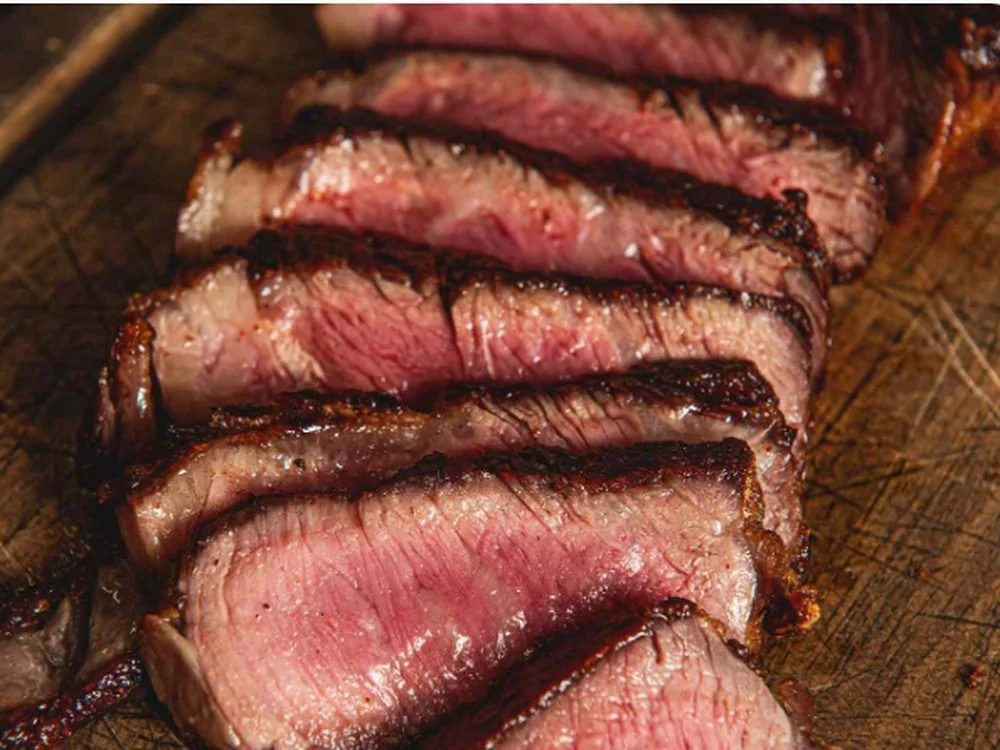
Why Resting Time Matters Before Slicing or Serving
Resting serves different purposes in meat, bread and cake. Use the timing appropriate to the food.
Read the guide