Desserts & chocolate / GUIDE 23
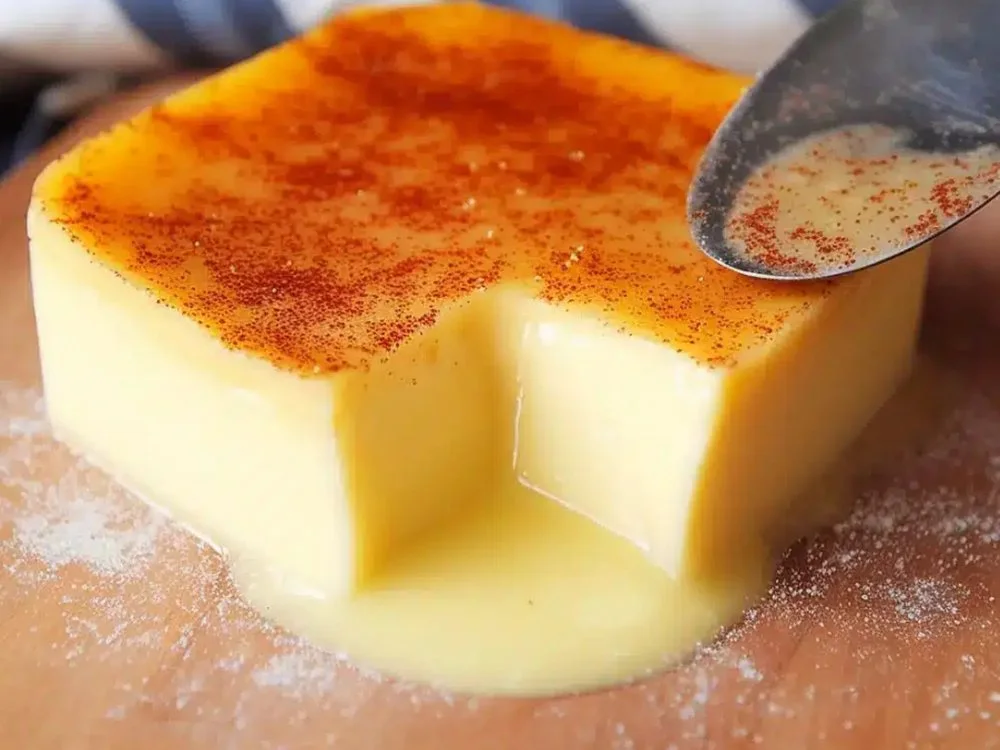
Why Custard Curdles Into Scrambled-Egg Bits
Remove the custard from heat at the first sign of curds. Continued cooking makes recovery less likely.
01 / READ THE SIGNS
Start with what you can observe.
Look for the pattern that matches your result before changing the recipe.
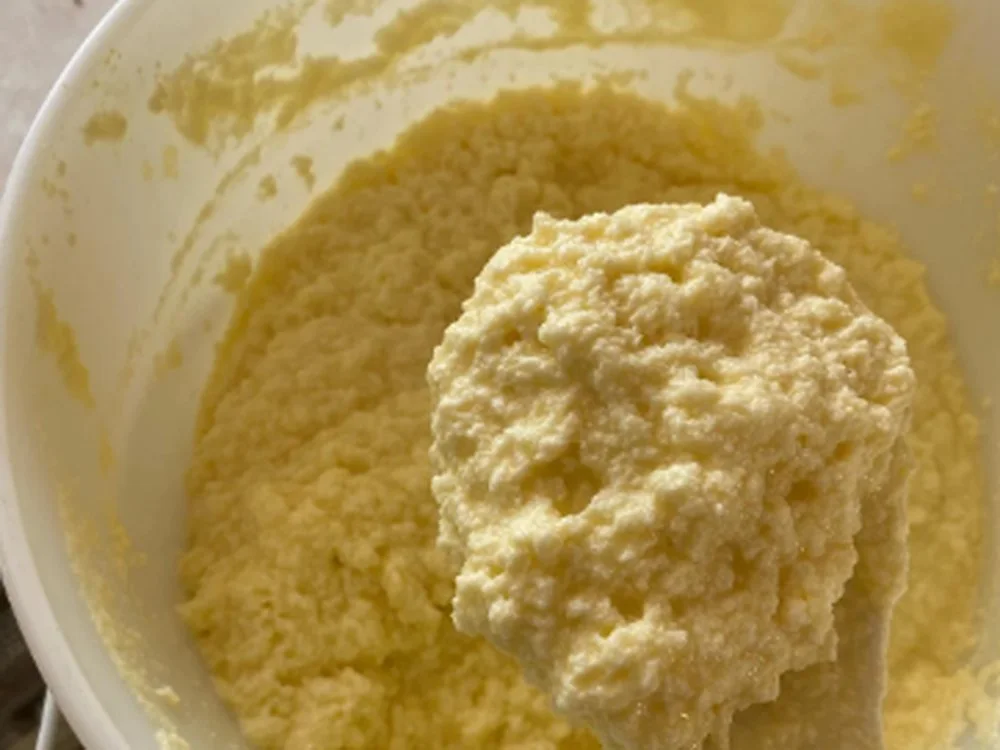
- Tiny soft grains just appeared: rapid cooling and straining may help.
- Large firm curds with watery separation: the protein network is badly overcooked.
- A starch-thickened pastry cream: use its separate method rather than a plain-custard rule.
02 / RIGHT NOW
Can you save this batch?
Transfer a stirred custard out of the hot pan, strain and cool promptly while stirring. A blender may smooth mild graininess, but cannot undo severe coagulation or remove an eggy flavor. Keep dairy-and-egg mixtures under safe temperature control throughout.
03 / THE NEXT ATTEMPT
Make the change that matters.
- Follow a tested custard formula and temper if its method calls for it.
- Stir across the entire pan over controlled heat.
- Have the receiving bowl and sieve ready before the custard reaches its endpoint.
04 / A LITTLE UNDERSTANDING
What's happening underneath.
Egg proteins form a network as they heat. Excess heat tightens that network into distinct curds and releases liquid. Sugar, starch and dilution change how a custard behaves, so there is no single temperature or boiling rule for all custards.
Do not apply a never-boil rule to every starch-containing pastry cream.
05 / ONE GOOD QUESTION
Can I save a baked custard the same way?
Not usually. Straining is useful for a stirred custard before serving; blending a baked custard destroys its intended set structure.
06 / KEEP READING
References & related reading
Continue with these external resources on the relevant technique or safety guidance. They are independent of Rosu.
A note for your next attempt.
Record one change and what happened. Notes stay in this browser; they are not sent to Rosu.
Found something that needs a closer look? Send a correction. Read our editorial approach and food safety essentials.
FOLLOW THE THREAD
A little more useful reading.
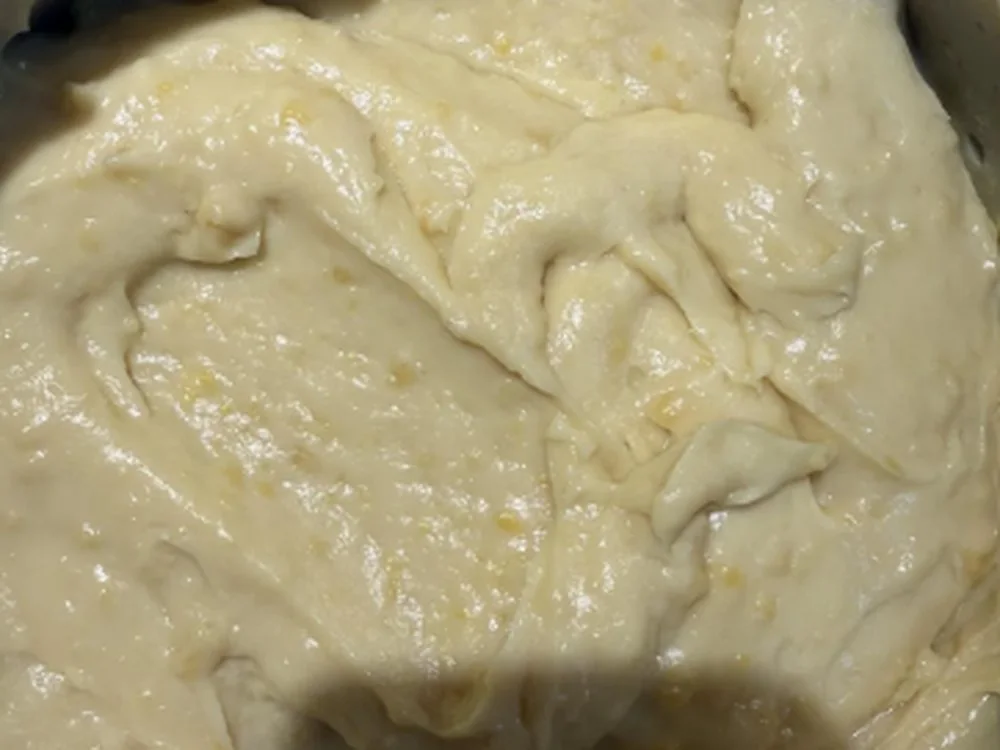
Why Pastry Cream Turns Lumpy
Identify whether the lumps are starch, cooked egg or simply cold pastry cream that needs smoothing.
Read the guide
Why Cheesecake Cracks on Top
A crack is often cosmetic. Check overbaking and cooling before changing the filling formula.
Read the guide
Why Meringue Won't Whip Up or Collapses After
A glossy foam and a dry, clumpy foam are different stages. Stop and inspect rather than continuing at full speed.
Read the guide