Desserts & chocolate / GUIDE 61
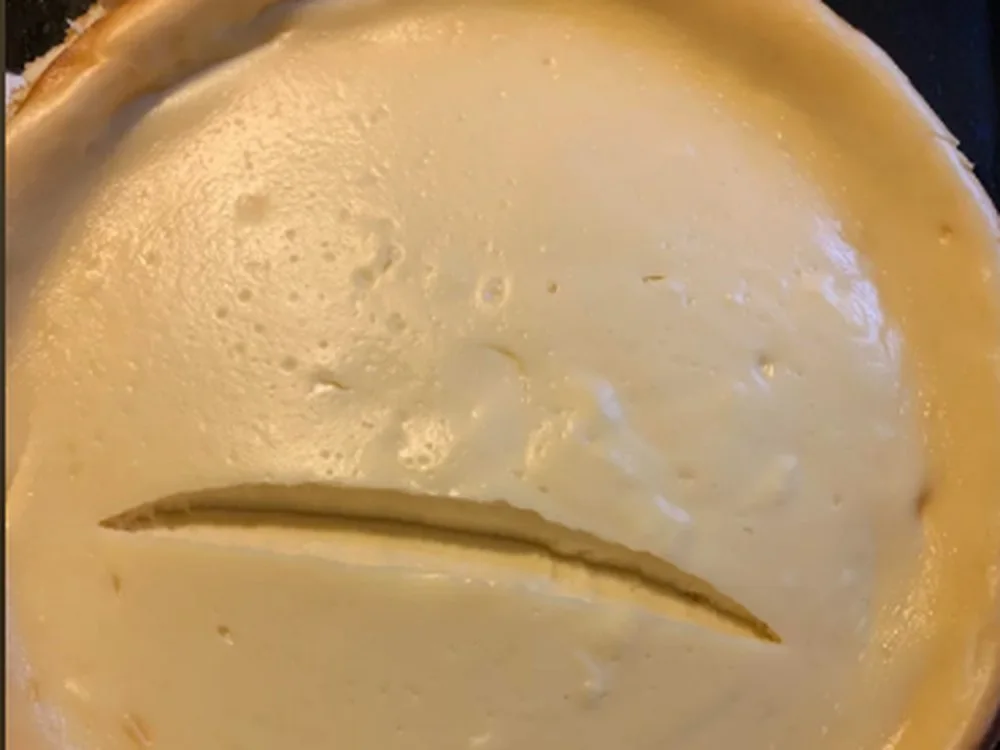
Why Cheesecake Cracks on Top
A crack is often cosmetic. Check overbaking and cooling before changing the filling formula.

01 / READ THE SIGNS
Start with what you can observe.
Look for the pattern that matches your result before changing the recipe.
- Edges are firm and dry: overbaking may contribute.
- The cake rose dramatically then fell: excess aeration is possible.
- The center contracts while the edge grips the pan: uneven shrinkage can split the surface.
02 / RIGHT NOW
Can you save this batch?
Once properly baked and chilled, a cracked cheesecake can be served with fruit or a thin topping. Do not keep baking to close a crack; that usually removes more moisture. Follow safe cooling and refrigeration rather than leaving it out for many hours.
03 / THE NEXT ATTEMPT
Make the change that matters.
- Mix cream cheese smooth before adding eggs, then avoid unnecessary aeration.
- Use the recipe's water bath or other baking method if specified.
- Follow its doneness and cooling cues, and refrigerate within safe time limits.
04 / A LITTLE UNDERSTANDING
What's happening underneath.
Cheesecake is a delicate set mixture. Heat and moisture loss change its structure, and contraction can pull the surface apart. Different styles, including deliberately browned cheesecakes, have different appearance standards.
Do not expect a cheesecake to be rigid in the center while still hot unless the recipe specifically describes that endpoint.
05 / ONE GOOD QUESTION
Is a water bath mandatory?
No. It can moderate heat in recipes designed for it, but many successful cheesecakes use other methods. Follow a complete tested method.
06 / KEEP READING
References & related reading
Continue with these external resources on the relevant technique or safety guidance. They are independent of Rosu.
A note for your next attempt.
Record one change and what happened. Notes stay in this browser; they are not sent to Rosu.
Found something that needs a closer look? Send a correction. Read our editorial approach and food safety essentials.
FOLLOW THE THREAD
A little more useful reading.
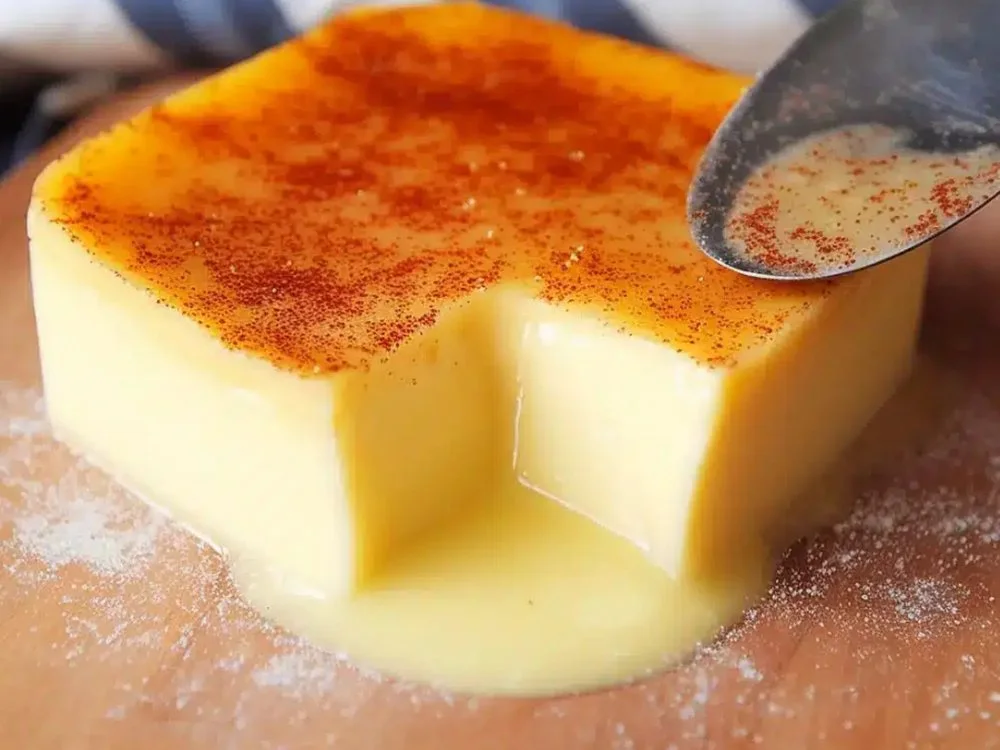
Why Custard Curdles Into Scrambled-Egg Bits
Remove the custard from heat at the first sign of curds. Continued cooking makes recovery less likely.
Read the guide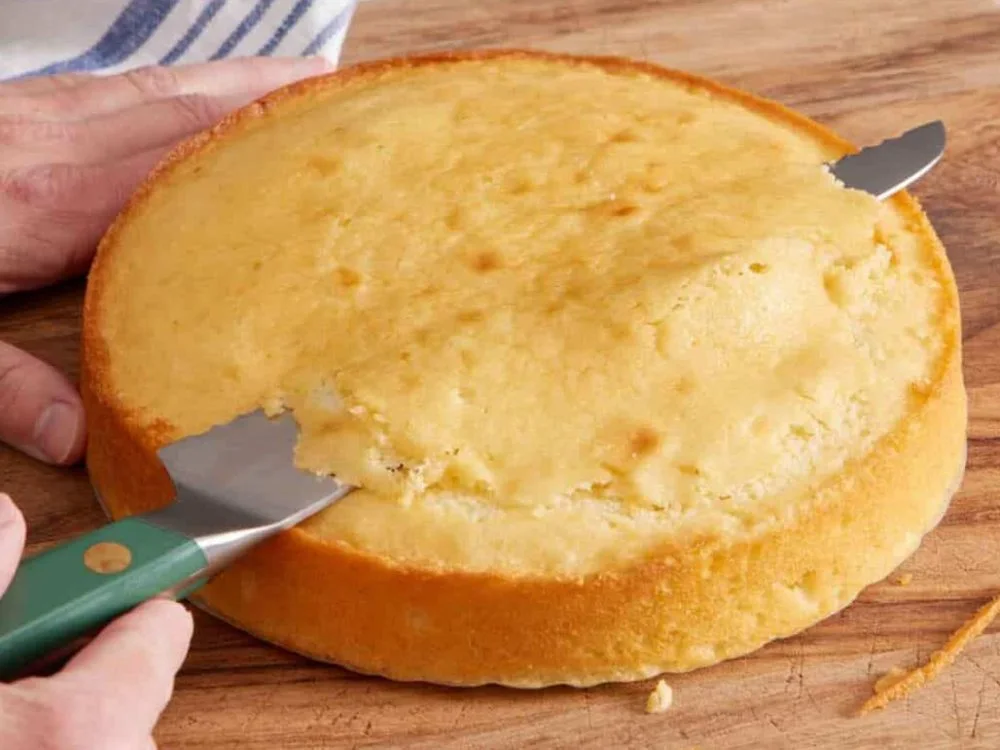
Why Your Cake Sinks in the Middle
A sunken middle is a structural clue. Check whether the center finished baking before blaming the oven door.
Read the guide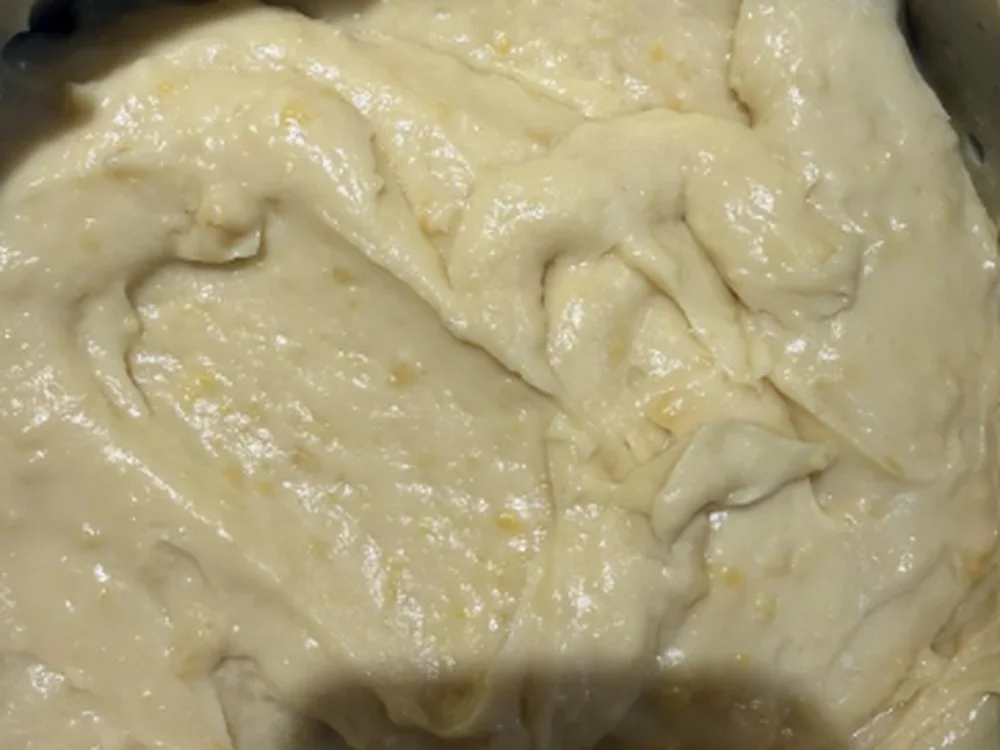
Why Pastry Cream Turns Lumpy
Identify whether the lumps are starch, cooked egg or simply cold pastry cream that needs smoothing.
Read the guide