Desserts & chocolate / GUIDE 27
Why Meringue Won't Whip Up or Collapses After
A glossy foam and a dry, clumpy foam are different stages. Stop and inspect rather than continuing at full speed.
01 / READ THE SIGNS
Start with what you can observe.
Look for the pattern that matches your result before changing the recipe.
- Whites stay loose: check for yolk or greasy equipment.
- Foam forms but looks dry and clumpy: it may be overwhipped.
- Meringue weeps later: sugar dissolution, baking or storage may contribute.
02 / RIGHT NOW
Can you save this batch?
A severely contaminated bowl is best restarted with clean equipment. Mildly overwhipped unsweetened whites may sometimes be loosened with a little fresh white, but a finished meringue is less predictable. Use the target texture for the specific recipe rather than always aiming for the stiffest possible peak.
03 / THE NEXT ATTEMPT
Make the change that matters.
- Separate eggs carefully and use a clean grease-free bowl.
- Follow the sugar-addition method for French, Swiss or Italian meringue.
- Slow the mixer near the endpoint and lift the whisk to inspect the peak.
04 / A LITTLE UNDERSTANDING
What's happening underneath.
Whisking unfolds egg proteins around air bubbles. Fat can interfere with foam formation, while excessive whipping produces a coarse, unstable network. Sugar affects stability and timing, so the method changes with the meringue style.
Do not assume a raw meringue is safe because it looks firm; use pasteurized eggs for uncooked preparations.
05 / ONE GOOD QUESTION
Must every meringue reach stiff peaks?
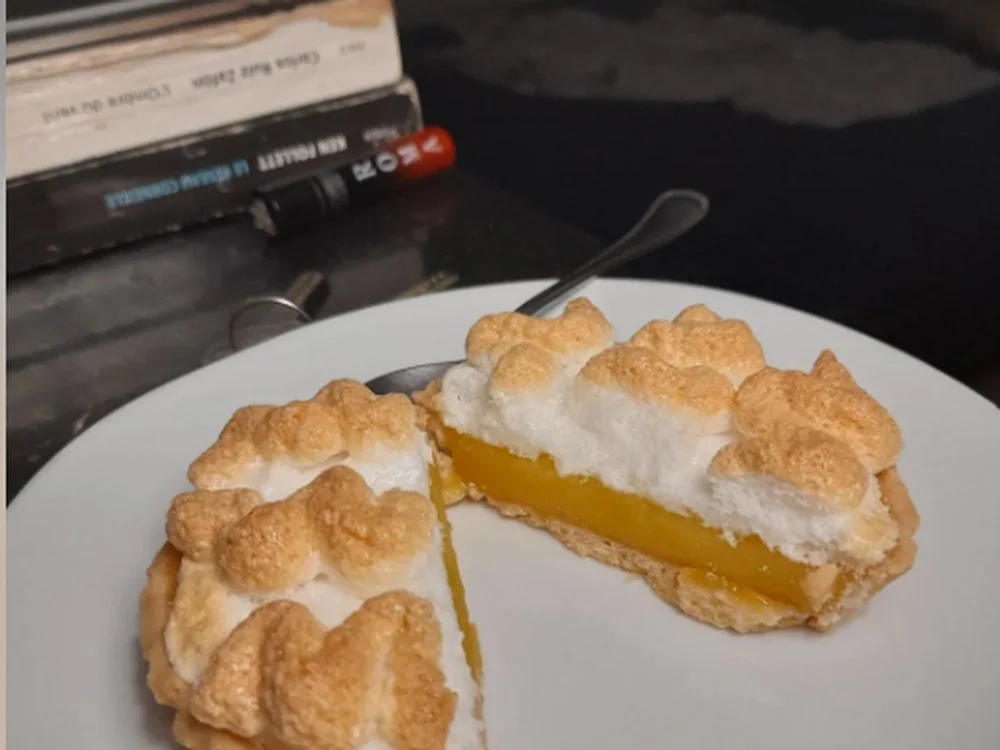
No. Folding into batter, topping a pie and piping baked shapes may call for different endpoints. Follow the intended use.
06 / KEEP READING
References & related reading
Continue with these external resources on the relevant technique or safety guidance. They are independent of Rosu.
A note for your next attempt.
Record one change and what happened. Notes stay in this browser; they are not sent to Rosu.
Found something that needs a closer look? Send a correction. Read our editorial approach and food safety essentials.
FOLLOW THE THREAD
A little more useful reading.

Why Macarons Crack or Don't Form Feet
Change one variable at a time. Cracked tops and missing feet do not point to one universal cause.
Read the guide
Why Whipped Cream Turns to Butter or Grains
At the first grainy look, stop whipping. Mild overwhipping and fully formed butter are different endpoints.
Read the guide
Why Your Cupcakes Come Out Flat Instead of Domed
Flat cupcakes can be exactly right for frosting. Distinguish a level top from a collapsed center.
Read the guide