Cakes & pastry / GUIDE 09
Why Your Cupcakes Come Out Flat Instead of Domed
Flat cupcakes can be exactly right for frosting. Distinguish a level top from a collapsed center.
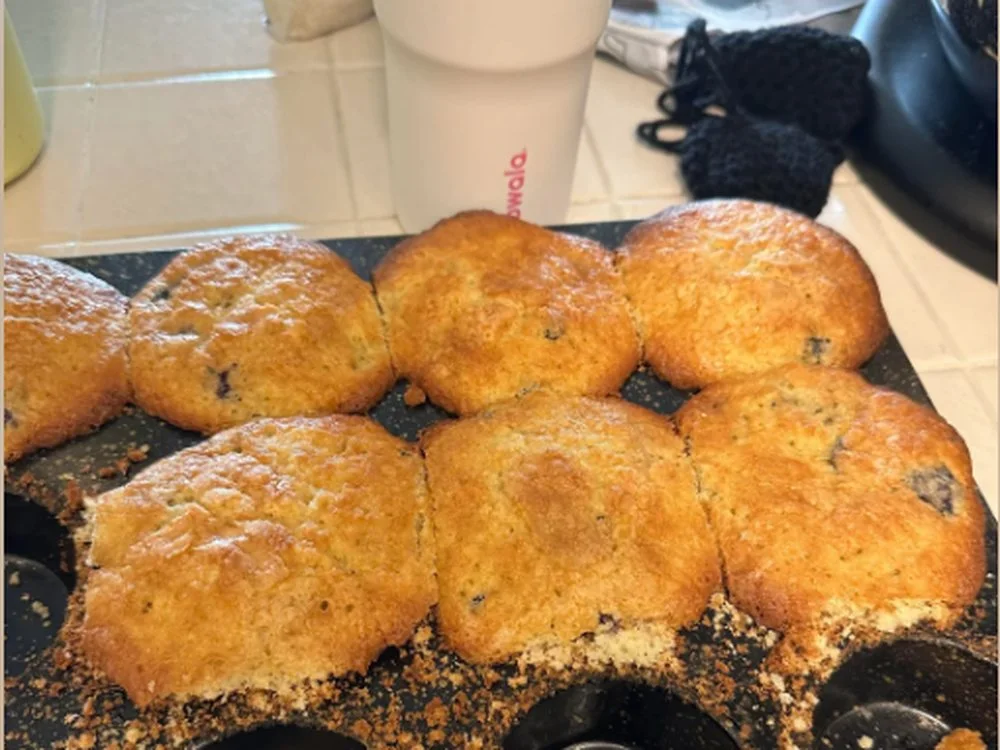
01 / READ THE SIGNS
Start with what you can observe.
Look for the pattern that matches your result before changing the recipe.
- Even, level tops and a tender crumb: likely a normal result.
- Low volume in a creamed-butter recipe: examine aeration and leavener.
- Sunken middles: check doneness and overfilling before chasing a dome.
02 / RIGHT NOW
Can you save this batch?
Fully baked level cupcakes need no rescue. Frost them as intended. If the batch is dense, use the mixing method and portion size as the first variables for the next attempt rather than forcing a hotter oven.
03 / THE NEXT ATTEMPT
Make the change that matters.
- Follow the recipe's mixing method; oil-based cakes do not require butter creaming.
- Portion batter evenly and follow the specified fill level for that formula.
- Bake a small trial when using an unfamiliar liner or pan size.
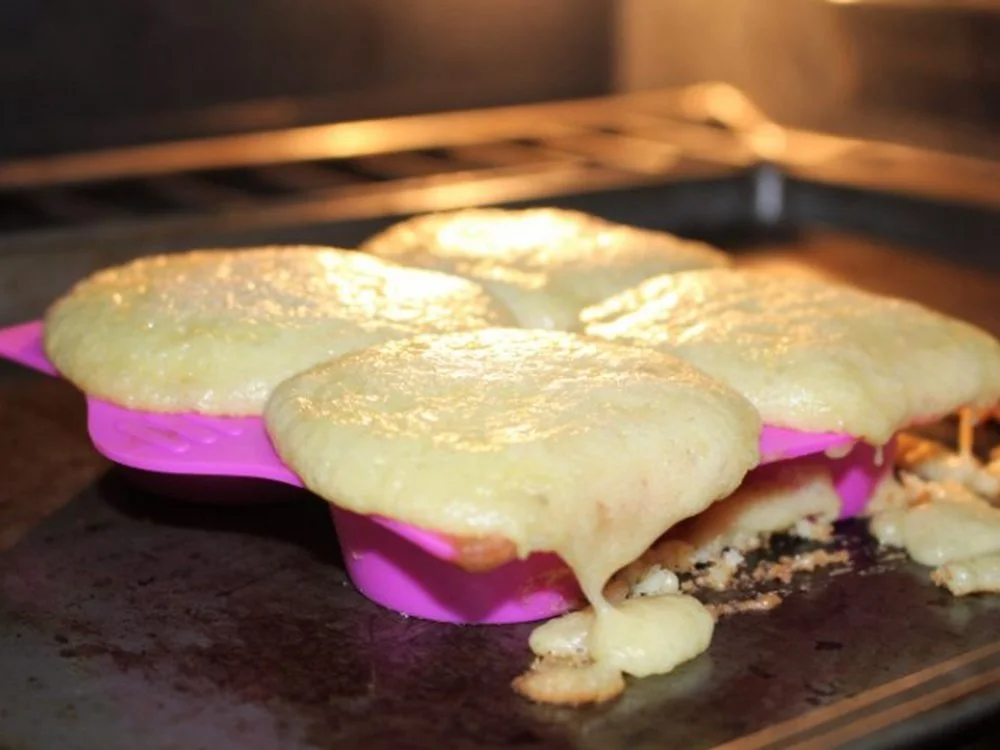
04 / A LITTLE UNDERSTANDING
What's happening underneath.
Top shape reflects the recipe, fill depth and how the edges set relative to the center. A high dome is not a universal quality standard, and adding leavener can create overflow or collapse rather than a better cupcake.
Do not impose an exact two-thirds fill on every recipe.
05 / ONE GOOD QUESTION
Can I use muffin tricks for cupcakes?
Not automatically. A high initial oven temperature suitable for some muffins can overbrown a delicate cupcake. Use a cupcake recipe designed for the shape you want.
06 / KEEP READING
References & related reading
Continue with these external resources on the relevant technique or safety guidance. They are independent of Rosu.
A note for your next attempt.
Record one change and what happened. Notes stay in this browser; they are not sent to Rosu.
Found something that needs a closer look? Send a correction. Read our editorial approach and food safety essentials.
FOLLOW THE THREAD
A little more useful reading.
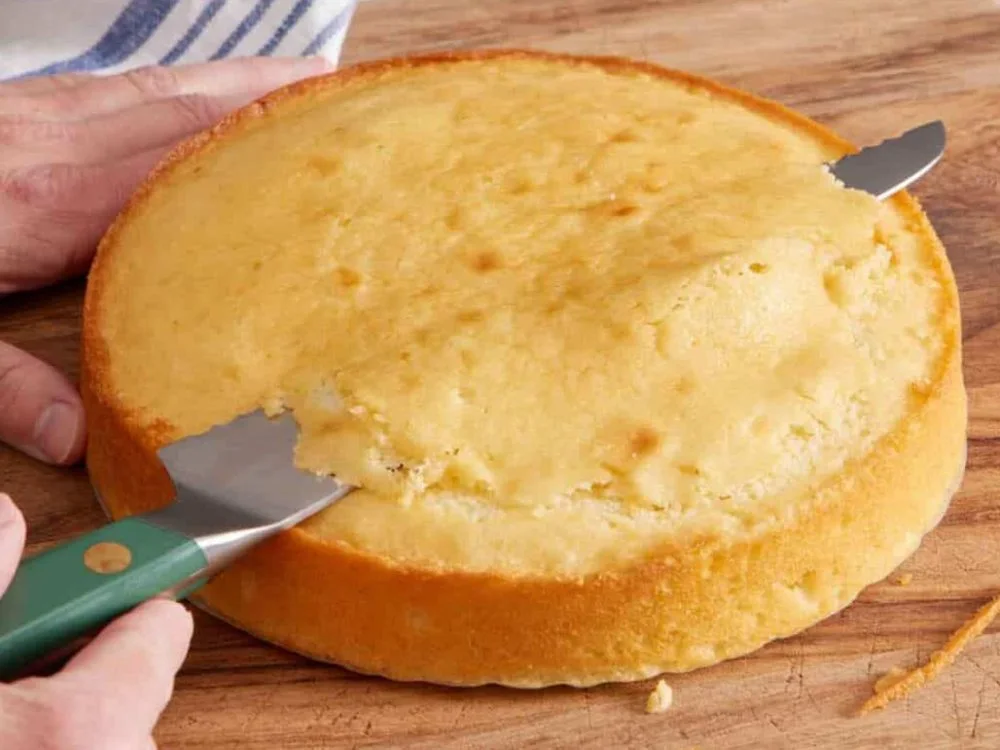
Why Your Cake Sinks in the Middle
A sunken middle is a structural clue. Check whether the center finished baking before blaming the oven door.
Read the guide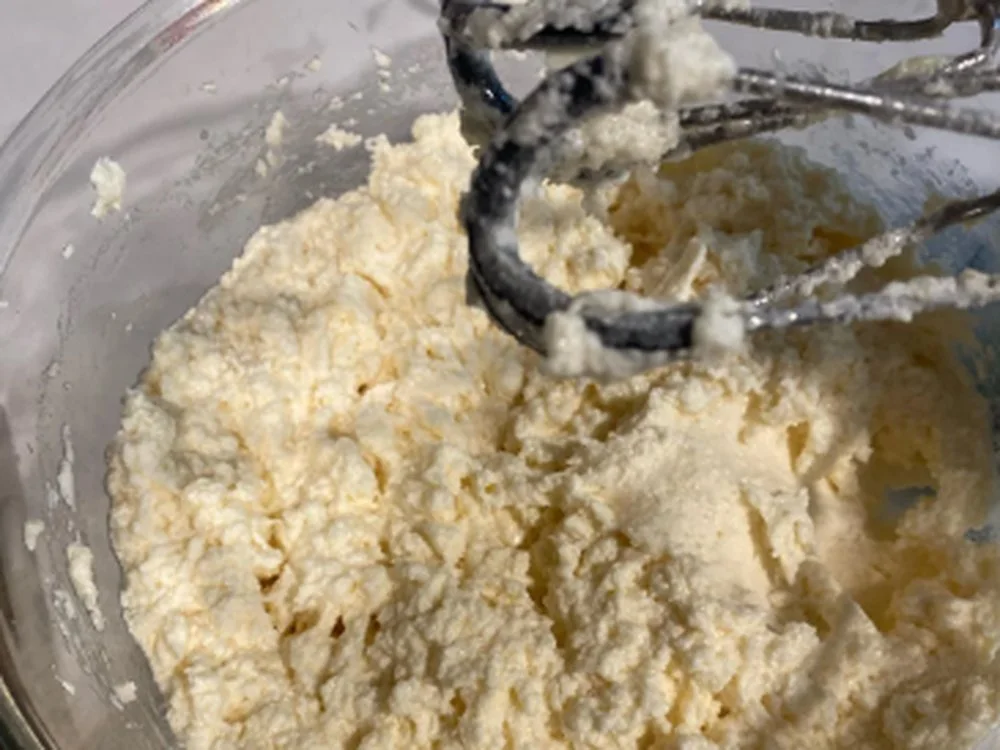
Why Cake Batter Curdles When You Add the Eggs
Pause the mixer and check ingredient temperature. A slightly split batter is not always a ruined cake.
Read the guide
Why Cake Layers Dome Unevenly on Top
A centered dome and a lopsided cake are different problems. Check the pan's level before changing the recipe.
Read the guide