Cakes & pastry / GUIDE 42
Why Cake Layers Dome Unevenly on Top
A centered dome and a lopsided cake are different problems. Check the pan's level before changing the recipe.
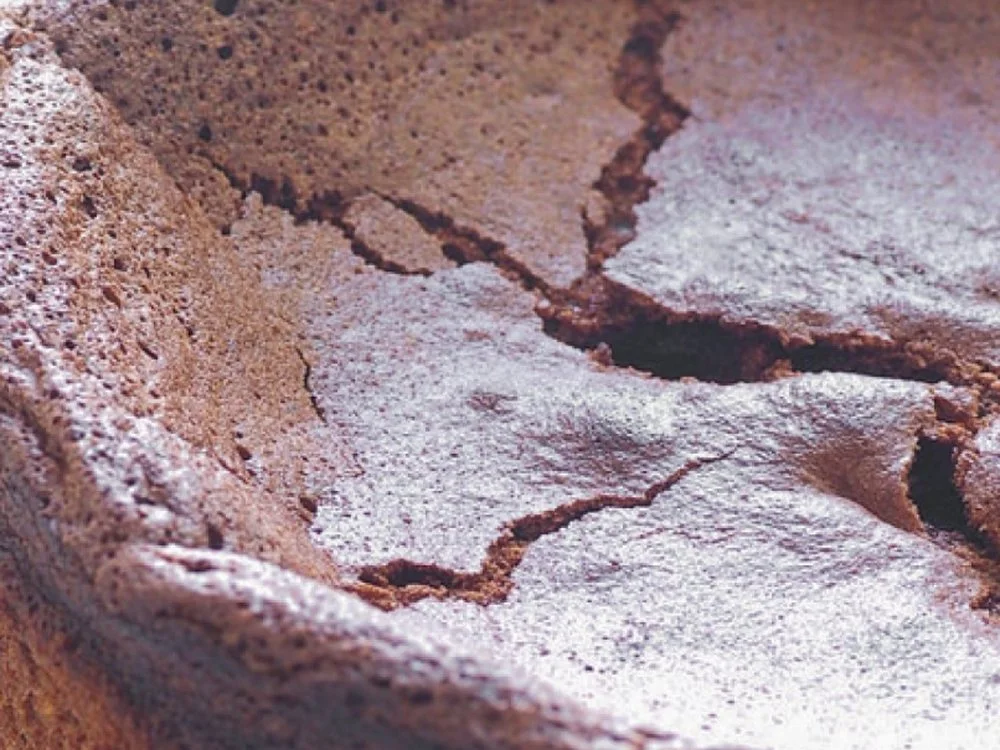
01 / READ THE SIGNS
Start with what you can observe.
Look for the pattern that matches your result before changing the recipe.
- Even dome in the middle: edges may be setting before the center.
- One side higher: the rack or pan may be unlevel, or batter uneven.
- Repeated dark edges: pan material or oven heat may contribute.
02 / RIGHT NOW
Can you save this batch?
Cool the cake completely, then level it with a long serrated knife if a flat layer is needed. Save trimmings for dessert crumbs. For the next bake, distinguish an expected modest dome from excessive unevenness instead of lowering the heat automatically.
03 / THE NEXT ATTEMPT
Make the change that matters.
- Spread batter evenly and check that the rack sits level.
- Use the pan size and material specified.
- If using baking strips, follow their instructions and monitor doneness because timing can change.
04 / A LITTLE UNDERSTANDING
What's happening underneath.
Edges receive heat through the pan and can set before the center finishes expanding. Pan material, batter depth and oven conditions influence the profile. A sloping rack adds a separate mechanical cause.
Do not press a hot dome flat; that can compress or damage the crumb.
05 / ONE GOOD QUESTION
Are flat layers always better?
They are convenient for stacking, but a dome alone does not mean the cake is dry or poorly made. Judge texture as well as appearance.
06 / KEEP READING
References & related reading
Continue with these external resources on the relevant technique or safety guidance. They are independent of Rosu.
A note for your next attempt.
Record one change and what happened. Notes stay in this browser; they are not sent to Rosu.
Found something that needs a closer look? Send a correction. Read our editorial approach and food safety essentials.
FOLLOW THE THREAD
A little more useful reading.
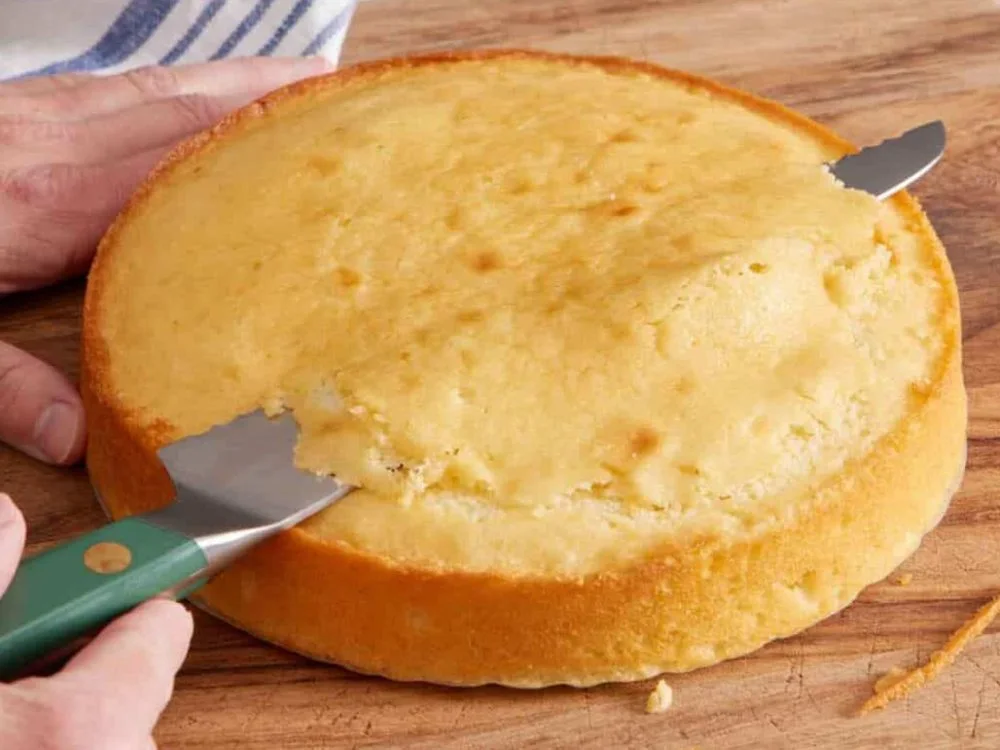
Why Your Cake Sinks in the Middle
A sunken middle is a structural clue. Check whether the center finished baking before blaming the oven door.
Read the guide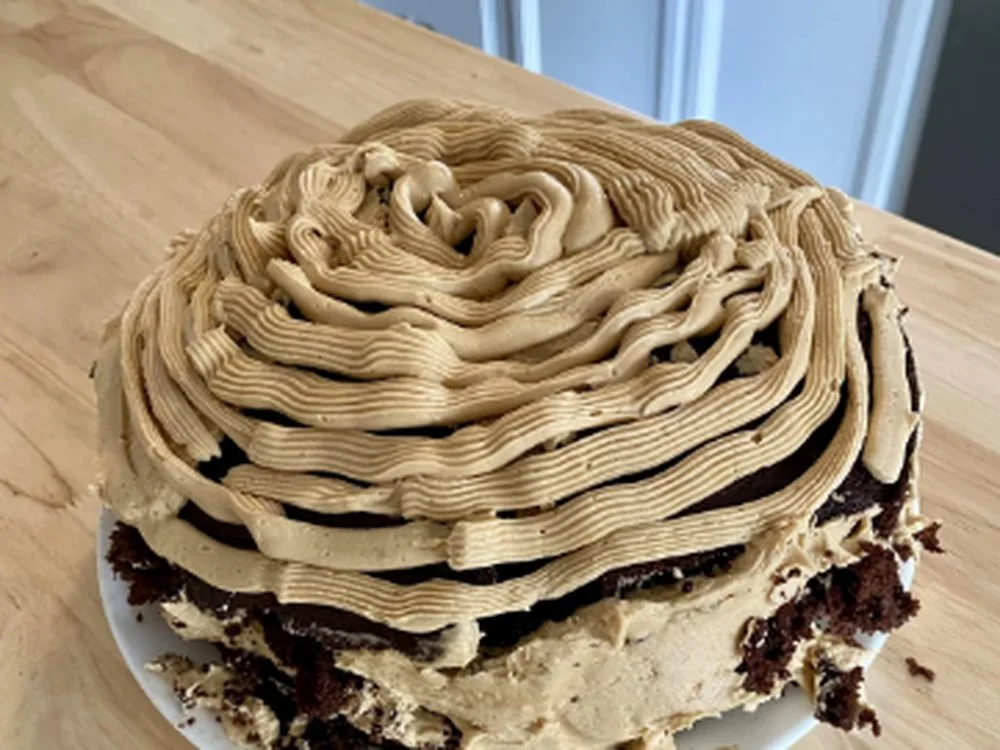
Why Your Cake Is Dry Even Though You Followed the Timing
Timing is a checkpoint, not a guarantee. Check flour weight, pan size and actual doneness.
Read the guide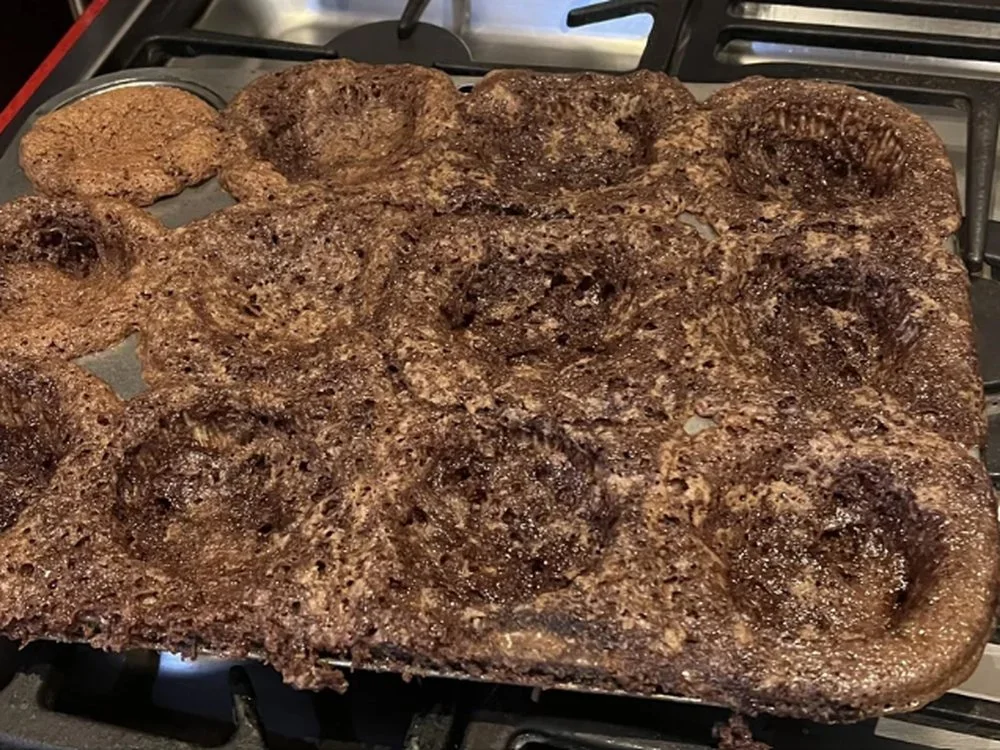
Why the Same Oven Setting Bakes Differently on Different Days
Keep a short oven log. A single thermometer glance cannot describe a cycling oven.
Read the guide