Cakes & pastry / GUIDE 41
Why Brownies Come Out Cakey Instead of Fudgy
Choose a fudgy formula and bake it to that formula's endpoint. Underbaking a cakey recipe is not the same thing.
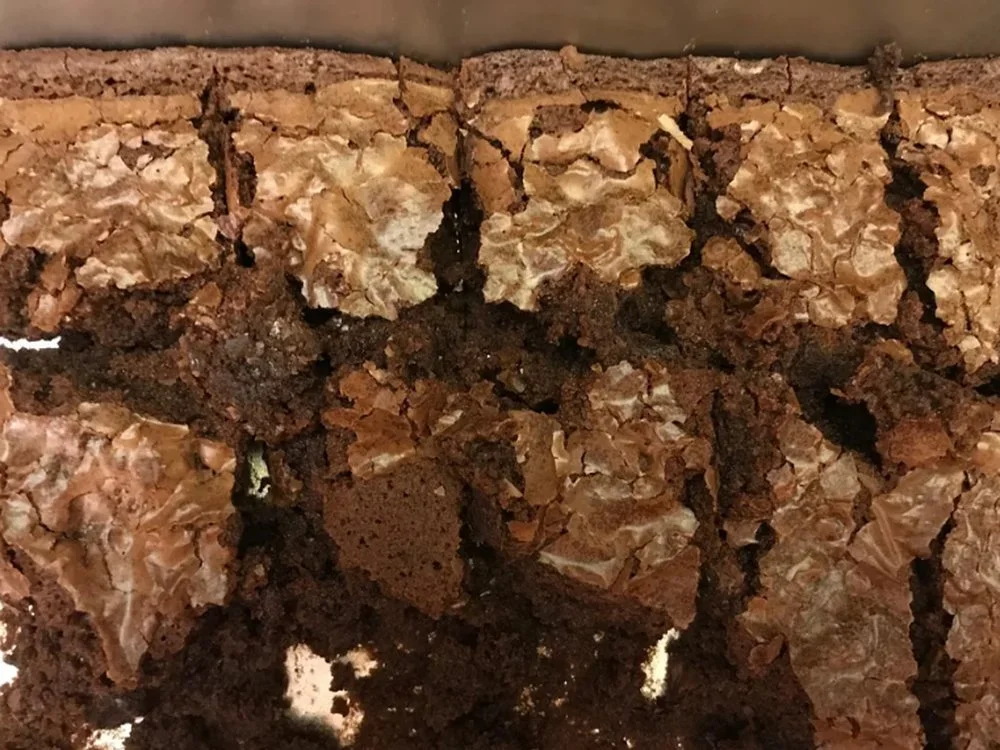
01 / READ THE SIGNS
Start with what you can observe.
Look for the pattern that matches your result before changing the recipe.
- Light crumb throughout: the recipe or mixing method may be cake-like.
- Dry edges and a firm middle: overbaking can contribute.
- A different pan size: batter depth and timing have changed.
02 / RIGHT NOW
Can you save this batch?
Let the brownies cool completely before judging the center; warm brownies have not reached their final texture. Fully baked cakey brownies can be served with a sauce or ice cream. Do not deliberately leave raw flour-and-egg batter in the middle to imitate fudginess.
03 / THE NEXT ATTEMPT
Make the change that matters.
- Use a recipe explicitly developed for a fudgy texture.
- Measure flour and chocolate accurately and follow its egg-mixing method.
- Match the pan dimensions and use the recipe's doneness cues rather than waiting for a completely dry skewer.
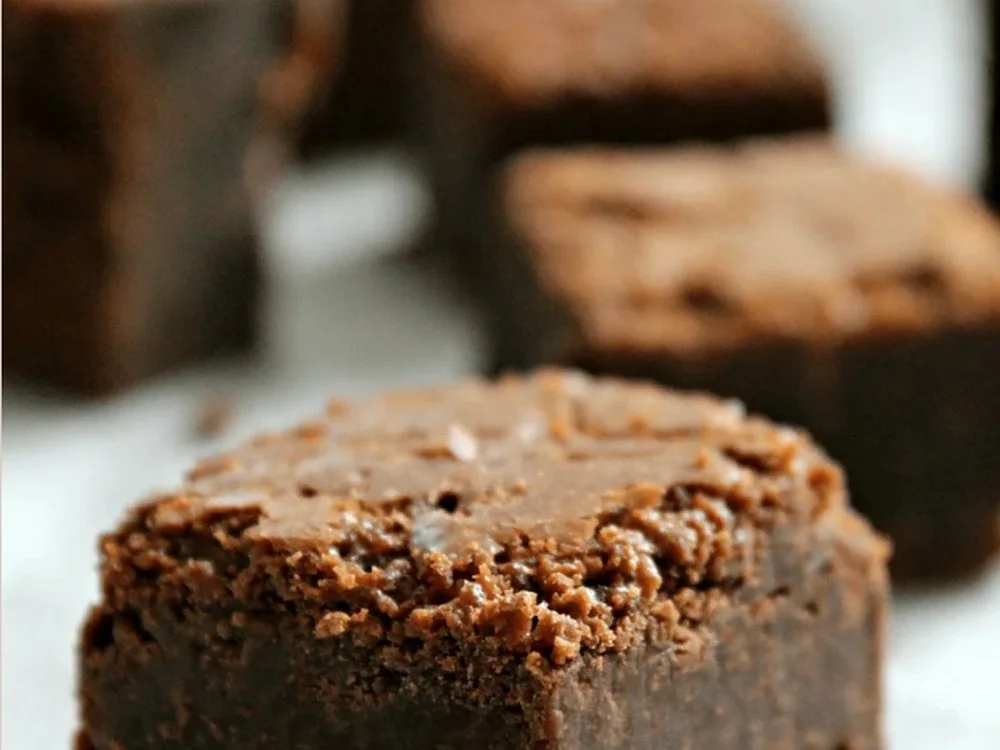
04 / A LITTLE UNDERSTANDING
What's happening underneath.
Fat, sugar, chocolate, flour and eggs determine the finished structure together. Some fudgy recipes deliberately whip eggs, so minimal beating is not a universal rule. Cooling is also essential to the final set.
Do not remove leavener or add chocolate at random to an unfamiliar formula.
05 / ONE GOOD QUESTION
Does chilling help?
It can make fully baked brownies feel denser and slice more cleanly, but it changes serving texture rather than correcting the recipe.
06 / KEEP READING
References & related reading
Continue with these external resources on the relevant technique or safety guidance. They are independent of Rosu.
A note for your next attempt.
Record one change and what happened. Notes stay in this browser; they are not sent to Rosu.
Found something that needs a closer look? Send a correction. Read our editorial approach and food safety essentials.
FOLLOW THE THREAD
A little more useful reading.
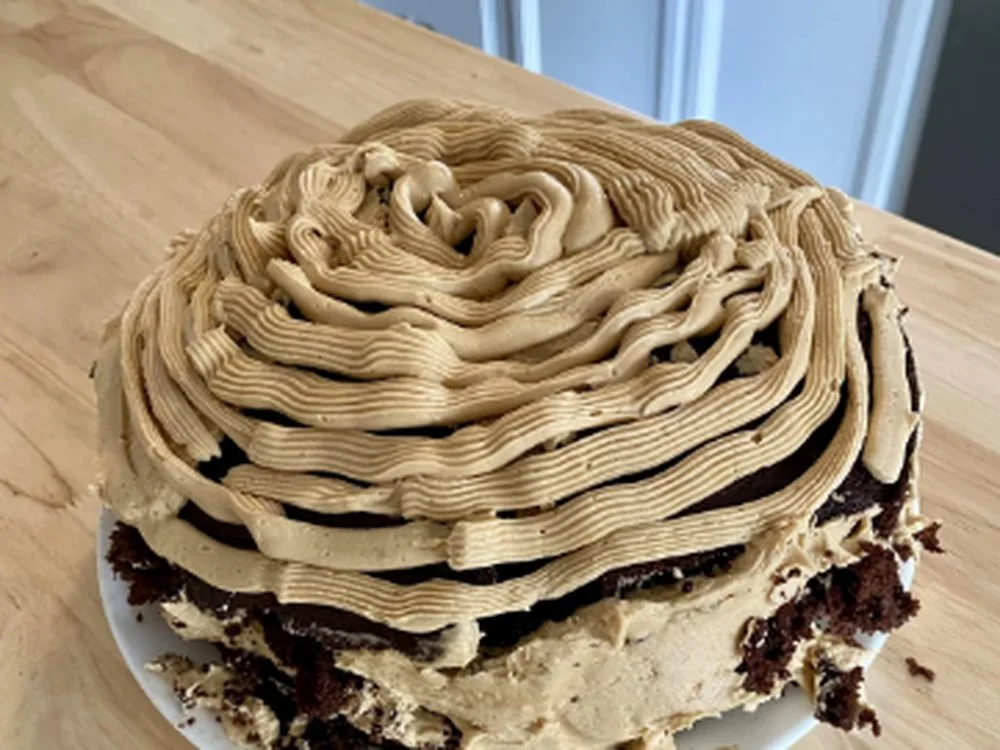
Why Your Cake Is Dry Even Though You Followed the Timing
Timing is a checkpoint, not a guarantee. Check flour weight, pan size and actual doneness.
Read the guide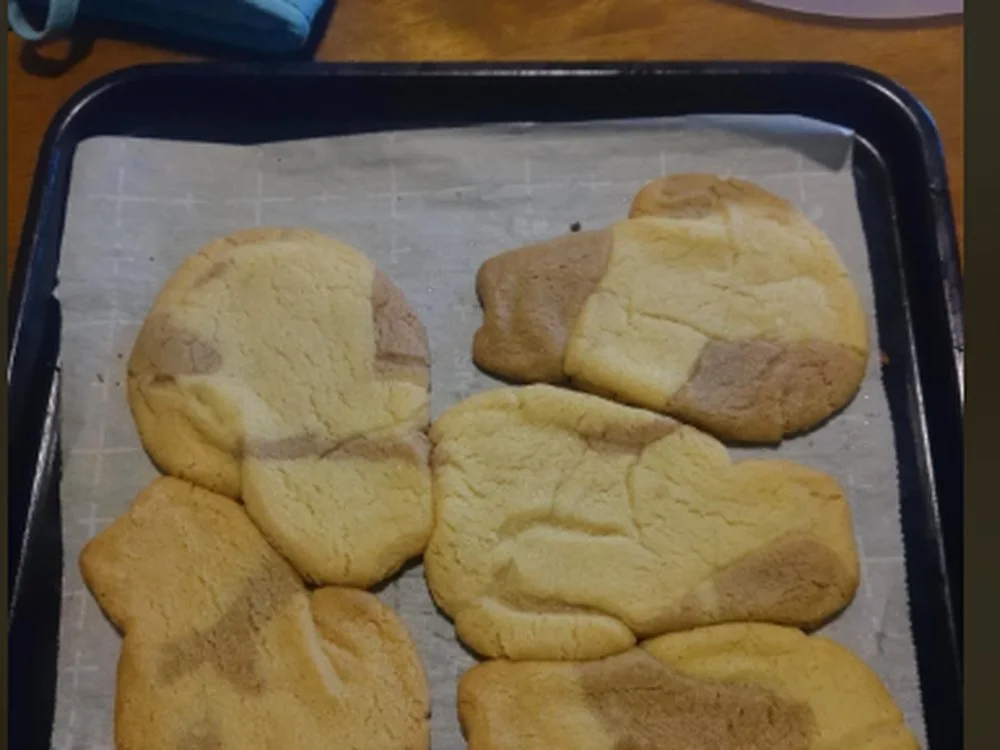
Why Your Cookies Spread Too Thin
Test two cookies before baking the whole tray. Warm dough and a warm baking sheet are easy problems to isolate.
Read the guide
Why Chocolate Seizes or "Burns" While Melting
Separate seizing from scorching. A thickened mass may be reusable; a burned flavor is not repairable.
Read the guide