Desserts & chocolate / GUIDE 24
Why Chocolate Seizes or "Burns" While Melting
Separate seizing from scorching. A thickened mass may be reusable; a burned flavor is not repairable.
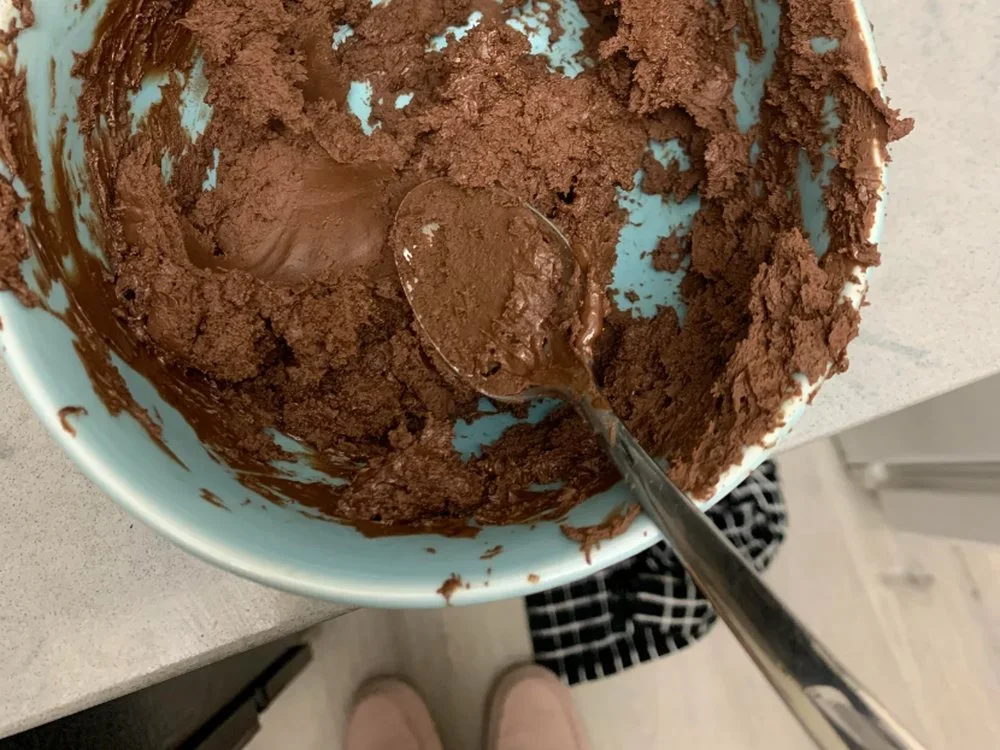
01 / READ THE SIGNS
Start with what you can observe.
Look for the pattern that matches your result before changing the recipe.
- Sudden paste after moisture enters: seizing is likely.
- Smoky smell or dark burned patches: overheating may have scorched it.
- Visible unmelted pieces without grit: it may simply need gentle stirring.
02 / RIGHT NOW
Can you save this batch?
Seized chocolate can sometimes become a sauce by adding enough warm liquid gradually and stirring until smooth. It will no longer behave like plain chocolate for tempering or a crisp coating. If it smells or tastes burned, start again rather than hiding the bitterness.
03 / THE NEXT ATTEMPT
Make the change that matters.
- Use dry tools for melting plain chocolate.
- Heat gently and stir between short microwave intervals, stopping before every piece disappears.
- Keep steam and condensation out of the bowl when using a water bath.
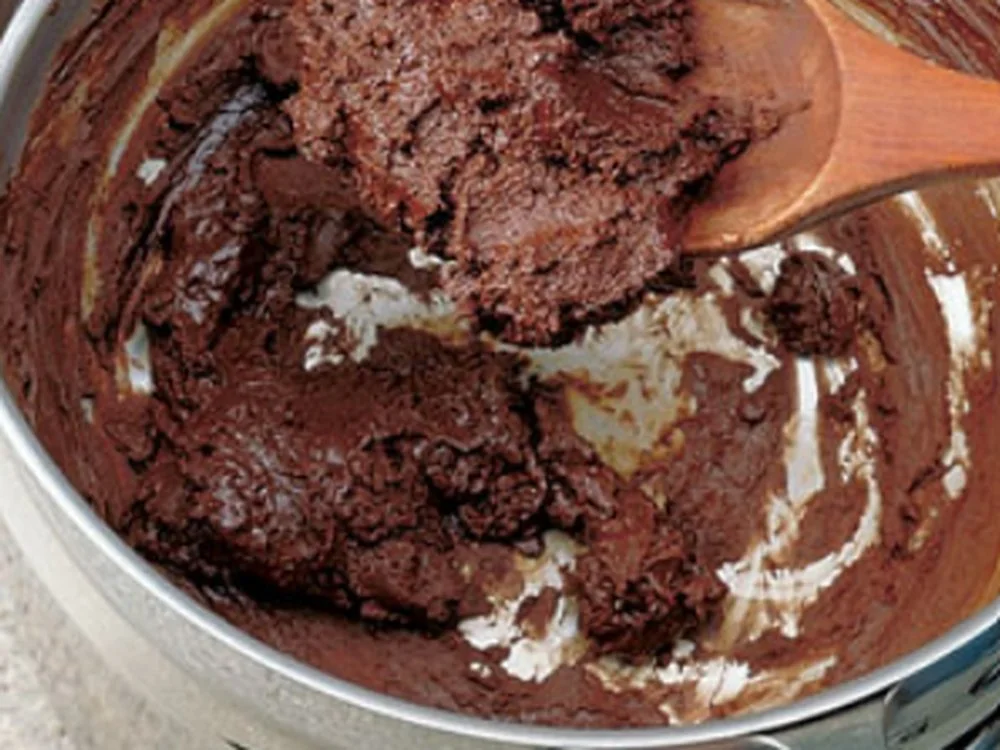
04 / A LITTLE UNDERSTANDING
What's happening underneath.
Plain chocolate contains sugar and cocoa particles dispersed in fat. A small amount of water can make particles clump; enough liquid can instead dissolve sugar and form a sauce. That is why a splash can seize chocolate while a proper ganache formula works.
Do not describe plain melted chocolate as the same emulsion as ganache.
05 / ONE GOOD QUESTION
Will adding oil fix seized chocolate?
It may loosen texture in some uses, but it does not reliably resolve water-induced clumps or restore tempering behavior. Choose a repair matched to the final use.
06 / KEEP READING
References & related reading
Continue with these external resources on the relevant technique or safety guidance. They are independent of Rosu.
A note for your next attempt.
Record one change and what happened. Notes stay in this browser; they are not sent to Rosu.
Found something that needs a closer look? Send a correction. Read our editorial approach and food safety essentials.
FOLLOW THE THREAD
A little more useful reading.
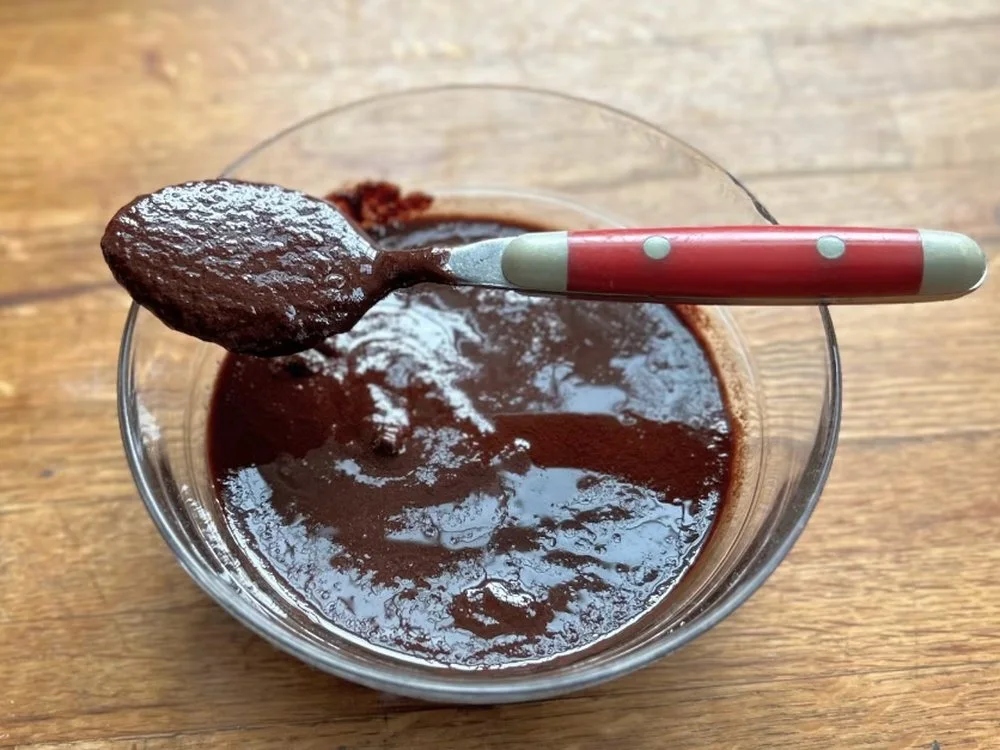
Why Chocolate Ganache Breaks or Separates
An oily ganache may need a small liquid adjustment and gentle mixing, not another handful of chocolate.
Read the guide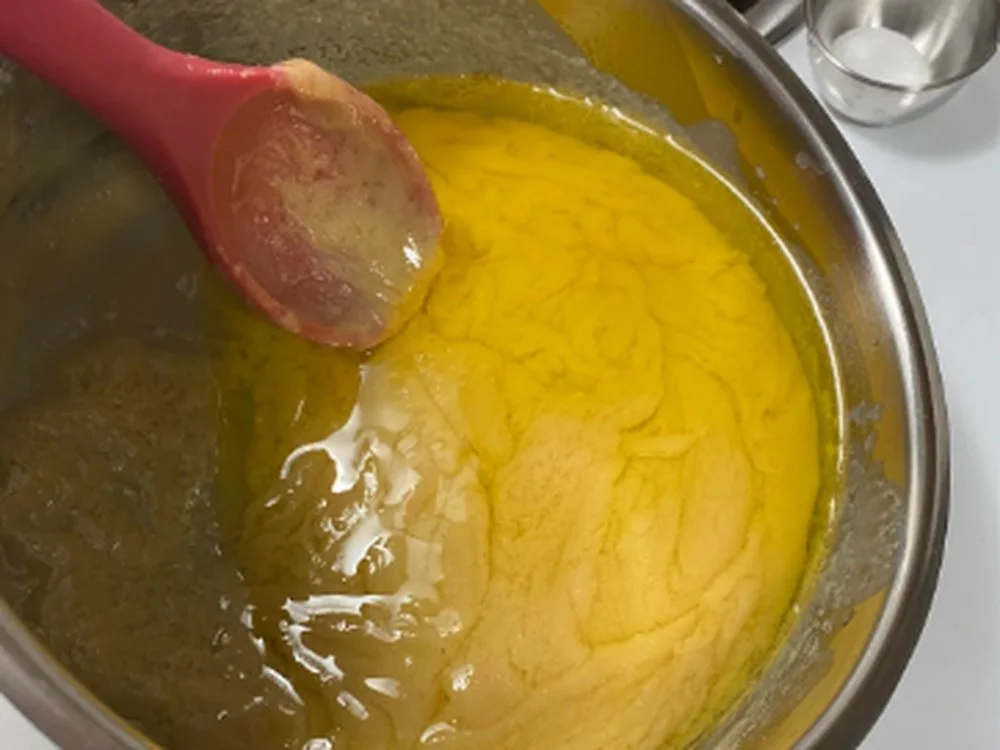
Why Caramel Crystallizes Instead of Staying Glossy
A grainy wet caramel may be redissolved, but first let it cool enough to add water safely.
Read the guide
Why Fudge Turns Out Grainy Instead of Smooth
Traditional fudge needs controlled crystallization. Coarse crystals can form if the cooling and beating stages are mistimed.
Read the guide