Desserts & chocolate / GUIDE 58
Why Homemade Ice Cream Comes Out Icy Instead of Creamy
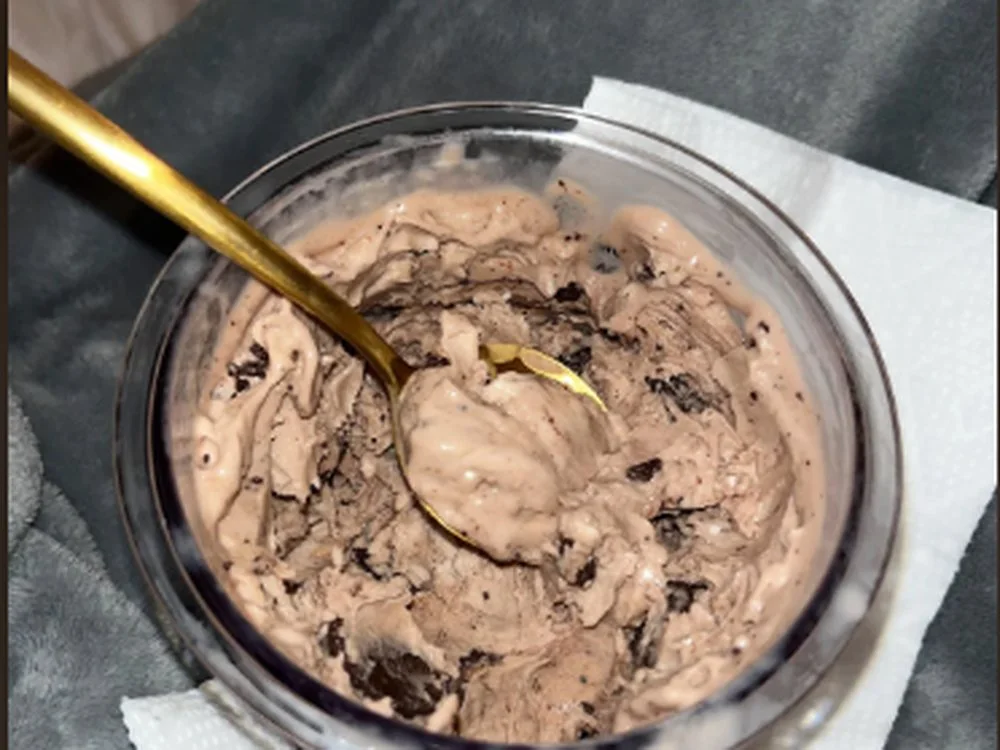
Start with a cold base and a properly prepared machine. A warm base slows freezing and encourages a coarse texture.

01 / READ THE SIGNS
Start with what you can observe.
Look for the pattern that matches your result before changing the recipe.
- First batch is icy: formula or freezing speed may be involved.
- Texture worsens in storage: partial thawing and refreezing may contribute.
- Freezer-bowl machine stays soupy: the bowl may not have frozen sufficiently.
02 / RIGHT NOW
Can you save this batch?
Sound icy ice cream can be served as a milkshake or softened briefly for scooping. Do not repeatedly thaw and refreeze the container to improve it. If the product has been mishandled at warm temperatures, changing texture is not a safe rescue.
03 / THE NEXT ATTEMPT
Make the change that matters.
- Chill the base thoroughly and prepare the machine according to its instructions.
- Use a balanced recipe rather than arbitrarily reducing sugar or fat.
- Harden promptly in a shallow covered container and minimize temperature swings.
04 / A LITTLE UNDERSTANDING
What's happening underneath.
Freezing conditions influence ice-crystal size. Sugar changes freezing behavior and fat changes texture, so reducing either can alter the result substantially. Churning and rapid hardening work together; neither compensates for every formula issue.
Do not assume less sugar will produce the same scoopable texture.
05 / ONE GOOD QUESTION
Can I use a no-churn recipe in a machine?
Sometimes, but no-churn formulas may have different sugar, fat and aeration. A recipe designed for your method removes that uncertainty.
06 / KEEP READING
References & related reading
Continue with these external resources on the relevant technique or safety guidance. They are independent of Rosu.
A note for your next attempt.
Record one change and what happened. Notes stay in this browser; they are not sent to Rosu.
Found something that needs a closer look? Send a correction. Read our editorial approach and food safety essentials.
FOLLOW THE THREAD
A little more useful reading.
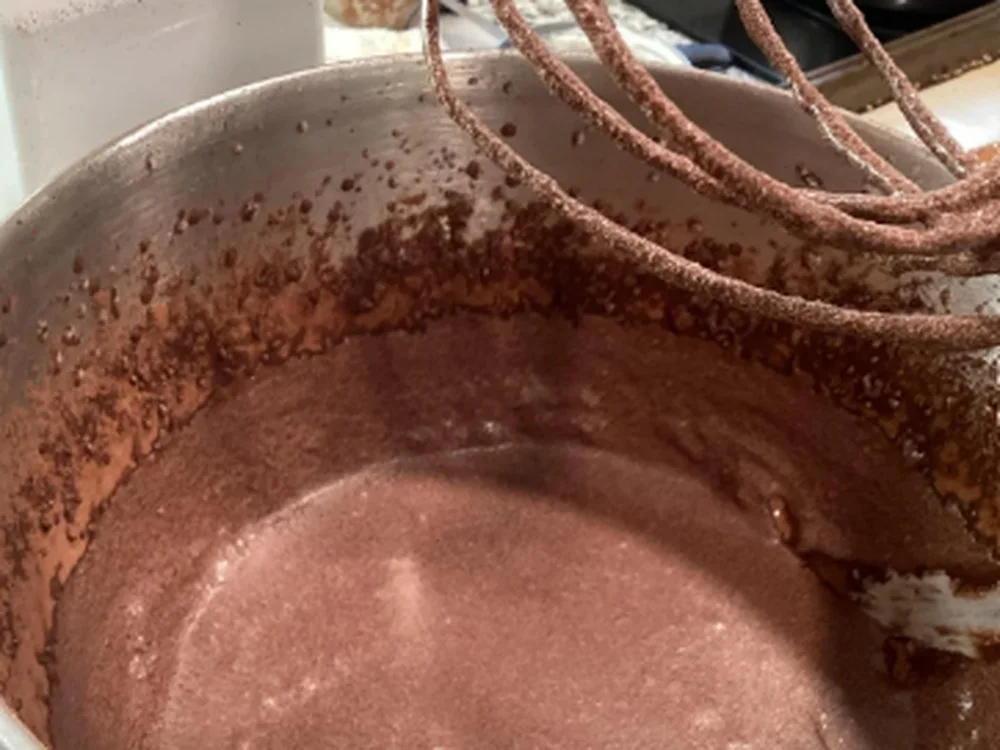
Why Jelly or Mousse Won't Set
Identify the setting agent before changing the dessert. Gelatin, pectin and agar do not work interchangeably.
Read the guide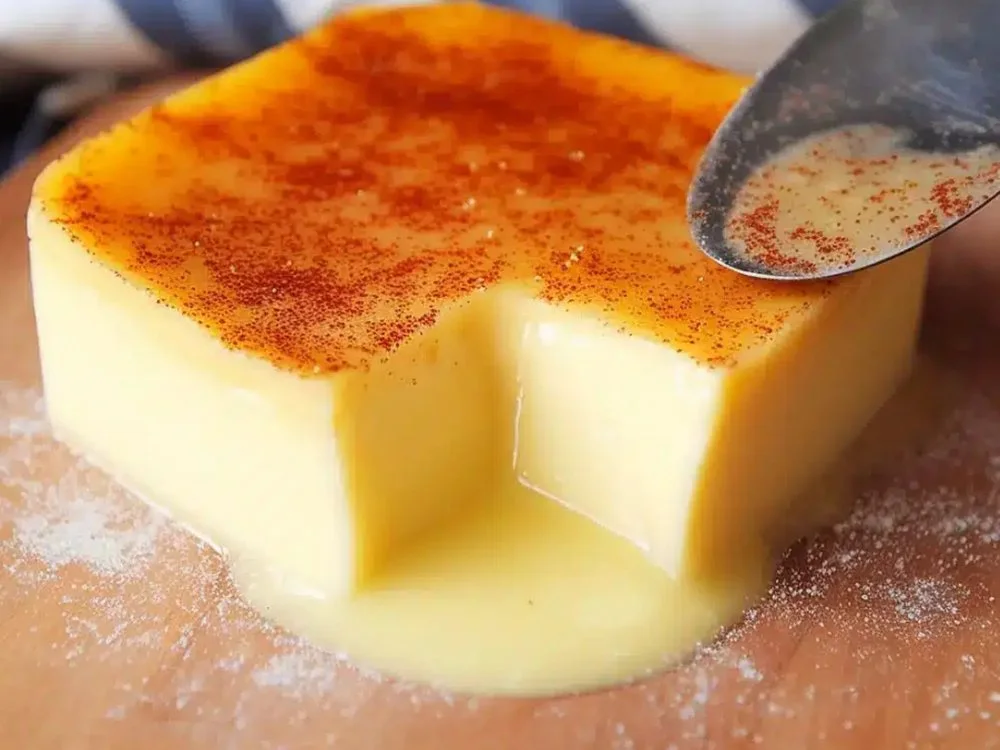
Why Custard Curdles Into Scrambled-Egg Bits
Remove the custard from heat at the first sign of curds. Continued cooking makes recovery less likely.
Read the guide
Why Whipped Cream Turns to Butter or Grains
At the first grainy look, stop whipping. Mild overwhipping and fully formed butter are different endpoints.
Read the guide