Bread & dough / GUIDE 36
Why Your Sourdough Starter Won't Get Bubbly
A new starter often has a quiet phase. Judge it by repeated rise after feeding, not one burst of bubbles.
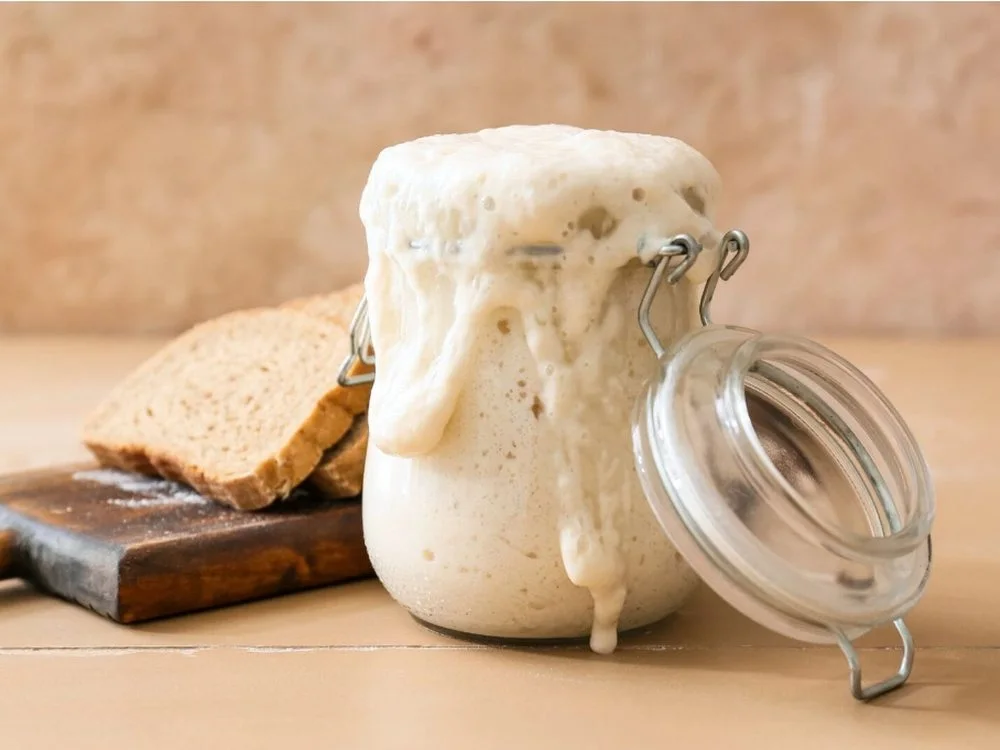
01 / READ THE SIGNS
Start with what you can observe.
Look for the pattern that matches your result before changing the recipe.
- Very young culture: early activity may not mean it is ready to bake.
- Established starter in a cold room: activity can slow.
- Colored growth or fuzzy mold: discard it and clean the container.
02 / RIGHT NOW
Can you save this batch?
For a healthy but sluggish starter, use a consistent feeding routine, mark its level and keep it at a measured moderate temperature. Avoid repeatedly feeding before any activity appears, which can dilute a developing culture. If contamination is visible, do not try to rescue it by removing only the surface.
03 / THE NEXT ATTEMPT
Make the change that matters.
- Weigh feedings and keep the jar loosely covered.
- Record how long it takes to rise and fall after feeding.
- Use the readiness cues in a reliable starter guide before relying on it to lift a loaf.
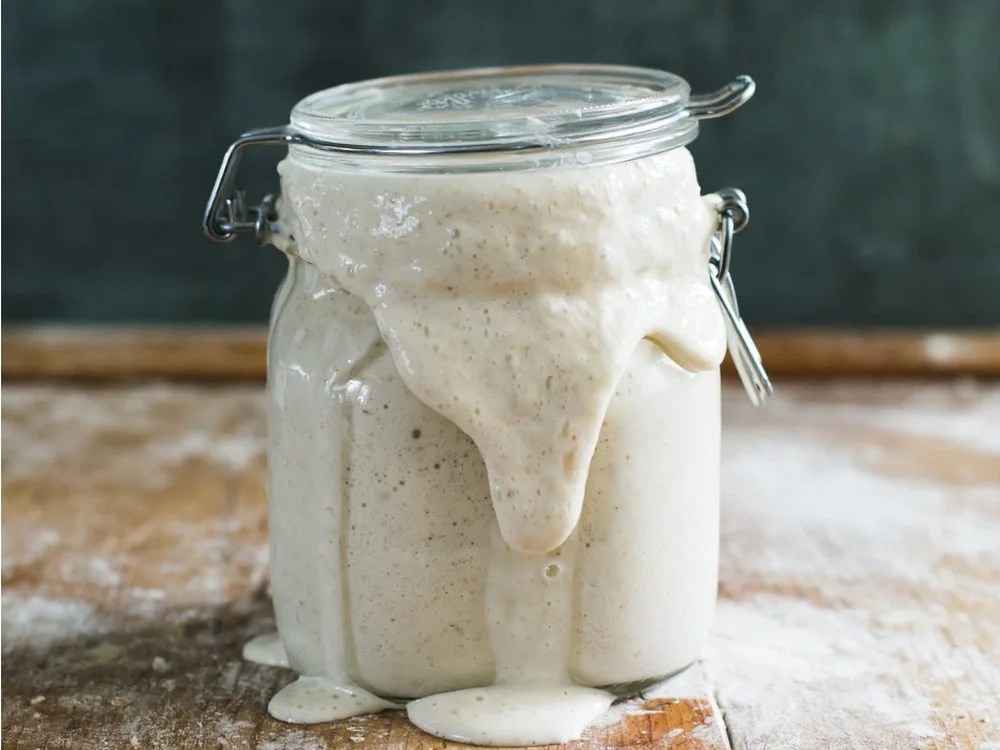
04 / A LITTLE UNDERSTANDING
What's happening underneath.
A starter develops a community of yeasts and bacteria over time. Temperature and feeding change its activity. Water treatment can matter, but ordinary tap water is not automatically the reason a starter fails.
Do not seal an actively fermenting starter in a pressure-tight container.
05 / ONE GOOD QUESTION
Are bubbles enough to bake with it?
No. Look for a predictable rise after feeding and the guide's maturity cues. A starter may bubble without yet having enough lifting power.
06 / KEEP READING
References & related reading
Continue with these external resources on the relevant technique or safety guidance. They are independent of Rosu.
A note for your next attempt.
Record one change and what happened. Notes stay in this browser; they are not sent to Rosu.
Found something that needs a closer look? Send a correction. Read our editorial approach and food safety essentials.
FOLLOW THE THREAD
A little more useful reading.

Why Your Dough Never Rises at All
Before replacing the yeast, find out whether the dough is inactive or simply cold.
Read the guide
Why Bread Tastes Bland Even Though You Followed the Recipe
Check salt measurement before extending fermentation. A beautiful loaf can still be underseasoned.
Read the guide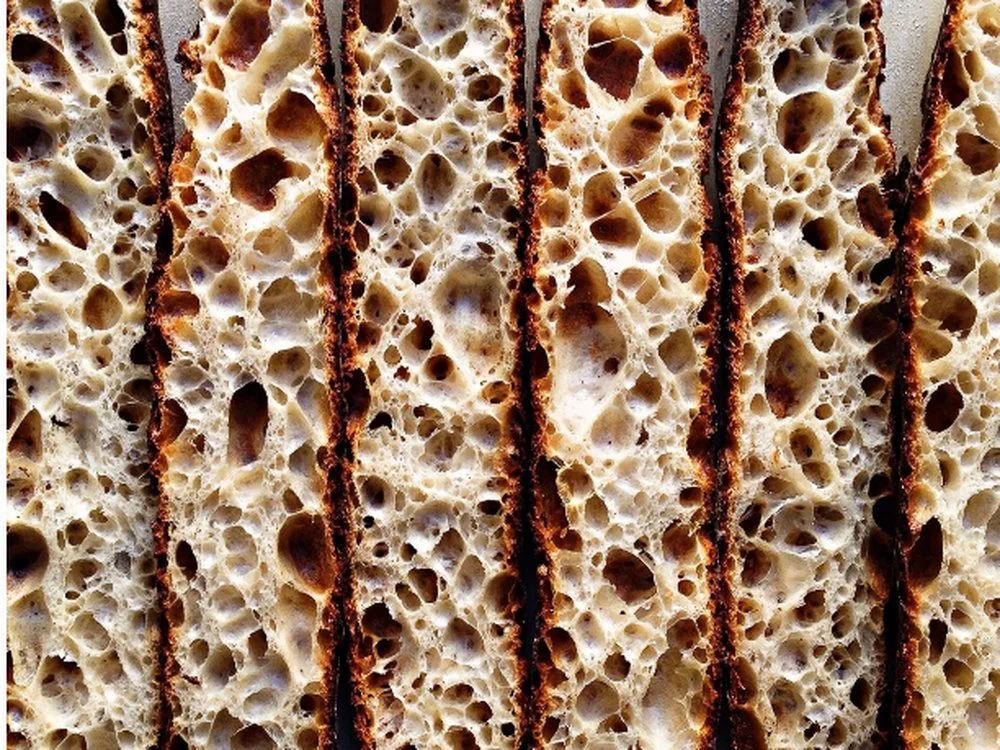
Why Your Bread Comes Out Dense Instead of Airy
A tight crumb starts before the oven. Check fermentation and dough strength before adding more yeast.
Read the guide