Bread & dough / GUIDE 31
Why Bread Tastes Bland Even Though You Followed the Recipe
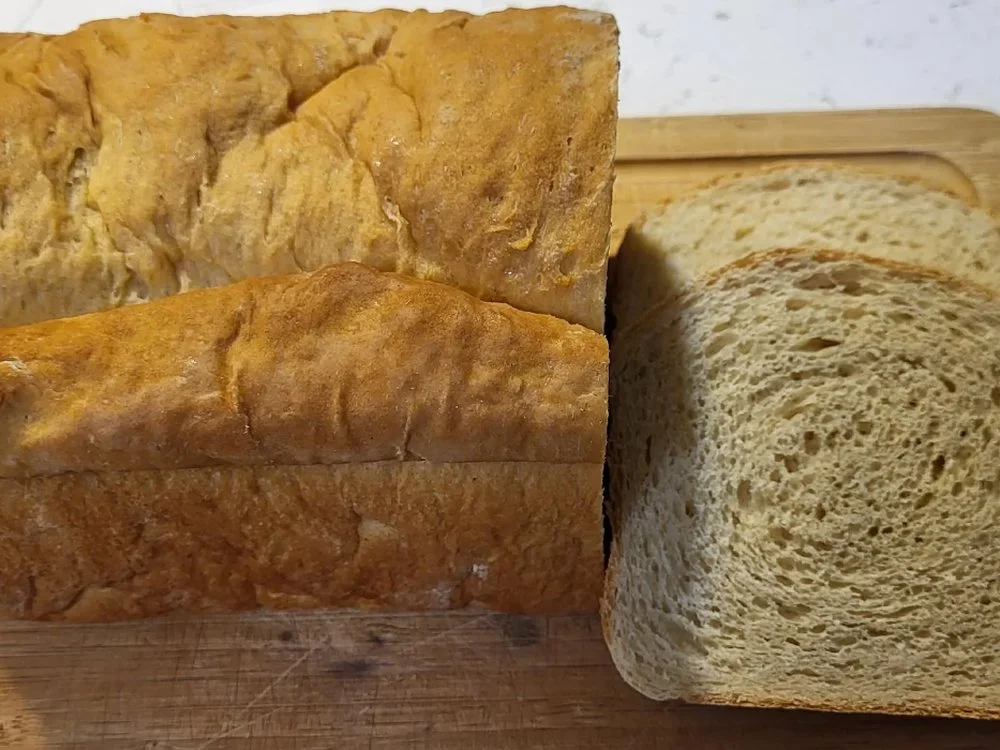
Check salt measurement before extending fermentation. A beautiful loaf can still be underseasoned.

01 / READ THE SIGNS
Start with what you can observe.
Look for the pattern that matches your result before changing the recipe.
- Salt was omitted or changed by volume: weighing may explain the difference.
- A quick rise in a very warm spot: the formula may have developed less fermentation flavor.
- Pale crust: baking and browning also affect flavor.
02 / RIGHT NOW
Can you save this batch?
A baked loaf cannot be seasoned evenly inside without changing it. Toast slices and serve with a suitable topping, or use the bread in a seasoned dish. For the next batch, change one variable: accurate salt first, then fermentation if the recipe supports it.
03 / THE NEXT ATTEMPT
Make the change that matters.
- Weigh salt using the recipe's amount; different crystal sizes occupy different volumes.
- Follow the intended fermentation temperature rather than accelerating it with extra heat.
- Use a recipe designed for an overnight ferment if you want that flavor profile.
04 / A LITTLE UNDERSTANDING
What's happening underneath.
Flour, fermentation and crust browning all contribute to bread flavor. Salt changes taste and fermentation behavior. Longer fermentation is not automatically better: an unsuitable schedule can weaken the dough before baking.
Do not ignore a medically required sodium limit; choose a recipe formulated for the constraint instead.
05 / ONE GOOD QUESTION
Can I refrigerate any dough overnight?
Some doughs tolerate it well, but yeast quantity and timing may need adjustment. A recipe developed for cold fermentation is the more reliable starting point.
06 / KEEP READING
References & related reading
Continue with these external resources on the relevant technique or safety guidance. They are independent of Rosu.
A note for your next attempt.
Record one change and what happened. Notes stay in this browser; they are not sent to Rosu.
Found something that needs a closer look? Send a correction. Read our editorial approach and food safety essentials.
FOLLOW THE THREAD
A little more useful reading.

Why Your Dough Never Rises at All
Before replacing the yeast, find out whether the dough is inactive or simply cold.
Read the guide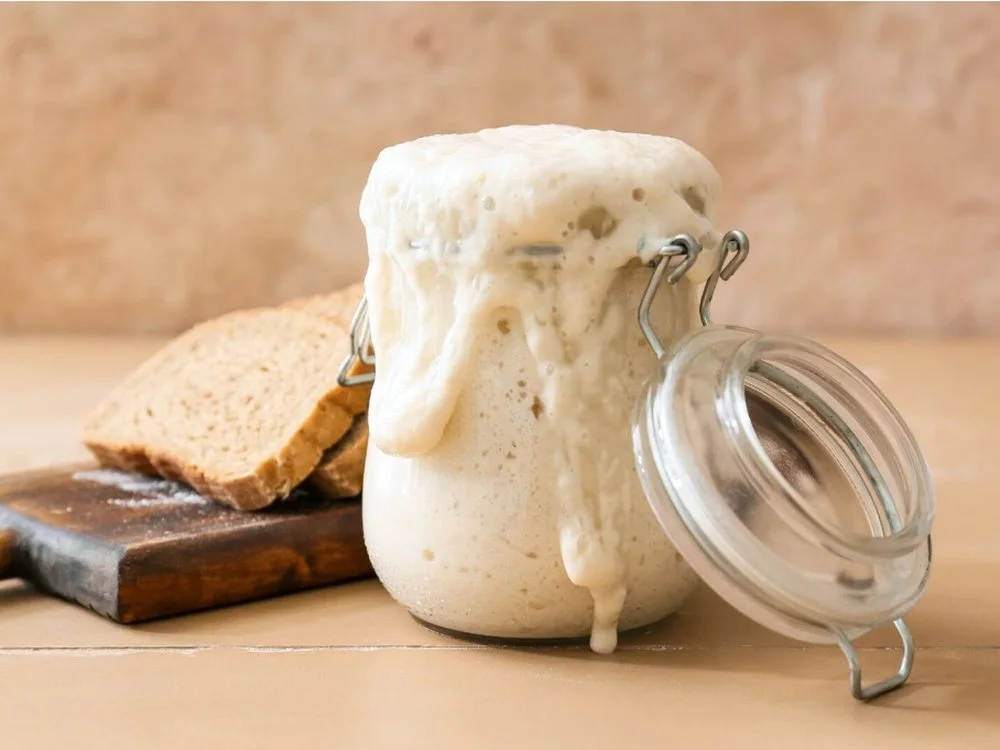
Why Your Sourdough Starter Won't Get Bubbly
A new starter often has a quiet phase. Judge it by repeated rise after feeding, not one burst of bubbles.
Read the guide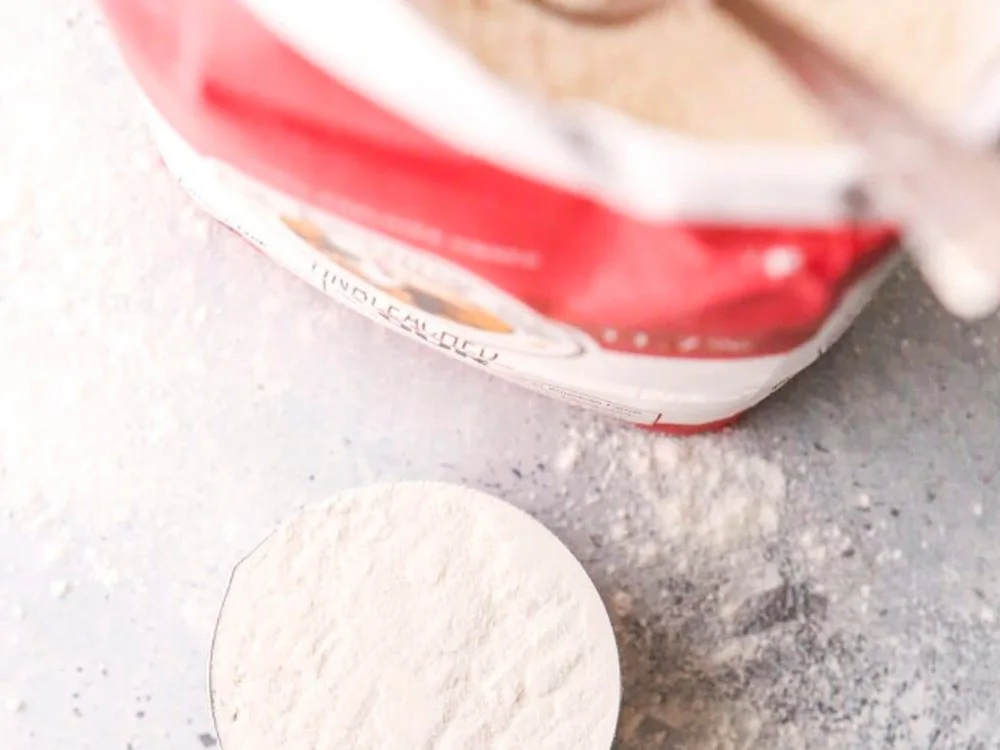
The Five Most Common Measuring Mistakes in Home Cooking
Reliable measurements begin with the unit and the ingredient, not the shape of the cup.
Read the guide