Cakes & pastry / GUIDE 40
Why Puff Pastry Doesn't Puff
Keep the layers distinct and the cut edges open. Warm, compressed pastry has less room to rise.
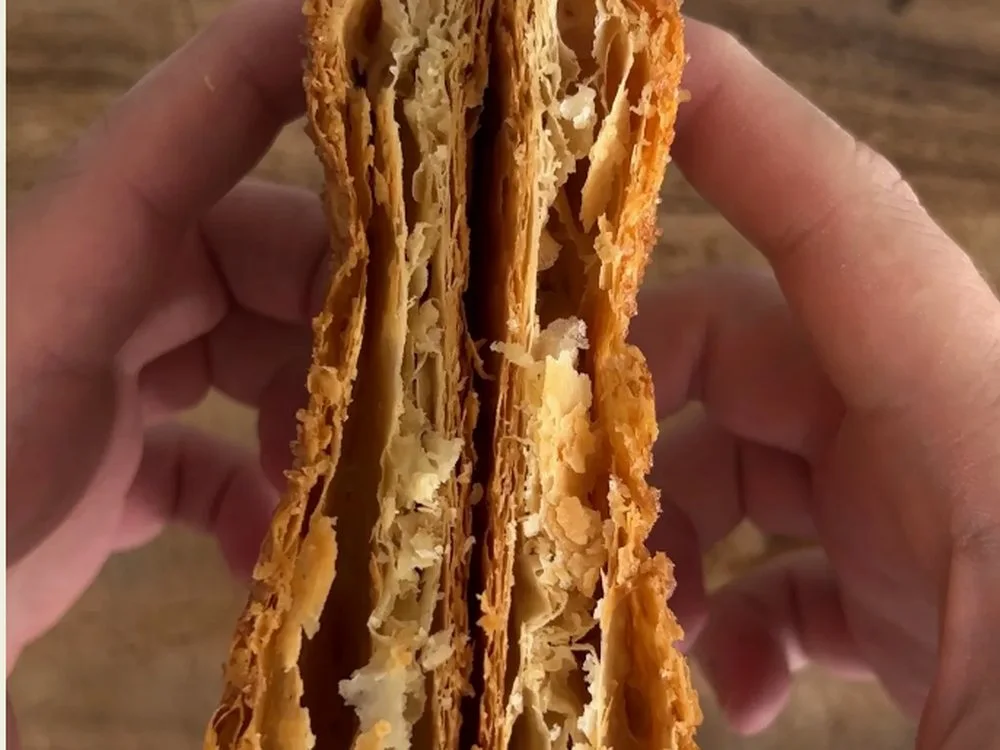
01 / READ THE SIGNS
Start with what you can observe.
Look for the pattern that matches your result before changing the recipe.
- Butter leaked before much rise: dough may have warmed excessively.
- Edges look sealed: cutting or egg wash may have glued layers together.
- The top browned but the middle is heavy: it may need more baking.
02 / RIGHT NOW
Can you save this batch?
Unbaked pastry that has become soft should be chilled until workable again. A baked, fully cooked flat piece cannot be relaminated, but can become a crisp base or topping. If the center is still underbaked, continue baking with surface protection as needed.
03 / THE NEXT ATTEMPT
Make the change that matters.
- Thaw and handle according to the pastry's instructions.
- Cut with a sharp tool without dragging or compressing the edges.
- Preheat fully and keep egg wash off exposed layer edges.

04 / A LITTLE UNDERSTANDING
What's happening underneath.
Steam expands between separated dough layers during baking. Fat helps maintain those separations. If the fat merges into the dough or layers are sealed together, the same oven heat cannot produce the intended lift.
Do not knead puff-pastry scraps into a ball if you want them to remain layered.
05 / ONE GOOD QUESTION
Can I reroll scraps?
Stack them with their layers aligned, chill and roll gently. Expect less even rise than the original sheet; use them for shapes that tolerate variation.
06 / KEEP READING
References & related reading
Continue with these external resources on the relevant technique or safety guidance. They are independent of Rosu.
A note for your next attempt.
Record one change and what happened. Notes stay in this browser; they are not sent to Rosu.
Found something that needs a closer look? Send a correction. Read our editorial approach and food safety essentials.
FOLLOW THE THREAD
A little more useful reading.
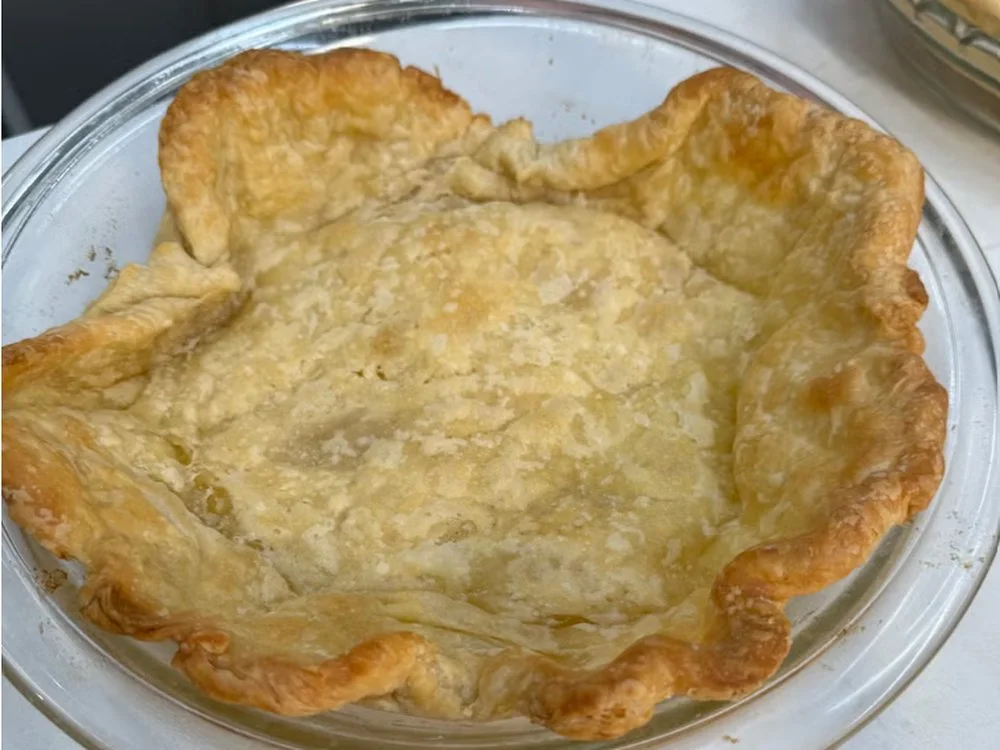
Why Pie Crust Shrinks in the Oven
Ease pastry into the pan. Stretching it to reach the edge stores tension that can pull it back during baking.
Read the guide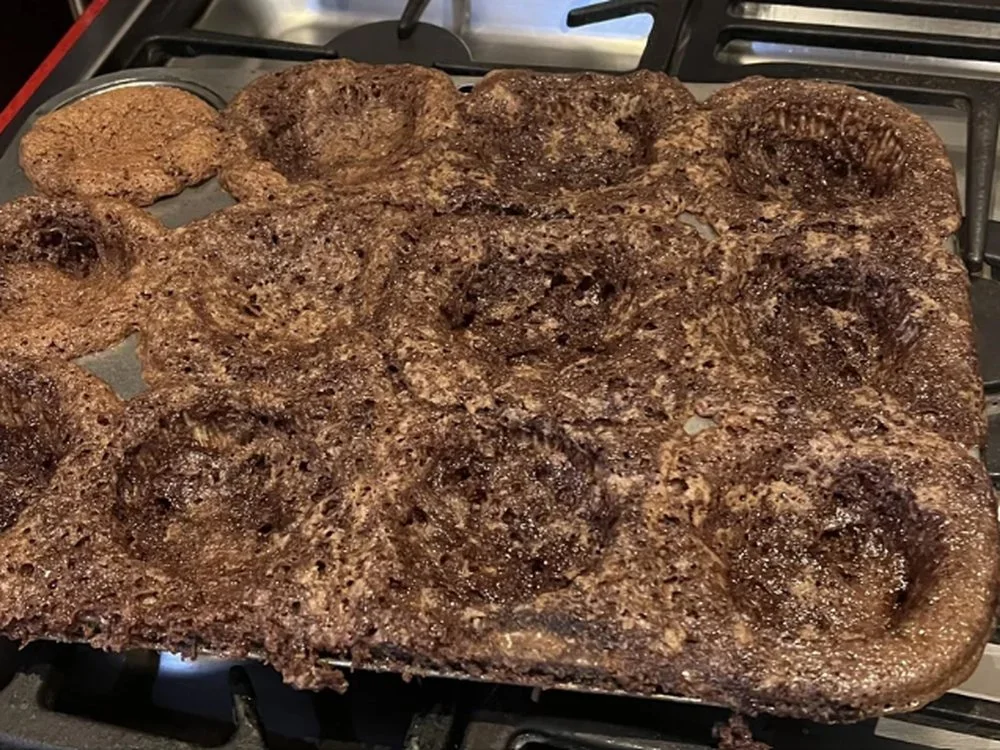
Why the Same Oven Setting Bakes Differently on Different Days
Keep a short oven log. A single thermometer glance cannot describe a cycling oven.
Read the guide
Why Cake Layers Stick to the Pan and Fall Apart
Prepare the base and allow the crumb to firm before turning out a cake layer.
Read the guide