Bread & dough / GUIDE 35
Why Bagels Turn Out Soft and Doughy Instead of Chewy
A chewy bagel needs the right dough as well as a water bath. Boiling alone cannot turn a soft roll formula into a bagel.

01 / READ THE SIGNS
Start with what you can observe.
Look for the pattern that matches your result before changing the recipe.
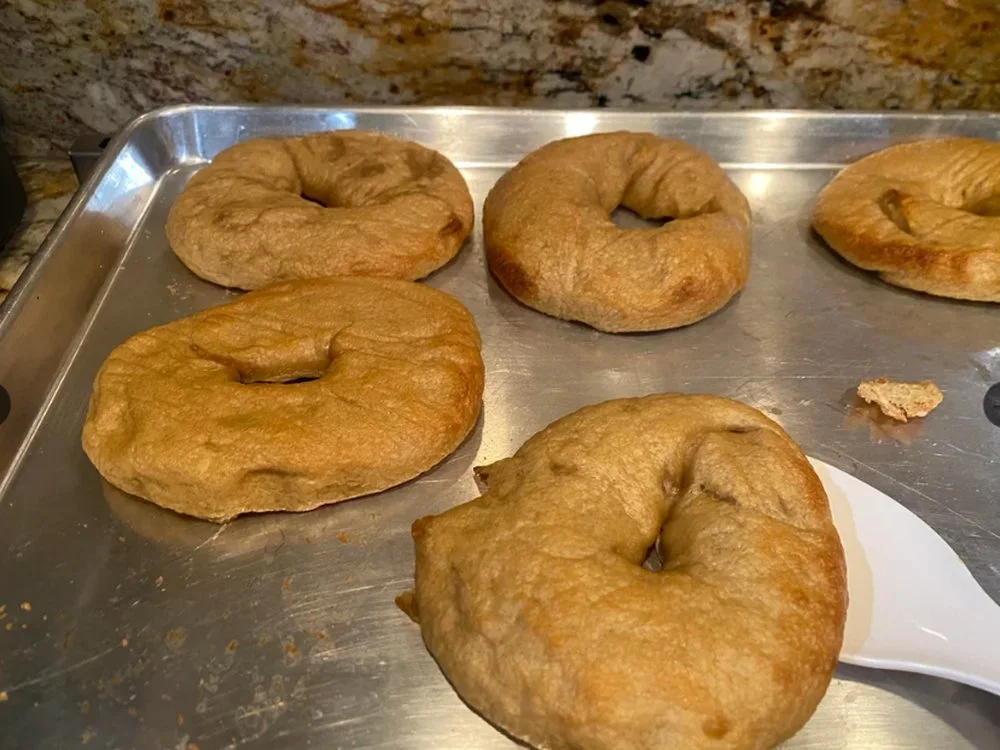
- Very soft dough: hydration may be high for the intended style.
- No water bath: the surface was not prepared by that method.
- Gummy center: the bagel may be underbaked rather than insufficiently chewy.
02 / RIGHT NOW
Can you save this batch?
A fully baked soft bagel can still be toasted and served. If the interior is underbaked and the bagels have just come out, further baking may help, but the original texture may not be recovered. Review the formula before making the next batch's boil dramatically longer.
03 / THE NEXT ATTEMPT
Make the change that matters.
- Use the flour type and dough consistency specified by a tested bagel recipe.
- Shape and proof according to its cues.
- Follow its water-bath ingredients and timing, then bake until the center is properly cooked.
04 / A LITTLE UNDERSTANDING
What's happening underneath.
A water bath changes the surface starch before baking. Flour strength, hydration and fermentation influence the crumb beneath it. Malt and baking soda are not interchangeable: they affect flavor and browning differently.
Do not add baking soda merely because a recipe calls for malt syrup.
05 / ONE GOOD QUESTION
Does longer boiling always mean more chew?
No. It also changes the crust and can affect expansion. Start with the recipe's timing and adjust only after checking the dough itself.
06 / KEEP READING
References & related reading
Continue with these external resources on the relevant technique or safety guidance. They are independent of Rosu.
A note for your next attempt.
Record one change and what happened. Notes stay in this browser; they are not sent to Rosu.
Found something that needs a closer look? Send a correction. Read our editorial approach and food safety essentials.
FOLLOW THE THREAD
A little more useful reading.
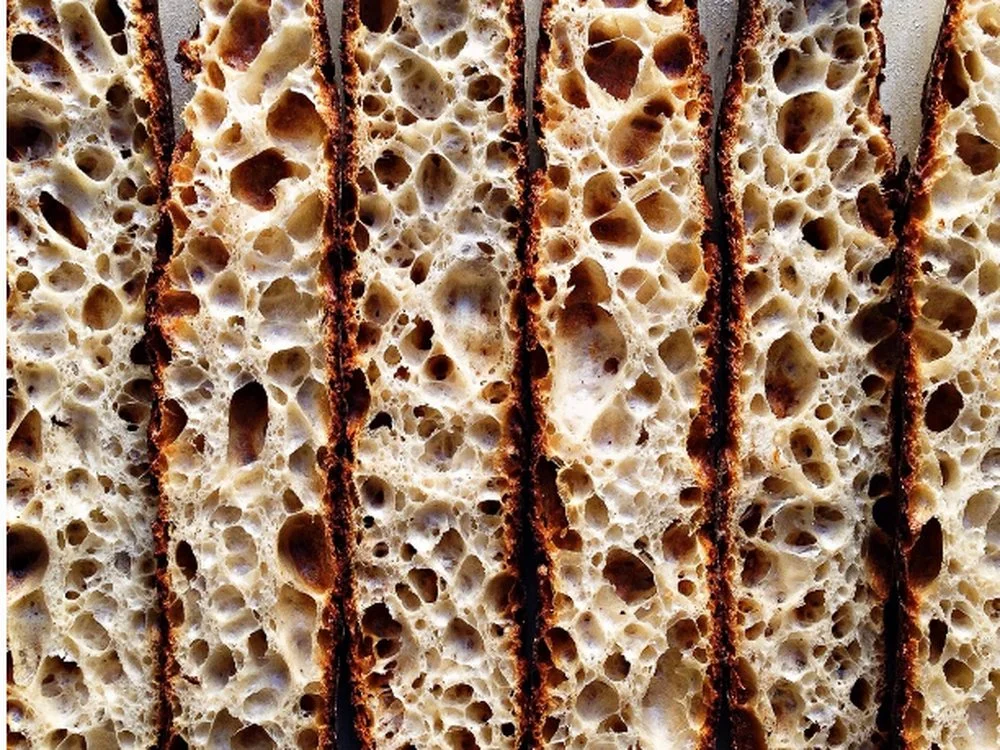
Why Your Bread Comes Out Dense Instead of Airy
A tight crumb starts before the oven. Check fermentation and dough strength before adding more yeast.
Read the guide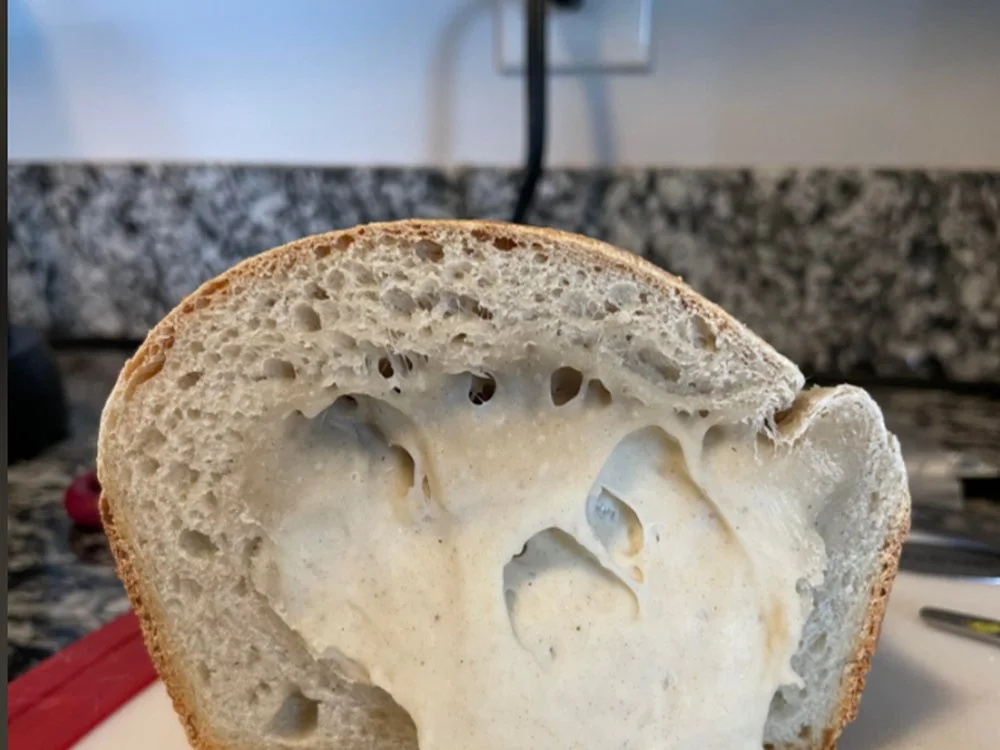
Why Your Bread Has Huge, Uneven Holes
A few large holes may be normal. A tunnel under the crust or dense dough around a cavity tells a different story.
Read the guide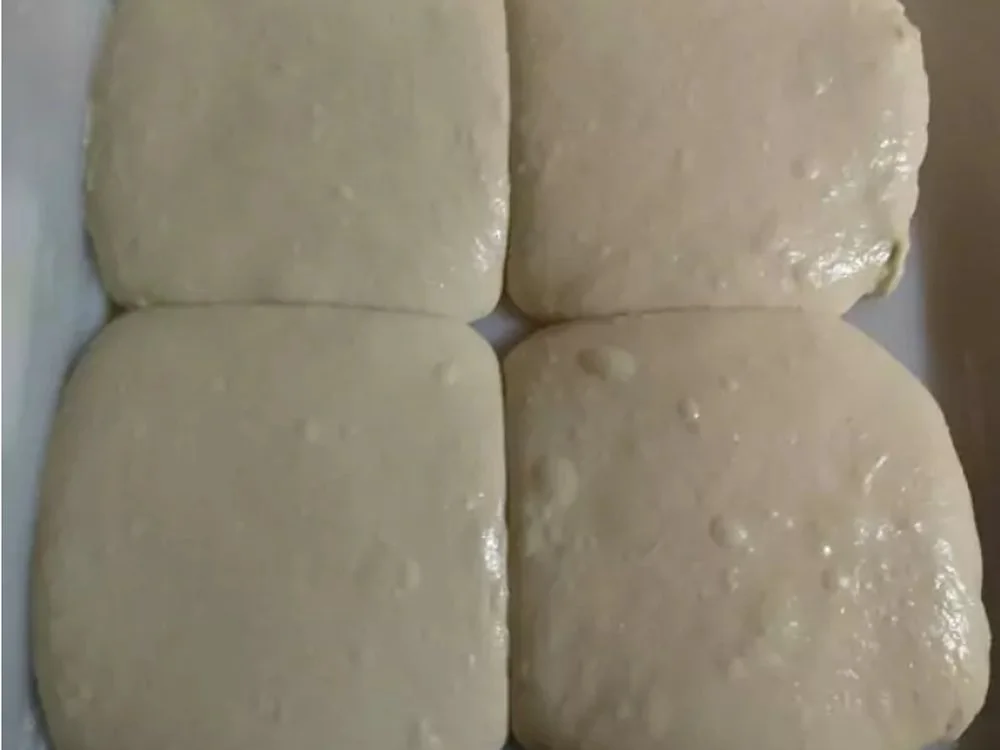
Why Your Dough Is Too Sticky to Handle
Sticky is not the same as unworkable. Rest the dough and use a scraper before burying it in flour.
Read the guide