Sauces & flavor / GUIDE 48
Why Cheese Sauce Turns Grainy or Stringy
Take the pan off direct heat before adding more cheese. More heat often worsens graininess.

01 / READ THE SIGNS
Start with what you can observe.
Look for the pattern that matches your result before changing the recipe.
- Oily grains: proteins and fat may have separated.
- Long strings: the cheese's melting behavior may be the main factor.
- Powdery lumps: inspect the starch base and any pre-shredded coating.
02 / RIGHT NOW
Can you save this batch?
Remove from heat and stir gently with a small amount of warm milk or the recipe's liquid. Slight separation may improve. A severely grainy sauce may remain imperfect; blending changes texture but does not reverse every protein change.
03 / THE NEXT ATTEMPT
Make the change that matters.
- Prepare a smooth base before adding cheese.
- Add finely grated cheese gradually off strong heat.
- Use cheeses and proportions suited to a smooth sauce, then warm gently only as needed.
04 / A LITTLE UNDERSTANDING
What's happening underneath.
Cheese contains proteins, fat, water and minerals in different proportions. Heat and acidity change how that structure melts. Some cheeses naturally stretch, and aged cheeses may need a supporting base rather than direct melting into thin liquid.
Do not bring a finished cheese sauce to a rolling boil to make it smoother.
05 / ONE GOOD QUESTION
Is pre-grated cheese unusable?
No, but coatings and cheese composition can affect texture. Freshly grating a suitable cheese removes one variable when troubleshooting.
06 / KEEP READING
References & related reading
Continue with these external resources on the relevant technique or safety guidance. They are independent of Rosu.
A note for your next attempt.
Record one change and what happened. Notes stay in this browser; they are not sent to Rosu.
Found something that needs a closer look? Send a correction. Read our editorial approach and food safety essentials.
FOLLOW THE THREAD
A little more useful reading.
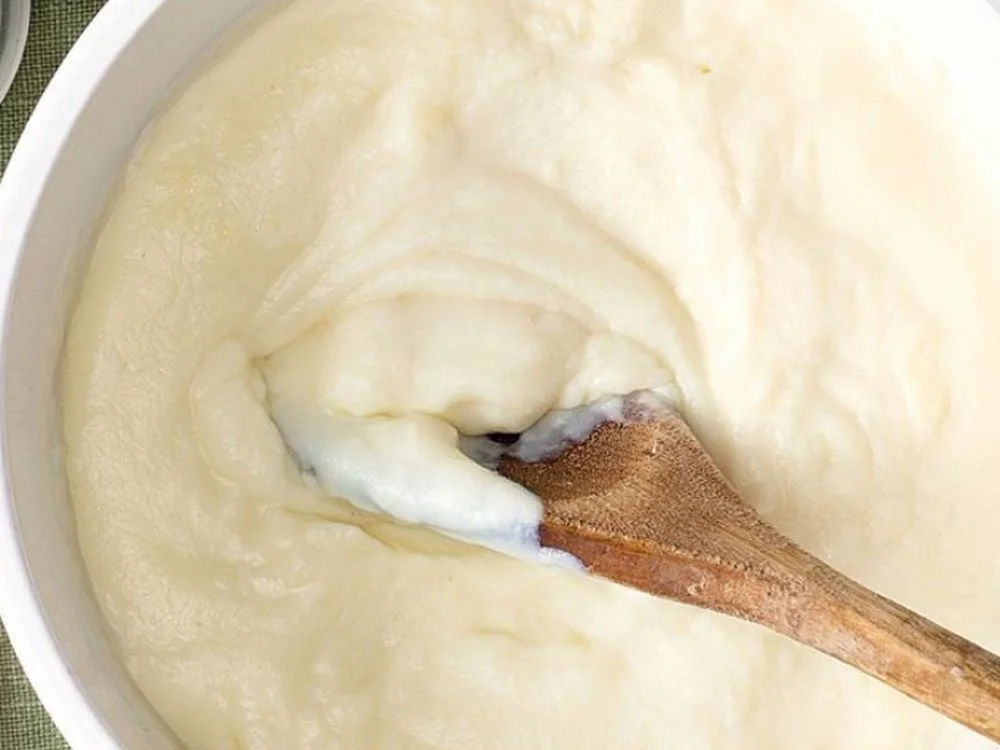
Why Your Béchamel Comes Out Lumpy
Take the sauce off the heat and break up the lumps before cooking it further.
Read the guide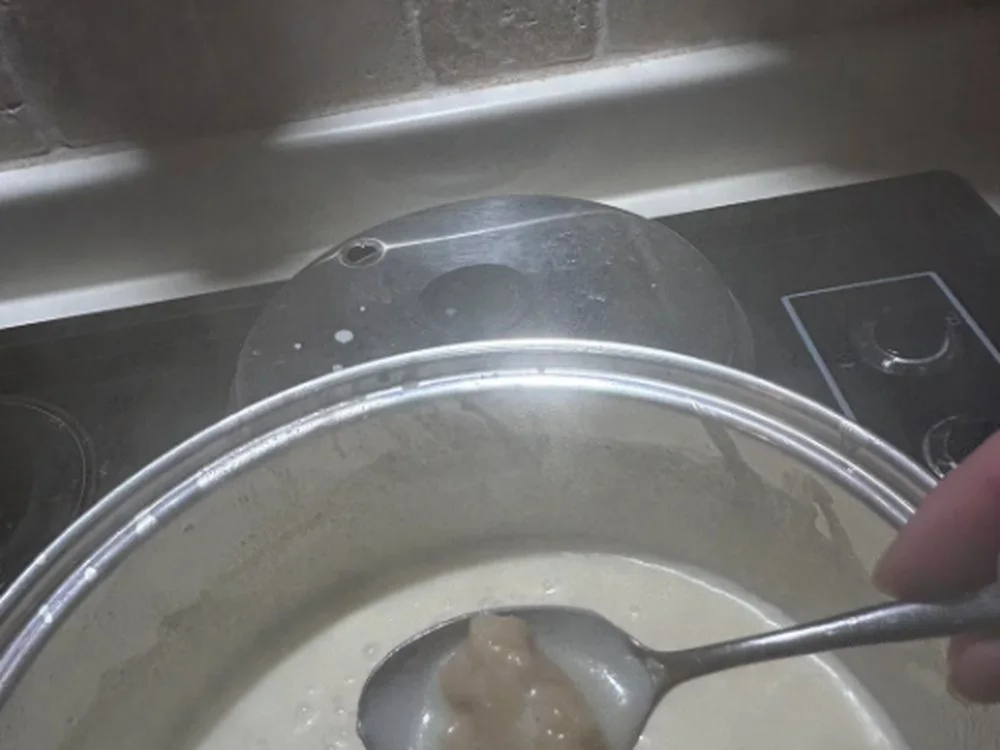
Why Mayonnaise or Hollandaise Splits
Stop adding fat. A broken emulsion needs a stable starting point, not more oil.
Read the guide
Why Your Sauce Stays Thin No Matter How Long You Cook It
Choose between reducing and thickening. Reducing an already salty sauce can make it worse.
Read the guide