Sauces & flavor / GUIDE 14
Why Mayonnaise or Hollandaise Splits
Stop adding fat. A broken emulsion needs a stable starting point, not more oil.
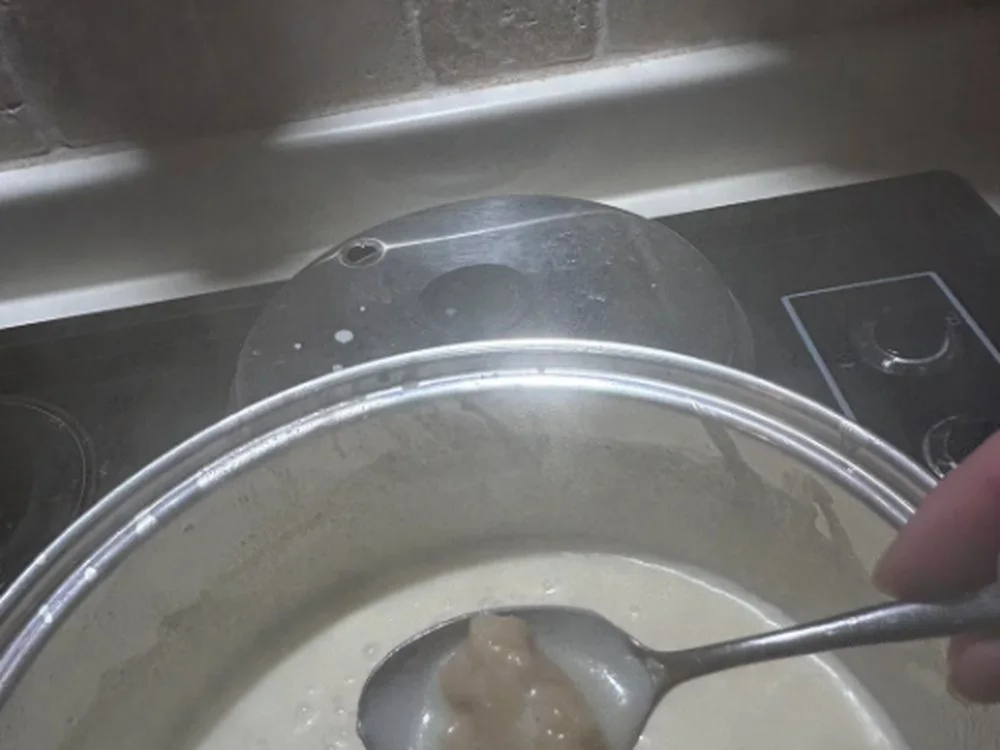
01 / READ THE SIGNS
Start with what you can observe.
Look for the pattern that matches your result before changing the recipe.
- Mayonnaise is liquid from the start: the first emulsion may never have formed.
- An oily layer appears after adding fat: additions may have outpaced mixing.
- Hollandaise contains egg curds: excess heat has caused a separate problem.
02 / RIGHT NOW
Can you save this batch?
For mayonnaise, start a small fresh emulsion using a reliable method and slowly incorporate the broken mixture as its fat component. For hollandaise, remove from heat first; a little warm water and careful whisking may repair slight separation. Firmly cooked egg curds cannot simply be whisked back into raw yolk.
03 / THE NEXT ATTEMPT
Make the change that matters.
- Use a recipe matched to your whisk, blender or immersion-blender container.
- Add fat slowly at the beginning and increase only after the mixture visibly thickens.
- Keep hollandaise over controlled gentle heat and remove it promptly when ready.
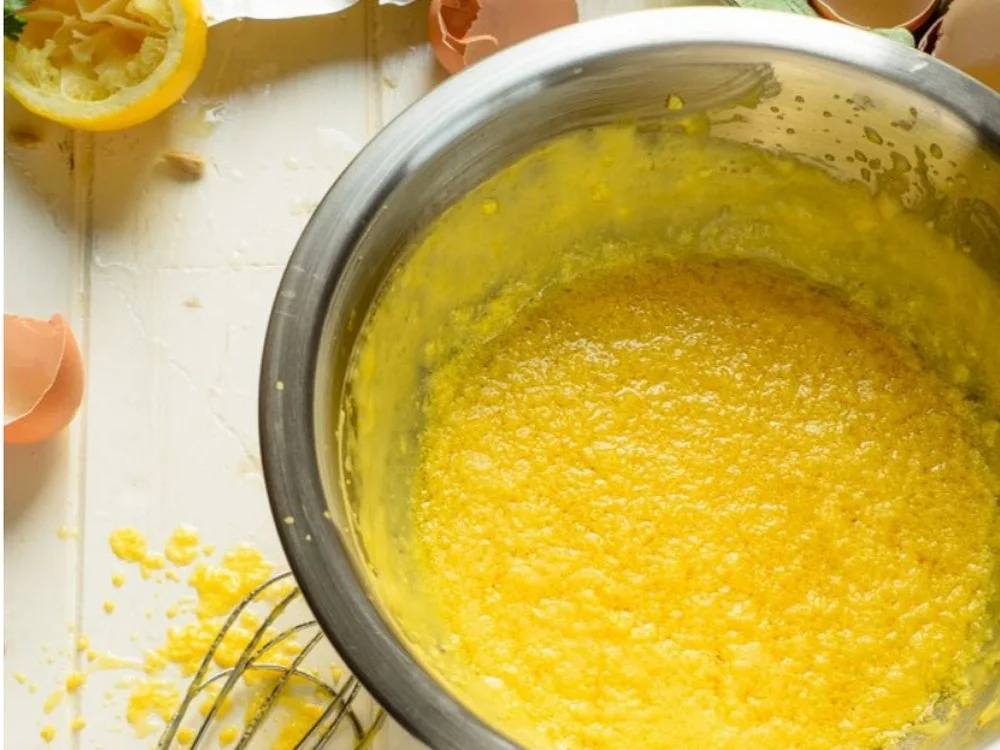
04 / A LITTLE UNDERSTANDING
What's happening underneath.
An emulsion contains small droplets of one liquid dispersed in another. Egg components help keep droplets apart, but temperature, available water and mixing technique affect stability. Mayonnaise and hollandaise share a principle without sharing every repair.
For uncooked egg preparations, choose pasteurized eggs and follow safe refrigeration guidance.
05 / ONE GOOD QUESTION
Is a broken sauce unsafe?
Separation alone does not determine safety. Ingredients, cooking, storage temperature and time do; a texture repair cannot make mishandled food safe.
06 / KEEP READING
References & related reading
Continue with these external resources on the relevant technique or safety guidance. They are independent of Rosu.
A note for your next attempt.
Record one change and what happened. Notes stay in this browser; they are not sent to Rosu.
Found something that needs a closer look? Send a correction. Read our editorial approach and food safety essentials.
FOLLOW THE THREAD
A little more useful reading.

Why Vinaigrette Separates Right After Shaking
Separation is normal in a simple oil-and-vinegar dressing. Shake again unless you need a longer-lasting emulsion.
Read the guide
Why Curry Sauce Breaks and Oil Pools on Top
Oil on top is not always a fault. Some curry methods deliberately separate fat to develop flavor.
Read the guide
Why Chocolate Ganache Breaks or Separates
An oily ganache may need a small liquid adjustment and gentle mixing, not another handful of chocolate.
Read the guide