Sauces & flavor / GUIDE 47
Why Curry Sauce Breaks and Oil Pools on Top
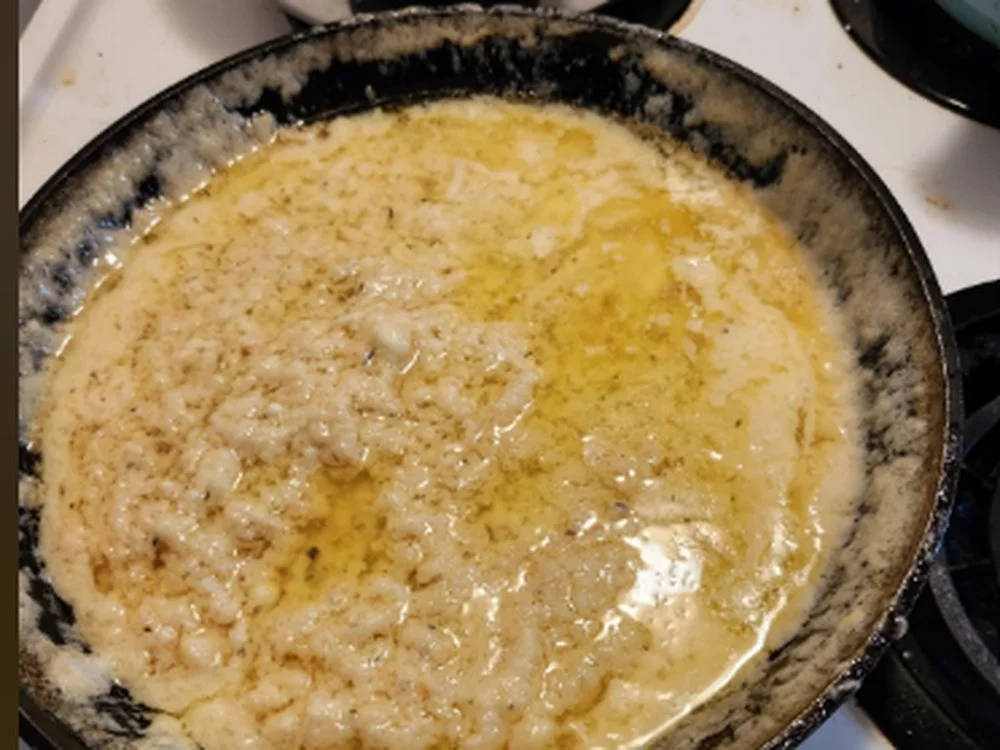
Oil on top is not always a fault. Some curry methods deliberately separate fat to develop flavor.

01 / READ THE SIGNS
Start with what you can observe.
Look for the pattern that matches your result before changing the recipe.
- Recipe calls for frying paste until oil separates: the appearance may be intentional.
- A smooth dairy sauce suddenly curdles: excess heat or acidity may be involved.
- Too much loose oil for the desired finish: the initial fat quantity may be high.
02 / RIGHT NOW
Can you save this batch?
First check the recipe's intended texture. For unwanted mild separation, lower the heat and stir in a little compatible warm liquid. A thick vegetable base may help bring the sauce together, but badly curdled dairy will not become perfectly smooth just by whisking.
03 / THE NEXT ATTEMPT
Make the change that matters.
- Follow the method for coconut milk, yogurt or cream rather than treating them alike.
- Add delicate dairy at the stage and temperature specified.
- Simmer gently when the desired result is a smooth sauce.
04 / A LITTLE UNDERSTANDING
What's happening underneath.
Curry is a broad family of dishes. Separated fat can be a deliberate cooking stage, while a broken dairy emulsion can be undesirable. The same visible oil layer therefore needs context before being labeled a mistake.
Do not skim away all separated oil if the recipe uses it to cook the spice paste.
05 / ONE GOOD QUESTION
Can I add yogurt to boiling curry?
Use a method designed for yogurt, usually controlling heat and incorporating it gradually. Its behavior depends on the product and the acidity of the sauce.
06 / KEEP READING
References & related reading
Continue with these external resources on the relevant technique or safety guidance. They are independent of Rosu.
A note for your next attempt.
Record one change and what happened. Notes stay in this browser; they are not sent to Rosu.
Found something that needs a closer look? Send a correction. Read our editorial approach and food safety essentials.
FOLLOW THE THREAD
A little more useful reading.
Why Mayonnaise or Hollandaise Splits
Stop adding fat. A broken emulsion needs a stable starting point, not more oil.
Read the guide
Why Cheese Sauce Turns Grainy or Stringy
Take the pan off direct heat before adding more cheese. More heat often worsens graininess.
Read the guide
Why Your Sauce Stays Thin No Matter How Long You Cook It
Choose between reducing and thickening. Reducing an already salty sauce can make it worse.
Read the guide