Bread & dough / GUIDE 32
Why the Bottom of Your Bread Is Pale or Soggy
Work out whether the base never baked properly or became damp during cooling.
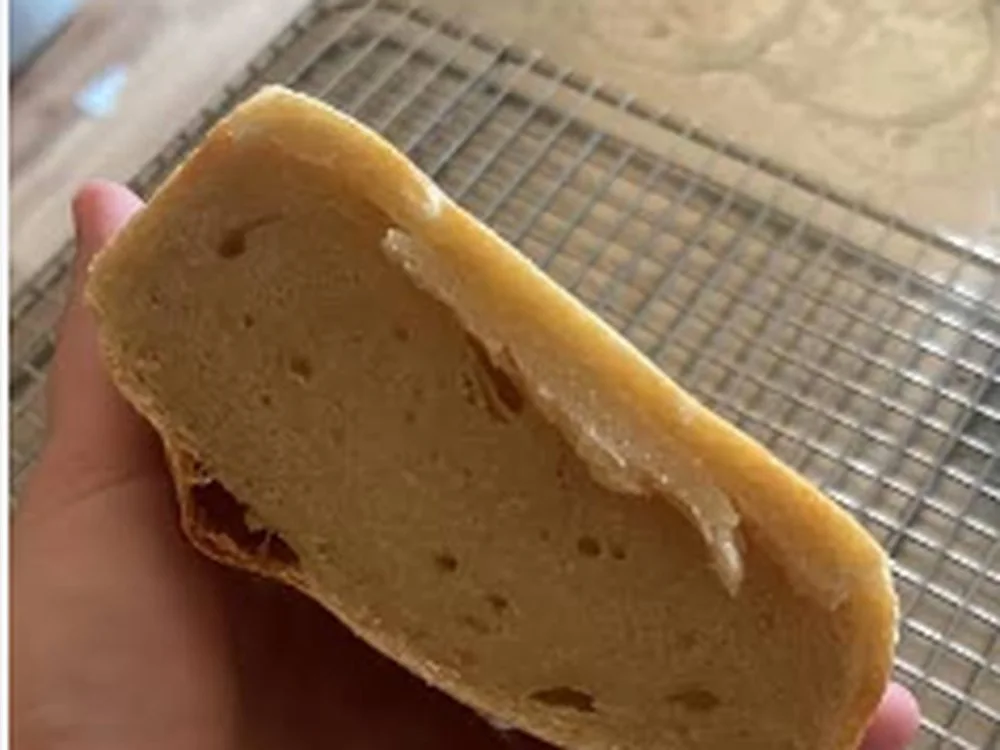
01 / READ THE SIGNS
Start with what you can observe.
Look for the pattern that matches your result before changing the recipe.
- Pale straight from the oven: bottom heat or baking time may be insufficient.
- Crisp initially, damp after standing: condensation is likely.
- Wet only after storage: the loaf may have been bagged warm.
02 / RIGHT NOW
Can you save this batch?
A fully baked loaf with a softened crust can often be refreshed briefly in the oven and cooled on a rack. If the center is underbaked, address that separately; surface crispness does not establish doneness. Remove the loaf from its pan at the point directed by the recipe.
03 / THE NEXT ATTEMPT
Make the change that matters.
- Match pan and rack position to the loaf style.
- Preheat a stone or steel only when the method calls for one.
- Cool with airflow underneath and wait until cool before sealing for storage.
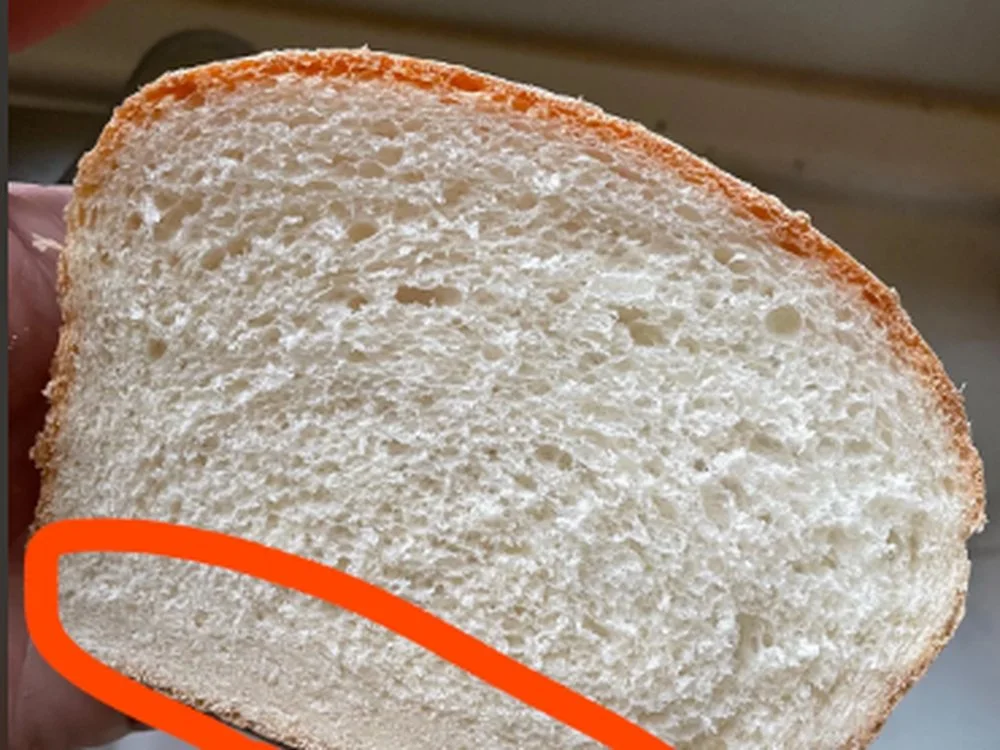
04 / A LITTLE UNDERSTANDING
What's happening underneath.
The loaf base receives contact heat during baking, then loses moisture during cooling. A pan or solid board can trap steam beneath it. A darker pan changes heat absorption but is not a universal replacement for correct baking and cooling.
Do not put a hot loaf in a sealed bag to keep it soft.
05 / ONE GOOD QUESTION
Do I need a baking steel?
No. Many pan breads bake well without one. Diagnose your pan, rack and cooling method before buying equipment.
06 / KEEP READING
References & related reading
Continue with these external resources on the relevant technique or safety guidance. They are independent of Rosu.
A note for your next attempt.
Record one change and what happened. Notes stay in this browser; they are not sent to Rosu.
Found something that needs a closer look? Send a correction. Read our editorial approach and food safety essentials.
FOLLOW THE THREAD
A little more useful reading.
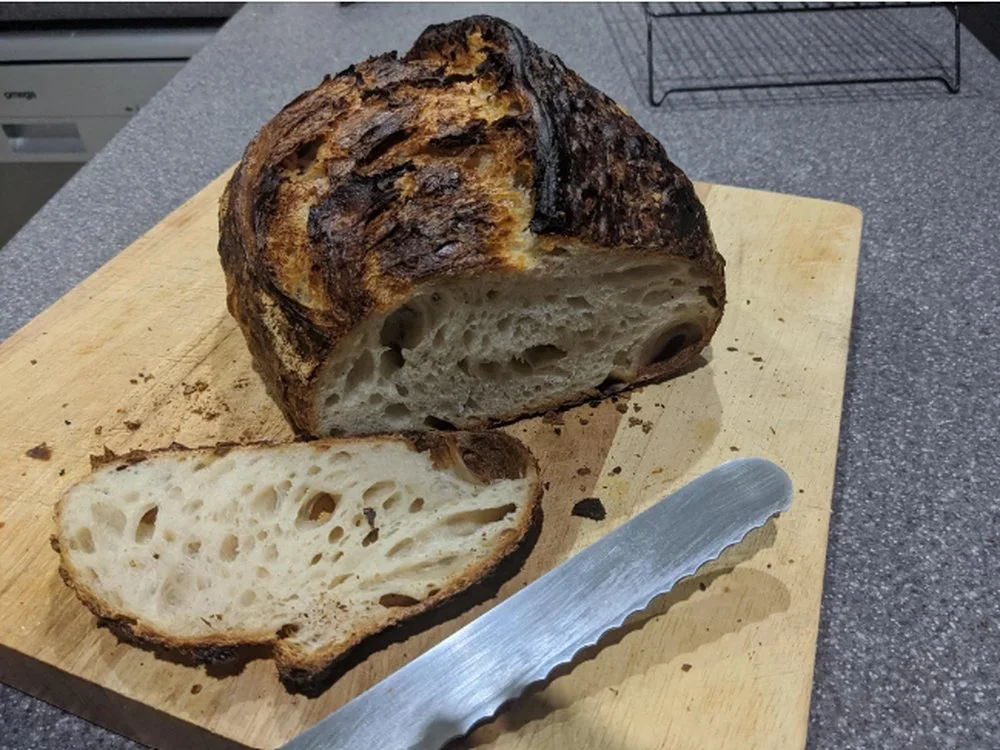
Why the Crust Burns While the Inside Stays Raw
Protect a darkening crust and give the center time to finish; increasing the heat makes the mismatch worse.
Read the guide
Why Bread Deflates the Moment It Leaves the Oven
Collapse usually means the loaf's structure could not support itself. Check proofing and baking separately.
Read the guide
Why Bread Goes Stale Within a Day
Bread can stale without simply drying out. Freeze portions you will not use soon.
Read the guide