Vegetables & storage / GUIDE 69
Why Fresh Herbs Wilt or Turn Slimy Fast in the Fridge
Distinguish wilting from spoilage. Limp leaves may recover; slimy or moldy herbs should be discarded.
01 / READ THE SIGNS
Start with what you can observe.
Look for the pattern that matches your result before changing the recipe.
- Limp but otherwise sound leaves: moisture loss may be involved.
- Slime, mold or an unpleasant odor: discard the affected herbs.
- Blackened basil: cold injury or bruising may contribute, but inspect its condition.
02 / RIGHT NOW
Can you save this batch?
Sound wilted herbs may perk up in cold water; dry them afterward and use promptly. This is a texture rescue, not a way to make spoiled herbs safe. Keep herbs separate from raw-meat preparation areas and wash before use.
03 / THE NEXT ATTEMPT
Make the change that matters.
- Remove damaged leaves before storage.
- Keep refrigerated herbs protected from excess moisture, using a clean container or suitable wrapping.
- For basil, follow appropriate storage guidance for the product and use it promptly; cut or packaged herbs may have specific refrigeration instructions.
04 / A LITTLE UNDERSTANDING
What's happening underneath.
Leaves lose water after harvest, while excess trapped moisture encourages deterioration. Herb species differ, so a single jar-of-water or tightly wrapped method does not suit every bunch.
Do not blend slimy herbs into pesto to avoid throwing them away.
05 / ONE GOOD QUESTION
Can I freeze herbs?
Yes. Clean and dry sound herbs, portion and freeze. Their texture softens after thawing, making them better for cooked dishes than fresh garnishes.
06 / KEEP READING
References & related reading
Continue with these external resources on the relevant technique or safety guidance. They are independent of Rosu.
A note for your next attempt.
Record one change and what happened. Notes stay in this browser; they are not sent to Rosu.
Found something that needs a closer look? Send a correction. Read our editorial approach and food safety essentials.
FOLLOW THE THREAD
A little more useful reading.

Why Produce Spoils Faster Than Expected
Sort produce by its condition and storage needs instead of putting every item in the same drawer.
Read the guide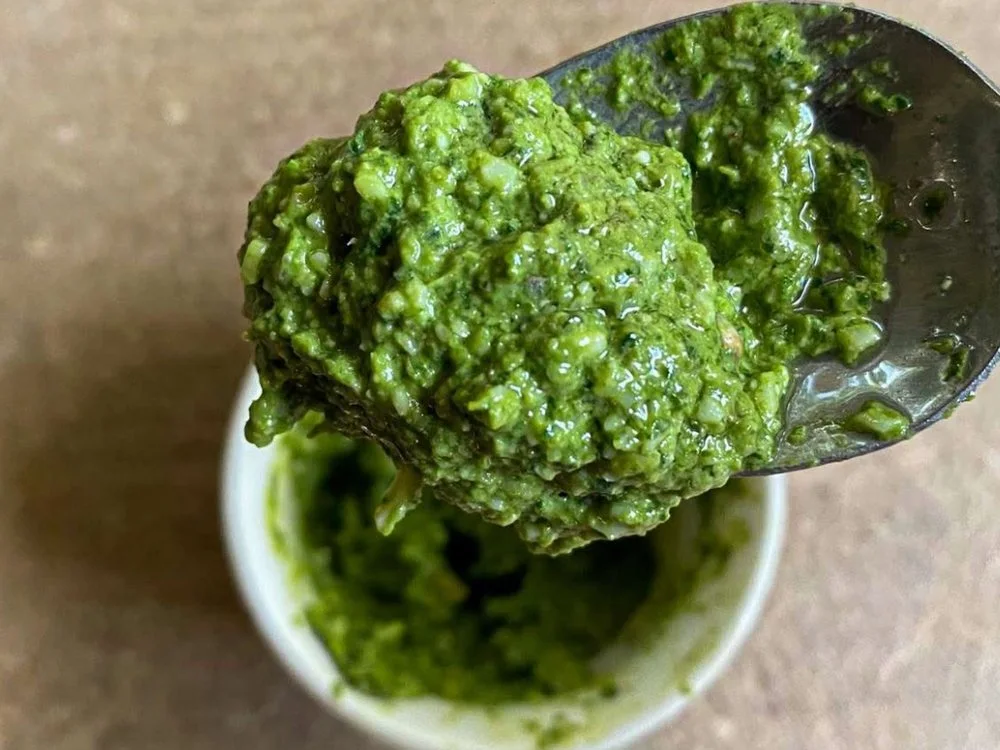
Why Pesto Turns Brown Quickly After Making It
Reduce air exposure and avoid excessive processing heat. Brown color alone does not tell you whether pesto is safe.
Read the guide
Why Reheated Leftovers Taste Worse Than Fresh
Choose a reheating method for the texture, but establish safe storage first.
Read the guide