Bread & dough / GUIDE 33
Why Pizza Dough Tears Instead of Stretching
If dough springs back, rest it. If it tears without resistance, investigate strength and fermentation.

01 / READ THE SIGNS
Start with what you can observe.
Look for the pattern that matches your result before changing the recipe.
- Elastic snap-back: gluten is resisting the stretch.
- Cold, tight dough: it needs time to become workable.
- Slack dough that rips easily: weak development or excessive fermentation may be involved.
02 / RIGHT NOW
Can you save this batch?
Cover the dough and pause before trying again. Support it over a broad area rather than pulling one thin point. Pinch a small hole closed and leave that area thicker. Severely weakened dough may work better as a pan pizza than a thin hand-stretched round.
03 / THE NEXT ATTEMPT
Make the change that matters.
- Follow the recipe's fermentation and warm-up guidance.
- Press from the center toward the edge, preserving the rim if desired.
- Rotate often and stretch in small increments with relaxed hands.
04 / A LITTLE UNDERSTANDING
What's happening underneath.
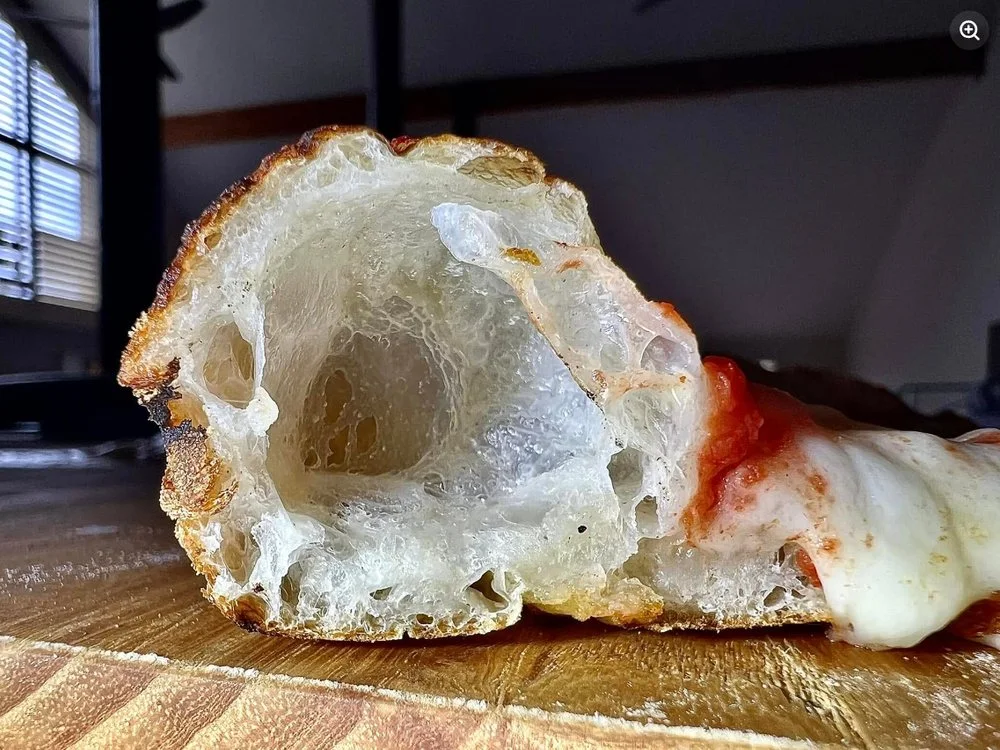
Gluten provides strength and elasticity, but it needs relaxation to stretch comfortably. Dough that is too tight and dough that has lost strength can both tear, which is why simply kneading every problem dough is unhelpful.
Do not keep dusting on flour to solve a dough that actually needs rest.
05 / ONE GOOD QUESTION
Is a rolling pin wrong?
Not for every pizza style. It can help produce a thin, even base, although it compresses gas that a puffy rim would otherwise retain.
06 / KEEP READING
References & related reading
Continue with these external resources on the relevant technique or safety guidance. They are independent of Rosu.
A note for your next attempt.
Record one change and what happened. Notes stay in this browser; they are not sent to Rosu.
Found something that needs a closer look? Send a correction. Read our editorial approach and food safety essentials.
FOLLOW THE THREAD
A little more useful reading.
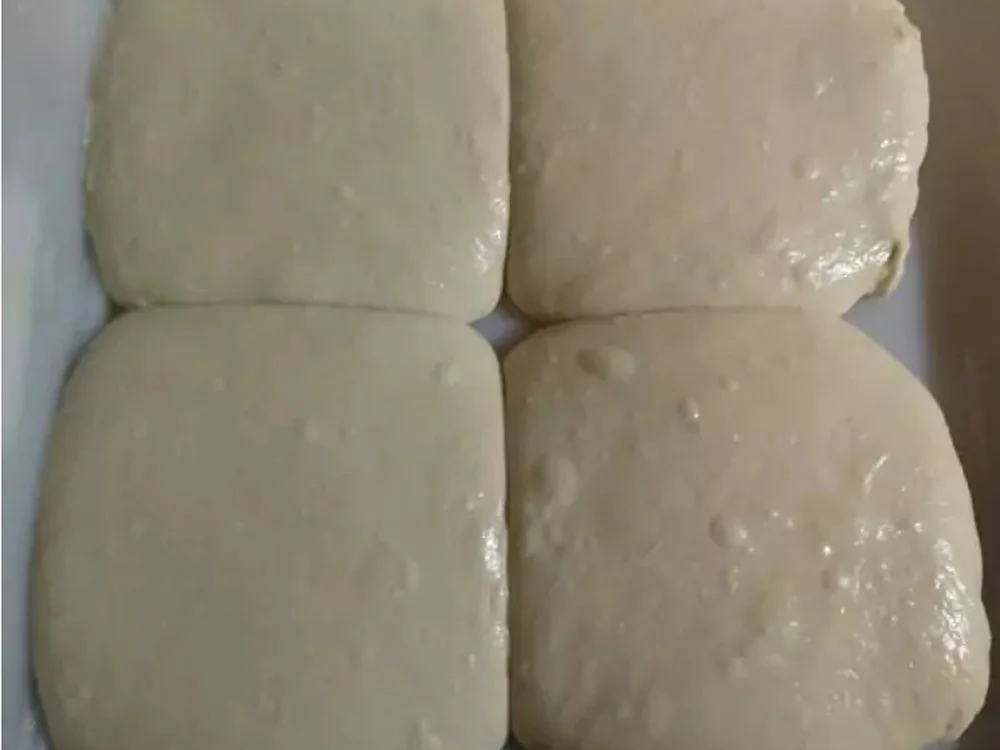
Why Your Dough Is Too Sticky to Handle
Sticky is not the same as unworkable. Rest the dough and use a scraper before burying it in flour.
Read the guide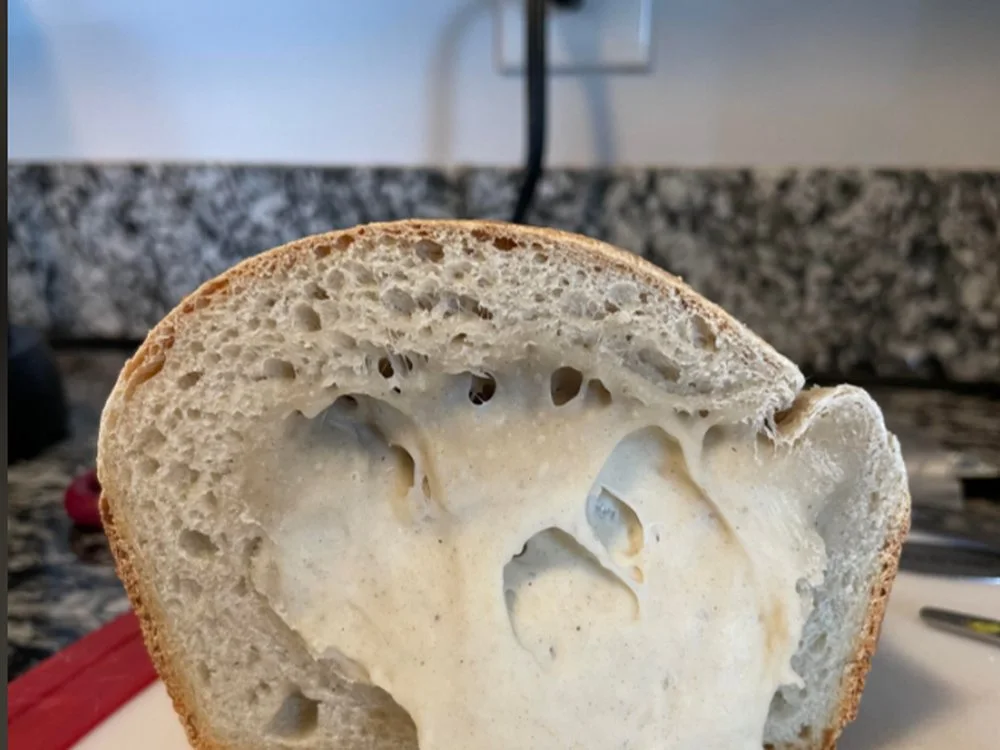
Why Your Bread Has Huge, Uneven Holes
A few large holes may be normal. A tunnel under the crust or dense dough around a cavity tells a different story.
Read the guide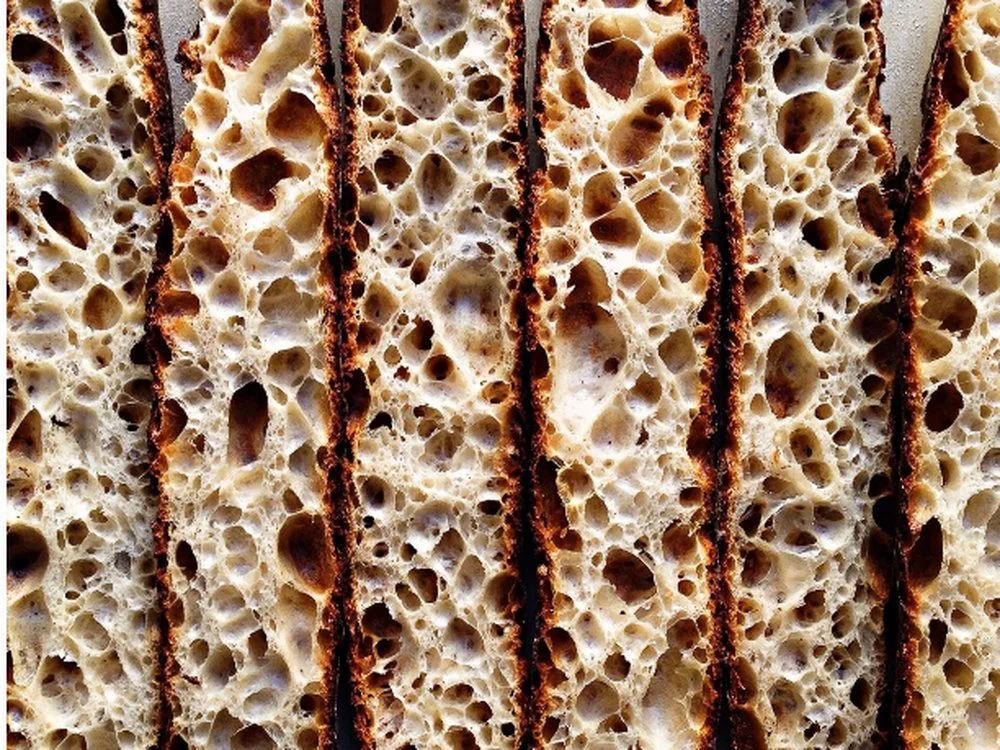
Why Your Bread Comes Out Dense Instead of Airy
A tight crumb starts before the oven. Check fermentation and dough strength before adding more yeast.
Read the guide